Eurobike 2026: the eMTB war is no longer just about power
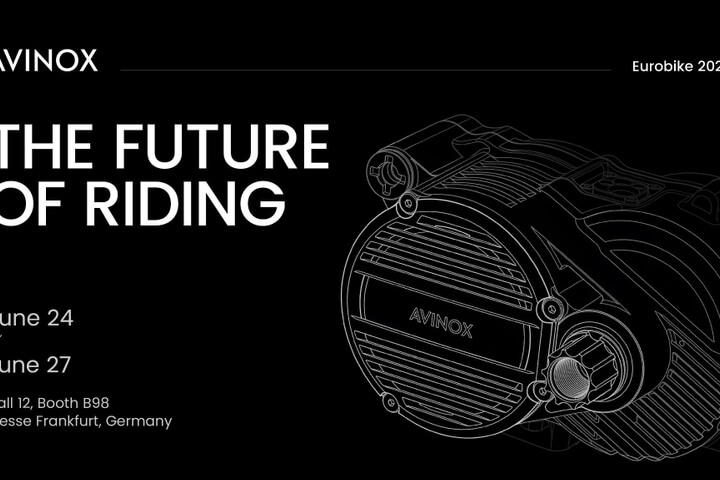
Eurobike 2026 sends a clear signal: the motor alone is starting to lose its force as a selling point.
Brands are starting to sell a complete system: motor, battery, display, software, gearing, sensors and ecosystem.
Advertisement / sponsored link
Advertisement / sponsored link
For riders, this could bring better bikes, but also more closed systems and more expensive repairs.

Easy marketing is no longer enough
Putting a big number on a spec sheet is easy. Making an eMTB climb smoothly, use energy sensibly, avoid drivetrain damage and retain a natural feel is much harder.
That is why Eurobike 2026 matters: it is starting to show products in which the drivetrain becomes part of the assistance system, not an external component taking whatever punishment the motor dishes out.
What riders gain if it is done well

Advertisement / sponsored link
In-depth eMTB PRO analysis
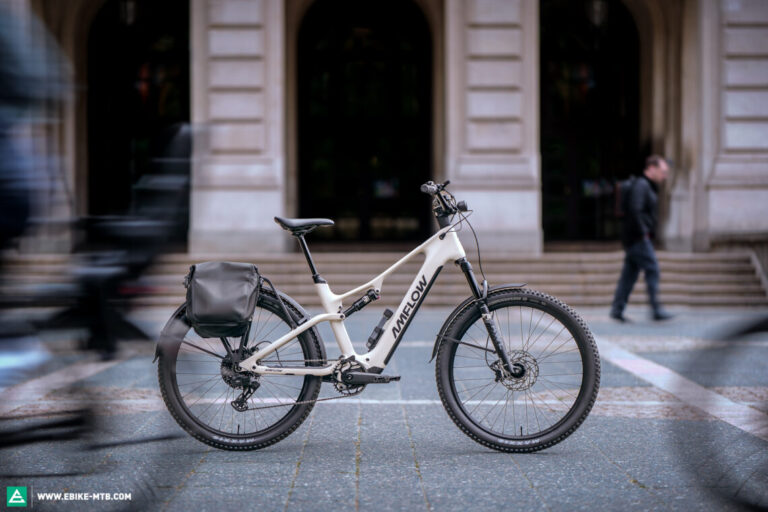
This article has been rebuilt with real images: a featured image downloaded from a public source and the rest linked directly to their sources. The aim is to show readers the actual product, motor, frame or component, not invented compositions. If an image does not work, another source is used; someone else's photo is not doctored.
The key is to separate three things: confirmed facts, trade-show promises and real-world behaviour still awaiting testing. An eMTB specification sheet can sound impressive, but buying decisions depend on weight, battery, brakes, tires, support, warranty and spare-parts availability.
What would we check on a real-world test
First: a slow technical climb, revealing whether the motor delivers smoothly or jerks. Second: a long descent to check brakes, noise, suspension and stability. Third: a range test with real climbing, temperatures and tires. Fourth: a workshop inspection after several rides.
We would also check something many websites overlook: who helps if it fails. A modern eMTB depends on diagnostics, battery, sensors, controls and software. Without clear brand support, the new technology loses its appeal.
Informed buying
Green flag: clear images and data, coherent equipment and readily located spare parts. Yellow flag: an attractive price but marginal components. Red flag: big headlines, limited availability, no actual weight or no explanation of technical support.
The best buy isn't always the newest bike. It's the one that fits your route, your weight, your store, your riding and your maintenance budget.

They could get a quieter bike, fewer missed shifts, less chain slap and more consistent power delivery. Range could also improve if the system avoids inefficient cadences and spikes in energy consumption.
For less technically skilled riders, intelligent management could also mean more enjoyment and fewer broken parts.
What Can Go Wrong
Integrated systems often look beautiful on day one and become expensive when repairs are needed. If every brand creates its own closed ecosystem, independent workshops will face a harder job.
Buying wisely in 2026 will mean looking beyond the most spectacular spec sheet to ask which system will still have support in three or four years.


eMTB PRO opinion
The next winning eMTB will not necessarily be the one claiming the most Nm. It will be the one that makes power, range and drivetrain work together in a package that is easy to use and hard to break.
- Sources consulted:
- Avinox bikes at Eurobike 2026: https://ebike-mtb.com/en/avinox-bikes-eurobike-2026/
- Avinox MG gearbox motor: https://ebike-mtb.com/en/avinox-mg-gearbox-motor/
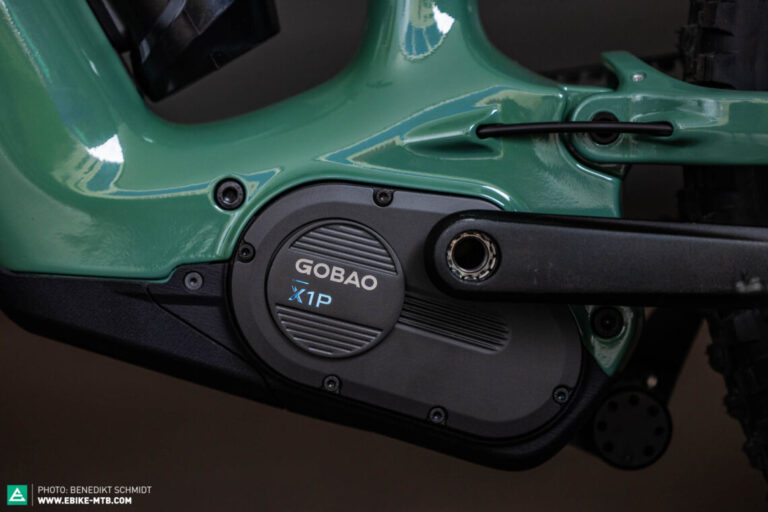
- Gobao X1P review: https://ebike-mtb.com/en/gobao-x1p-review/
- Real image source: https://www.avinox-ebike.com/news/avinox-concept-product-eurobike-2026
- Real image source: https://ebike-mtb.com/en/avinox-mg-gearbox-motor/
Have you used this bike, motor or component?
Join eRIDERSeMTB on Telegram to discuss real experiences with other riders: Bosch, Avinox, Shimano, deals, faults and buying decisions. The community currently speaks Spanish.
Advertisement / sponsored link
Advertisement / sponsored link
Advertisement / sponsored link
Advertisement / sponsored link