Avinox and heart-rate control: assistance that considers the rider, not just the motor
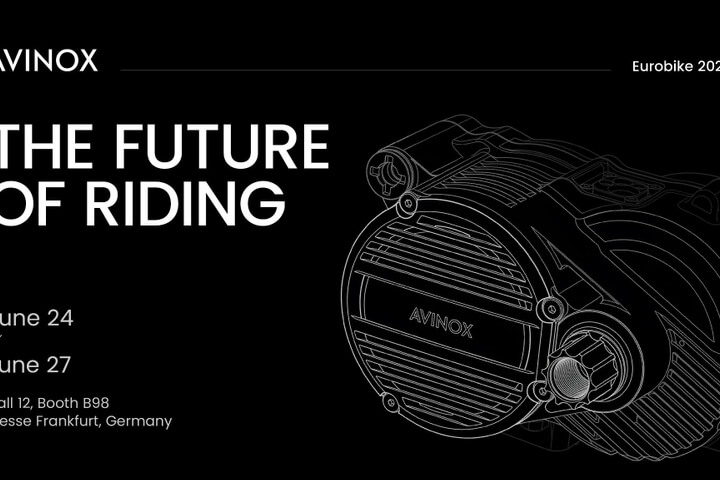
Avinox is promoting smarter assistance, including measuring rider effort.
Heart rate can be used for long routes, training, and fatigue management.
Advertisement / sponsored link
Advertisement / sponsored link
But if it is misapplied, it can turn a fun bike into a machine that decides too much.

The bike begins to read the cyclist
Until now, many motors have monitored cadence, torque, speed and mode. Adding heart-rate data could help them understand whether the rider is comfortable, fatigued or pushing too hard.
This could help on long rides: the bike might prevent you from burning out on the first climb.
Where it makes sense

Advertisement / sponsored link
In-depth eMTB PRO analysis
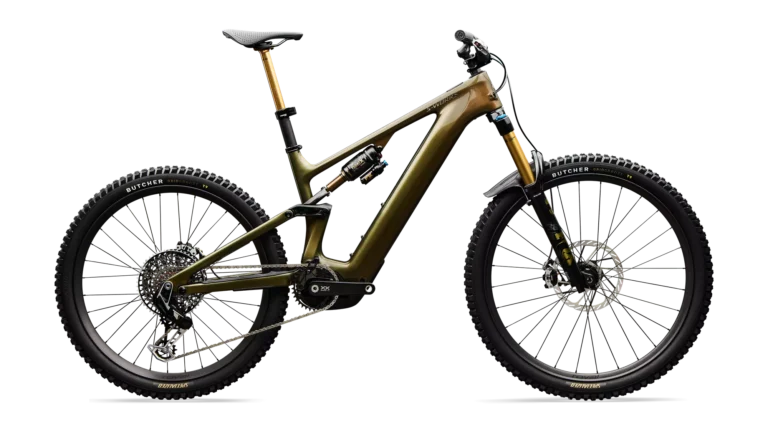
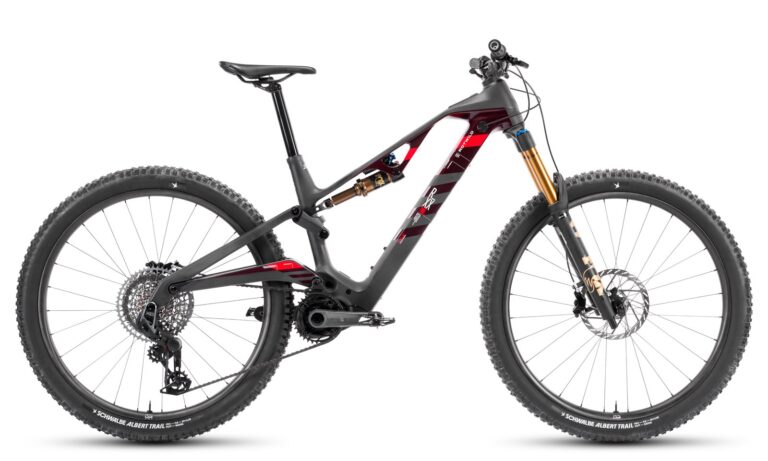
This article has been rebuilt with real images: a featured image downloaded from a public source and the rest linked directly to their sources. The aim is to show readers the actual product, motor, frame or component, not invented compositions. If an image does not work, another source is used; someone else's photo is not doctored.
The key is to separate three things: confirmed facts, trade-show promises and real-world behaviour still awaiting testing. An eMTB specification sheet can sound impressive, but buying decisions depend on weight, battery, brakes, tires, support, warranty and spare-parts availability.
What would we check on a real-world test
First: a slow technical climb, revealing whether the motor delivers smoothly or jerks. Second: a long descent to check brakes, noise, suspension and stability. Third: a range test with real climbing, temperatures and tires. Fourth: a workshop inspection after several rides.
We would also check something many websites overlook: who helps if it fails. A modern eMTB depends on diagnostics, battery, sensors, controls and software. Without clear brand support, the new technology loses its appeal.
Informed buying
Green flag: clear images and data, coherent equipment and readily located spare parts. Yellow flag: an attractive price but marginal components. Red flag: big headlines, limited availability, no actual weight or no explanation of technical support.
The best buy isn't always the newest bike. It's the one that fits your route, your weight, your store, your riding and your maintenance budget.

It makes sense for training, long mountain rides and riders who want to stay in a particular effort zone. It may also help manage range by avoiding unnecessary peaks.
Not everyone needs it. There are riders who prefer manual mode and direct sensations.
Where to be careful
Heart rate can vary with heat, stress, caffeine or rest. If the system misreads that data, it may provide more or less assistance at the wrong time.
Technology should help, not take charge. The rider must be able to override it and choose.


eMTB PRO opinion
Heart-rate control is interesting if it adds control. If it becomes another layer of automation you do not understand, it loses its appeal.
Have you used this bike, motor or component?
Join eRIDERSeMTB on Telegram to discuss real experiences with other riders: Bosch, Avinox, Shimano, deals, faults and buying decisions. The community currently speaks Spanish.
Advertisement / sponsored link
Advertisement / sponsored link
Advertisement / sponsored link
Advertisement / sponsored link