Liv Intrigue Advanced E+ 2027: 120 Nm, size XS and Spanish build options
Technical news · eMTB PRO
Liv's new trail bike combines SyncDrive Pro 4, a 560 Wh battery expandable to 840 Wh and sizes from XS. We analyse fit, builds and Spanish prices before buying.
Advertisement / sponsored link
What does this new Intrigue bring?
A powerful eMTB should not force you to accept a large size, uncomfortable posture or oversized battery for your routes. The Liv Intrigue Advanced E+ 2027 deserves attention precisely for that combination: a carbon trail platform, the option to start with less capacity and a range that includes XS. The point is not to win a numbers contest, but to offer an alternative when bike fit matters more than the motor.
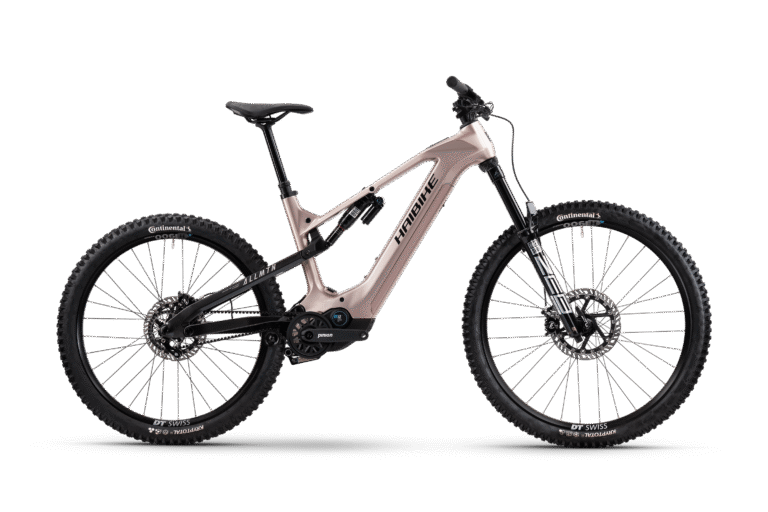
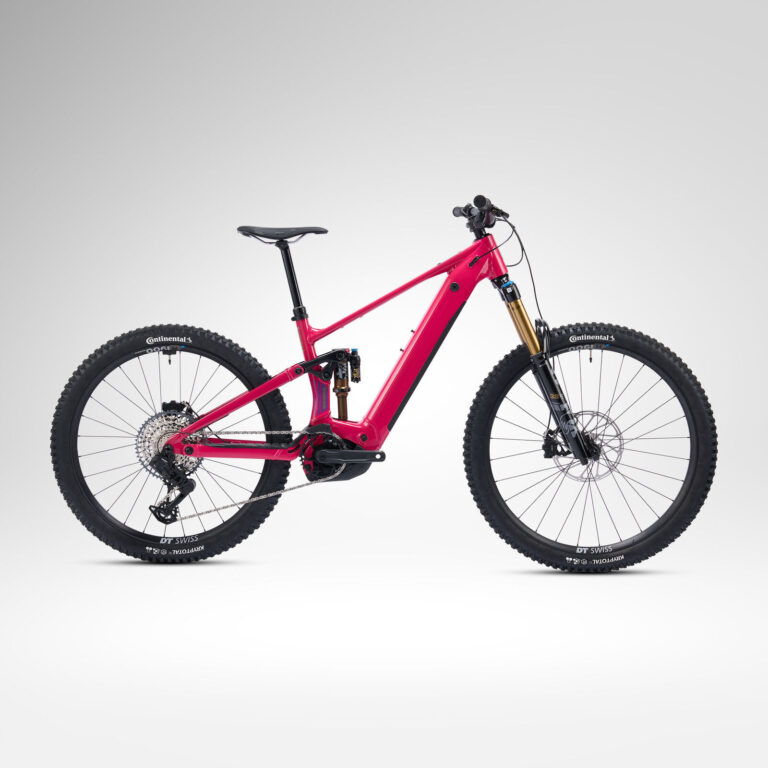
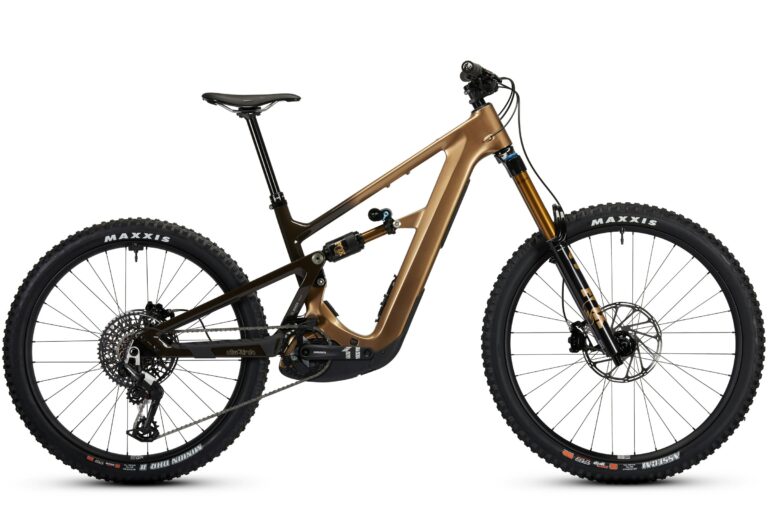
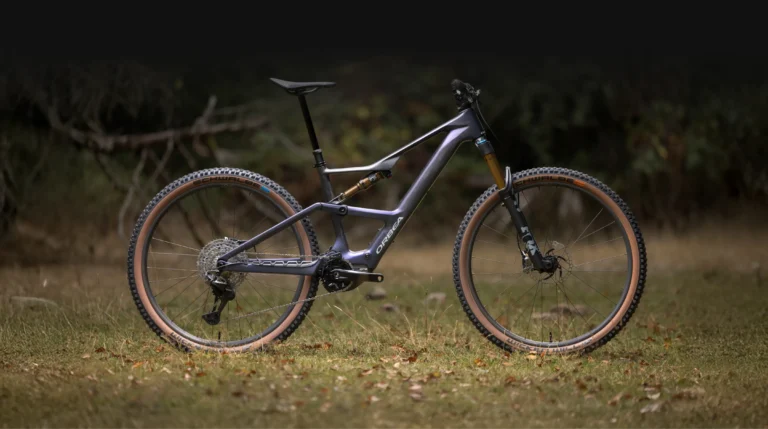
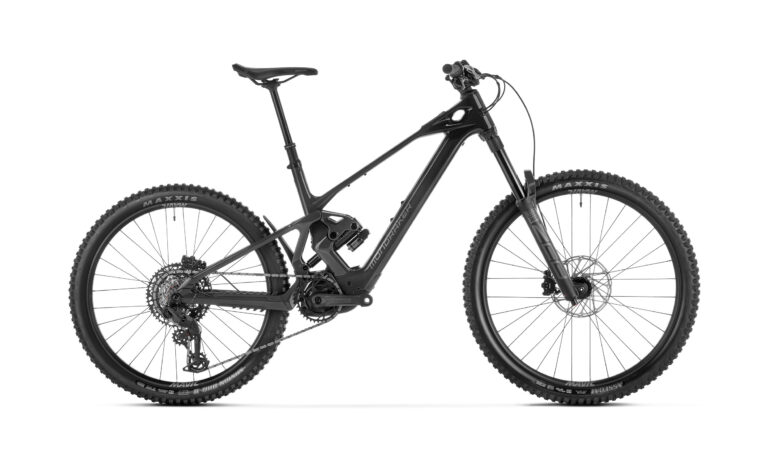
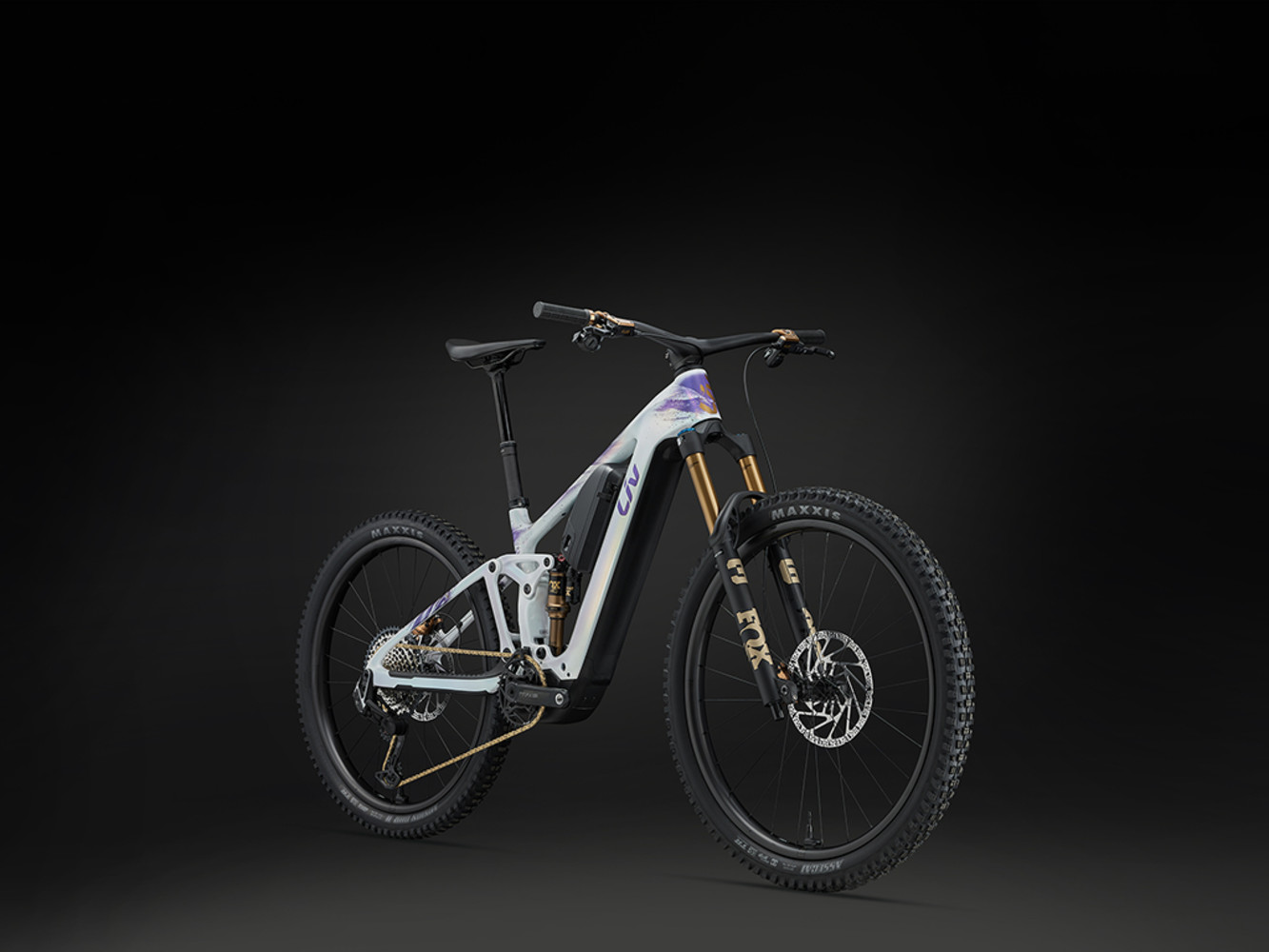
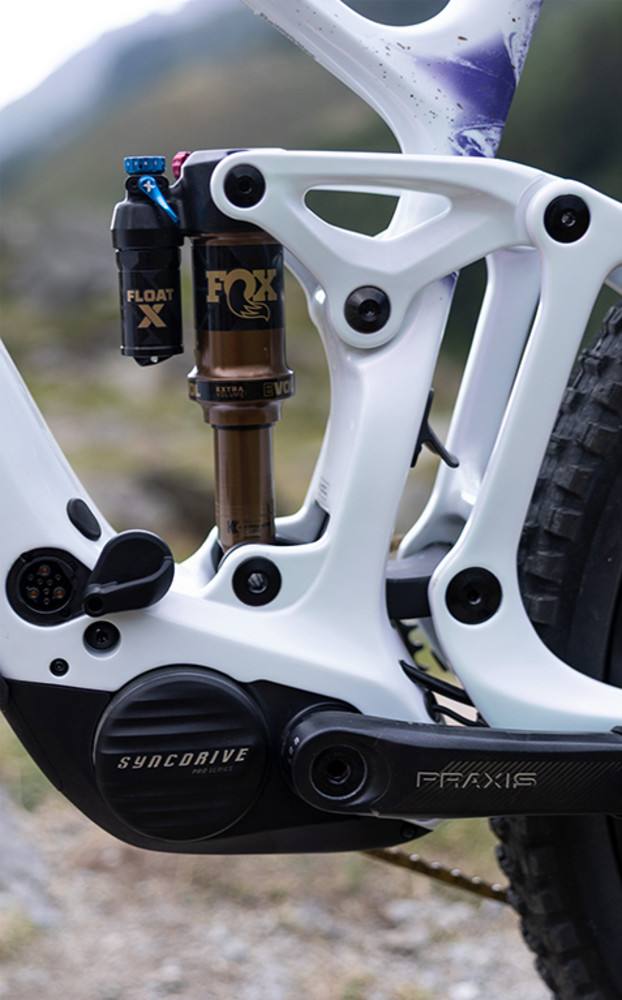
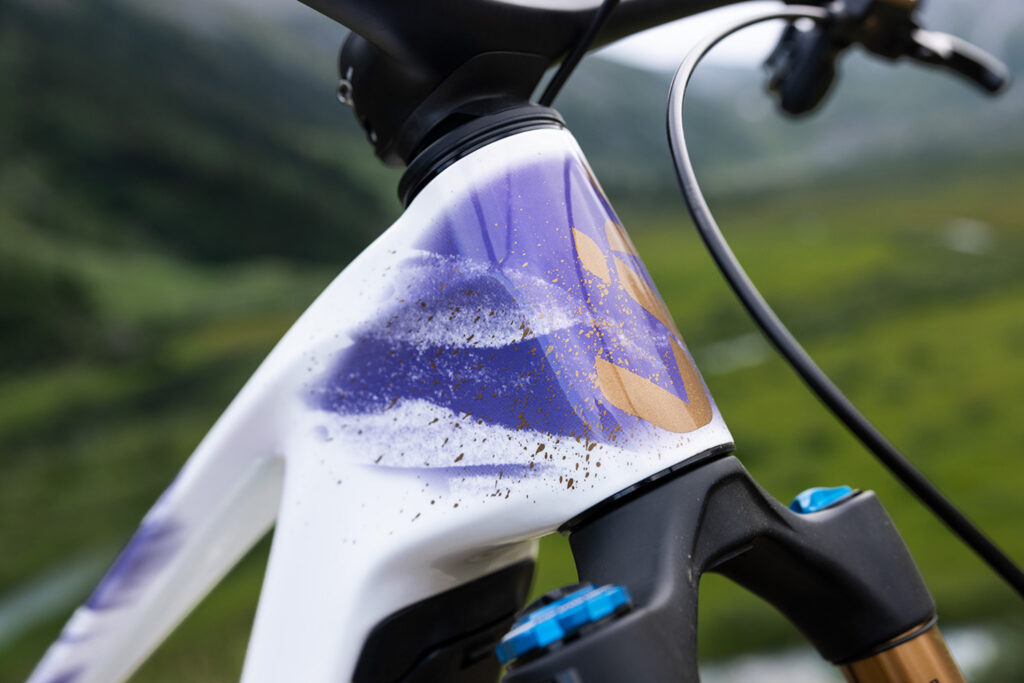
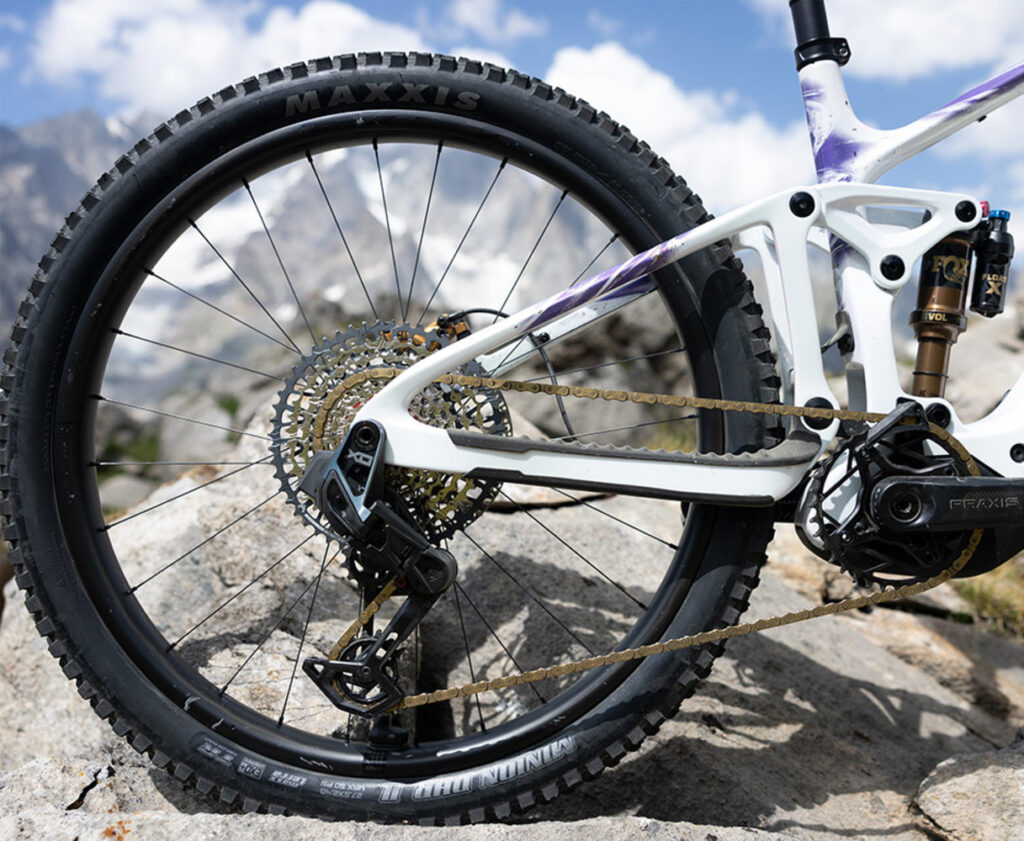
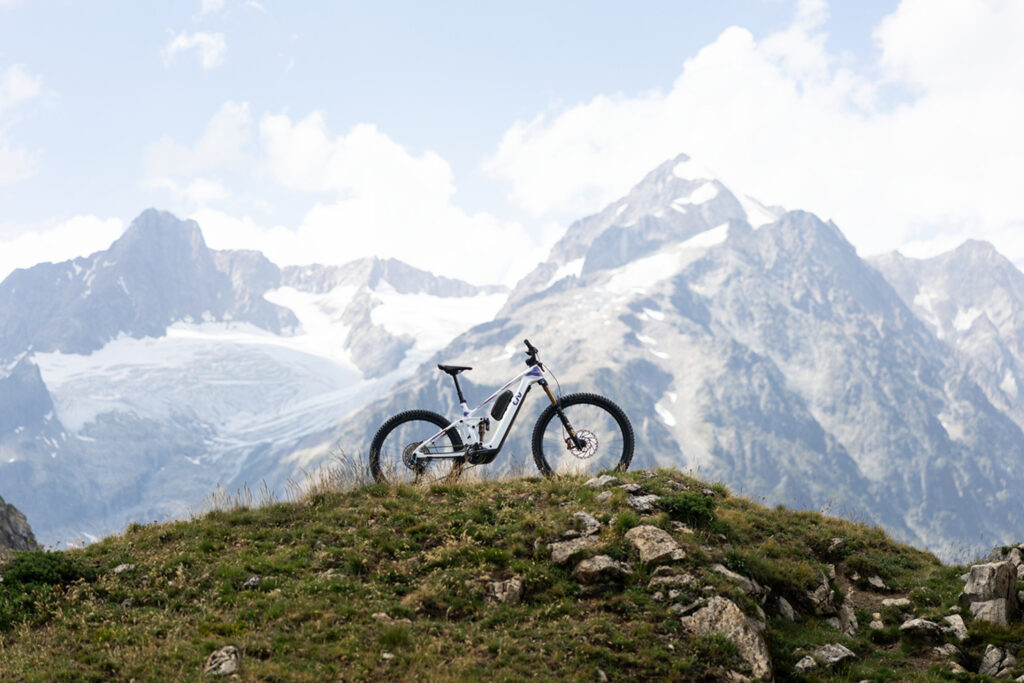
We analyze the range announced in Liv Spain, not a bike we have tested. Catalogue specifications are separated here from our buying assessment. The photographs show build 0 in Prism Pearl; they do not illustrate the exact equipment of the cheaper versions.
- Profile: a trail bike with strong assistance, not a lightweight eMTB with reduced support.
- Main decision: body fit and required range before choosing a trim level.
- Caution: sharing a range name does not mean sharing the same seatpost, remote, derailleur or additional battery.
A 2027 model appearing in the catalogue does not establish immediate availability in every size. Before paying a deposit, ask the Spanish dealer for a date for the exact model.
SyncDrive Pro 4: interpreting its 120 Nm
All three Spanish versions use SyncDrive Pro 4, a 48 V system with 120 Nm and 850 W peak power. These are manufacturer specifications, not independent bench-test results. The peak figure does not describe power sustained throughout a climb either. The documentation highlights low-cadence response and traction control; we have yet to verify these on the trail. Source: official platform presentation.
Advertisement / sponsored link
What we would request in a shop test is specific: start on a short climb, make a slow turn and cross a low-grip section. Observe the effort needed to activate assistance, whether power delivery lets you correct your line and what happens when you ease pressure on the pedal. A demonstration at maximum assistance on clear tarmac does not answer those questions.
For less experienced riders, more assistance does not mean always using the strongest mode. Sometimes an intermediate setting makes it easier to hold a line and avoid unnecessary acceleration. This is advice on testing technique, not a claim about this Liv's tested handling. Reading about torque, power and assistance helps compare without reducing everything to the larger number.
560 Wh or 840 Wh: decide before paying
The EnergyPak Smart 560X provides 560 Wh. The compatible range extender adds 280 Wh, bringing the total to 840 Wh. In Spain, the product pages for builds 0 and 1 include it; version 2 lists only the main battery. Do not assume it comes in every box just because a photograph shows it fitted.
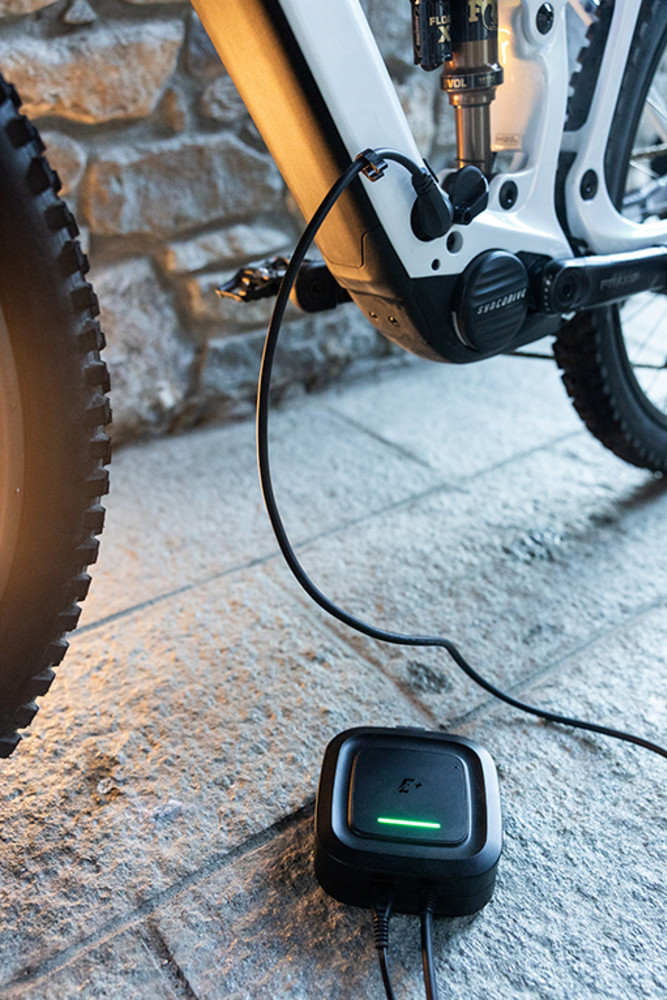
A useful calculation starts with your rides. Check consumption and remaining reserve after a representative route, not a distance record on different terrain. If your usual rides are short, buying extra capacity from the outset may offer less benefit than better suspension setup or good local servicing. For long days, the extender provides another configuration, but adds weight, a mount and another component to carry.
A purely indicative example: at a hypothetical consumption of 12 Wh/km, 560 Wh would equate to about 47 km and 840 Wh to 70 km before allowing an energy reserve. These are not measured range figures for the Intrigue. Elevation gain, total weight, tires and assistance can greatly change that consumption. Nor does 50% more energy guarantee exactly 50% more real-world distance.
Ask how both batteries are charged and managed, which mounts and cables your order includes and how a fault is handled. To plan with a reserve, see our real-world range guide.
XS, reach and rider height: where the choice starts
Spanish specifications announce XS, S, M and L. However, the visible geometric table during this review only shows XS, S and M: we do not extrapolate the measurements for L. Ask the dealer for the geometry of that size. In the middle setting, the product page for build 0 publishes the following values.
| Size | Reach | Stack | Seat tube | Standover height |
|---|---|---|---|---|
| XS | 412 | 618 | 380 | 727 |
| S | 423 | 627 | 400 | 735 |
| M | 452 | 636 | 425 | 735 |
Advertisement / sponsored link
XS is worth considering, not a promise of a universal fit for shorter riders. Reach describes a reference frame dimension; it does not replace checking your actual seated position. Standover height needs checking physically when putting a foot down on a slope or needing to dismount quickly.
Getting the fit right requires checking saddle height, brake lever reach and clearance with the dropper post lowered. Wear your usual riding shoes and do not accept a recommendation based on height alone. Two people of equal height may need different solutions because of inseam length, mobility or riding preferences. Liv's focus on women riders does not remove the need to assess each body and use case.
If you are between sizes, compare both with a similar pedalling position before deciding. Automatically sizing down may leave you cramped; sizing up for stability can make slow manoeuvres harder.
160/150 mm and mixed wheels: trail riding with room to spare
The platform combines 160 mm up front and 150 mm of Maestro rear travel, a 29-inch front wheel and a 27.5-inch rear. The flip chip offers three positions. According to the official geometry, the head angle changes from 64.1 degrees in LOW to 64.9 degrees in HIGH, with 64.5 degrees in MID. Source: build 1 frame and geometry.
Advertisement / sponsored link
Buying assessment: choosing a setting does not mean always leaving the frame in its lowest position. For routes with slow technical sections and frequent obstacles, consider clearance under the cranks; for fast descents, assess stability and weight distribution. A geometry change may help, but it does not compensate for the wrong size or poorly adjusted suspension.
I would start any comparison with the recommended setup for the rider's fully kitted weight and record pressure, rebound and flip-chip position. Then I would change one variable per ride. Otherwise, it is hard to distinguish an improvement from an effect caused by tires, temperature or different terrain. We do not provide universal pressures: the build and rider's weight matter more than a fixed recipe.
0, 1 or 2: differences that affect the buying decision
| Version | RRP | Suspension | Derailleur and seatpost | Battery included |
|---|---|---|---|---|
| Intrigue 2 | €5,799 | Psylo Gold RC / Deluxe Select | Mechanical Deore / Contact Switch AT | 560 Wh |
| Intrigue 1 | €7,999 | FOX 36 Performance / Float X Performance | GX AXS Transmission / Contact Switch E+ | 560 + 280 Wh |
| Intrigue 0 | €9,999 | FOX 36 Factory / Float X Factory | X0 AXS / Contact Switch E+ | 560 + 280 Wh |
The 2 retains the core assistance system; it is not an Intrigue with a different, reduced-power motor. On paper, it makes sense for riders who prioritise a mechanical drivetrain and want to spend the remaining budget on kit, maintenance and rides. If you need the extender from day one, its absence from the included equipment must enter the calculation.
Moving up to the 1 costs EUR 2,200 at RRP: assess the whole package rather than justifying it solely by wireless shifting. The decision depends on how much you will benefit from the suspension, electronic seatpost and extra capacity. Between the 1 and 0 there is another EUR 2,000. Before paying it, I would ask which specific improvement I will notice or need, and what spares cost for the chosen build.
Prices are official reference figures, not discounts, verified offers or a stock guarantee. A local promotion may change the value ranking without changing the platform.
Drivetrain and brakes: allow a realistic budget
A powerful motor still needs consumables. The product pages 0, 1 and 2 distinguish derailleurs, chains and brakes: do not order spares from a photo of the top version. In particular, a mechanical drivetrain does not automatically use the same chain as an AXS Transmission setup.
Your ownership budget should include suspension servicing, chains, tires and brake pads. Ask the shop for an example annual cost based on how often you ride, with parts and labour identified. An advertised maintenance interval does not alone establish suitability for frequent mud, dust or many hours of descending.
At handover I would check rotor alignment, brake lever reach, workshop-verified fastener torque and tubeless setup where applicable. During the first gear changes, briefly ease the load: there is no reason to turn every shift into an endurance test. To understand wear, our guide to chain, cassette and chainring helps you ask more useful questions than demanding a fixed lifespan nobody can guarantee.
Display and seatpost: technology that should be comfortable
Version 2 uses RideControl Ergo 4; versions 0 and 1 list wireless Ergo 5 and the Contact Switch E+ seatpost. RideControl Go Lux appears on all three. The distinction is shown on the product pages for the 2 and the 1, helping avoid attributing every extra to the whole range.
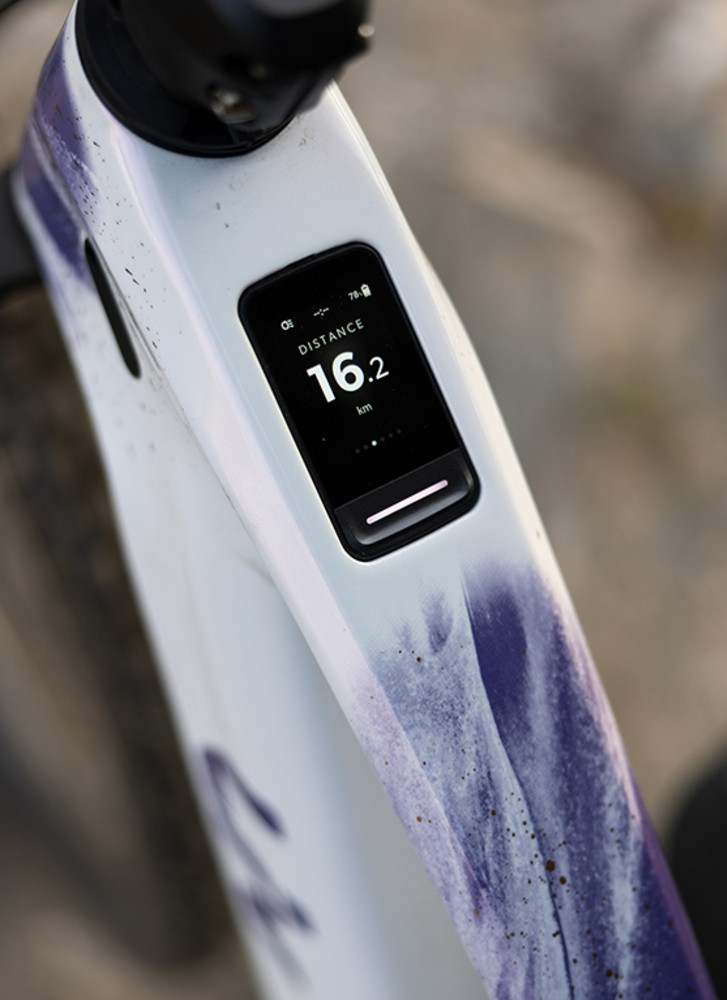
On a frequently ridden bike, controls should be intuitive. With gloves on, check whether you can find assistance, dropper and shifting controls without loosening your grip or looking away for too long. For small hands, a position that seems comfortable on display may feel different under hard braking or when riding standing up.
I would also ask for an explanation of basic operations without relying on a phone: switching on, selecting assistance mode and initial diagnostics. If a component needs separate charging or batteries, make that clear before the first ride. Integration adds value when it simplifies an everyday action; a longer feature list alone does not justify a premium.
Against Trance and other full-power bikes: compare the fit
Sharing a motor family with the Giant Trance Advanced E+ 2027 does not make this Intrigue an identical buying proposition. Compare available sizes, riding position, build and included capacity for the Spanish model you can actually buy. The Giant guide helps distinguish a shared ecosystem from the choice of bike.
We do not rank motors here or claim the Liv climbs better than a Bosch- or Avinox-powered bike. An honest comparison needs equivalent routes and conditions. In the shop you can answer preliminary questions: can you reach the ground safely, brake comfortably, fit the bike in your transport and access nearby technical support?
The most useful question is which configuration will let you ride more. A more expensive but uncomfortable bike does not become a good buy because it wins on a specification sheet; a smaller battery is not automatically a problem if it finishes your rides with enough reserve.
Six checks before placing a reservation
- Spanish reference and date. Request the version, colour, size and delivery date in writing. Distinguish catalogue availability from a bike physically allocated to you.
- Fit check. Check support, brake lever reach and the fully lowered seatpost. Assess the whole bike wearing your riding clothes and shoes.
- Content of the order. Confirm the additional battery, mounts, cables, charger and accessories. Do not assume items shown in the images are included.
- Service plan. Identify who services the motor, batteries, electronics and suspension; ask about warranty procedures and transport.
- Cost of use. Request chain and brake pad part numbers, plus indicative servicing prices. Leave room in the budget for consumables.
- Documented delivery. Record initial settings, identification numbers and how the controls work. Check that you receive an explanation and documentation for your bike.
When choosing between two builds, write down three real uses you expect the more expensive one to improve. If you cannot identify them, the difference may be better spent on kit or proper bike maintenance. If the lower model immediately needs an extra battery and other changes, request the full cost before comparing it with the higher version.
Questions to be resolved
Is it a lightweight eMTB with reduced assistance?
That is not the range's intended approach: it uses a full-power system. Do not confuse the motor's purpose with a configuration's weight. To compare weights, ask for size, included accessories and weighing method.
Does the Intrigue 2 include the 280 Wh extender?
The Spanish product page checked includes only the EnergyPak Smart 560X. Platform compatibility does not mean the extender is included at that price. Also confirm the cost of the complete kit required if you want to add it.
Advertisement / sponsored link
Does XS guarantee a fit for every shorter rider?
No. You need to check inseam length, standover height, reach and usable dropper travel. The size label is a starting point, not a certification of comfort or control.
Do the photos show all three builds?
No: they show only the Intrigue Advanced E+ 0. The table distinguishes the Spanish configurations so that components on that bike are not attributed to versions 1 and 2.
eMTB PRO's assessment: the Intrigue belongs on the shortlist to try when you want strong assistance without compromising fit. Start with size and use, then range and servicing, and finally the trim level. Its appeal is in offering choices, not promising that one figure solves every ride.
Sources and documentation
Information checked on 09/10/2026. Original article based on official documentation, not our own ride test. Equipment and availability may vary by market.
Have you used this bike, motor or component?
Join eRIDERSeMTB on Telegram to discuss real experiences with other riders: Bosch, Avinox, Shimano, deals, faults and buying decisions. The community currently speaks Spanish.
Join TelegramAdvertisement / sponsored link
Advertisement / sponsored link
Advertisement / sponsored link