Specialized Turbo Levo 4 in 2026: big power, a big price and some awkward questions
The Specialized Turbo Levo 4 is not a bike you can dismiss with 'what a machine' and leave it at that. It has Specialized's own 3.1 motor, a large battery, serious electronics, adjustable geometry and a price that makes you check your bank balance twice. On paper, it is a benchmark eMTB. For an actual purchase, the question is not whether it is fast. It is whether paying for this ecosystem makes sense against Bosch, DJI Avinox, Shimano or a good deal with a less glamorous motor.
Advertisement / sponsored link
This article separates confirmed facts, brand promises and opinion. I am not going to sell you hype with a catalogue in my hand. If you are considering a Levo 4, this is what I would check before handing over the money.
Advertisement / sponsored link
Confirmed fact: S-Works is not just any Levo
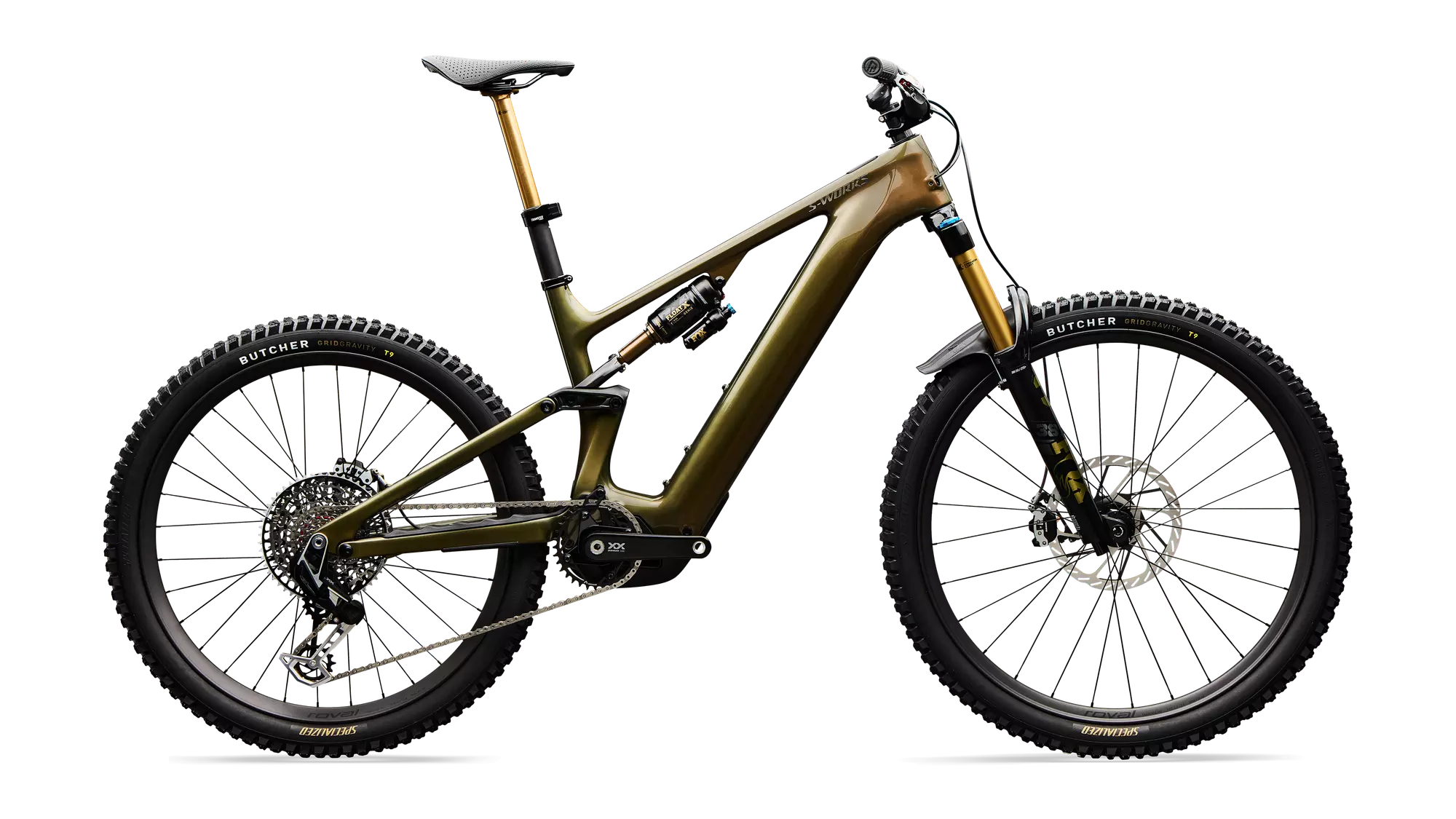
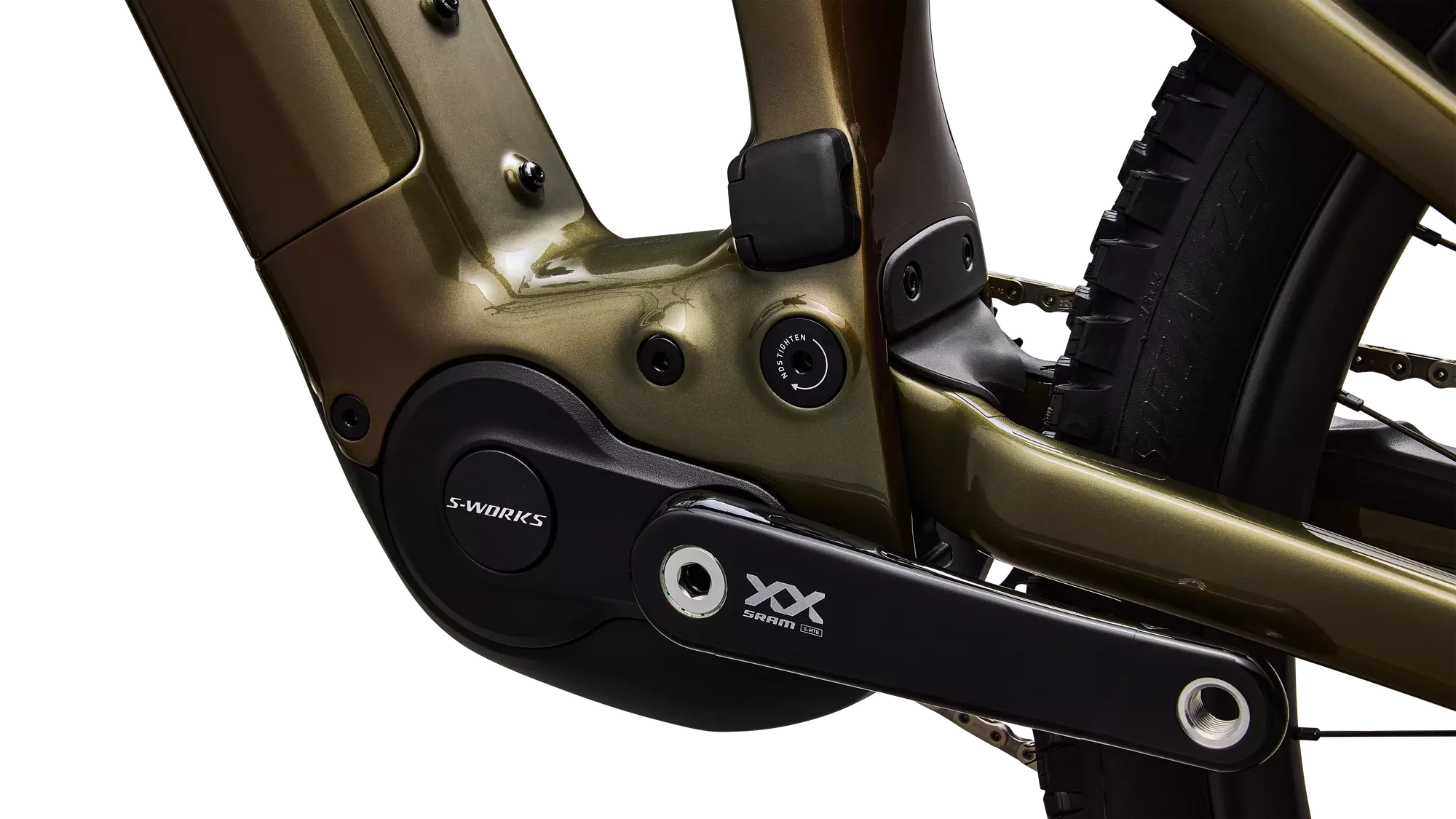
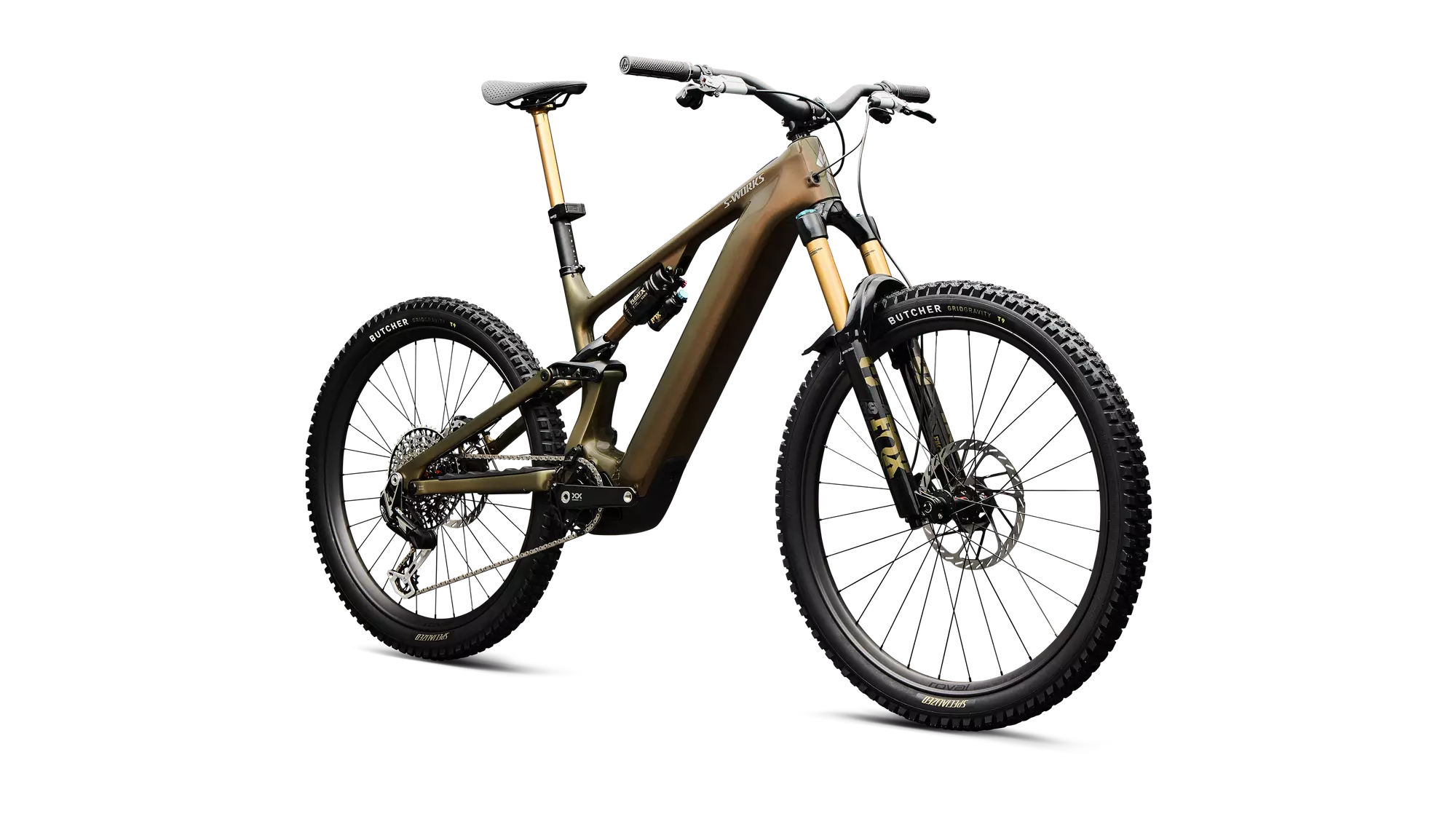
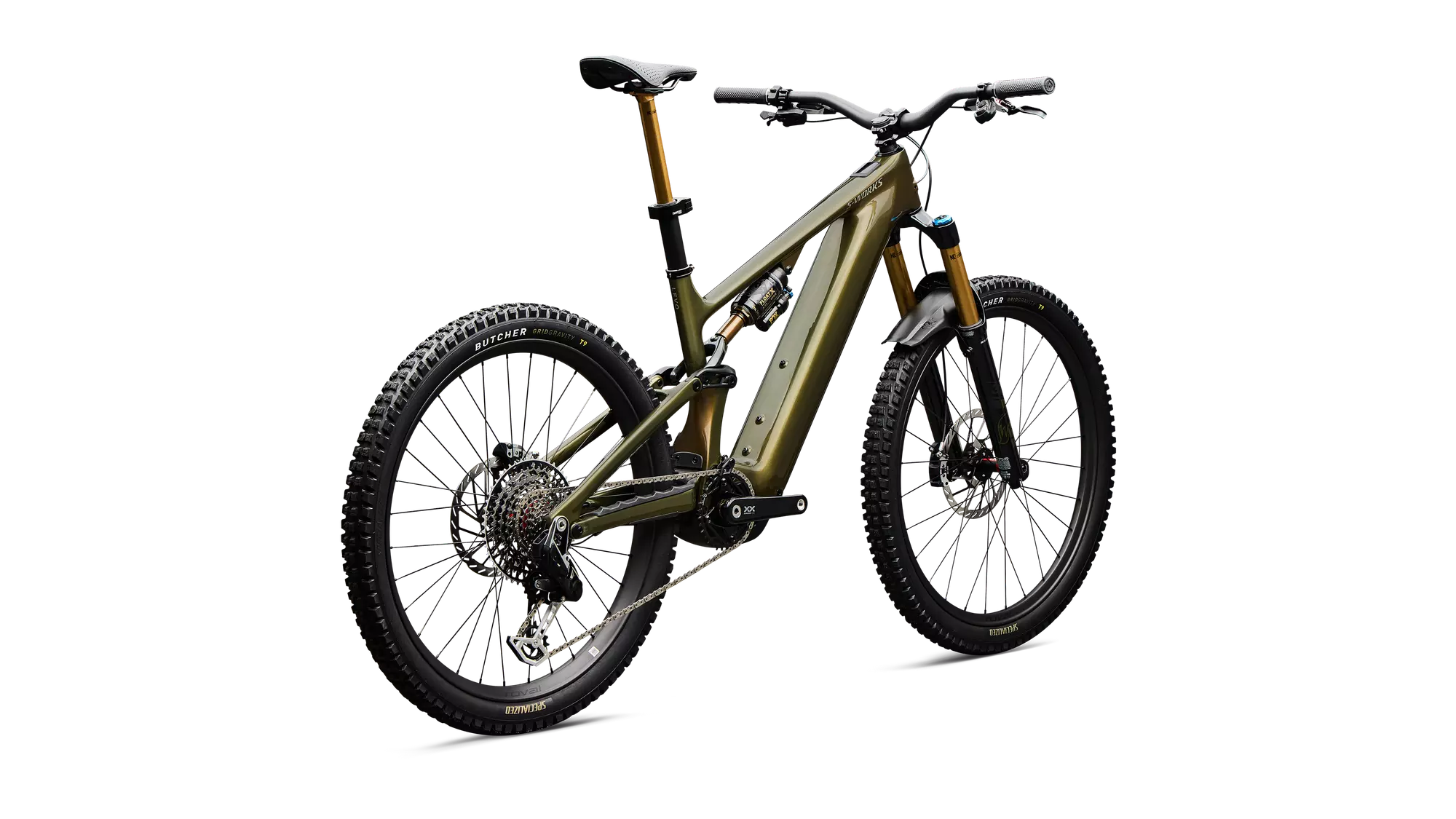
Specialized's official specification page for the S-Works Turbo Levo 4 lists the motor as S-Works 3.1 with 111 Nm and 850 W, an 840 Wh battery, up to 4.40 hours of runtime under specified conditions, a FACT 11m Carbon frame, 160 mm front suspension, 150 mm rear travel with GENIE and a SRAM XX Eagle T-Type AXS drivetrain. In other words, this is the showcase build, not the family's 'sensible' version.
Take care, because figures get mixed online. Launch reviews and other markets have cited 720 W for S-Works 3.1 and 101 Nm/666 W for the standard Specialized 3.1. When buying now, an old video's figure is not enough: check the exact bike specification, country, model year and motor fitted to that unit. Levo 4 may be the same name, but not every bike has the same system level.
The good thing: Specialized has understood that power without control is not worth much
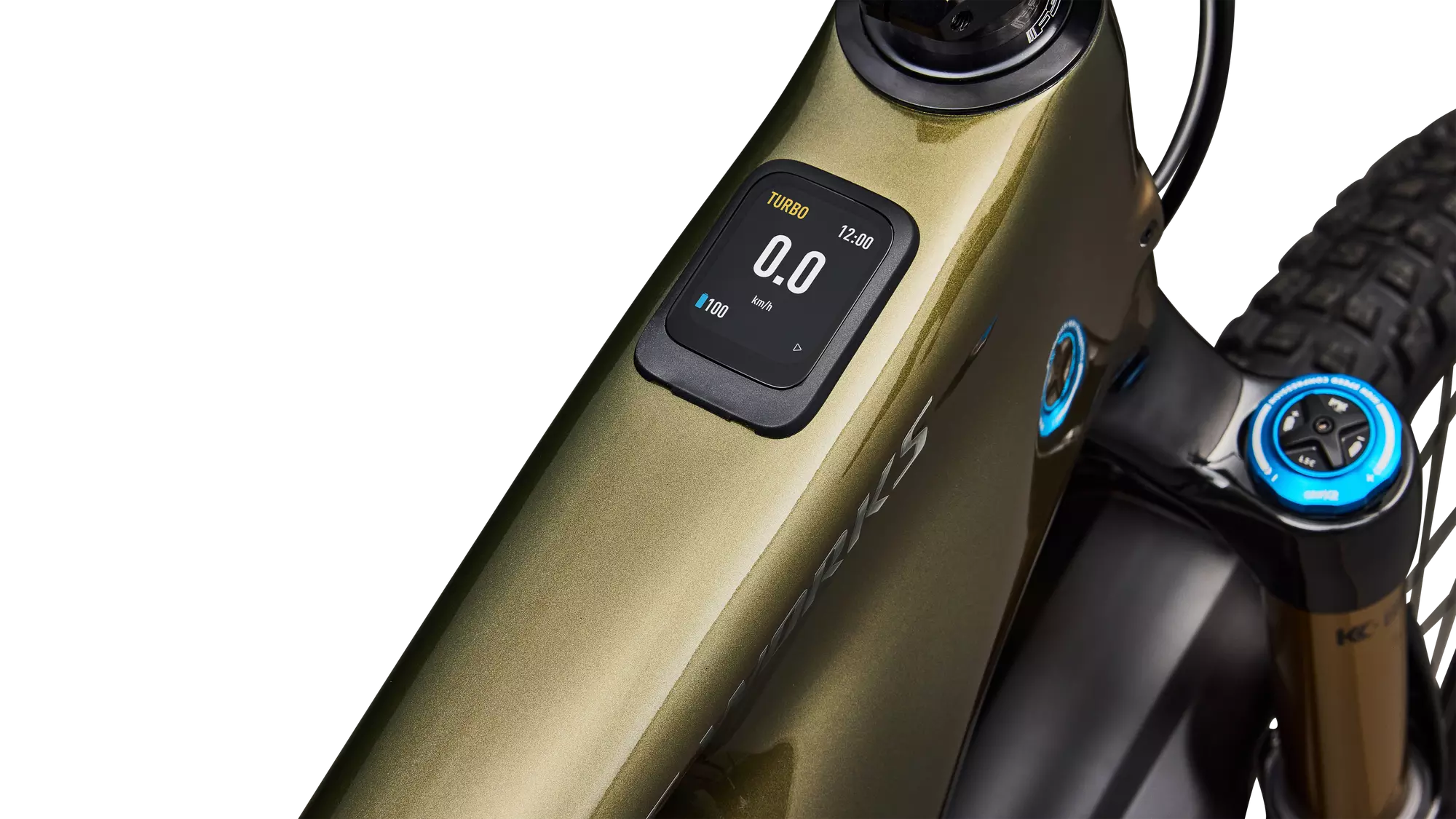
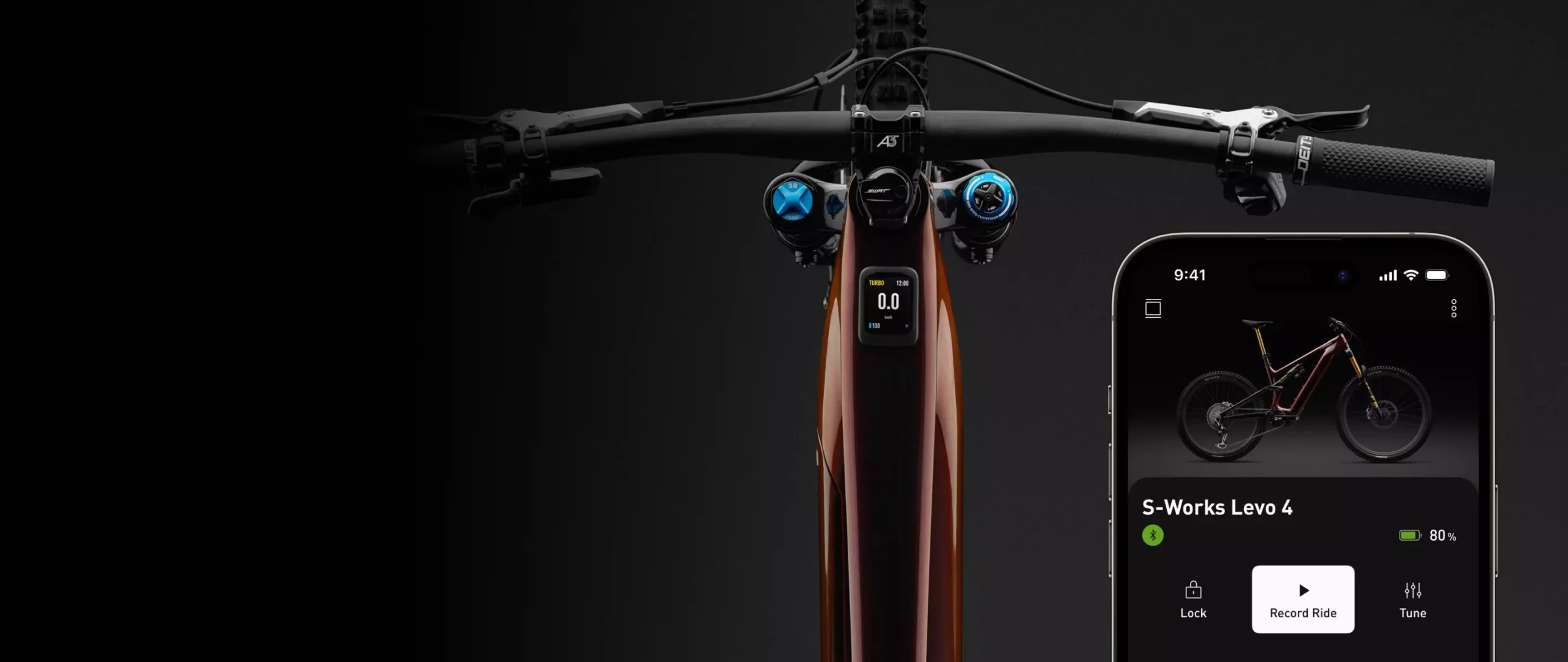
The eMTB motor race has become absurd: more torque, more watts, higher peaks and more numbers to argue about at the pub. The Levo 4 has big figures, yes, but the interesting part is not just strong propulsion. Specialized emphasises traction control, natural delivery, Micro Tune, Dynamic Micro Tune, the app, MasterMind display and a system designed as a whole. On a real eMTB, that matters more than an isolated number.
On a technical climb, poor power delivery can be miserable: a slipping wheel, jerky pedalling, a motor launching you onto the wrong rock and a battery draining as though a hairdryer were plugged into it. If the Levo 4 delivers substantial assistance without losing finesse, that has value. The compelling promise is not merely a powerful eMTB, but one you can control precisely.
I also welcome that the bike goes beyond 'a big motor and nothing else'. There is SWAT storage in the down tube, geometry adjustment, a 29/27.5 mullet setup, a side-removable battery and compatibility with a 280 Wh range extender for 1,120 Wh total energy. On long rides, that changes the discussion: a powerful bike that leaves you stranded halfway is not the same as one with genuine energy-management options.
Advertisement / sponsored link
What smells like a marketing promise
When a brand calls its bike 'SuperNatural', 'smarter' or says it turns you into a kind of cyborg, I translate that into plain rider language: we will see on the trail. Specialized has a carefully developed ecosystem, but real owners do not live in a PDF. They live with mud, updates, shops, warranties, noises, spare parts and days when the app decides not to behave.
The claimed runtime of up to 4.40 hours is based on Eco, an 80 kg rider, significant climbing and a specific setup. It does not mean you will see the same at 95 kg with kit, using Turbo on hard climbs, soft ground and tires with tough casings. The figure illustrates the system's ambition, not a promise of an epic ride without checking the battery.
Treat 'better than the rival' claims from controlled tests carefully too. They may hold in the brand's laboratory, but we still need to know the tires, pressure, rider, cadence, firmware and terrain used. On an eMTB, much of the feel comes from the whole combination: motor, wheels, geometry, suspension, tires, pressure and legs.
Quick table: what you are really buying
| Component | Confirmed data | eMTB PRO's view |
|---|---|---|
| Motor | S-Works 3.1, 111 Nm and 850 W in the current US specifications. | Huge assistance. Test control, noise, heat and consumption, not just power. |
| Battery | Turbo X2 840 Wh, with extra 280 Wh option according to configuration. | Great asset for long routes, but weight and price rise. |
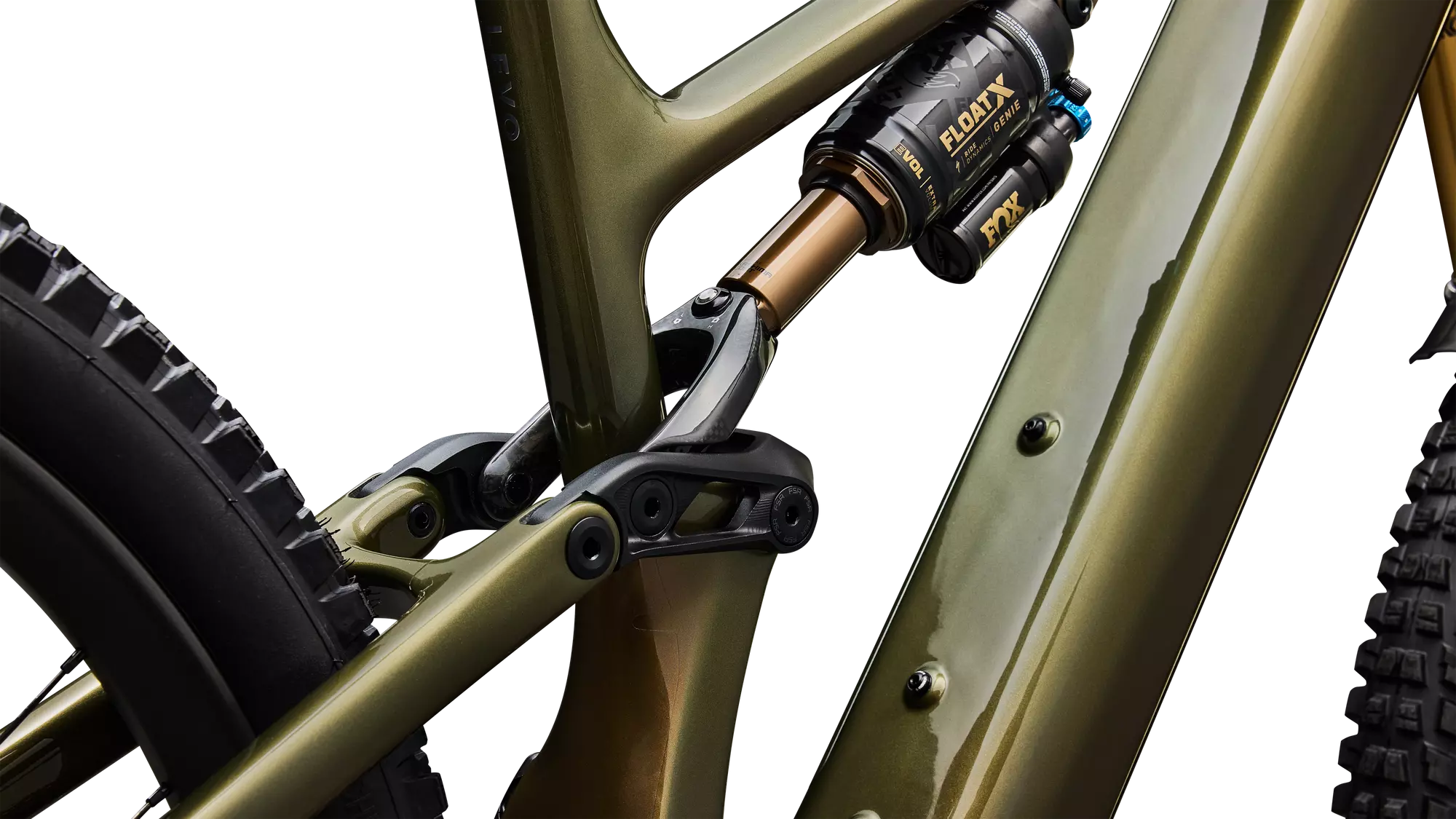
| Suspension | 160 mm front, 150 mm back with GENIE. | A powerful trail/enduro focus. Careful setup is essential to avoid an expensive sofa. |
| Electronics | MasterMind, app, Micro Tune, System Lock, Apple Find My. | Comprehensive. Key questions: support, updates and a shop that knows how to work on it. |
| Weight | 23.68 kg declared in S4. | Not light. The motor and battery may justify it, but do not expect a lightweight eMTB's feel. |
| Price | USD 11,499.99 on the specification page consulted. | A premium purchase. Insist on warranty, service and a test before buying. |
eMTB PRO opinion
The Turbo Levo 4 S-Works looks technically formidable to me, but it is also a purchase where showroom appeal can cloud judgement. Specialized knows how to make bikes work as a system, and it shows. Paying at this level only makes sense if you will use the whole package: powerful motor, battery management, adjustable geometry, app, good suspension, premium drivetrain and a competent shop.
If you simply want an eMTB for Sundays, ordinary rides and minimal fuss, a lower-spec Levo 4, a well-equipped Bosch CX bike or even a strong Shimano/Brose deal may make more sense. For long rides, technical climbs, slow technical trails, fine adjustments and a thoroughly dialled-in bike, the Levo 4 makes the shortlist. But I would not buy it without testing it and knowing who will maintain it.
What to check before buying
1. Which exact motor your bike has
Do not buy 'a Levo 4' on hearsay. Ask whether it has S-Works 3.1 or the standard Specialized 3.1, the claimed power in your market, installed firmware, model year and local restrictions. This matters especially with existing stock, imports or a discounted bike.
2. Battery, charger and range extender
A large battery is wonderful on long rides, but nothing comes free: it adds weight, costs money and shapes the frame design. Check whether the 280 Wh range extender is included, its separate price, actual availability and how charging to 80% is managed. If the shop cannot explain it, that is a bad sign.
Advertisement / sponsored link
3. Warranty and workshop support
On a premium eMTB, the workshop matters almost as much as the specifications. Ask who diagnoses the motor, how updates work, how long warranty claims take, whether the shop has Turbo System experience and whether it can investigate battery/app errors without sending you away.
4. GENIE suspension and real-world setup
Good suspension with poor setup is wasted money. Ask for initial sag, rebound and compression settings suited to your actual weight with kit. If you can test it, seek a rough climb and fast descent, not just a car park.
5. Price versus alternatives
Compare with Bosch CX Gen 5, DJI Avinox, Shimano EP801 and other Brose/Specialized options for your actual riding. Do not compare torque and watts alone. Consider range, perceived reliability, spare parts, noise, app, shop support, resale and component costs.
Real-world test that we would do
My test for this bike would be simple and unforgiving: the same route, same rider, measured pressures, 100% battery, clearly defined Eco/Trail/Auto/Turbo settings and a direct comparison with a powerful Bosch CX and an Avinox bike if possible. No pretty Instagram cruise.
- Slow technical climb: rocks, steps, a tight turn and little room for perfect pedalling. This reveals whether the traction is real or marketing.
- Long climb in the heat: at least 20-30 minutes putting the motor under load to assess energy use, temperature, noise and performance loss.
- Rough descent: check whether the weight is noticeable, whether the rear wheel stays planted and whether GENIE adds control or merely comfort.
- Range-test ride: set out with 840 Wh and record elevation gain, rider weight, mode used and final percentage. No tall tales.
- Workshop day: simulate an update; check the app, connection, diagnostics and how easily the bike can be set up to run properly.
So, is it worth it?
It is worthwhile if you want a premium full-power eMTB, plenty of power, enjoy setup work, ride demanding routes and have a responsive Specialized shop. Also if you value integration: app, display, locking, Find My, large battery, SWAT and a platform that feels modern.
It is less worthwhile if your budget is tight, support is distant, you dislike depending on apps, prefer mechanical simplicity or your regular ride does not justify paying for so much system integration. In that case, a less spectacular but well-equipped eMTB may deliver 85% of the enjoyment for considerably less money.
My summary: the Turbo Levo 4 is not a foolish purchase; it is a serious one. That is precisely why it needs careful thought. A very good bike is not necessarily the best purchase for everyone.
Sources and notes
Confirmed data used: Specialized's official specification page, the official Levo G4 manual and specifications published on the product page. Reviews from The Loam Wolf, E-MOUNTAINBIKE Magazine and Pinkbike were consulted for editorial comparison. Figures may vary by market, version and model year; before buying, confirm the exact specifications of the bike in front of you.
Do you want us to let you know when a real offer or a serious test of this bike comes out? Visit the eMTB PRO / eRIDERSeMTB Telegram group and share the model you are considering. That helps us assess bargains, motor questions and purchases that could disappoint before you pay.
Have you used this bike, motor or component?
Join eRIDERSeMTB on Telegram to discuss real experiences with other riders: Bosch, Avinox, Shimano, deals, faults and buying decisions. The community currently speaks Spanish.
Join TelegramAdvertisement / sponsored link
Advertisement / sponsored link
Advertisement / sponsored link