Crankbrothers Trail Seal for eMTB: Stamp or Mallet for rain and mud
Technical news · eMTB PRO
Two new shoes for wet rides: we compare Stamp and Mallet, compatibility, cleats, prices and the limits of water protection.
Advertisement / sponsored link
What's new: protection around the ankle opening too
Crankbrothers' new Trail Speed Lace Seal family tackles a very specific problem: heading out in shoes that seem ready for rain and ending up with water inside. For year-round eMTB riders, it is not just about staying warmer. Predictable support on the pedal, being able to walk when the trail demands it and having usable kit again for the next ride also matter.
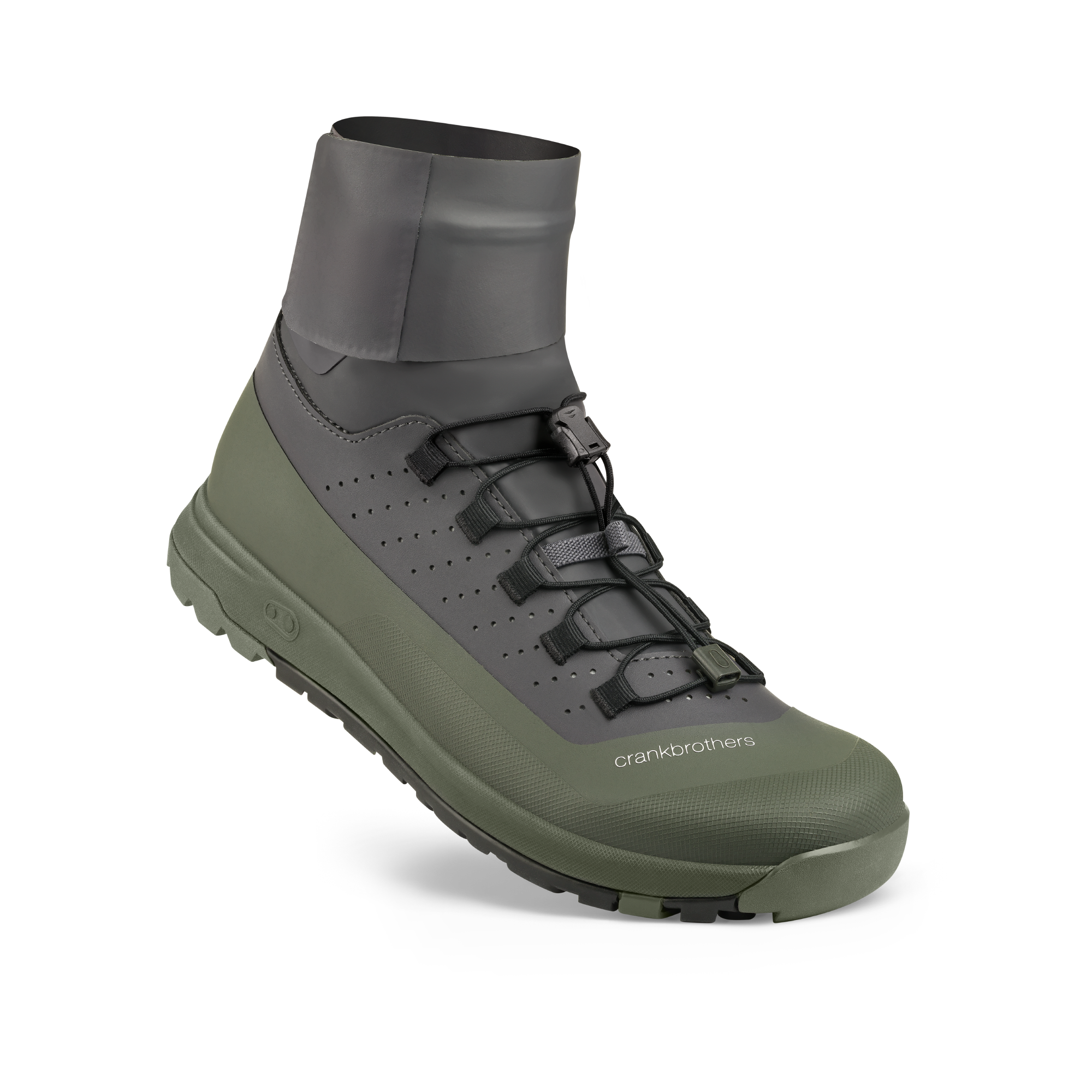
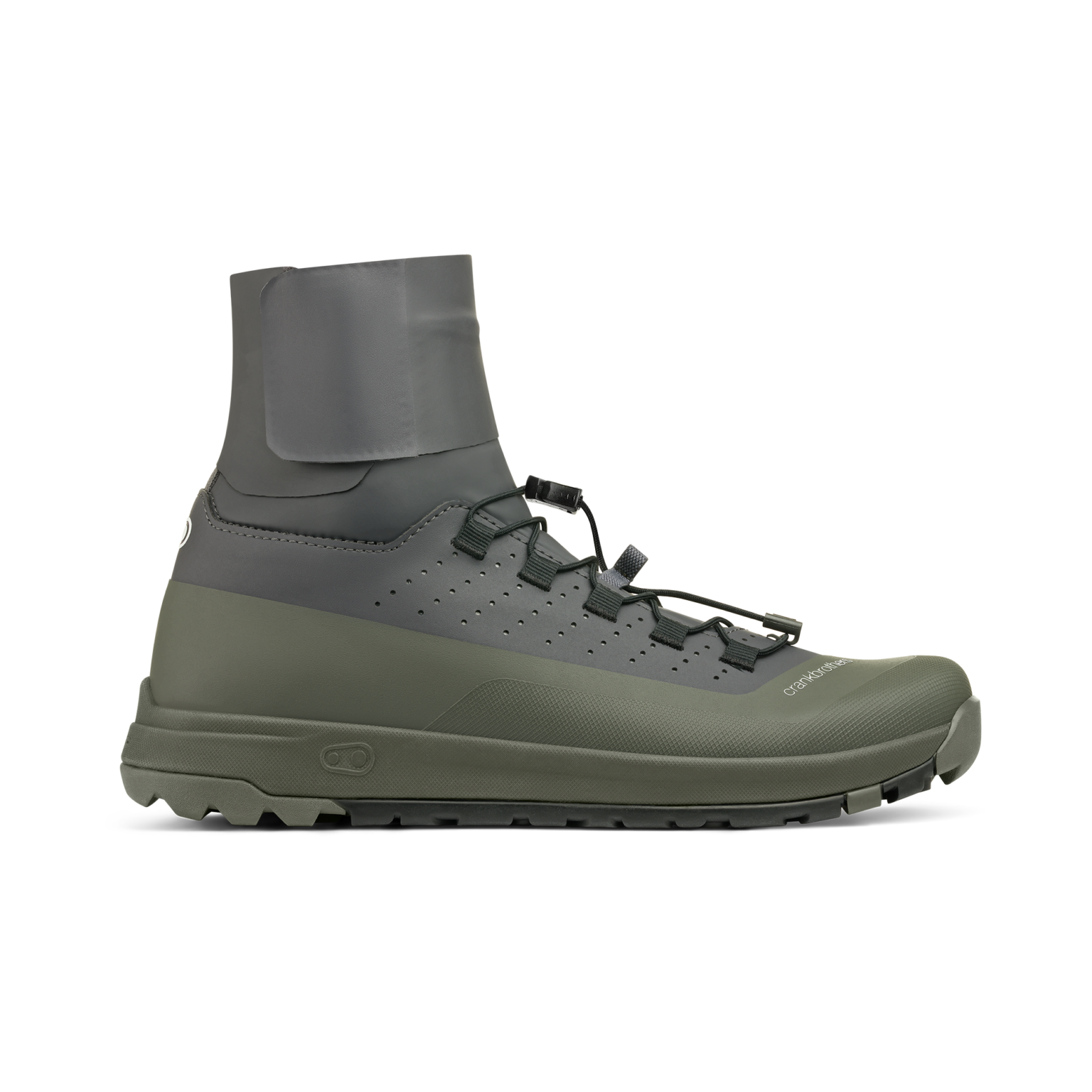
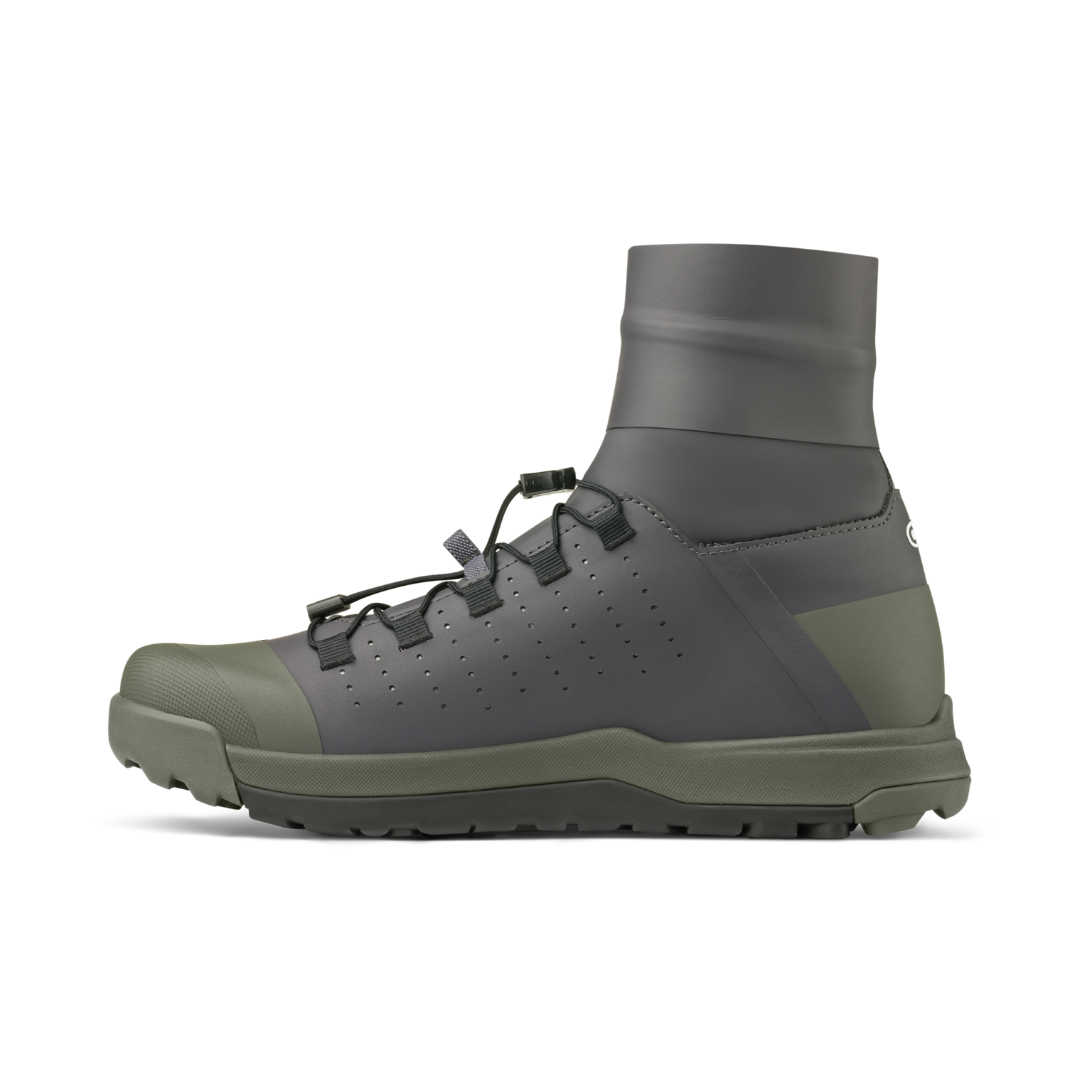
The official design combines a waterproof membrane with an adjustable closure around the ankle. It comes in Stamp for flat pedals and Mallet for clipless pedals. The presentation of the range explains this shared construction; the important differences are underfoot. These are not two names for interchangeable shoes: buying the wrong version means buying a different pedal interface from the one your bike needs.
Their appeal lies in conditions common in Spain: damp mornings, puddled tracks and sections where you have to push. You do not need to turn every ride into a winter expedition to appreciate the footwear. Nor does it make sense to pay for a specialised solution if you rarely ride in bad weather. That difference in use should guide the purchase.
Stamp versus Mallet: the details that shape your choice
| Official Data | Stamp Trail Seal | Mallet Trail Seal |
|---|---|---|
| Intended pedal type | Flat pedal, no cleat | Two-bolt clipless |
| Price checked in the European store | €209.99 | €229.99 |
| Declared weight, EU 42 | 371 g per shoe | 492 g per shoe |
| Sole rubber | HYDRO | MC1 in the centre; HYDRO at the toe and heel |
| Cleat | Not used | Not included |
These figures come from the product pages for Stamp and Mallet, checked on 14 October 2026. The prices shown include taxes; they do not constitute a guaranteed offer in every Spanish shop. The weight is for one shoe in the stated size, not the pair or all sizes.
The stated difference is 121 grams per foot. That does not prove Stamp is better or Mallet is excessive: it reflects different construction and pedal interfaces. For a sensible purchase, compatibility comes before those grams. A lightweight shoe that does not work with your pedal is a poor buy; a heavier one suited to your riding may be perfectly reasonable.
Advertisement / sponsored link
Stamp: assessing the shoe and flat pedal together
With flat pedals, the sole directly helps keep your foot in place. Tread pattern, rubber, pins and foot position work together. The Stamp Seal uses HYDRO rubber and a contact area with no cleat recess. The brand positions it for wet conditions; it does not provide an independent rating here that would allow comparison with every alternative on the market.
So the buying message should not be 'this rubber never slips'. What matters is checking your actual combination. Does the platform support your forefoot properly? Are all the pins present? Can you reposition your foot without an unexpected sensation? Does your heel stay secure when walking? If your current pedal is worn, new shoes will not solve that separate problem.
It is also worth distinguishing comfort from a lack of support. A shoe can feel pleasant to walk in without providing the feel you want on descents; another may feel firm standing still but become uncomfortable by the end of a ride. Try them with your usual socks and check both situations. Riding an eMTB does not require abandoning flat pedals: it requires a choice consistent with your technique and routes.
Mallet: compatibility, cleats and the cost often overlooked
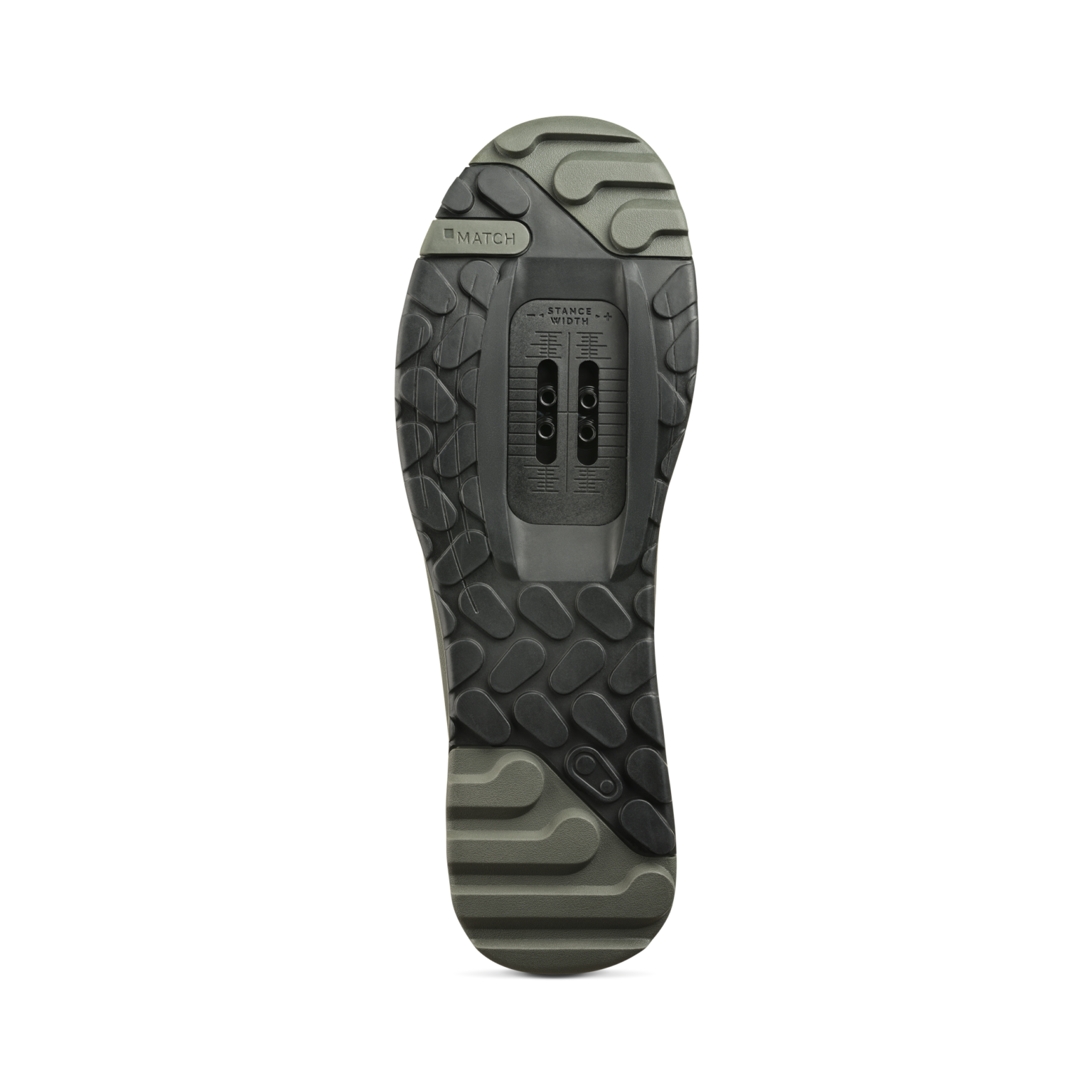
The Mallet Seal is designed for Crankbrothers clipless systems and compatible SPD-type systems with a two-bolt fixing. That does not mean every cleat, pedal and spacer can be combined without checks. The specific pedal interface, available clearance and correct installation remain decisive.
There is one detail that deserves to be highlighted before paying: this Seal version does not include cleats. Do not assume the box contents match those of another Mallet shoe. When comparing total costs, add the appropriate cleats if you do not have usable ones, and allow for installation. An apparently small price difference may change once one option is genuinely ready to use and the other needs additional parts.
The advertised adjustment track offers 35 mm, but that range does not define a universal position for everyone. Do not blindly copy an extreme position found online. Check support, the movement needed to release your foot and freedom from interference, following the pedal manufacturer's instructions. If you change systems or experience discomfort, seek qualified help with the setup.
The first check should not take place on a technical descent. Before riding, verify operation in a controlled situation. A compatibility label on the product page does not replace checking that you can clip in and release your foot predictably with the actual equipment installed.
Advertisement / sponsored link
Waterproof does not mean water cannot get in
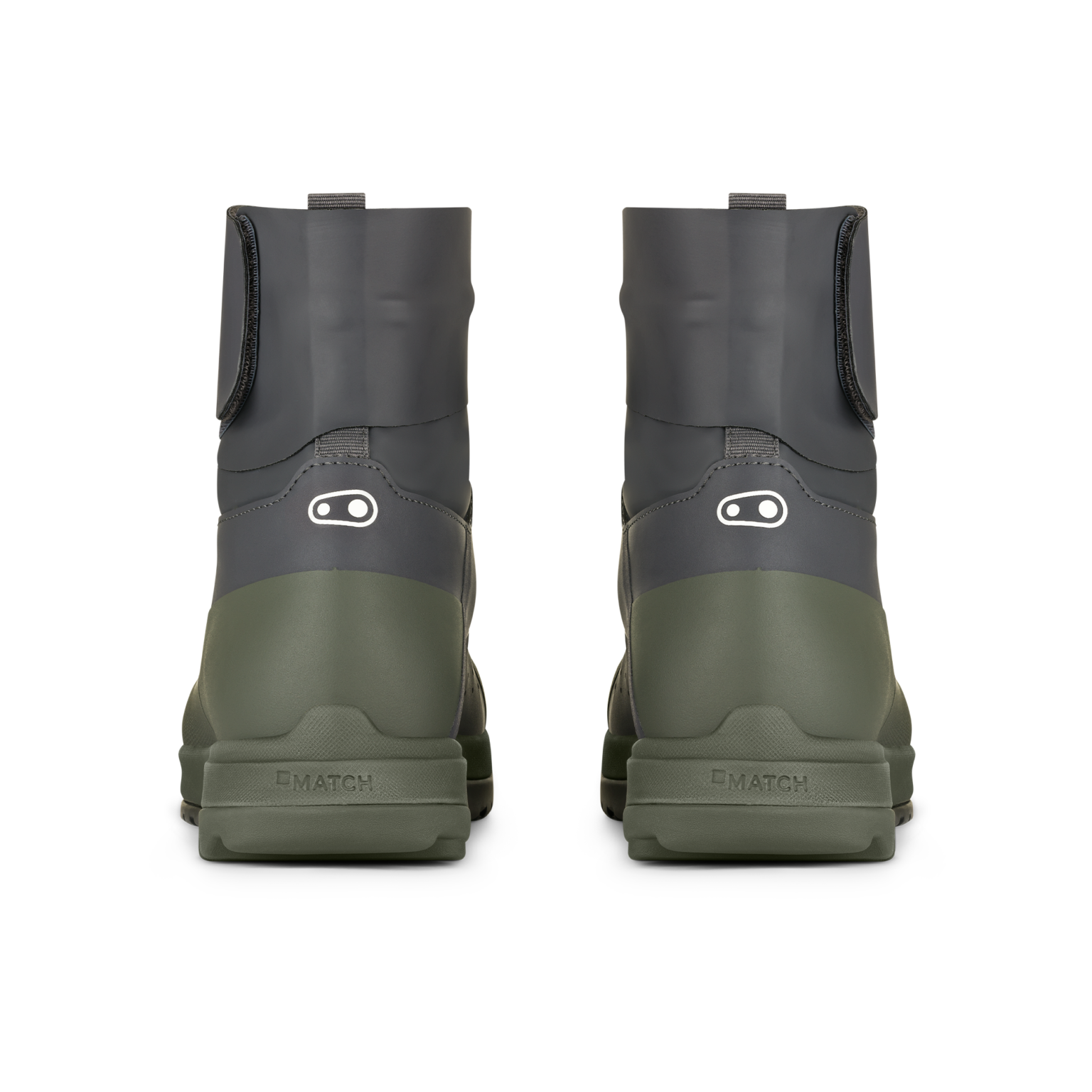
The range has two distinct barriers: protection around the shoe body and the opening at the top. A membrane can work correctly while water still enters from above if the combination leaves a gap. The ankle closure aims to reduce that entry route; its presence does not justify promising dry feet through every puddle, length of exposure or trouser arrangement.
When trying the shoes, check how the closure sits with the clothing you will actually wear. Make sure it fits without uncomfortably squeezing your leg and that the trouser hem works sensibly with it. In the shop you can identify a poor fit; you cannot reproduce every condition of a long ride.
Another limitation is moisture generated inside. To interpret any future test, you would need to know the temperature, effort, socks and duration, as well as the rainfall. A marketing description of breathability is not a measurement. We do not specify a minimum operating temperature or maximum duration of water exposure here because the sources consulted do not provide verifiable limits.
Advertisement / sponsored link
The useful question is specific: 'Which recurring problem on my rides am I trying to solve?' If water usually gets in through a very open collar, this construction deserves attention. If your main problem is tight sizing or your foot moving on the pedal, the waterproof label does not answer that question.
Sizing and Speed Lace: what you can check yourself
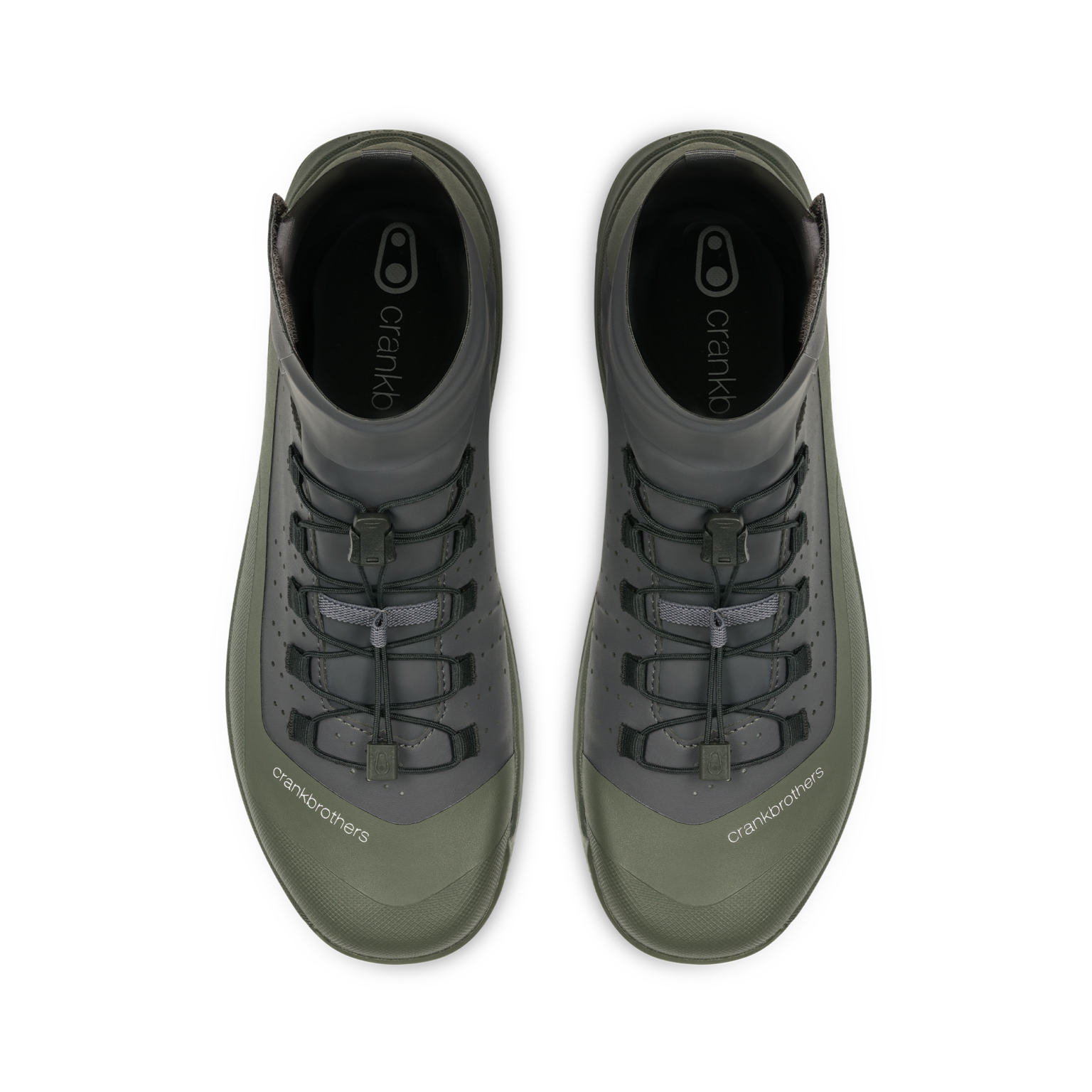
The Speed Lace system uses a pull tab to tighten the laces. Its intended practical advantage is simpler fastening; when buying, check that you can operate it and secure the excess so it cannot hang loose near the drivetrain. Also assess how easy the upper closure makes the shoe to put on and take off, not just how quickly you can tighten the lace.
Do not automatically size up to 'fit thick socks'. First try the socks you will actually wear. Look for enough toe room, a stable heel and no uncomfortable pressure. Upper-collar fit and foot fit should not be confused: tightening the ankle more does not necessarily correct the wrong size.
Follow a short, repeatable sequence: put on both shoes, adjust them, walk, flex your ankles and simulate your position on the pedals. Then check whether the fit has changed. There is no need to overdo the test or force the footwear; the aim is to spot obvious incompatibilities before outdoor use. When buying online, confirm the return terms before taking the shoes into the mud.
Walking, pushing and pedalling again: more than foot retention
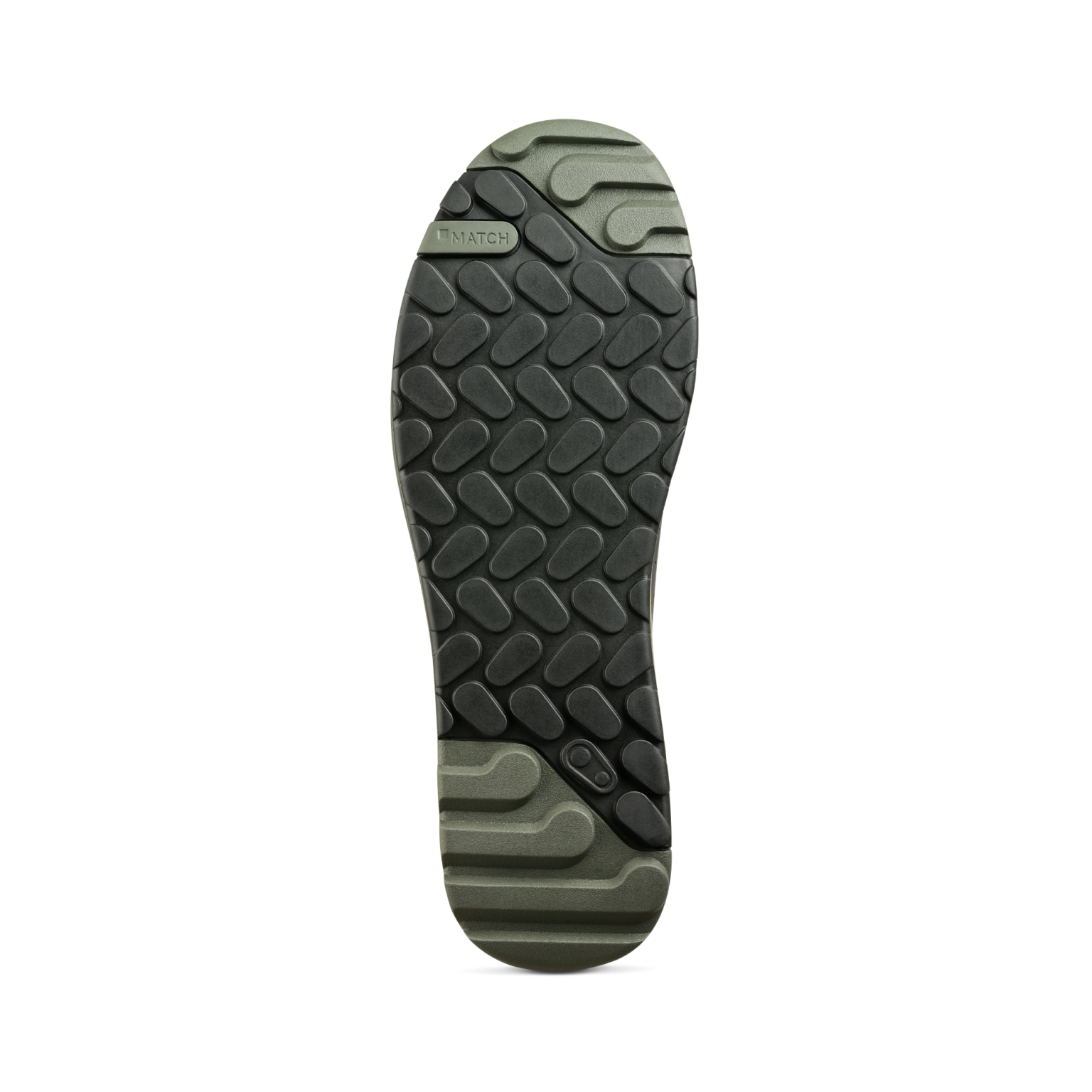
Mallet's documentation distinguishes the central sole area from the toe and heel. The stated aim is to balance interaction with the clipless mechanism and support when walking. That is a reasonable solution on paper, but it does not by itself demonstrate grip on wet rock, roots or a muddy slope.
For an eMTB rider, walking sections deserve a place in the buying decision. They may be only a few metres, but you also have a heavy bike with you. If your regular rides involve carrying or pushing, do not judge only the feeling while seated on the saddle. Ankle freedom and how the heel behaves when walking also count.
The range incorporates a reinforced toe and reflective details. These are construction features, not grounds to treat it as certified protective equipment or a replacement for lights. Reinforcement against everyday knocks must not become a guarantee against every impact. Likewise, reflective material needs external light to be useful and does not, by itself, make a bike visible in every situation.
What to check before spending more than 200 euros
At this price, both versions merit careful checks before buying. The strongest argument in their favour is not that they are new: it is that your regular riding matches the problem they aim to solve. For someone who rides almost always in dry conditions, keeping well-fitting shoes may be a better decision than buying new rain-specific footwear.
- Correct system: flat or clipless before comparing colours and grams.
- Full budget: include cleats and installation where applicable, not just the price on the box.
- Fit check: both feet and your usual socks; do not rely solely on the size you wear in another brand.
- Actual use: note how many wet-weather rides you do and how much walking they involve.
- Conditions of purchase: check size availability, returns and seller support.
When comparing brands, require the same pedal type and a similar intended use. A ventilated summer shoe may cost less because it solves a different problem, not because the difference automatically makes it a bargain. Also distinguish official price, retailer price and temporary promotion: we do not advertise a discount here or guarantee stock throughout Spain.
After the ride: cleaning and drying without guesswork
Before buying, check how the brand recommends cleaning and drying the model. Do not assume a product used on the frame is also suitable for a shoe's membrane or outer material. Follow the specific instructions and do not invent treatments, detergents or drying temperatures unsupported by the documentation.
For clipless pedals, include the cleat area in your routine checks: component condition and installation in line with its instructions. With flat pedals, also check wear on the pedal and contact area. Inspecting the whole combination makes more sense than attributing every change in feel to the newly purchased shoes.
If you ride several days in a row, plan where you will store and dry your kit. A specialised purchase only improves your routine if you can maintain it properly. The manufacturer's claim of low-absorption materials does not guarantee they will be dry the next day regardless of ambient humidity. That would also need documenting in a long-term test.
Frequently Asked Questions and Conclusion
Can I use Stamp with clipless pedals?
This is not the version designed for cleats. The range offers Mallet for that purpose. Always check the exact system before buying.
Does Mallet Seal come with cleats installed?
No. This model's product page states that cleats are not included. Choose the right ones for your pedals and install them according to their instructions.
Are they exclusive to electric bicycles?
No. They are MTB shoes that can be used on an eMTB if they suit the pedals and intended use. The motor does not change the cleat's mechanical interface.
Has eMTB PRO tested them in the rain yet?
No. This article analyzes official information. We do not publish our own results of grip, waterproofness or durability that we have not measured.
The Seal family is interesting because it focuses on kit often appreciated only after finishing a ride with wet feet. The word waterproof alone does not justify buying it. A good decision connects three things: your pedal system, the fit on your feet and the conditions you regularly encounter throughout the year. With those clear, Stamp and Mallet stop looking like two similar names and become two different solutions.
Advertisement / sponsored link
Sources and documentation
Information checked on 14/10/2026. Original article based on official documentation, not our own ride test. Equipment and availability may vary by market.
Have you used this bike, motor or component?
Join eRIDERSeMTB on Telegram to discuss real experiences with other riders: Bosch, Avinox, Shimano, deals, faults and buying decisions. The community currently speaks Spanish.
Join TelegramAdvertisement / sponsored link
Advertisement / sponsored link
Advertisement / sponsored link