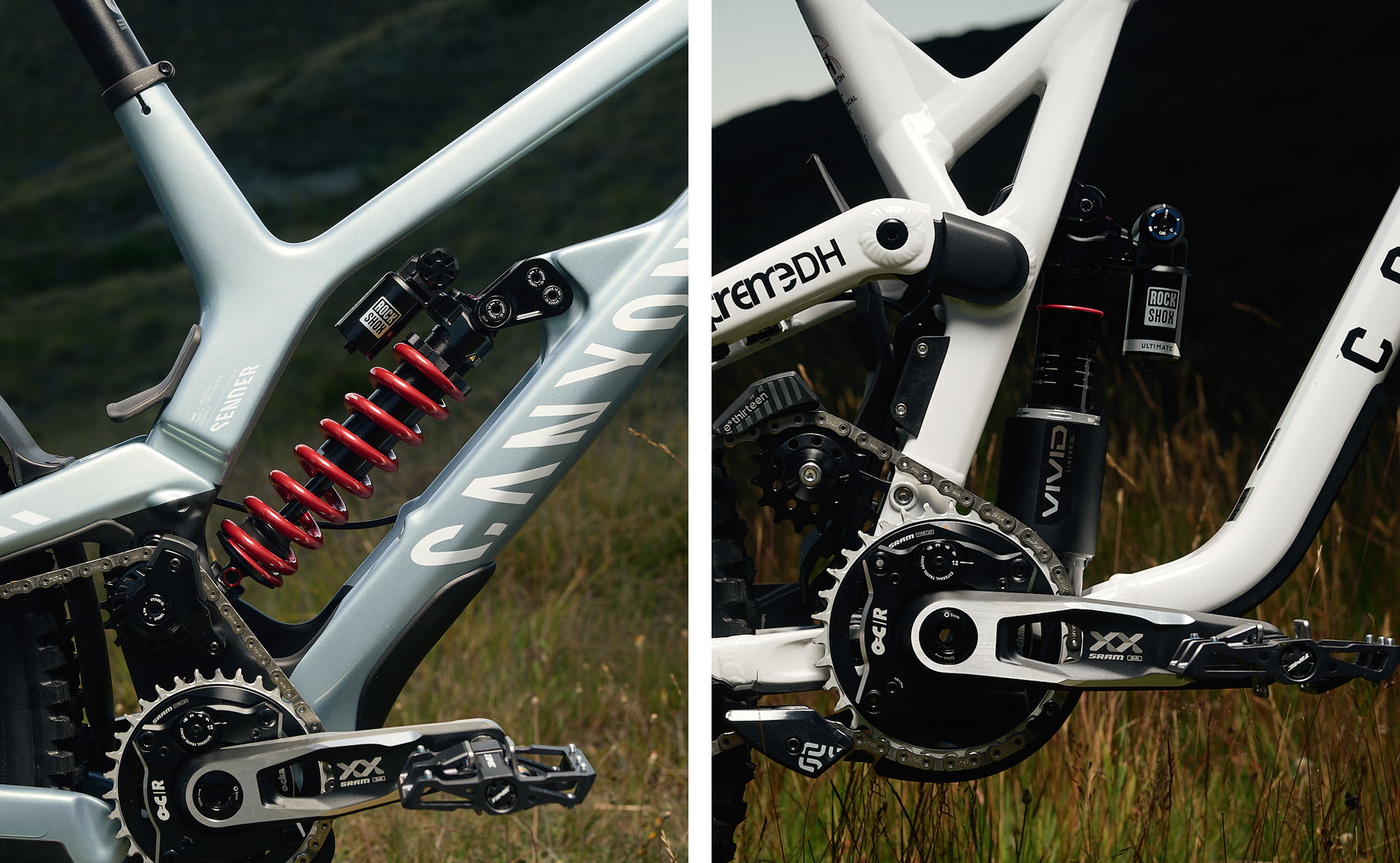
RockShox Vivid D1 for eMTB: air or coil and what to check before buying
Technical guide · eMTB PRO
Vivid Ultimate and Vivid Coil D1: what changes, how to choose air or coil and what to check on your eMTB before buying a new shock.
Advertisement / sponsored link
First, the generation: Vivid D1 is not just any Vivid
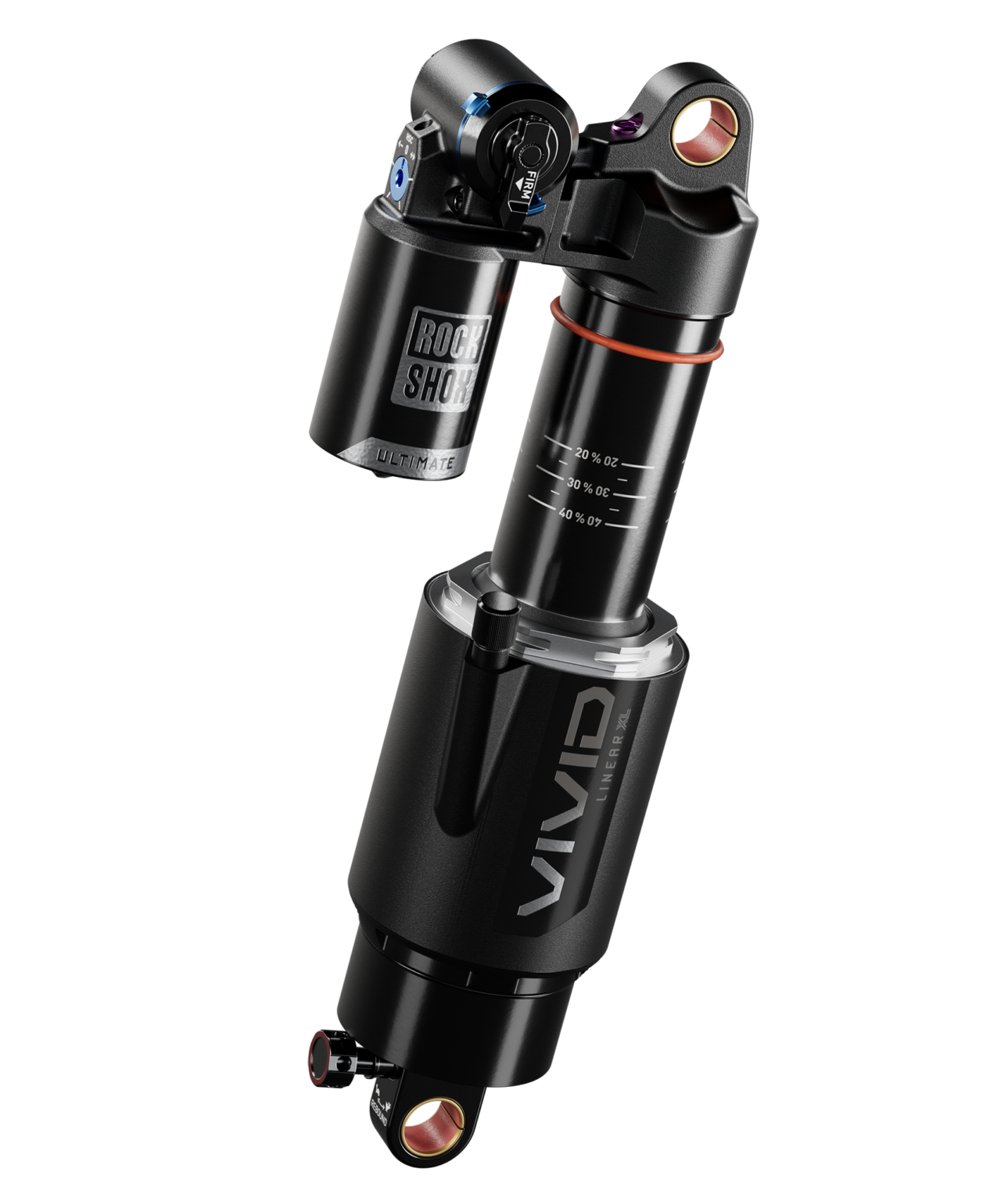
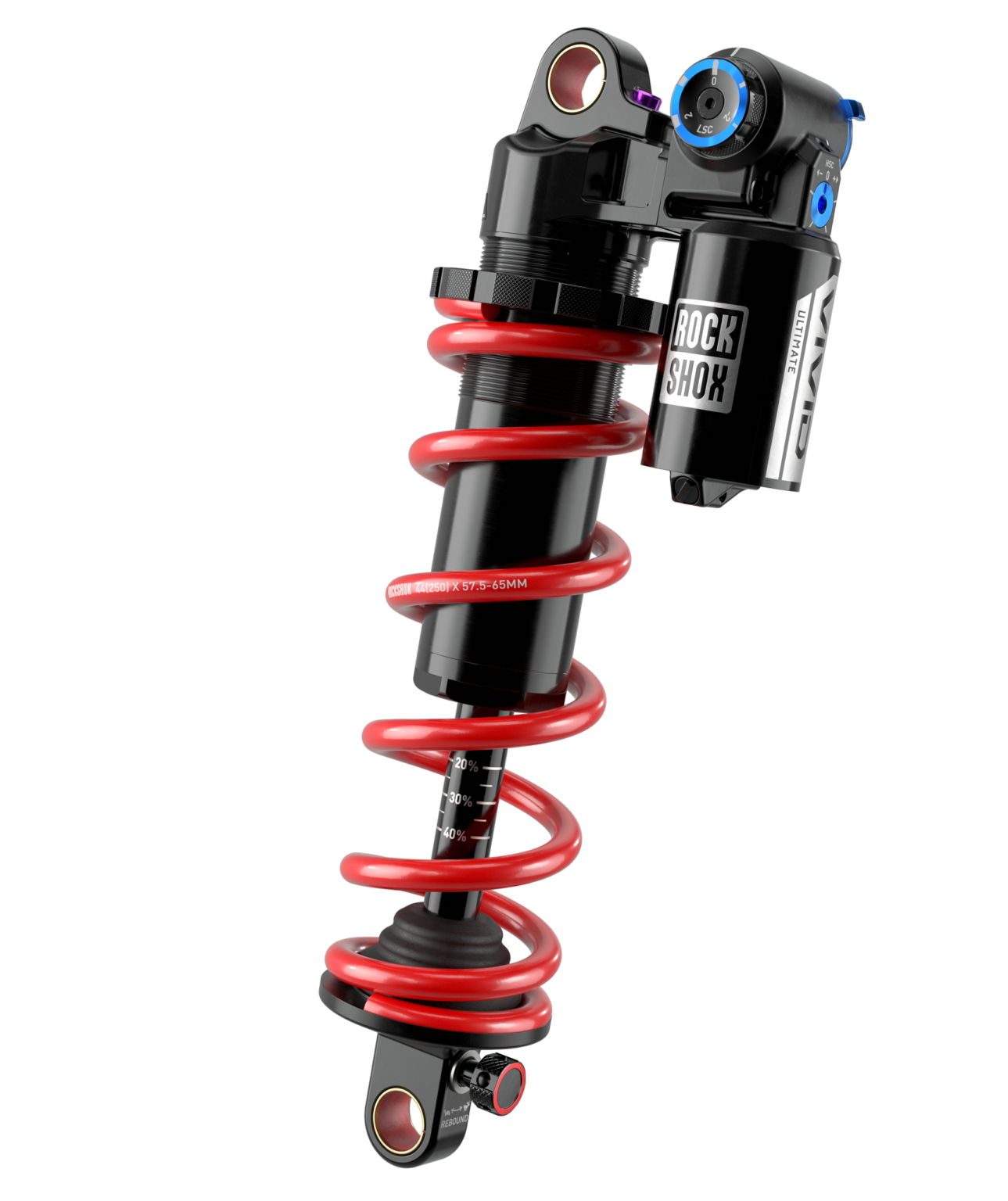
The name Vivid already appears on many bicycles and shops. Therefore, before discussing whether it is worthwhile, generations should be separated. This guide deals with Vivid Ultimate air shock RS-VIVD-ULT-D1 and the Vivid Coil Ultimate RS-VIVC-ULT-D1. RockShox identifies this family in its documentation as MY27 or 2027+. It is a product name, not the claim that it was presented today.
For the air-sprung D1, the manufacturer documents changes to the reservoir, main piston and LinearXL air chamber. The specific LinearXL explanation describes revised air passages between its sleeves. Do not automatically apply a fork's technologies because it shares a product name. Sources: D1 changes and LinearXL air chamber.
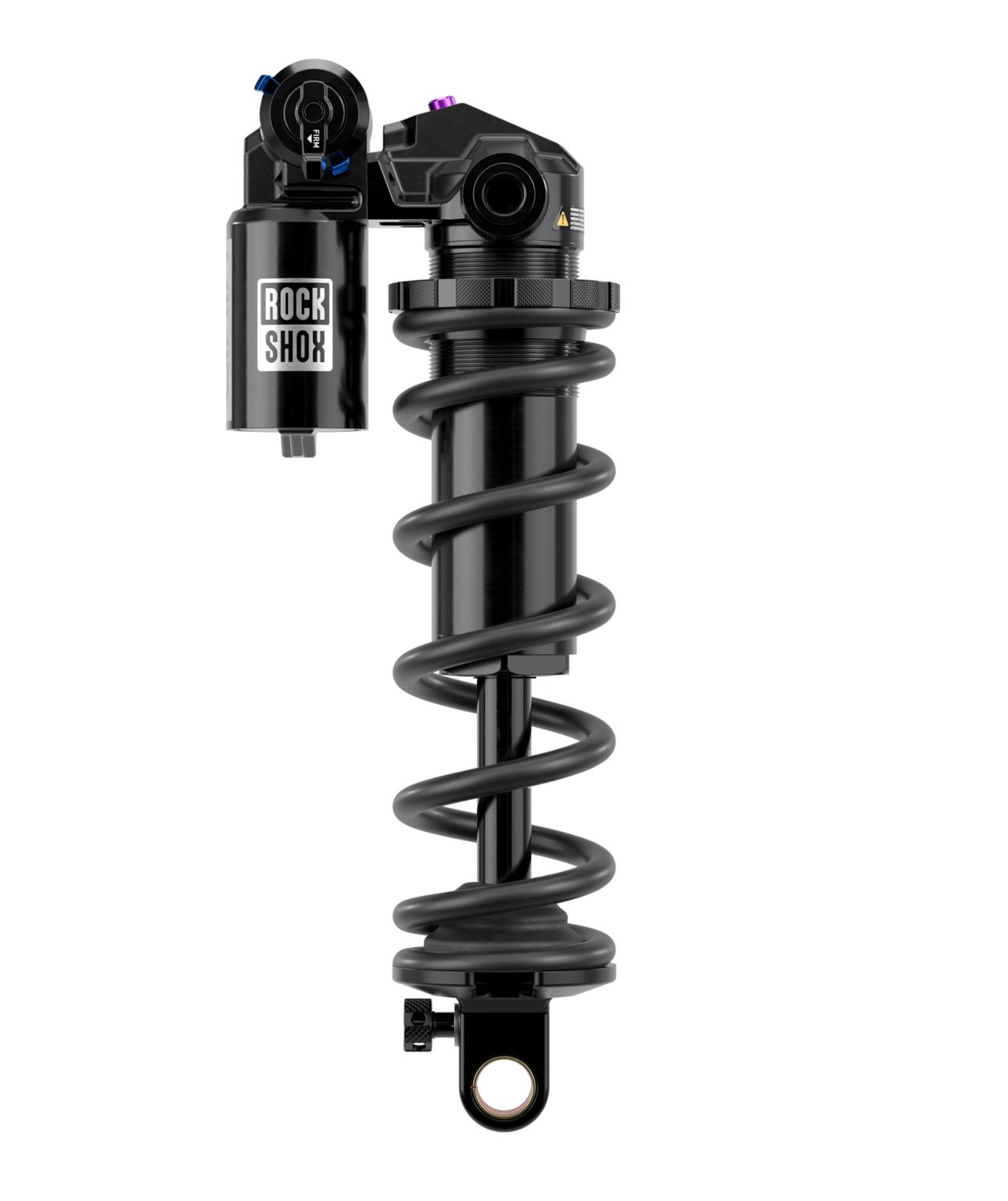
Our approach: help you decide if the upgrade fits your eMTB and your use. We have not done a timed comparison here nor a hands-on test of the rear shock. The images are official; the purchase recommendations are editorial criteria. Nor does an Ultimate label show, on its own, an improvement over a well maintained suspension.
Advertisement / sponsored link
Do you need a new shock or to repair your current one?
The useful question is not 'which is best?' but 'what problem am I trying to solve?' Note whether you lose support in corners, feel harsh impacts, use too much travel on small obstacles or finish descents with a different response. Describe where it happens and with what load, pressure and settings. A specific problem lets you assess an improvement; a vague feeling invites an impulse purchase.
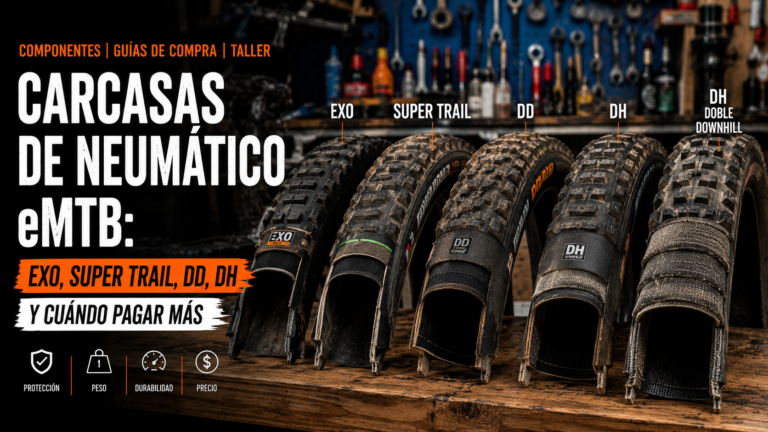
Before replacing anything, have the workshop check the shock's condition, mounts and frame pivots. Check tires too. It is unreasonable to blame every loss of grip on damping if you have changed to a much stiffer casing or different pressure. Our eMTB tire guide helps order that part of the diagnosis.
For tracks and gentle trails, spending on gravity-oriented suspension may not be a priority. For demanding enduro, the choice deserves closer study but still depends on frame and setup. Reserve budget for installation and setup: buying a higher-end component and leaving it poorly configured does not solve the original problem.
Air or coil: choose for your riding, not for looks
Air lets you adapt to load through pressure; a coil requires an appropriate spring rate. That difference matters when you vary luggage, significantly change fully kitted weight or seek a specific setup. It does not establish a universal winner: frame kinematics and damping still shape the result.
| Your situation | What to consider first | What not to assume |
|---|---|---|
| Varied routes and changing loads | Ease of air readjustment | That a single pressure serves everything |
| Regular enduro and clear preferences | Air and coil, with frame approval | That the spring guarantees more grip |
| You're looking for a simple purchase | Full cost and workshop support | That every size includes the same items |
| You do not know your current setup | Diagnosis and setup before buying | That more adjusters fix every problem |
For a coil setup, request the spring rate, compatible length and permitted preload range in writing. Preload must not become a way to compensate for a blindly chosen spring. If buying online, clarify whether the price includes the spring you need or only the shock.
If undecided between the two, we recommend prioritising the setup your bike brand and workshop can configure and maintain properly. Trying a comparable bike provides more value than debating impressions from riders with different weights, routes and frames.
Five compatibility checks you can't skip
A product page stating E-bike Approved does not certify installation on every eMTB. The product pages for Vivid Ultimate D1 and Vivid Coil Ultimate D1 offer multiple sizes and mounts. They are not a list of compatible bikes.
- Model and year of the frame. Also provide size and configuration, because the range name alone is not enough.
- Eye-to-eye length and stroke. Copy the complete approved dimensions. Do not confuse shock stroke with wheel travel.
- Mounts and hardware. Trunnion and conventional eyelets are not equivalent. Check diameters, widths and orientation.
- Clearance throughout the travel. Check the reservoir, air can or spring, frame and linkages, not just whether the bolt fits with the suspension fully extended.
- Approval and internal tune. Confirm the installation and recommended tune with the bike brand or a competent service provider.
Do not increase stroke to gain travel without the frame manufacturer's express approval. Nor should you infer compatibility because someone fitted it to another size. Have the workshop check clearances and installation: this guide does not replace the manufacturer's fitting procedure or torque specifications.
Advertisement / sponsored link
Yoke, tune and C1: details that affect the purchase
There is a specific development for frames that actuate the shock through an extension or yoke: RockShox approves the new shaft of the Vivid Coil D1 for those designs and says it no longer requires the replacement steel shaft. This confirmation applies to the D1; do not extrapolate it to every older Vivid. Source: Yoke compatibility.
This does not remove the frame verification from the previous section. Our criterion is to separate two questions: whether the rear shock supports that type of drive and whether that particular unit fits and is authorized on your bike. An affirmative answer to the first does not resolve the second.
The tune is the internal configuration, not the position of an external adjuster. When replacing a Vivid Coil C1 with a D1, RockShox says to retain the corresponding tune, giving R55 to R55 as an example. Do not turn that example into a universal R55 recommendation for every eMTB. Source: choosing the tune when upgrading.
Request the full part number from the seller, not just a photograph of the box. An offer with the correct length but an unknown tune needs technical advice before payment. If the listing does not distinguish generation, mount or configuration, ask for those details rather than assuming 'Ultimate' explains everything.
Advertisement / sponsored link
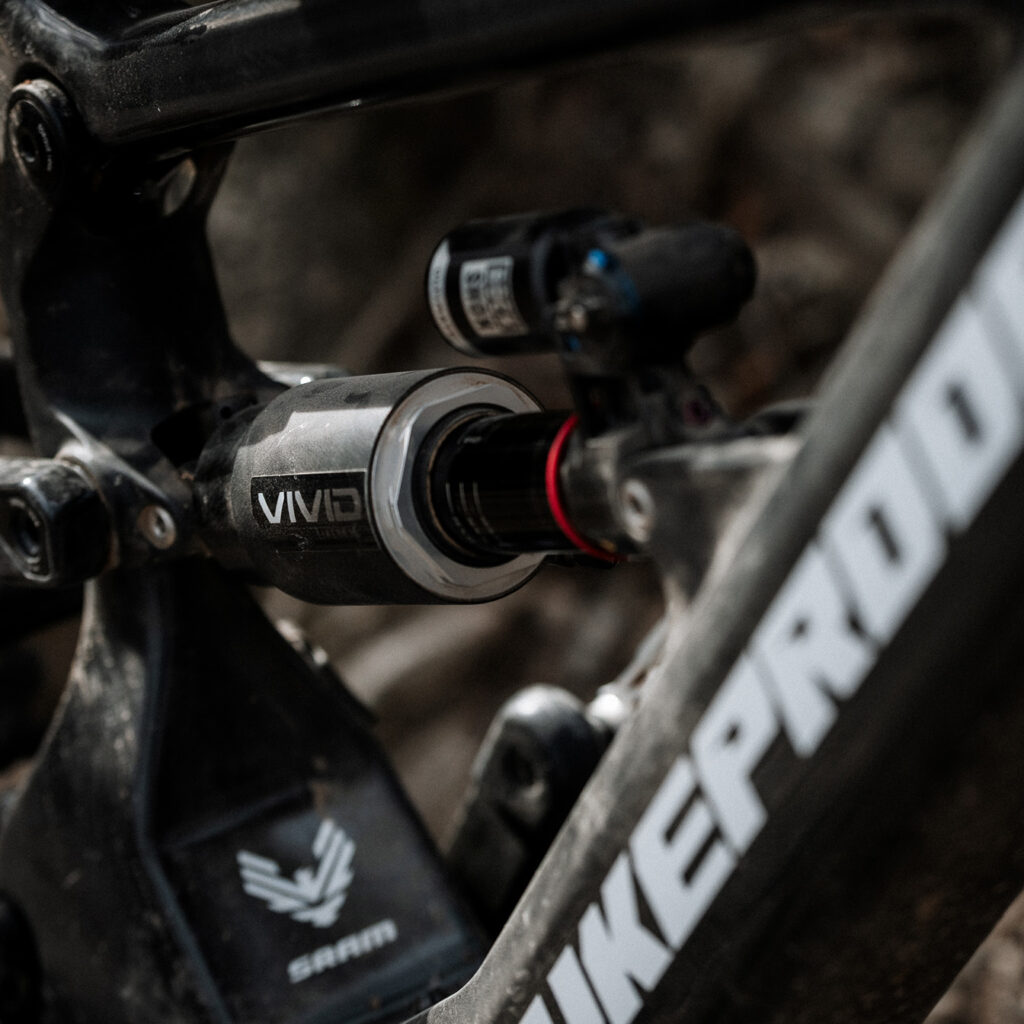
RC2T and ABO: what each adjustment addresses
The Ultimate D1 versions list RC2T damping, high- and low-speed compression adjustment and twenty rebound clicks. The adjusters let you tailor operation; they do not replace choosing the correct spring or initial pressure. Source: equipment of the Vivid Coil Ultimate D1.
High and low speed refer to shock movement, not the bike's kilometres per hour. Adjusting high-speed compression simply because you will descend faster therefore makes no sense. Work from the manufacturer's starting settings and an identifiable symptom, rather than turning every dial at once.
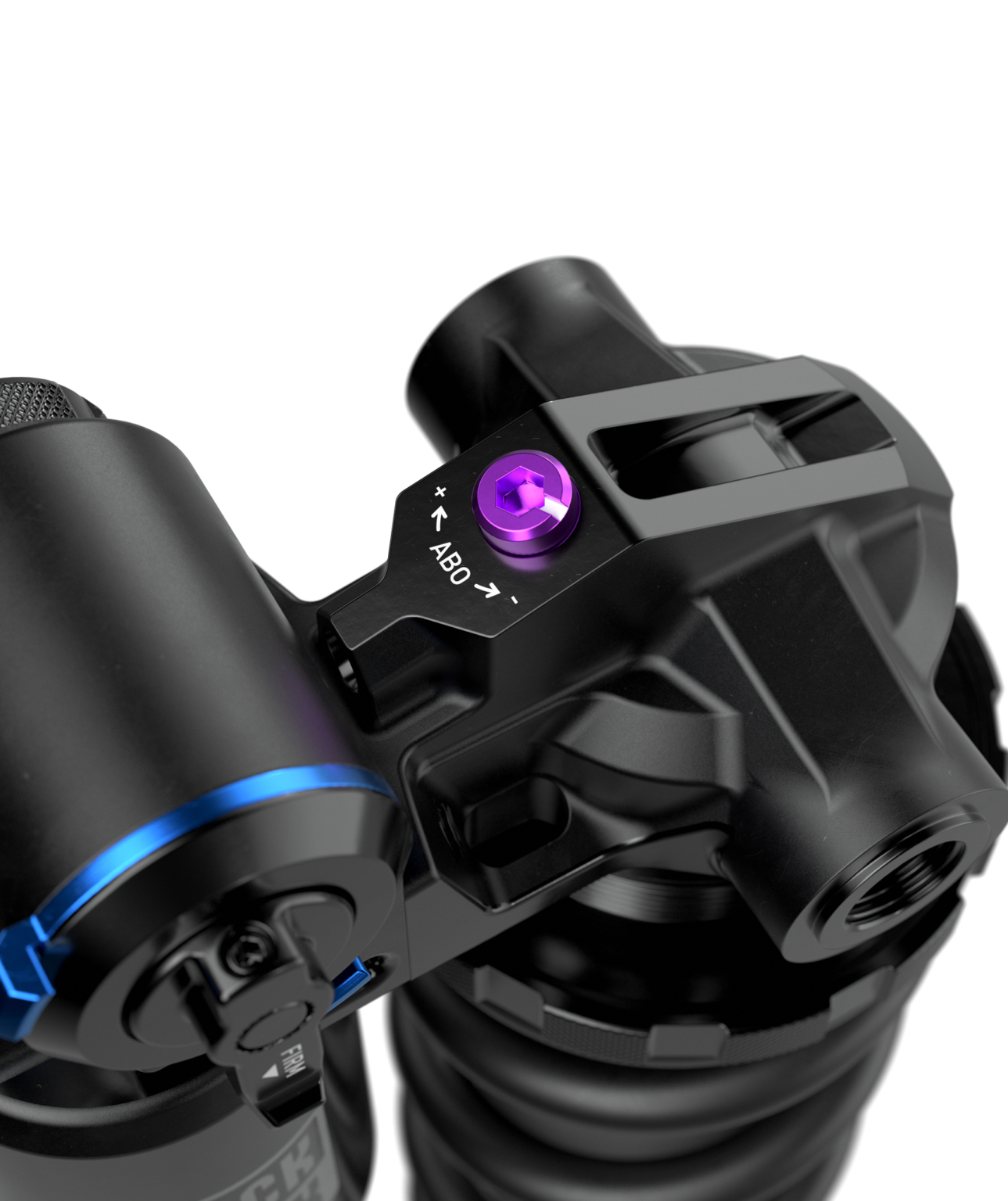
ABO is hydraulic bottom-out control. RockShox describes five positions, acting over the final 20% of shock stroke. It does not add suspension travel. The official explanation is in Hydraulic Bottom Out.
For setup, first ensure the bike is properly supported, then fine-tune end-stroke behaviour. Closing ABO to hide excessive sag is not a complete setup. Likewise, occasionally reaching full stroke does not alone prove a fault: how it happens and what the manufacturer recommends for that use matter.
A methodical setup to keep you on track
Start by identifying the unit by its serial number and consult its service documentation. Follow your frame's instructions for starting settings and sag. We do not publish a universal pressure or mandatory sag percentage: that would require knowing the bike, stroke, fully kitted weight and exact configuration.
Record pressure or the fitted spring, external settings and carried load. Keep tires and luggage constant during comparisons. If you change shock, tire and pressure on the same day, it will be hard to identify the source of the difference. For a refresher, see our SAG, rebound and compression guide.
Make the first check on a familiar, easy section without pushing your limits. Change one setting at a time within the approved range, record the result and keep the option of returning to the starting point. Remembered impressions are less reliable when fatigue, speed or terrain also change between descents.
If leaks, play, rubbing or abnormal behaviour appear, stop testing and consult the workshop. Do not open the hydraulic circuit to 'try an adjustment': internal servicing requires specific procedures, tools and knowledge. The aim is to understand suspension, not turn a buying guide into an improvised repair manual.
Flight Attendant: a possible conversion, not a blind purchase
RockShox provides for converting mechanical Vivid Air D1 and Vivid Coil D1 shocks to Flight Attendant using specific kits. Its FAQ clarifies that complete Vivid Flight Attendant versions are not offered as standalone aftermarket units at the time checked. Do not confuse an authorised upgrade with adding any electronic reservoir to a similar shock.
Before buying, the brand recommends its 3D-printable dimensional checking tool to verify clearance throughout the travel. Source: official conversion and clearance check. Ask the workshop to also evaluate the requirements of the complete system: that there is a kit does not show that your bike already has all the necessary elements.
We recommend deciding first whether mechanical suspension meets your needs. If considering electronics, request a fixed quote covering compatibility, components, labour and setup. Paying for a future conversion makes no sense without confirming it fits. This guide's photographs show mechanical shocks, not a Flight Attendant test.
The real cost and the option of keeping your Vivid
Compare complete quotes: exact shock, spring if applicable, hardware, possible adapters, installation and initial setup. Check warranty, return and servicing terms in Spain. We do not give a final installed price because it varies with the bike and components you already have.
If you already use a Coil C1, be careful about upgrading only the reservoir. RockShox warns that the D1 reservoir may physically fit, but does not recommend combining it with the C1, even with a revised tune, because of overall operation. Source: D1 reservoir and the previous generation. That two pieces can be threaded does not make them an approved update.
For a satisfied owner, maintaining and servicing the current suspension may be the wisest choice. For someone with a defined problem and confirmed compatibility, the D1 is an option to consider. Before accepting an offer, record what is included and who is responsible if the installed setup differs from the quote.
Quick Questions Before Buying
Does it work for my eMTB even if it has Bosch, Avinox or Shimano?
The motor brand does not decide shock compatibility. Frame, mounts, dimensions, clearances and the approved configuration matter. Two bikes with the same motor may need different shocks.
Is a coil shock always better for a heavy bike?
No. Weight alone does not determine the choice. Spring, kinematics and damping must work together. A correct air setup is preferable to an incompatible or poorly chosen coil.
Does a listing marked 2027 guarantee it is D1?
Don't just use the year of the ad. Check the product code and the unit identification. If that data is missing, ask them for a verifiable reference before paying.
Advertisement / sponsored link
What would eMTB PRO send to the store?
Bike model, year and size; current shock part number and dimensions; mount photographs; fully kitted weight; usual riding and the problem I want to solve. I would request confirmed compatibility and a complete quote, not just the component price.
Conclusion: the best Vivid for your eMTB is the one that corresponds to your frame and is well adjusted. Choosing air or spring comes after checking the installation, not before. And if you still can't explain what limits your current suspension, start by reviewing it: it's the most useful way to decide where to spend.
Sources and documentation
Information checked on 02/10/2026. Editorial guide based on official documentation, not our own ride test. Equipment and availability may vary by market.
- RockShox: Vivid Ultimate D1, product sheet
- RockShox: Vivid Coil Ultimate D1, product sheet
- RockShox: 2027+ D1 generation changes
- RockShox: Vivid LinearXL air chamber
- RockShox: Vivid Coil D1 and frames with yoke
- RockShox: selection of C1 to D1 tune
- RockShox: hydraulic bottom-out control
- RockShox: conversion to Flight Attendant
- RockShox: D1 reservoir compatibility
- RockShox: service, identification and manuals Vivid D1
Have you used this bike, motor or component?
Join eRIDERSeMTB on Telegram to discuss real experiences with other riders: Bosch, Avinox, Shimano, deals, faults and buying decisions. The community currently speaks Spanish.
Join TelegramAdvertisement / sponsored link
Advertisement / sponsored link
Advertisement / sponsored link