eMTB brakes: why electric bikes are hard on pads and rotors
eMTB brakes: why electric bikes are hard on pads and rotors
eMTB brakes work hard. Incorrect pads, rotors or bedding-in can cause noise, fade and avoidable surprises.
Advertisement / sponsored link
Advertisement / sponsored link
The idea in a sentence
On an eMTB, brakes are not an accessory. They decide whether you descend with enjoyment or with your fingers crossed.
Before you reach for your card
Ask yourself a simple question: will this improve my ride, or just the spec sheet? If you cannot answer, do a little more research.
The eMTB weighs more
Physics is unforgiving. More weight and higher average speed mean more work for the brakes. Add long descents and late braking, and the pads take a lot of punishment.
The simple way to see it is this: you do not buy an eMTB to admire it in the living room. You buy it to head out for a ride and return feeling that everything works as it should.
The mistake of fitting cheap parts
A cheap pad that glazes over or an undersized rotor can ruin a descent. Skimping on brakes can prove expensive.
It is worth separating wants from needs here. An upgrade that looks great on a spec sheet may not solve the problem you actually have on the bike.
Bedding-in is essential
New brake pads need bedding in. Head straight into a long descent without doing it and you risk contamination, glazing or a serious lack of bite.
Anything affecting safety, range or confidence deserves more attention than a shiny component. That is where many buying decisions go right or wrong.
Organic or metallic
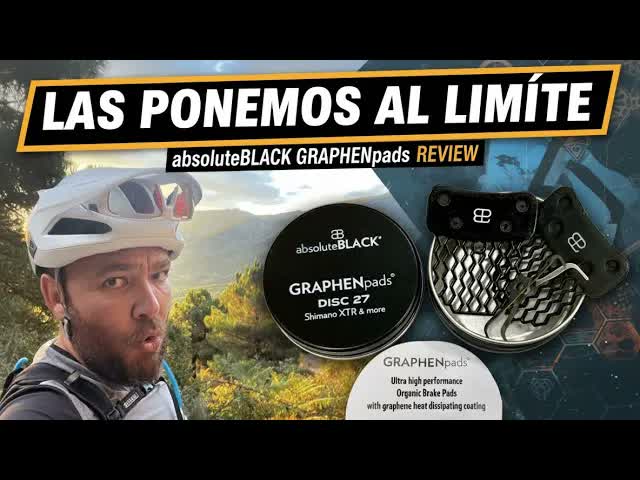
There is no universal answer. For gentle rides, you may prefer organic pads. If you descend hard, are a heavier rider or tackle significant elevation changes, metallic or sintered pads usually make more sense.
If a shop or brand cannot explain this in plain language, that is a bad sign. Customers should not need to be mechanics to enjoy a modern bike.
Rotors and calipers
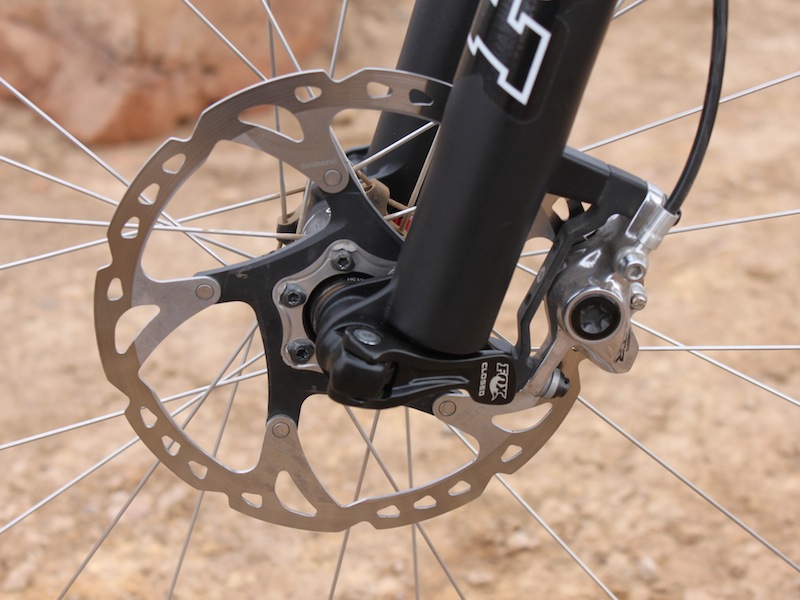
On a proper eMTB, four-piston brakes and large rotors are not for show. They provide thermal headroom and safety. That does not mean fitting just anything without checking compatibility.
The good news is that almost everything can be improved methodically: measure, record, test and adjust. The mistake is buying blindly and then blaming the bike.
Simple maintenance
Cleaning with the right product, keeping grease off the rotors, checking pad thickness and bleeding when needed are worth more than replacing everything blindly.
That is why eMTB PRO will keep pushing this approach: fewer generic promises and more practical value for people who actually pay for, ride and maintain the bike.
eMTB PRO quick-reference table
| Organic brake pad | More initial feel, less heat resistance. |
| Metallic brake pad | Better heat resistance and durability, potentially more noise. |
| Large rotor | More leverage and better heat management. |
Interactive Checklist
Tough questions worth asking
What would you ask before you buy?
I would ask about actual warranty cover, spare parts, battery cost, diagnostics, repair times and who takes responsibility if something fails. If the answers are vague, I would not rush.
What would you look at before blaming the bike?
Tire pressures, sag, rebound, brake pads, drivetrain, firmware and assistance mode. Many poor riding sensations come from a poor setup.
Advertisement / sponsored link
What should a good store do?
Hand over the bike properly set up, explain the system, provide a setup sheet and offer an early service check. That is worth more than a small discount.
eMTB PRO verdict
On an eMTB, brakes are not an accessory. They decide whether you descend with enjoyment or with your fingers crossed.
Share your experience in the eRIDERSeMTB community: motors, shops, warranties, faults and real purchases.
Sources consulted
eMTB PRO's own editorial work: analysis in Spanish, a practical approach and constructive criticism.
Have you used this bike, motor or component?
Join eRIDERSeMTB on Telegram to discuss real experiences with other riders: Bosch, Avinox, Shimano, deals, faults and buying decisions. The community currently speaks Spanish.
Join TelegramAdvertisement / sponsored link
Advertisement / sponsored link
Advertisement / sponsored link
Advertisement / sponsored link