eMTB tires: casing, compound and pressure matter more than an attractive tread pattern
eMTB tires: casing, compound and pressure matter more than an attractive tread pattern
A good tire chosen for the wrong use can hold a bike back. The right tire, at the right pressure, makes more difference than you might think.
Advertisement / sponsored link
Advertisement / sponsored link
The idea in a sentence
Tires provide suspension, grip and safety. On an eMTB, they are not something to choose blindly.
Before you reach for your card
Ask yourself a simple question: will this improve my ride, or just the spec sheet? If you cannot answer, do a little more research.
Do not buy on tread pattern alone
Tread knobs matter, but on an eMTB the casing can matter more. A good-looking tire with weak sidewalls can tear quickly or squirm under cornering loads.
The simple way to see it is this: you do not buy an eMTB to admire it in the living room. You buy it to head out for a ride and return feeling that everything works as it should.
Front and rear tires have different jobs
At the front, you want steering control and confidence. At the rear, you want traction, braking grip and durability. Using the same tire at both ends is not always best.
It is worth separating wants from needs here. An upgrade that looks great on a spec sheet may not solve the problem you actually have on the bike.
Pressure is crucial
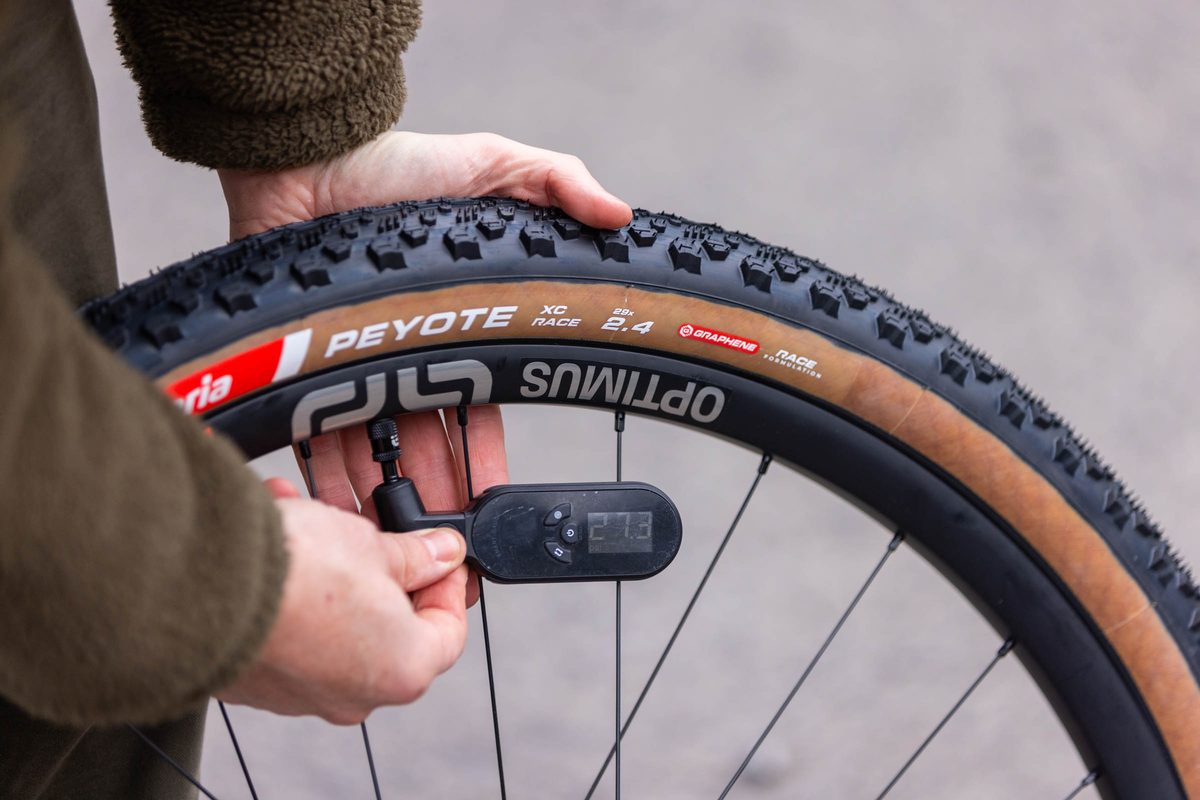
Too much pressure and the bike bounces. Too little and you risk unseating a bead, pinch flats or tire squirm. Start with rider weight, terrain, casing and riding style.
Anything affecting safety, range or confidence deserves more attention than a shiny component. That is where many buying decisions go right or wrong.
Soft compound: benefits and costs
Yes, it grips well. It also wears faster and can reduce range. Perfect for hard descending; worth thinking twice about for long rides.
If a shop or brand cannot explain this in plain language, that is a bad sign. Customers should not need to be mechanics to enjoy a modern bike.
Reinforced casings on eMTBs
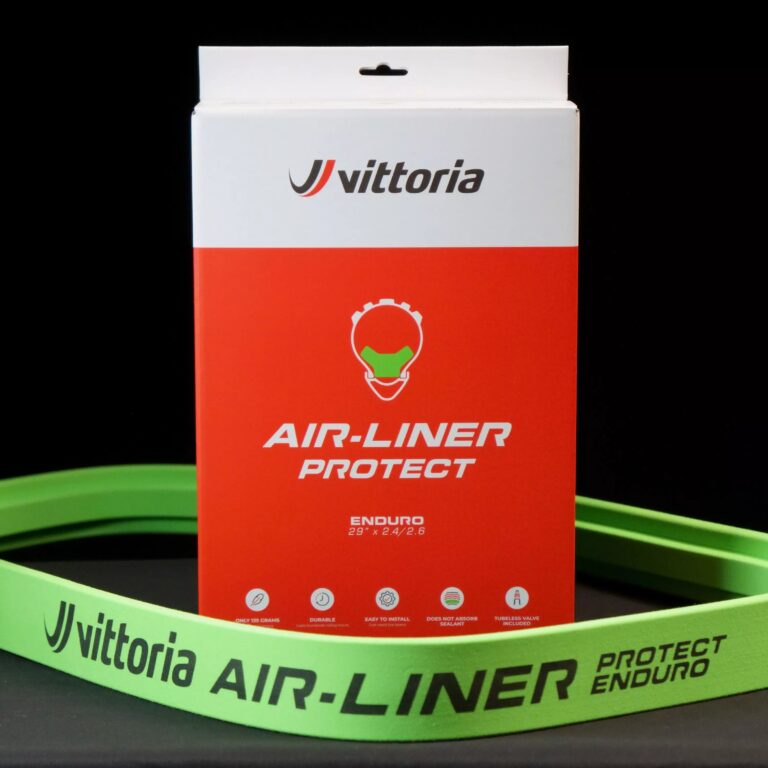
If you ride rocky terrain, are a heavier rider or tackle long descents, an enduro/downhill casing makes sense. It is not just for professionals.
The good news is that almost everything can be improved methodically: measure, record, test and adjust. The mistake is buying blindly and then blaming the bike.
The Home Test
Ride a familiar route and lower or raise the pressure by 0.1 bar at a time. Record how it feels. That is more useful than reading twenty contradictory comments.
That is why eMTB PRO will keep pushing this approach: fewer generic promises and more practical value for people who actually pay for, ride and maintain the bike.
eMTB PRO quick-reference table
| Lightweight casing | Rolls better, offers less protection. |
| Reinforced casing | More weight, more support and fewer punctures. |
| Soft compound | High grip, faster wear and higher energy consumption. |
Interactive Checklist
Tough questions worth asking
What would you ask before you buy?
I would ask about actual warranty cover, spare parts, battery cost, diagnostics, repair times and who takes responsibility if something fails. If the answers are vague, I would not rush.
What would you look at before blaming the bike?
Tire pressures, sag, rebound, brake pads, drivetrain, firmware and assistance mode. Many poor riding sensations come from a poor setup.
Advertisement / sponsored link
What should a good store do?
Hand over the bike properly set up, explain the system, provide a setup sheet and offer an early service check. That is worth more than a small discount.
eMTB PRO verdict
Tires provide suspension, grip and safety. On an eMTB, they are not something to choose blindly.
Share your experience in the eRIDERSeMTB community: motors, shops, warranties, faults and real purchases.
Sources consulted
eMTB PRO's own editorial work: analysis in Spanish, a practical approach and constructive criticism.
Have you used this bike, motor or component?
Join eRIDERSeMTB on Telegram to discuss real experiences with other riders: Bosch, Avinox, Shimano, deals, faults and buying decisions. The community currently speaks Spanish.
Join TelegramAdvertisement / sponsored link
Advertisement / sponsored link
Advertisement / sponsored link
Advertisement / sponsored link