eMTB suspension made simple: sag, rebound and pressure without the confusion
Related products
Selected for their usefulness to this topic. No hype: buy only what suits your needs.
Affiliate links: eMTB PRO may receive a commission if you purchase from these links. The editorial recommendation does not depend on the commission. Affiliate disclosure.
Advertisement / sponsored link
Advertisement / sponsored link

Advertisement / sponsored link
 We do not copy figures blindly: we consider real-world use, wear and cost.
The quick take, without the hype
Do not copy someone else's pressures. Weight, casing, rim and terrain change everything.
| What to look at | Why it Matters | Watch out for this |
|---|---|---|
| Real-world use | An eMTB is heavier, faster and harder on components than a non-assisted bike. | Do not buy on the headline claim alone. |
| Maintenance | What looks cheap can be expensive in replacement parts. | Ask about price and availability first. |
| Support | A nearby shop, warranty support and available spare parts are worth a lot. | A spec sheet will not fix a breakdown. |
eMTB suspension made simple: sag, rebound and pressure without the confusion
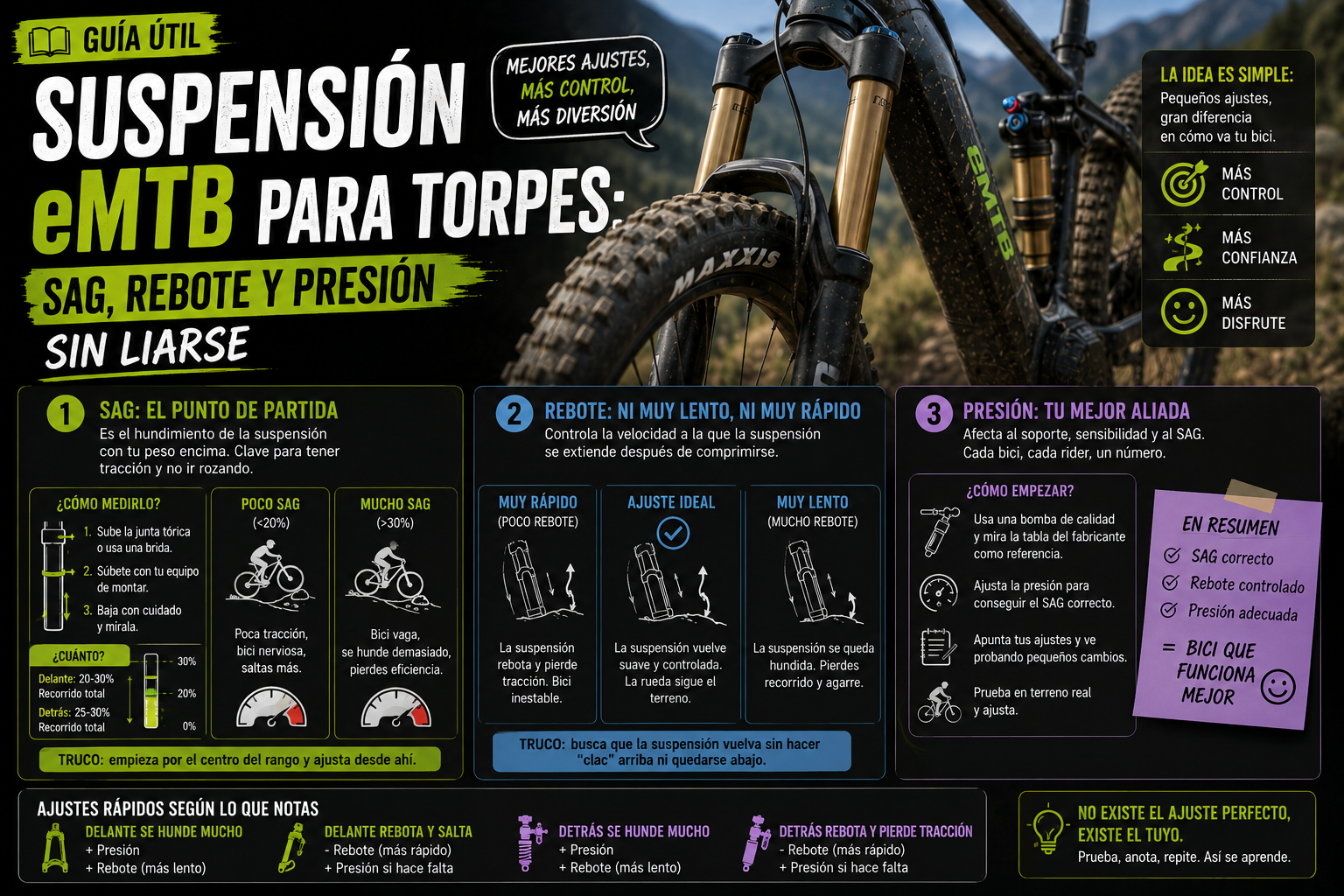
Suspension is not magic: get the sag and rebound wrong and the bike feels worse than it really is.
Actual examples of the eRIDERSeMTB channel
Images downloaded/retrieved from YouTube to give the guide real visual context, not attractive but useless filler.
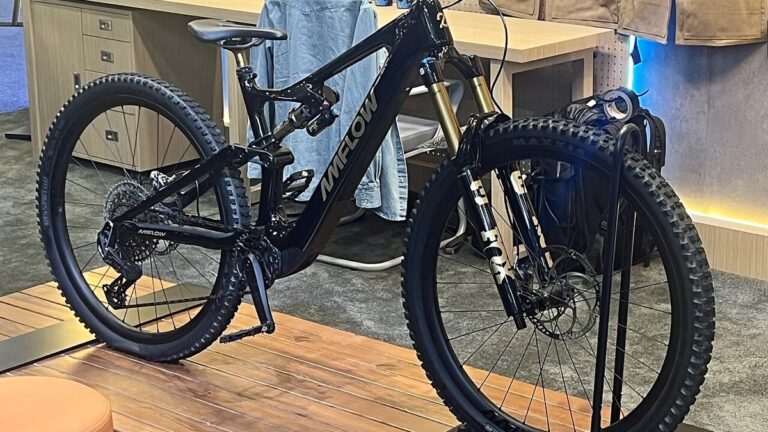
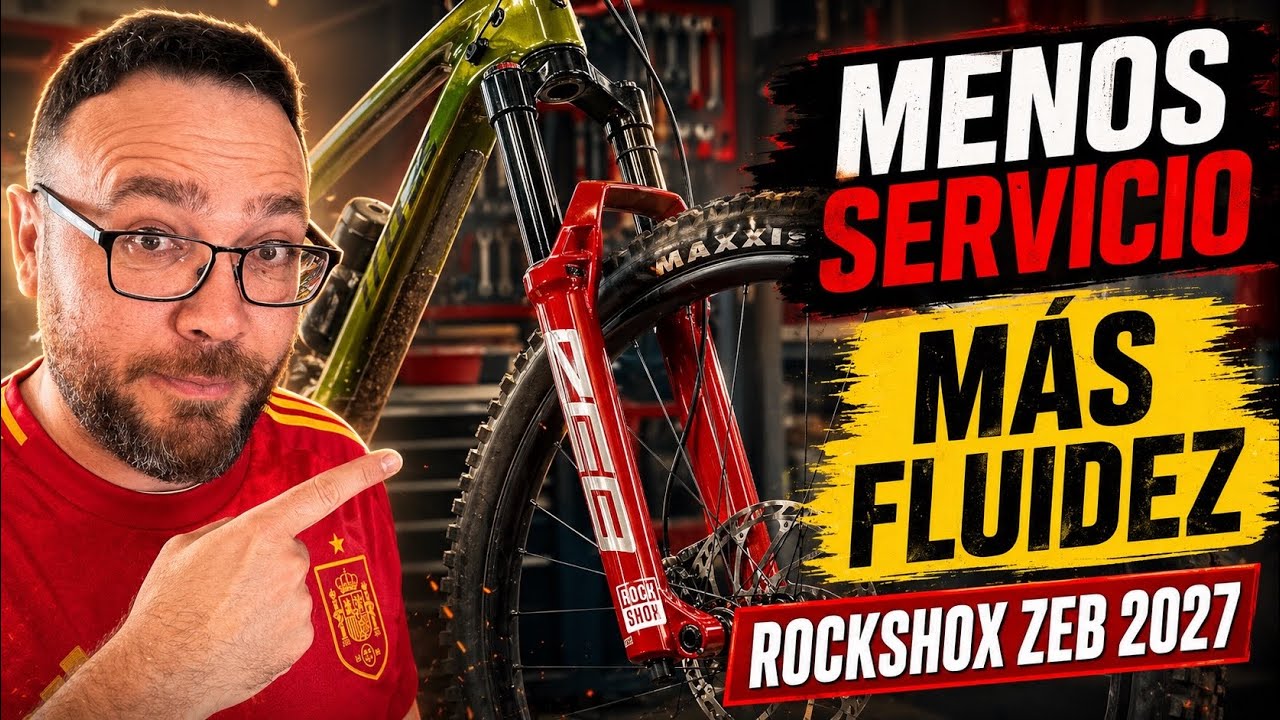 ZEB MY27: sensitivity, maintenance and hard use.
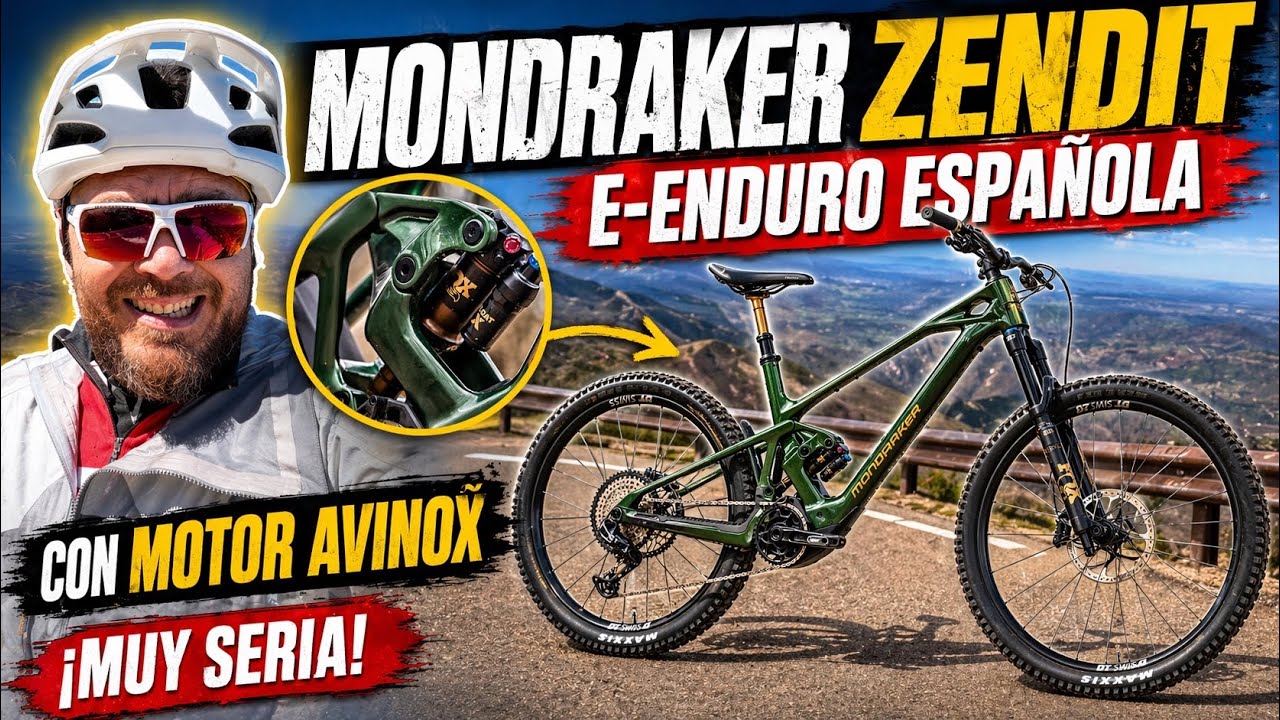 E-enduro: SAG and rebound are more noticeable going down hard.
 Do not buy suspension just because it is fashionable: set yours up first.
eMTB PRO constructive criticism
We will not say everything is wonderful just because a brand says so in a press release. If something can fail, a purchase is poor value or maintenance is expensive, we say so respectfully and back it up with data.
Why it matters on an eMTB
An eMTB is heavier, accelerates harder and puts more strain on components than a non-assisted bike. Small maintenance mistakes therefore have consequences sooner: noise, wear, punctures, hot brakes, poor range or a ride cut short.
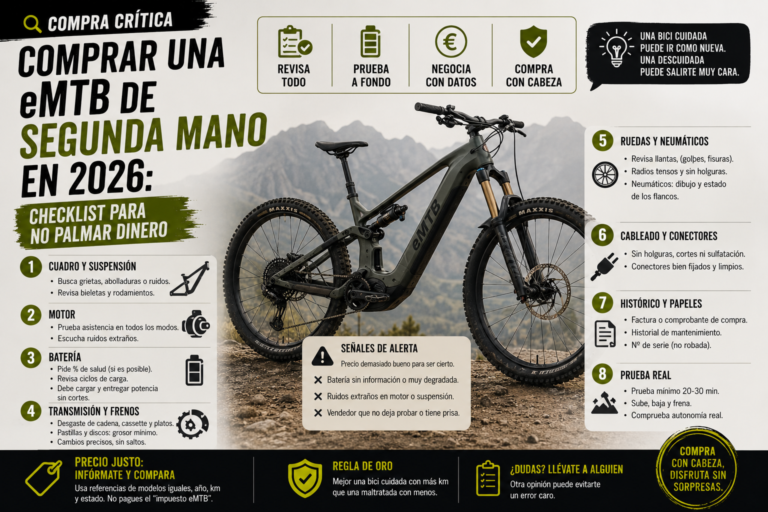
Visual summary of the guide.Real example connected to eRIDERSeMTB. eMTB PRO: sound judgement, not hype.
Practical Checklist
- Start with SAG recommended by brand.
- Change one adjustment at a time.
- Slow rebound makes the bike pack down; fast rebound makes it nervous.
- Note the pressure and click settings when you find a good setup.
Quick decision table
| # | What to look at | How to act |
|---|---|---|
| 1 | Start with SAG recommended by brand. | Check it carefully, without rushing, and note any changes you make. |
| 2 | Change one adjustment at a time. | Check it carefully, without rushing, and note any changes you make. |
| 3 | Slow rebound makes the bike pack down; fast rebound makes it nervous. | Check it carefully, without rushing, and note any changes you make. |
| 4 | Note the pressure and click settings when you find a good setup. | Check it carefully, without rushing, and note any changes you make. |
Typical errors
The usual mistake is changing five things at once, taking no notes and then not knowing what improved or worsened. Make small changes, test on the same route if possible and use common sense: if a part makes noise, gets hot or develops play, do not wait for it to break.
Images: original eRIDERSeMTB/eMTB PRO assets and supporting Unsplash imagery where appropriate.
Have you used this bike, motor or component?
Join eRIDERSeMTB on Telegram to discuss real experiences with other riders: Bosch, Avinox, Shimano, deals, faults and buying decisions. The community currently speaks Spanish.
Join TelegramAdvertisement / sponsored link
Advertisement / sponsored link
Advertisement / sponsored link