Automatic shifting on an eMTB: when it helps and when it is unnecessary
Automatic shifting can help maintain cadence and reduce mistakes.
It can also bother you if you're a rider who wants total control.
Advertisement / sponsored link
Advertisement / sponsored link
The key is predictability and always being able to take control yourself.

Why it is emerging now
An eMTB puts substantial force through the drivetrain. If the system avoids poor shifts, it can reduce wear and improve ride feel.
Many riders also shift poorly: they grind uphill in too high a gear, cross-chain and expect the motor to fix everything.
When it helps

Advertisement / sponsored link
In-depth eMTB PRO analysis
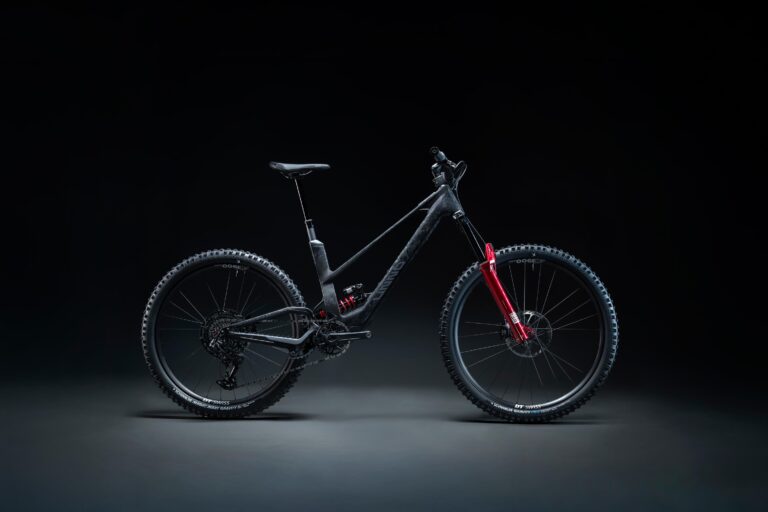
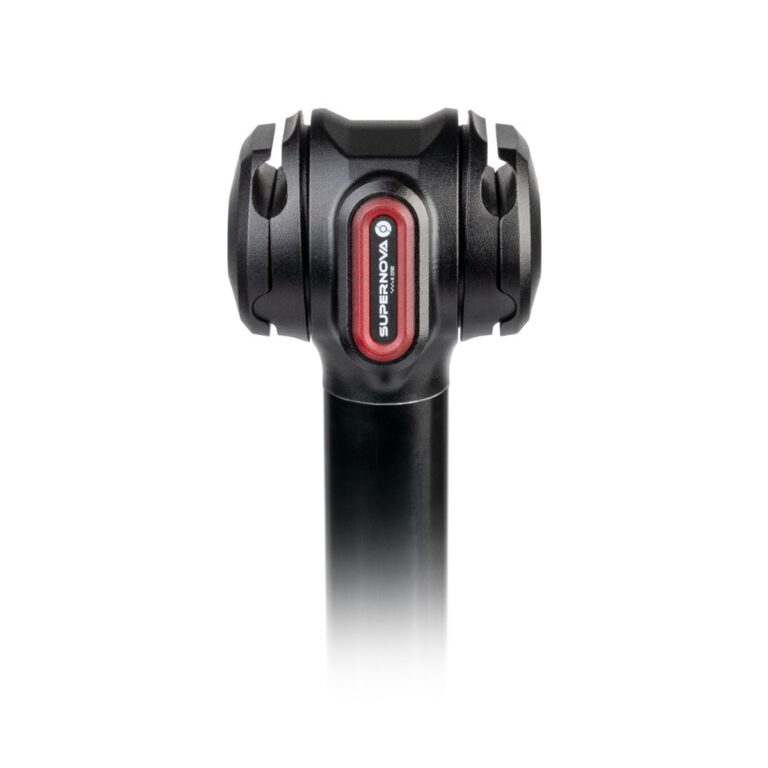
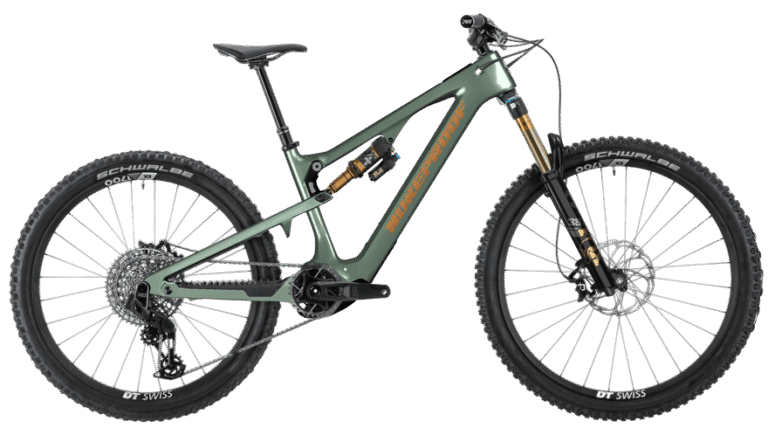
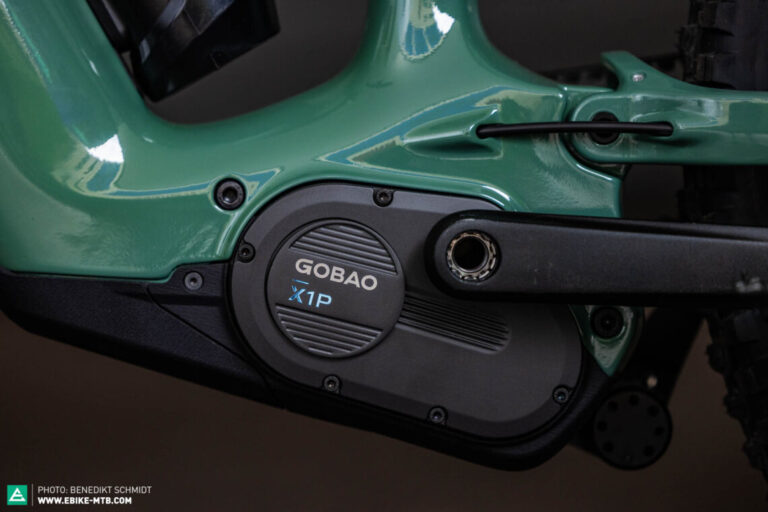
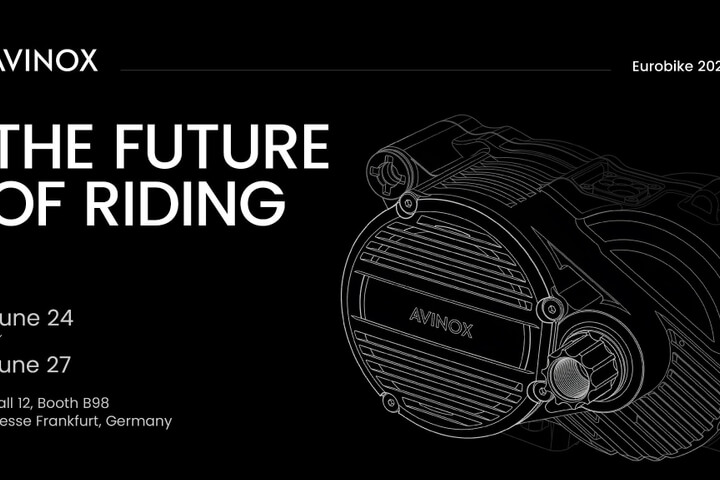
This article has been rebuilt with real images: a featured image downloaded from a public source and the rest linked directly to their sources. The aim is to show readers the actual product, motor, frame or component, not invented compositions. If an image does not work, another source is used; someone else's photo is not doctored.
The key is to separate three things: confirmed facts, trade-show promises and real-world behaviour still awaiting testing. An eMTB specification sheet can sound impressive, but buying decisions depend on weight, battery, brakes, tires, support, warranty and spare-parts availability.
What would we check on a real-world test
First: a slow technical climb, revealing whether the motor delivers smoothly or jerks. Second: a long descent to check brakes, noise, suspension and stability. Third: a range test with real climbing, temperatures and tires. Fourth: a workshop inspection after several rides.
We would also check something many websites overlook: who helps if it fails. A modern eMTB depends on diagnostics, battery, sensors, controls and software. Without clear brand support, the new technology loses its appeal.
Informed buying
Green flag: clear images and data, coherent equipment and readily located spare parts. Yellow flag: an attractive price but marginal components. Red flag: big headlines, limited availability, no actual weight or no explanation of technical support.
The best buy isn't always the newest bike. It's the one that fits your route, your weight, your store, your riding and your maintenance budget.

It helps when you are tired, want a steady cadence or are on a long ride where conserving energy matters.
It can also help new riders who still don't understand well the relationship between cadence, mode and battery.
When it is unnecessary
It is unnecessary if it takes control away on technical terrain. Before a slow technical section, you may want a specific gear rather than letting the system improvise.
Ideal automatic shifting should be like a good co-driver: helpful without taking the wheel away.


eMTB PRO opinion
Automatic shifting will help many riders, but it should not become compulsory. On the trails, the rider remains in charge.
- Sources consulted:
- Gobao X1P review: https://ebike-mtb.com/en/gobao-x1p-review/
- Avinox MG gearbox motor: https://ebike-mtb.com/en/avinox-mg-gearbox-motor/
- Real image source: https://www.avinox-ebike.com/news/avinox-concept-product-eurobike-2026
- Real image source: https://ebike-mtb.com/en/avinox-mg-gearbox-motor/
Have you used this bike, motor or component?
Join eRIDERSeMTB on Telegram to discuss real experiences with other riders: Bosch, Avinox, Shimano, deals, faults and buying decisions. The community currently speaks Spanish.
Advertisement / sponsored link
Advertisement / sponsored link
Advertisement / sponsored link
Advertisement / sponsored link