Avinox November update: locking, Auto-Shift and Apple Watch
New release · eMTB PRO
The November Avinox update improves component locking and bike management. Apple Watch needs DP200; Auto-Shift requires M2/M2S and a specific drivetrain. Here is what changes for your eMTB.
Advertisement / sponsored link
Component Lock reaches existing bikes; Auto-Shift needs a specific build
Avinox's November update lets owners mark missing components in the app and expands multi-bike management. The headline features have different requirements: Apple Watch integration needs the DP200 display; Precision Auto-Shift requires an M2 or M2S motor and a compatible electronic drivetrain. Updating an existing eMTB does not mean getting the entire package.
Avinox published its autumn announcement on 17 November 2026 and expanded the details in its 18 November release. There are platform improvements for existing owners and a more specific proposition for buyers choosing a new build. The distinction matters: an M1 owner can benefit from shared features without gaining the automatic shifting announced for M2 and M2S.
The announcement combines features in this release with others already listed in earlier documentation. Auto Boost for M2/M2S appeared in the 18 June release notes; heart-rate-aware assistance did not originate this week either. The useful question is how availability, hardware and practical value fit together, rather than treating every press-release bullet as a debut.
| Function | Avinox's published requirement | What affects your decision |
|---|---|---|
| Component Lock | Avinox platform and linked compatible components | Assistance lockout, not location tracking |
| Multi-bike management | One Avinox Ride App account | Less account switching, without replacing the motor |
| Precision Auto-Shift | M2/M2S with TRP or ELEVANDI E.A.S.I. RD-T7010 | An electronic drivetrain alone is insufficient |
| Apple Watch | DP200 display and compatible Apple devices | The fitted display is decisive |
| Ride and charging data | Shared features; charging exception for China's 3C LFP battery | More useful information, with no additional capacity announced |
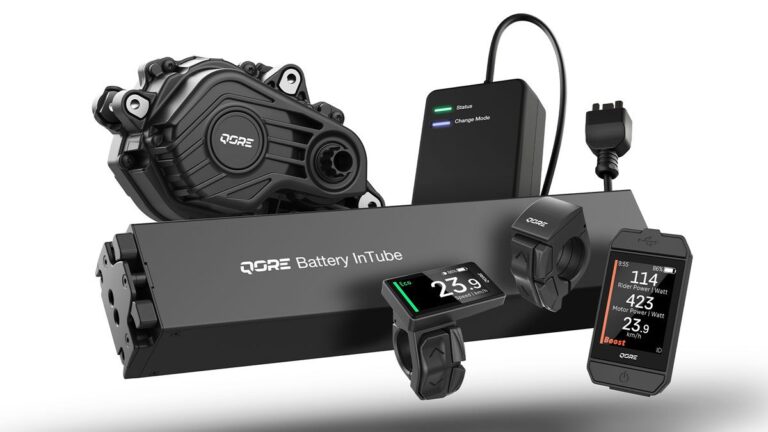
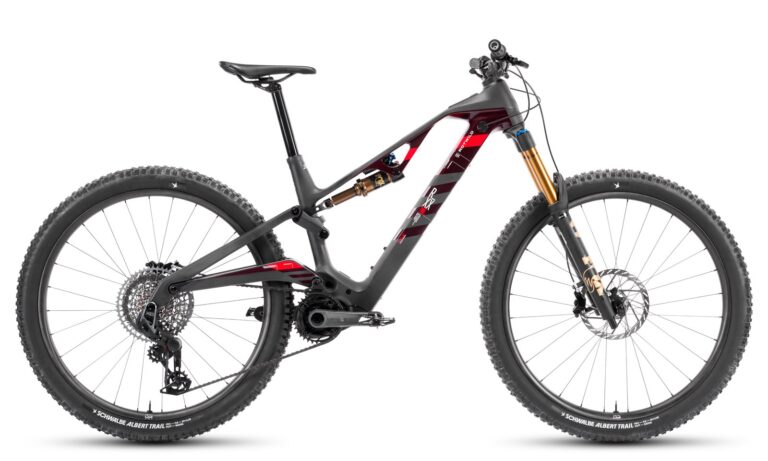
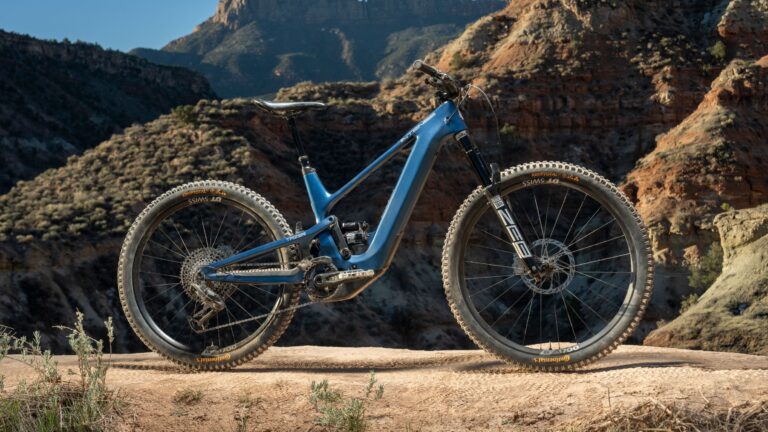
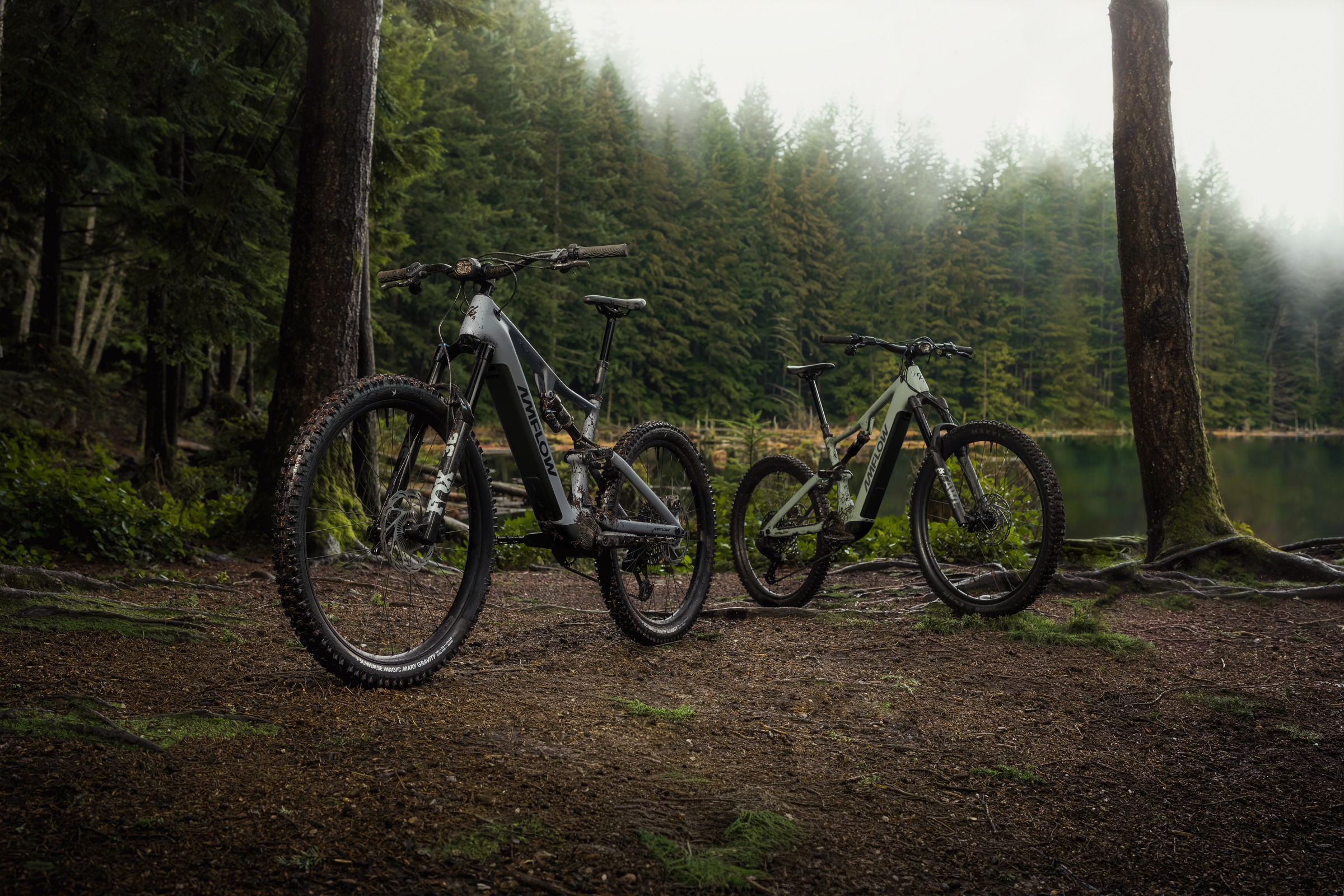
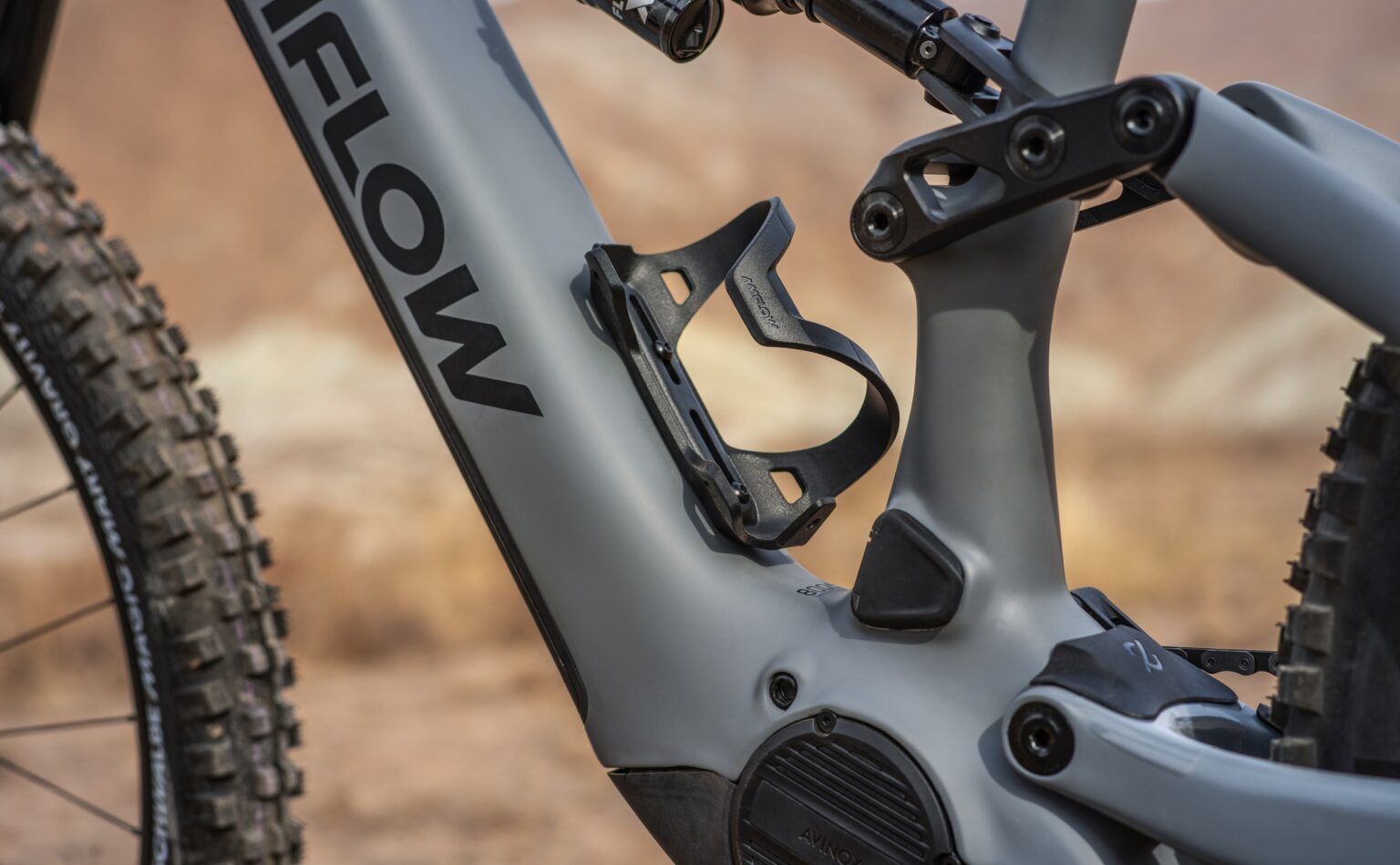
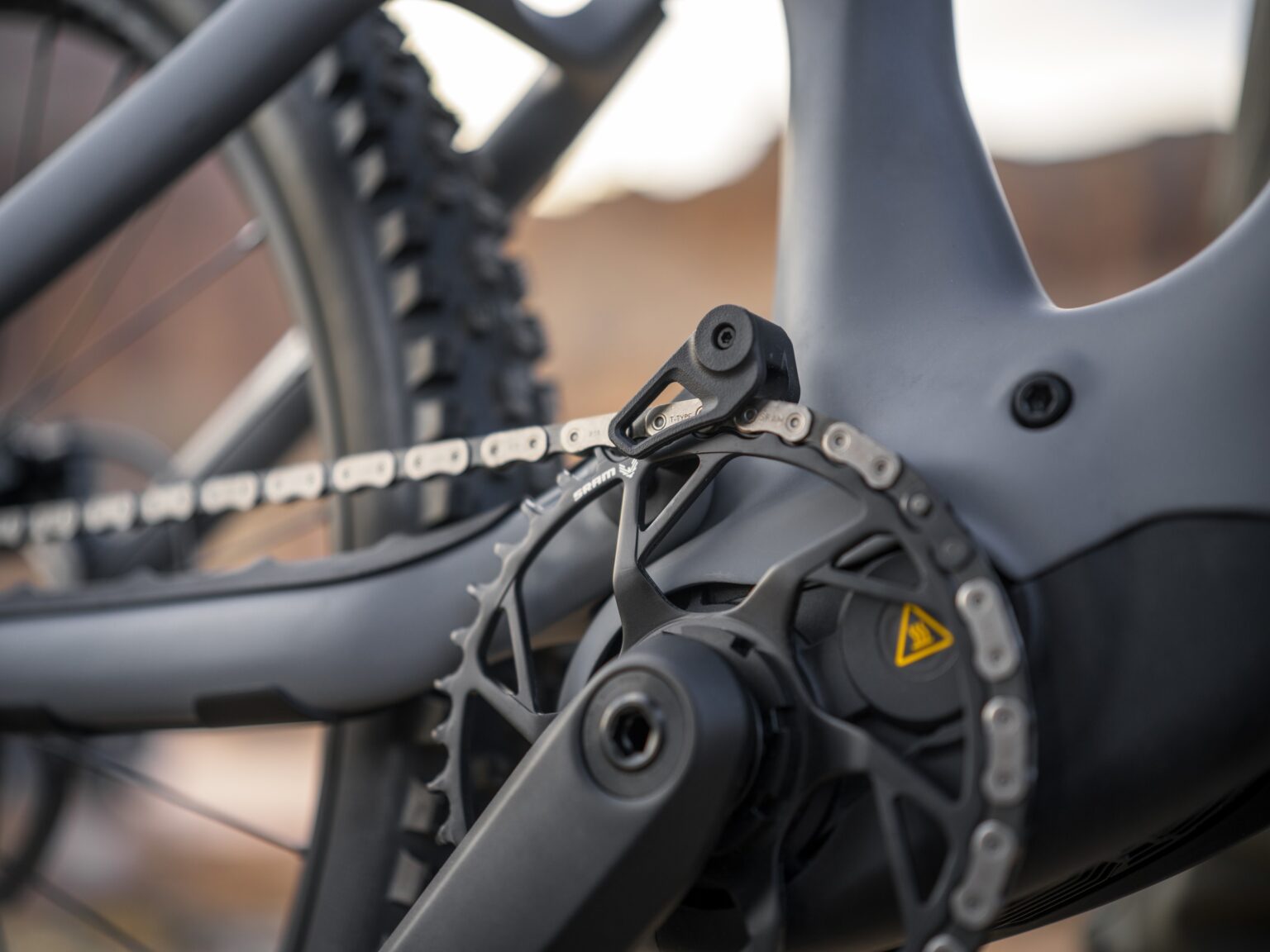
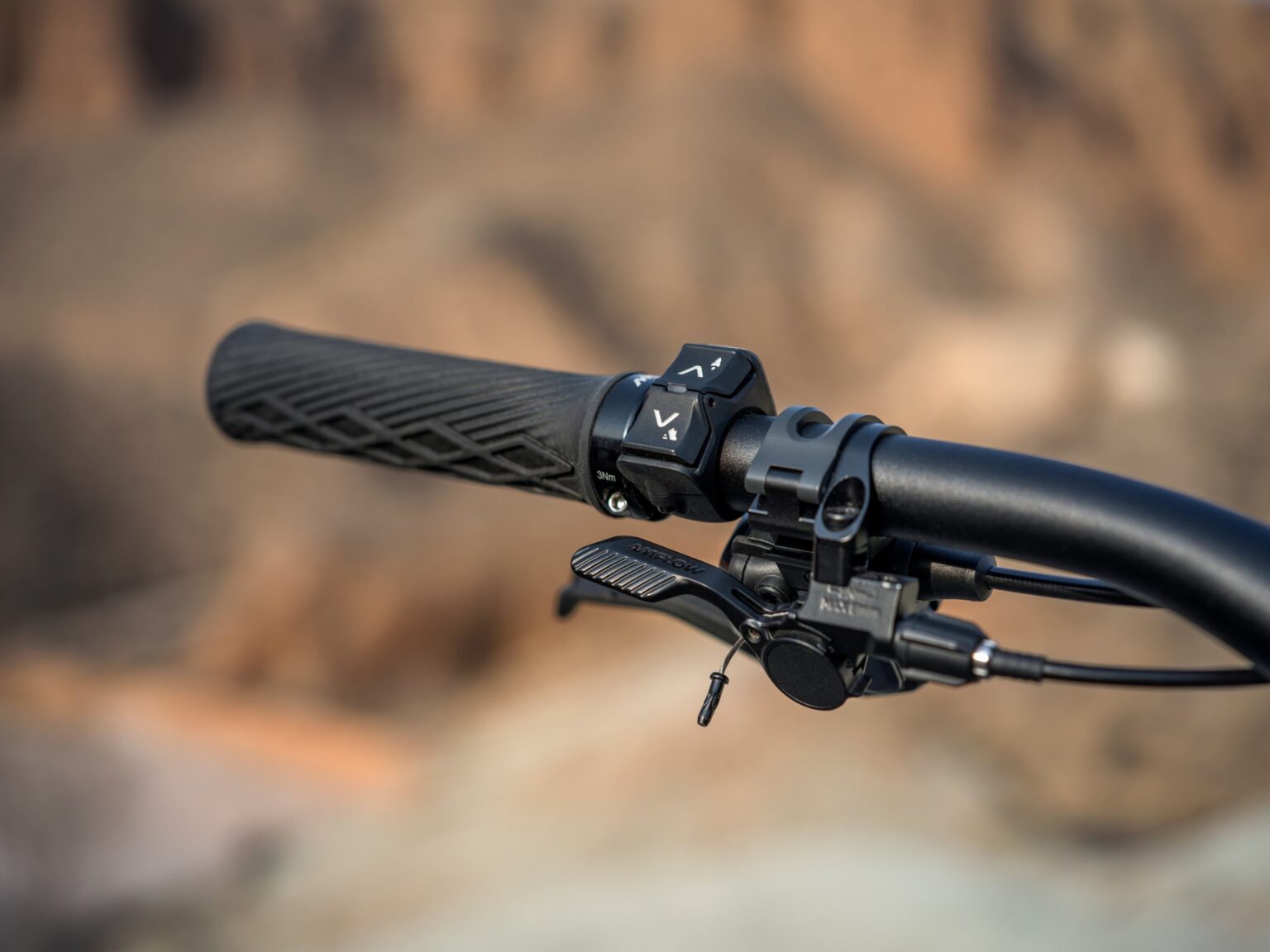
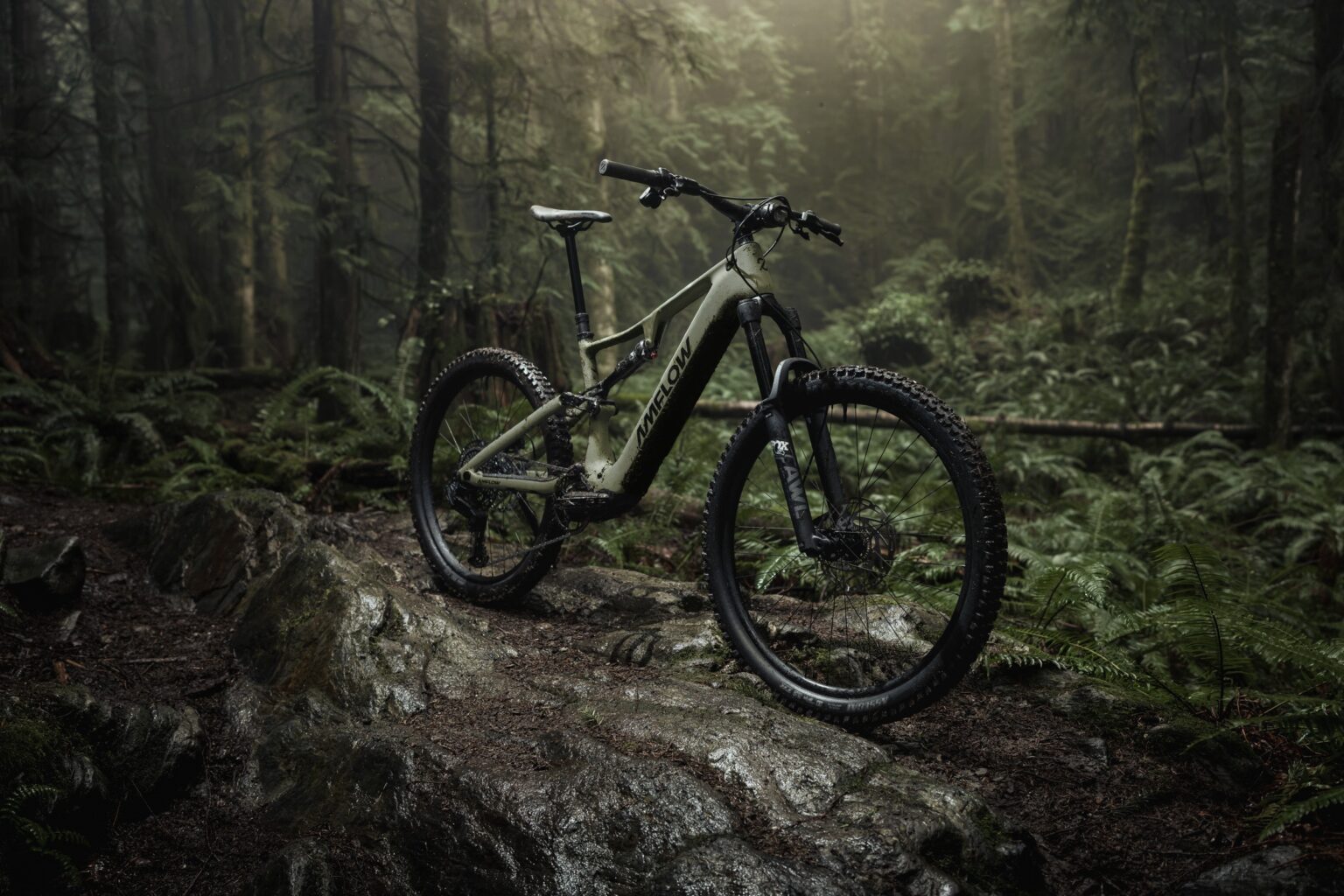
This is editorial analysis of official documentation, not a trail test of the firmware. The photographs show existing Avinox hardware on Amflow bikes; they do not demonstrate the November installation or depict the DP200 or RD-T7010.
Component Lock: making a stolen part harder to reuse
Component Lock works through the link between a component and its owner's account. The owner can mark it as lost in Avinox Ride App; the company explains that assistance can be disabled if that locked component is installed on another bike. If it is recovered, the owner can remove the lost status in the app.
Its purpose is to make reusing the component harder, particularly when a valuable part is removed from the bike. This is a separate protection layer: it does not provide a location to help you retrieve it. Avinox states this explicitly in the announcement's FAQ. Nor does it physically secure the frame or prevent someone from lifting an entire bike into a vehicle.
For a used-bike purchase, our reading is that digital account linking becomes a functional check alongside switching the bike on. It makes sense to see the actual bike working with assistance and resolve any account lock with the seller before paying. The release does not describe a universal ownership-transfer process: we cannot invent one here or suggest that an invoice automatically clears a lock.
Advertisement / sponsored link
The value to a buyer is not another security icon on a specification sheet. It is knowing what can be locked, from which account and how legitimate recovery is handled. Do not confuse this lockout with Apple Find My or assume that every bike has identical tracking capability: that is a separate feature dependent on the bike's configuration.
Auto-Shift: the drivetrain reference matters as much as the motor
The current Precision Auto-Shift list specifies M2/M2S with TRP E.A.S.I. RD-T7010 or ELEVANDI E.A.S.I. RD-T7010. Those exact references prevent an easy buying mistake: reading “electronic shifting” and assuming that a bike with SRAM AXS or any other wireless derailleur gains this automatic function.
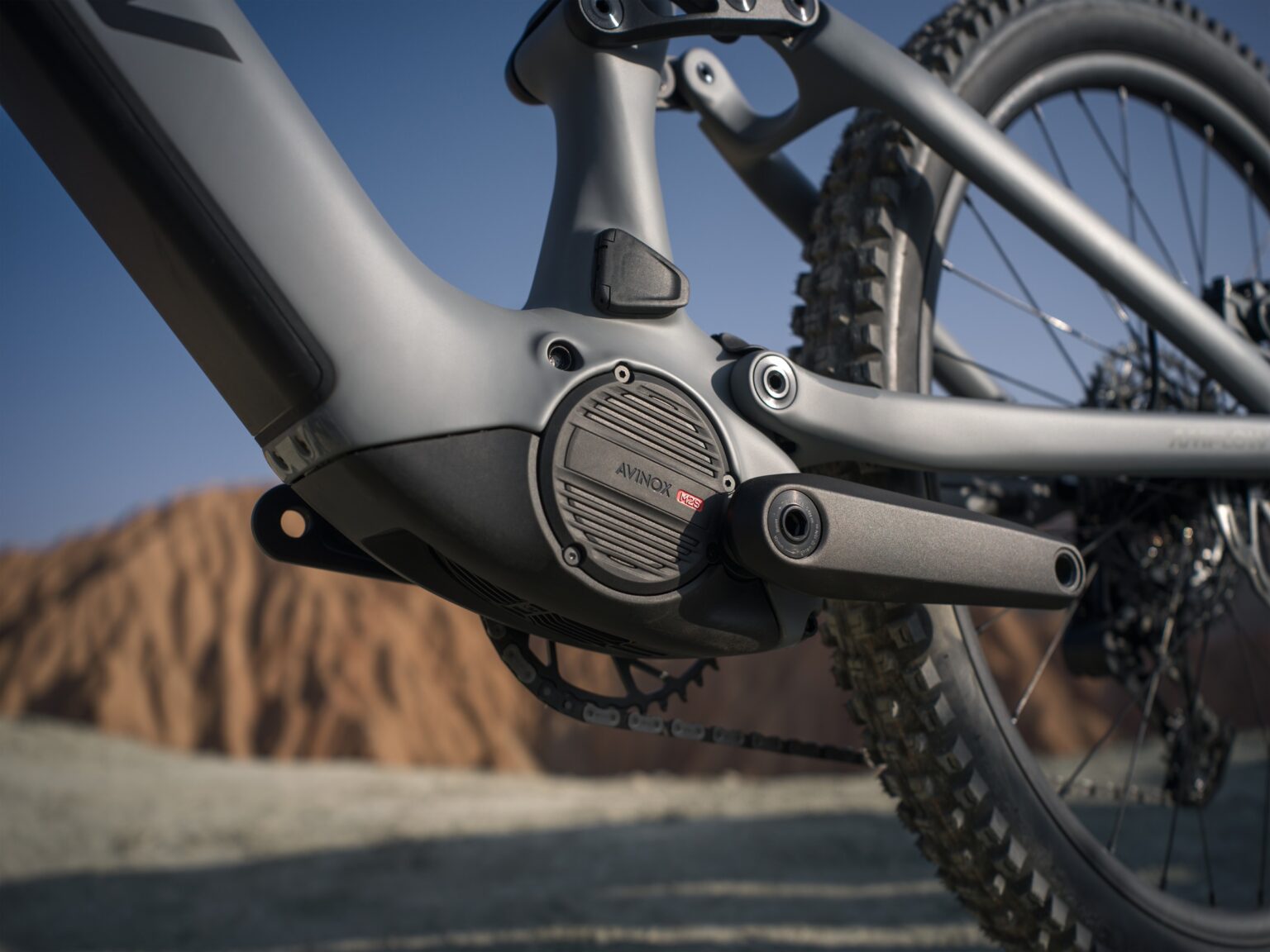
The system lets riders set a target cadence and adjust shifting sensitivity. Avinox also announces shifts while coasting, a configurable starting gear and reduced assistance during shifts. These are manufacturer claims; we have no independent measurements of speed, noise, wear or the algorithm's success on a technical trail.
The practical benefit worth testing concerns situations where several decisions arrive together: a steep pitch after a tight turn, a stop before a climb or a descent that ends in an uphill section. If the system selects an appropriate ratio before the rider loads the pedals again, it could reduce the rider's workload. Preferred cadence and shift timing remain personal; having adjustments matters more than promising that automatic mode will always get it right.
Advertisement / sponsored link
When comparing two builds, we would check the complete drivetrain and ask for a demonstration on the actual bike being offered. M2S rather than M2 does not settle that choice: if neither bike has a supported drivetrain, the motor difference alone does not buy Auto-Shift. These sources do not provide blanket approval to retrofit RD-T7010 to any frame either; hanger compatibility, integration, wiring and the bike brand's support remain relevant.
On a mountain bike, steady cadence is not the only objective. Sometimes a rider holds a gear to clear a step with a short pedal stroke or to avoid shifting when traction is poorest. We would therefore assess how much control the rider retains and how the system responds to intervention. Adjustable sensitivity is promising; deciding whether its range suits your climbing style requires riding that combination, rather than comparing motor torque figures alone.
This should also be distinguished from SmoothShift with SRAM Eagle Transmission, covered in earlier Avinox notes. Similar names can describe different ways the motor assists a shift. The useful question for a seller is which specific function works with that drivetrain reference, rather than whether the bike is “compatible with electronics”.
Apple Watch: check the bike's display first
The announced integration requires DP200. That reference matters more than wearing an Apple Watch: the integrated display found on many Avinox eMTBs does not become a DP200 through software. September's documentation already introduced the display and its integrations; November is not the debut of that hardware.
Advertisement / sponsored link
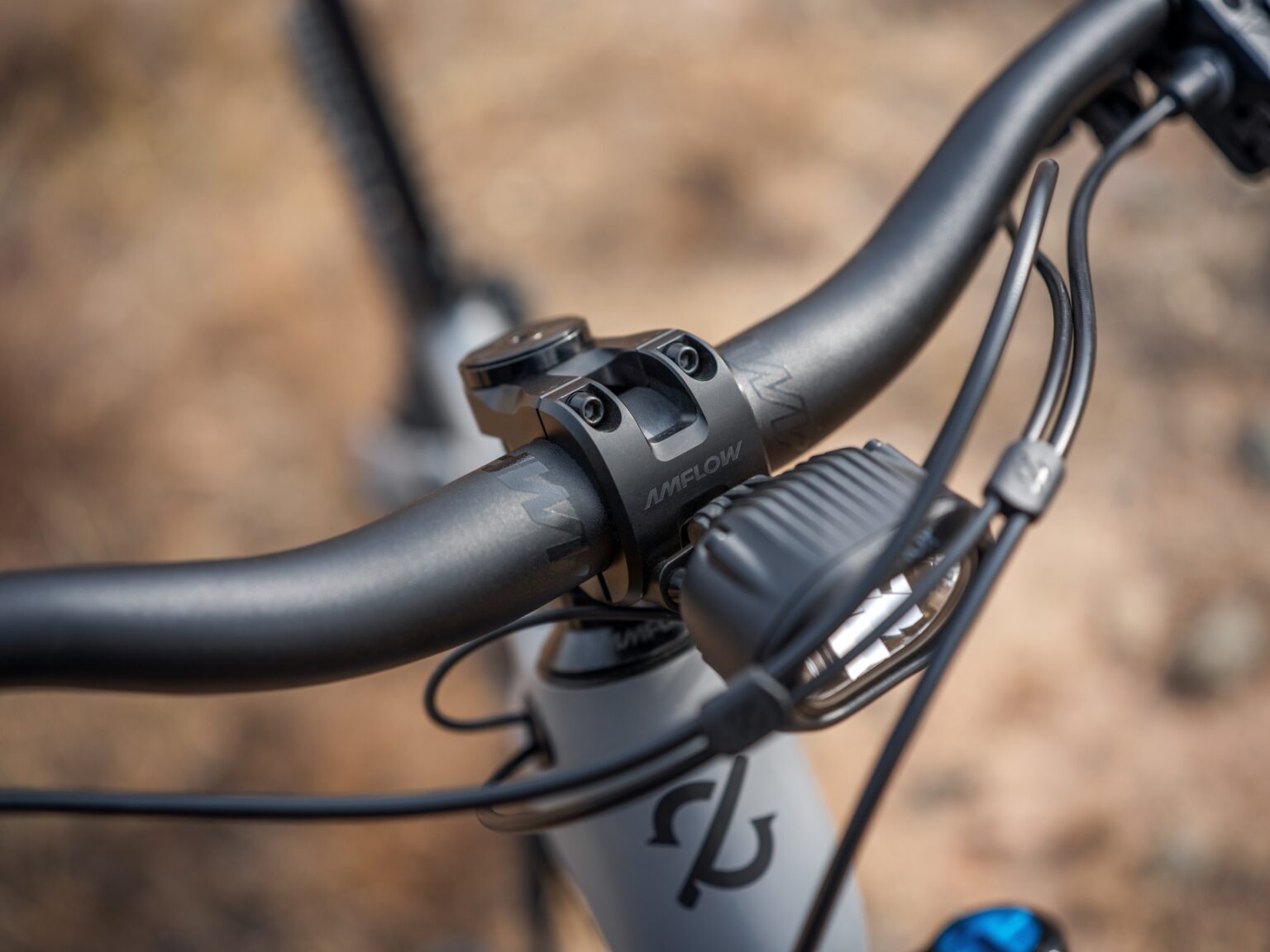
Avinox announces ride-data viewing, proximity unlocking, alerts and activity synchronisation, alongside heart-rate-based assistance control. Published requirements include watchOS 11 or later and iOS 18 or later; Apple Watch SE is excluded. The company recommends iPhone 13 or later and refers users to the app's effective compatibility. Before buying a display for this feature, both the watch and the bike's configuration need confirmation.
Heart-rate-aware assistance preserves a basic rider choice: you select the mode and the system adds another layer. The official FAQ makes that clear, even though the promotional wording suggests a more automatic experience. It does not hand over control of the bike or provide a training prescription; motor response still depends on configuration and available data.
Is it worth changing hardware for this alone? Riders who already wear Apple Watch on every ride and prefer viewing data or unlocking without taking out a phone may find it useful daily. Riders primarily seeking motor feel or range gain no evidence of an improvement in those areas from these features. We would prioritise convenience and confirmed compatibility on the exact bike before paying for a display replacement.
The quieter improvements may be the most useful
Managing several bikes through one account avoids treating every bike as a separate ecosystem. For a household with two eMTBs or a shop with demonstration bikes, that could be more useful than another screen. It does not establish separate staff permissions, allocation of responsibilities or a professional rental-management system, however: the release describes bike management, not that entire business workflow.
Charging information adds power, fast- or slow-charging status and an estimate of time to 80%. The practical difference is a clearer idea of the wait during a stop. An estimate does not change the battery's Wh capacity or demonstrate faster charging; it also does not establish an identical charging curve for different batteries.
Stage averages and ride-record management can make a ride easier to understand than one overall average. Separating a long climb from a gravel-road return is a useful example: an overall figure may conceal changes in pace. Comparing energy use between days still depends on terrain, assistance and conditions; a screen with more data does not turn different routes into an efficiency test.
Avinox also announces brief independent display power, approximately 20 seconds after the main battery is disconnected, to view HMS codes. The practical result is better information when reporting a fault. It does not mean the bike can be ridden without its battery, or that owners should disconnect wiring to try it. The benefit concerns diagnostics, not emergency propulsion.
What belongs to November, and what came earlier
A platform develops over several months, but a marketing summary can blend those dates. These references help distinguish the current announcement from features already documented.
| Source date | What it documents | Our interpretation |
|---|---|---|
| 18 June 2026 | Auto Boost on M2/M2S and heart-rate functions for M1 | Neither is a debut this week |
| 15 September 2026 | DP200 display announcement | Hardware that predates the autumn rollout |
| 17 November 2026 | Official autumn-update article | Autumn package announcement |
| 18 November 2026 | Release covering features and accessories | More announcement detail, not proof of installation on your bike |
The downloadable release notes consulted, dated 13 October, do not yet identify a November build. We therefore do not assign a firmware version number to this package or claim that a particular bike has been updated. The practical reference is the update offered to that bike in the app and the features available after installation.
The 18 November release also covers accessories with urban applications. Those do not automatically make an eMTB compatible with every new feature. This article focuses on the electronics you already own and what you would buy to obtain a specific function.
The buying decision: update first; buy hardware for a demonstrated feature
Distribution runs through Avinox Ride App with the bike connected over Bluetooth, and Avinox describes the package as free for compatible systems. For an owner, the sensible first step is to see what their own bike offers. The announcement does not justify replacing a bike to obtain the shared improvements.
| Your situation | What deserves attention | What to confirm before spending |
|---|---|---|
| You already own an M1 bike | Applicable locking, management and data features | The features offered to your specific bike |
| You have M2/M2S and want automatic shifting | Precision Auto-Shift | RD-T7010 reference and support for the exact build |
| You use Apple Watch | Integrated ride data and unlocking | DP200 and compatibility across watch, phone and bike |
We welcome the direction of the update: ownership and everyday-use improvements do not depend on announcing more torque. Our reservation concerns how compatibility is presented. A software feature may require hardware your bike lacks, and two bikes with the same motor can behave differently because of their drivetrain or display.
If buying, I would ask for the deciding feature to be demonstrated on the chosen bike. If I already owned one, I would use the applicable improvements before investing in parts. November's useful buying lesson is to value the actual electronic system, rather than pay for a list of possibilities that belongs to a different build.
Sources and documentation
Sources checked on 19 November 2026. Editorial analysis of official documentation, not our own trail test. Equipment and availability may vary by market.
Have you used this bike, motor or component?
Join eRIDERSeMTB on Telegram to discuss real experiences with other riders: Bosch, Avinox, Shimano, deals, faults and buying decisions. The community currently speaks Spanish.
Join TelegramAdvertisement / sponsored link
Advertisement / sponsored link
Advertisement / sponsored link