Fantic Sierra Sport or Race? When the extra €1,700 makes sense
Comparison · eMTB PRO
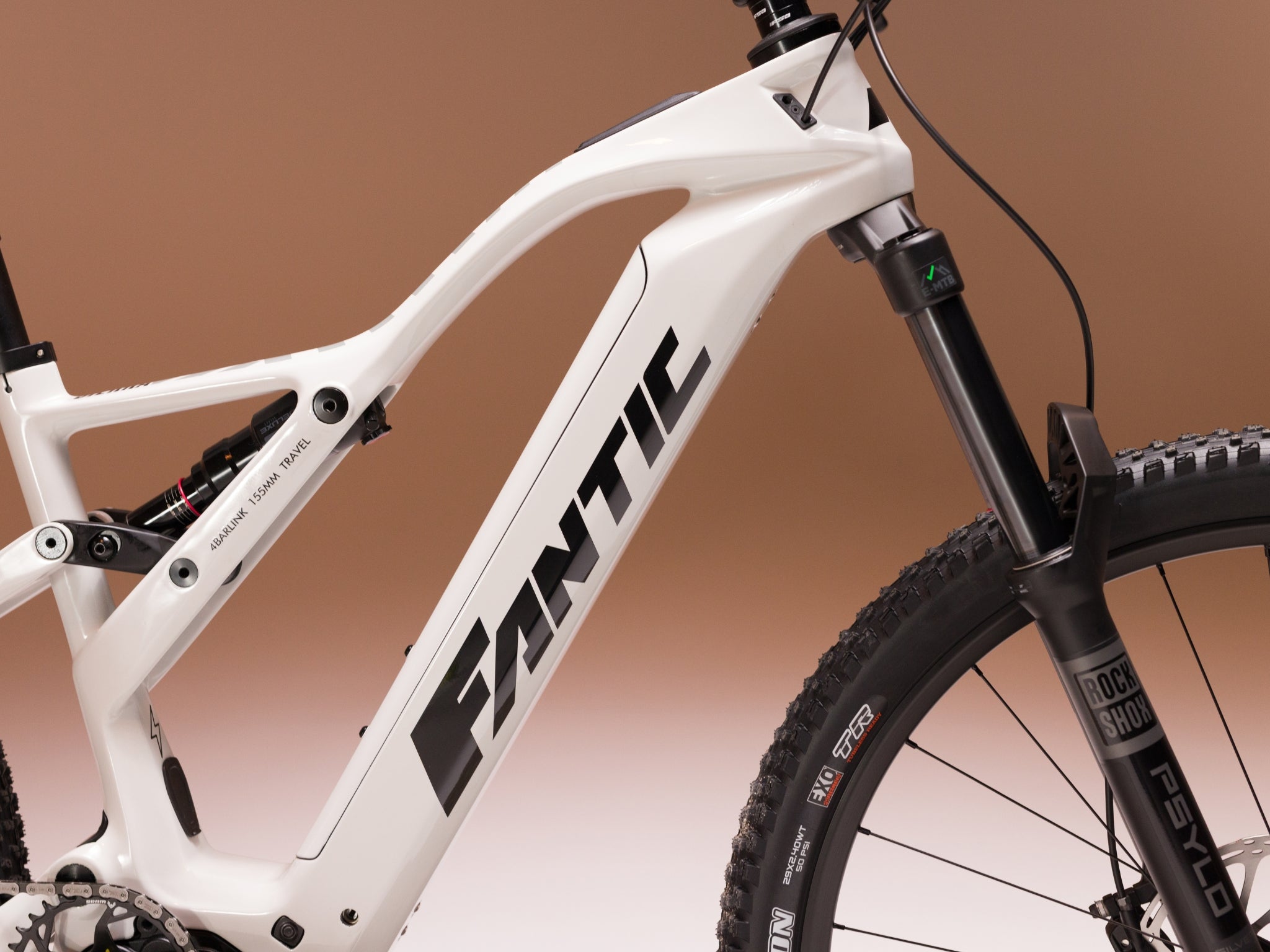
The Fantic Sierra Sport SRAM and Race share a carbon frame, Bosch CX motor and 800 Wh battery. The €1,700 decision comes down to descents and which parts you would upgrade.
Advertisement / sponsored link
The Sport is the sensible buy for most riders
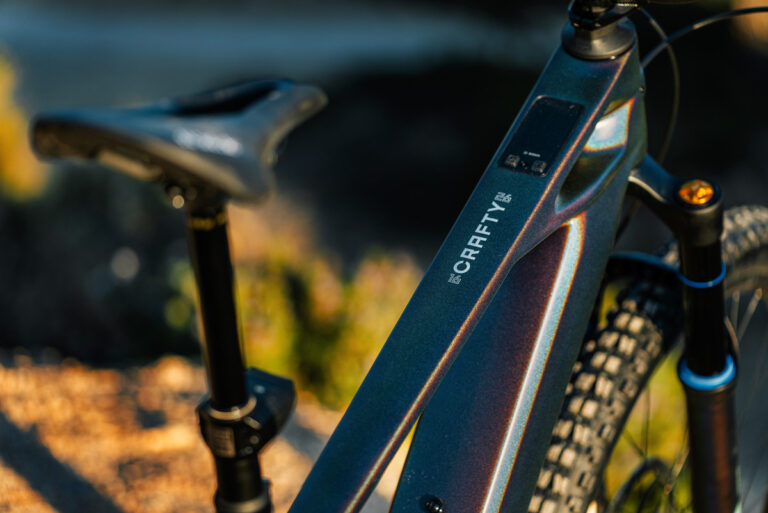
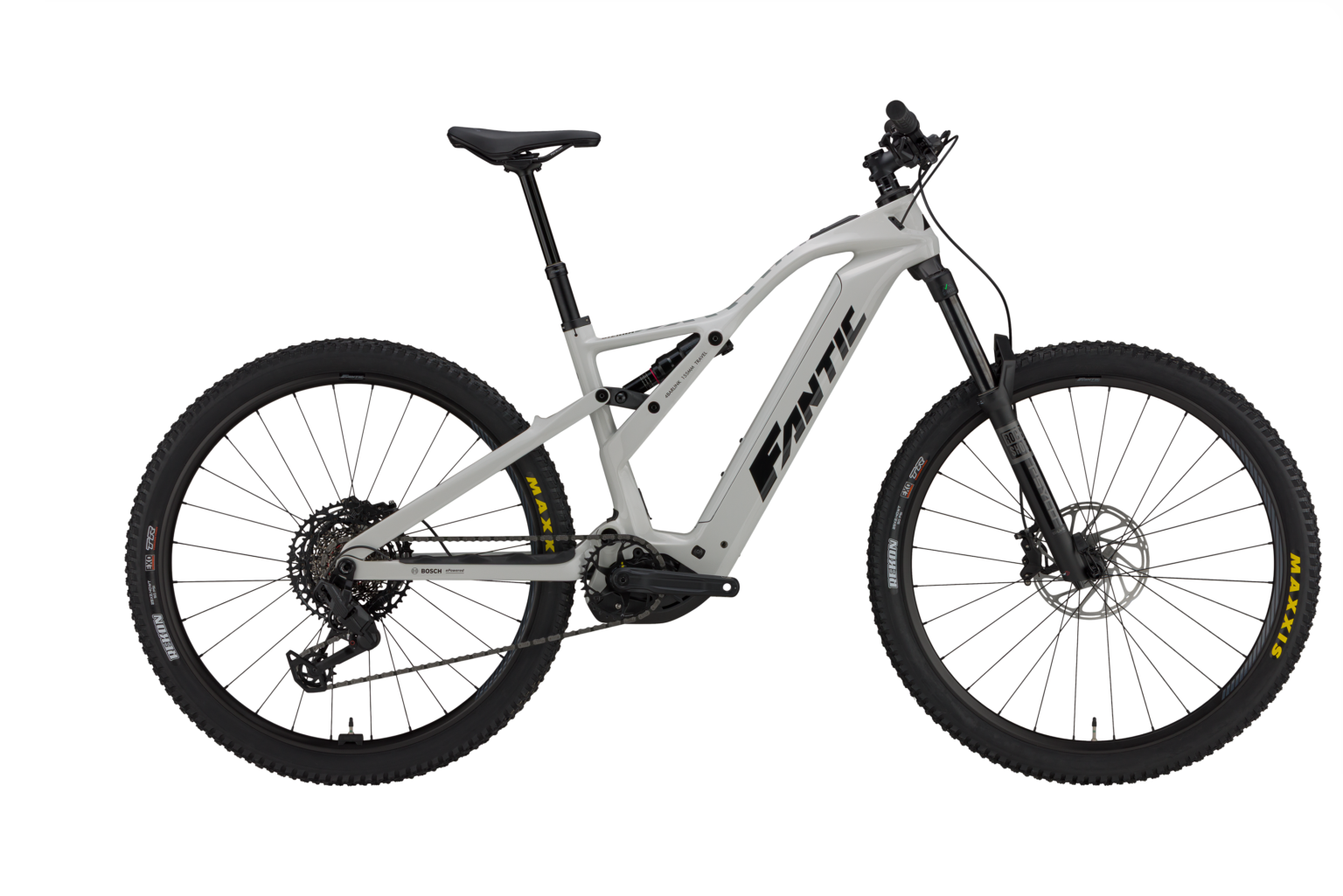
The Fantic Sierra Sport SRAM costs €5,790 and the Sierra Race costs €7,490, a difference of €1,700. Both use the same carbon frame, fifth-generation Bosch Performance Line CX motor and 800 Wh battery. The Race puts the extra money toward a Lyrik Select fork, Maven brakes, DT Swiss H1900 wheels and several other parts. The Sport makes more sense if you want one Sierra for a variety of rides. The Race starts to add up if you already know you’ll regularly push both the brakes and the front suspension.
Think of two different rides. Over three hours of dirt roads, connecting stretches and a couple of trails, moving up to the Race barely changes what you’re buying for the climb. Spend a morning pedalling back uphill for one rocky descent after another, and fork control and braking can matter more than any drivetrain upgrade. The extra cost makes sense if that second ride is a regular occurrence or if you were going to replace much of the Sport’s build anyway.
Advertisement / sponsored link
We compared Fantic’s European specifications on 18 November 2026. Both bikes belong to the range unveiled on 1 May. The figures are Fantic’s euro list prices. For a purchase in Spain, get a quote for your size, including delivery or setup charges. Fantic’s specifications and press photos show the equipment. Our assessment of how that equipment may suit different rides is based on those sources.
| What you get | Sierra Sport SRAM | Sierra Race |
|---|---|---|
| European list price | €5,790 | €7,490 |
| Frame and travel | Carbon, 160/155 mm | Carbon, 160/155 mm |
| Motor and battery | Bosch CX Gen 5, 800 Wh | Bosch CX Gen 5, 800 Wh |
| 160 mm fork | RockShox Psylo Silver RC | RockShox Lyrik Select |
| Rear shock in technical specifications | RockShox Deluxe Select air shock. See conflicting specifications | RockShox Deluxe Select+ air shock |
| Brakes | SRAM DB6 | SRAM Maven, version unspecified |
| Wheels | Fantic Racing aluminium | DT Swiss H1900 aluminium |
| Mechanical drivetrain | SRAM Eagle 70 T-Type | SRAM Eagle 90 T-Type |
| Bosch controls listed by Fantic | System Controller and Mini Remote | Kiox 400 and Mini Remote |
The shared platform matters more than it might seem
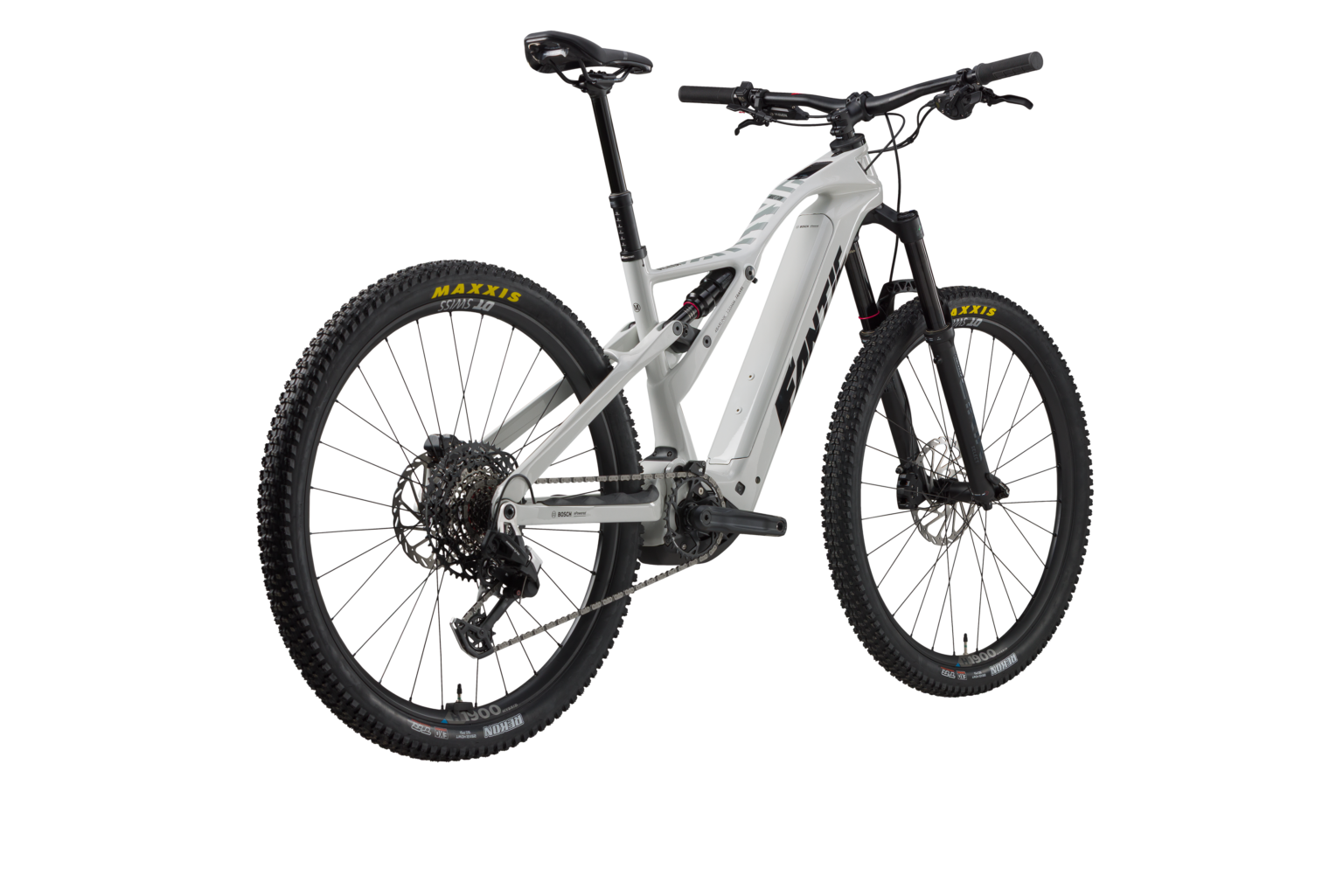
Both prices buy the same Sierra platform. Fantic lists 160 mm of front travel and 155 mm in the rear, with identical geometry charts for the Sport and Race. A size M has 449 mm of reach, a 1,225 mm wheelbase and a 65° head angle. The seat angle is 76.5° across all four sizes in the published charts. If you already know a medium fits, the extra money for the Race buys no change in your riding position. You can get either build in XL.
The rear suspension uses a coaxial Horst link and the frame has a flip chip with two settings. Fantic provides for a 27.5-inch rear wheel if you want a mixed-wheel setup. Both build sheets list 29 × 2.4-inch Maxxis Rekons. If you’re offered a mixed-wheel bike, ask the shop to spell out the configuration and which wheel the quote includes. Judge the size on the setup you’ll actually ride.
Advertisement / sponsored link
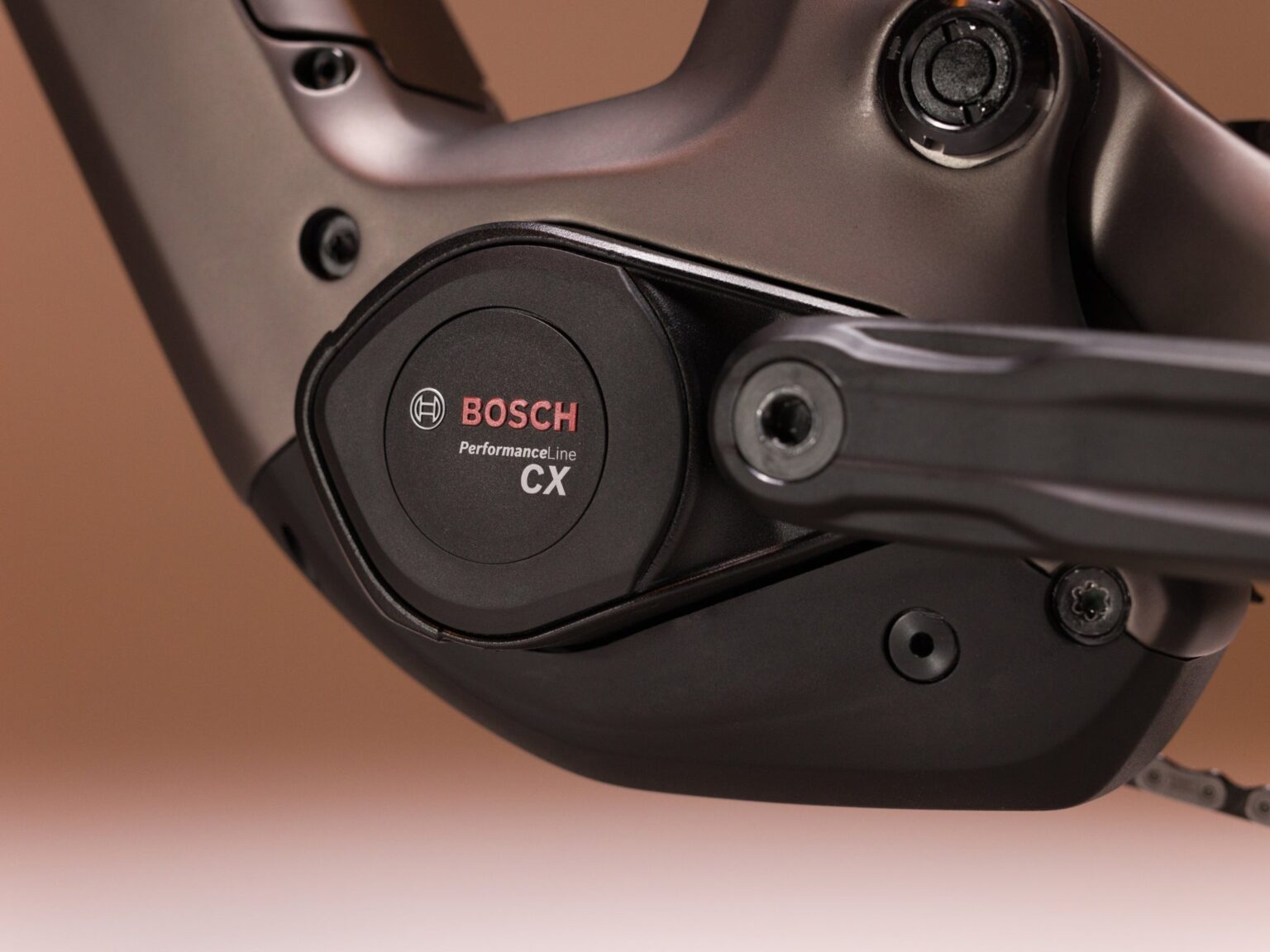
Both use the fifth-generation Bosch CX motor and an 800 Wh PowerTube. Fantic advertises up to 120 Nm. Bosch says that maximum depends on the drive unit, the software update and the limits set by the bike manufacturer and drivetrain. If peak torque is part of your buying decision, check the setting in eBike Flow on the actual bike. With the same modes and available torque setting, both builds start from the same battery capacity and assistance system.
On rides with a lot of climbing, consumption depends on how much assistance you use, the trail surface, tyre pressures and total riding weight, among other factors. These specifications don’t establish a range or weight difference between the two builds. Fantic’s launch material mentions a 250 Wh range extender for the platform, while both product sheets show N/A in the extender field. If you need it, confirm the fit and installation with the shop before counting on those extra 250 Wh.
The overlap between sizes is useful. Fantic puts a rider between 178 and 180 cm in both its M and L fit ranges. Going from M to L adds 28 mm of reach and 35 mm of wheelbase on either build. On a slow trail with tight turns, that size difference deserves more attention than the Race’s display. Use the chart to compare the jumps between the other sizes too. These are Fantic’s published figures. If you change rear wheel size, check the riding position again.
| Size | Reach | Wheelbase |
|---|---|---|
| S | 429 mm | 1,203 mm |
| M | 449 mm | 1,225 mm |
| L | 477 mm | 1,260 mm |
| XL | 501 mm | 1,290 mm |
Suspension for long descents and successive hits
The Sport gets a 160 mm RockShox Psylo Silver RC. The Race uses a Lyrik Select with the same travel. RockShox identifies Motion Control damping in the Psylo Silver RC and Charger RC in the Lyrik Select for the corresponding service models. They take different approaches at the same travel. The higher-priced build is easier to justify when you want to invest in how the fork handles the rocks, roots and successive braking zones you regularly ride.
If you like the Sport but are already budgeting for a fork swap, get two complete quotes. One should cover the Sport with your chosen fork, fitting and setup. The other should cover the Race as delivered. Look at what else changes across the build. If all you want is a fork upgrade, keeping the original brakes and wheels may suit you. If you also want Maven brakes and wheels with parts you can identify, the sums look different before you leave the shop.
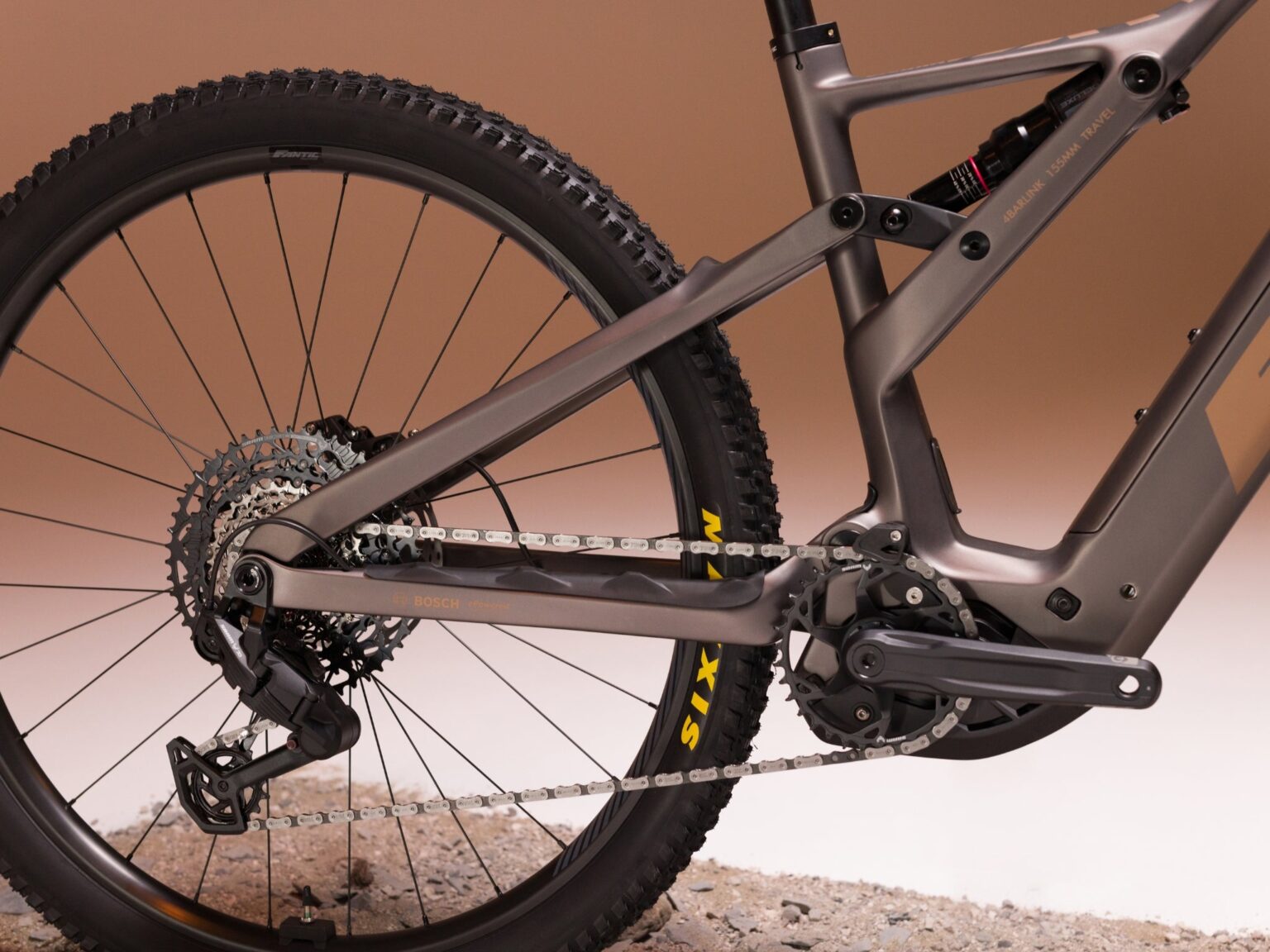
The Sport’s rear shock warrants a specific check. Fantic’s Volcanic Bronze overview names a Super Deluxe Coil Select+. The technical table on that same page lists a Deluxe Select and 185 × 55 mm dimensions. Fantic’s Sport press photos show an air shock with no external coil. Those images document the press bike. To know what you’re paying for, ask for a photo and the shock reference on your actual unit. Fantic specifies a 185 × 55 mm Deluxe Select+ for the Race.
On a demo, start with sensible, comparable pressure, rebound and sag settings before deciding which build suits you. A fork can feel harsh if the shop’s demo bike was set up for somebody else. Tell the shop where you ride and ask to take both builds down the same stretch if they have them. That gives you a better chance of judging whether you’ll feel the upgrade at your pace.
Brakes and wheels matter more here than the drivetrain upgrade
The switch from SRAM DB6 on the Sport to Maven on the Race deserves more attention than Eagle 70 versus Eagle 90. Fantic lists Maven without naming the version and shows 180/200 mm CleanSweep rotors on both build sheets. Confirm rotor diameters and caliper references if the shop offers a different configuration. For long braking zones, big vertical drops, or riders who brake hard and release late, the Race package is worth considering. Fantic provides no comparative brake temperature, stopping distance or lever effort figures here.
The Race’s DT Swiss H1900 wheels are aluminium too. The buying advantage is that you can identify the rim and hub family and look up documentation and parts at DT Swiss. That matters if you wear through spokes, travel regularly or want the shop to find parts by reference. The Sport’s wheels are listed as Fantic Racing aluminium with less detail. Ask which spokes or freehub parts the shop can source for each build before paying for a benefit you may never need.
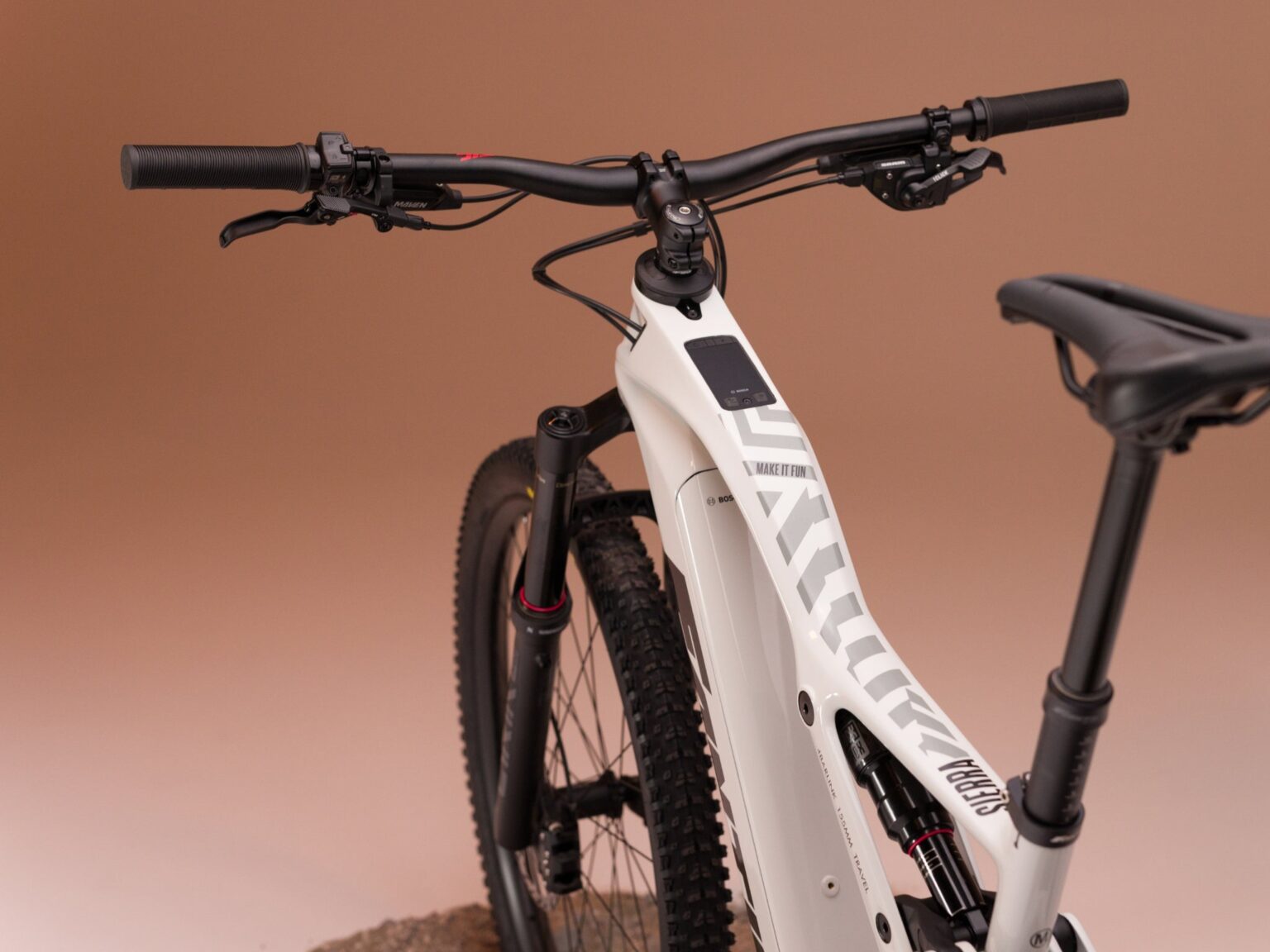
Both build sheets list 29 × 2.4-inch Maxxis Rekons. If the front wheel tends to wash out in loose dirt, the right casing, tread and pressure for your trails may be the first useful change even on the Race. The brake controls how much force you apply. The tyre transfers it to the ground. If the Sport’s brakes meet your needs, the budget leaves more room to tailor the tyres, refine the setup or cover a season’s consumables.
Advertisement / sponsored link
| What limits you now | Where I’d look first |
|---|---|
| Fatigue on repeated long descents | Race, once you’ve checked the Maven calipers and lever feel |
| Successive hits at the front and hard braking | Race, if you value Lyrik and Maven as a package |
| Limited grip on the ground you usually ride | Try suitable tyres and pressures on the build that fits you |
| Drivetrain wear and long rides | The Sport shares the same 800 Wh and gearing range |
Two cable-operated drivetrains with the same gearing range
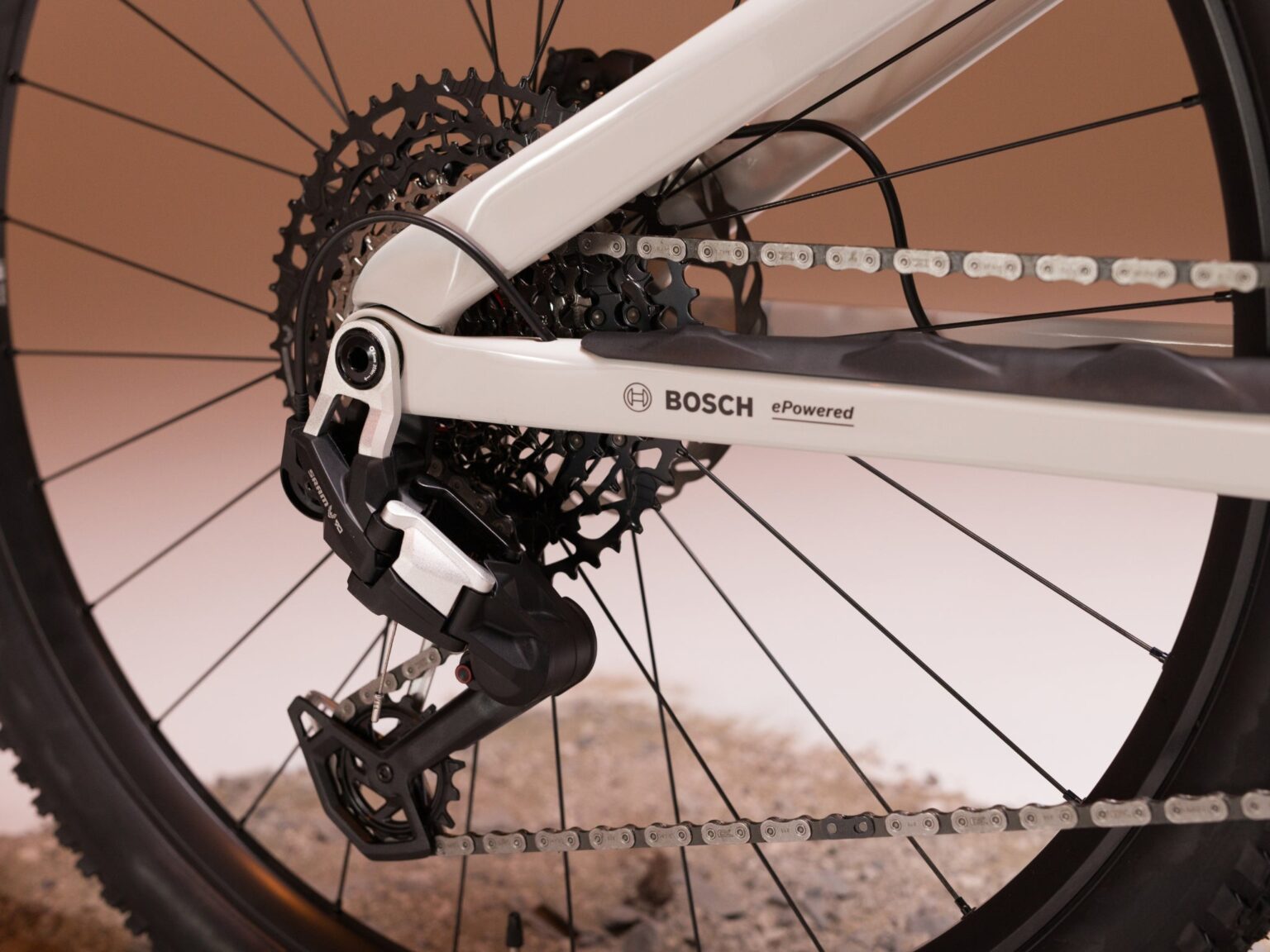
The Sport gets Eagle 70 T-Type and the Race gets Eagle 90 T-Type. Both are cable-actuated 12-speed groups. Fantic lists a 34-tooth chainring and a 10–52 cassette for each. That gives them the same gearing range on paper. If you want a lower gear to climb more slowly, the switch to Eagle 90 doesn’t provide one. What you pay for here is a different drivetrain design and greater parts-level serviceability on Eagle 90, according to SRAM.
What that is worth depends on the terrain. A serviceable derailleur matters more if you ride rocky trails and want to replace identifiable parts after a strike. SRAM also documents spares for Eagle 70, including the option to fit an Eagle 90 cage. It’s a maintenance advantage with some overlap. Just like the Race, the Sport gives you the same climbing ratios without a battery on the derailleur.
The way each build shows ride data differs too. Fantic lists the System Controller and Mini Remote for the Sport, and the Kiox 400 and Mini Remote for the Race. If you adjust assistance often or want to check data without pulling out your phone, look at both interfaces before you buy. It’s another small reason to prefer the Race as a package. The Sport’s basic charge and assistance indicators may be all you want on your rides.
When I’d spend the extra €1,700
I’d buy the Sport for mixed rides with the occasional technical descent and for days where my setup and tyre pressures already give me the control I want. I’d also choose it if I wanted a season on the frame before replacing only what holds me back. The €1,700 gap in the list prices is money you can put toward making the bike suit the riding you actually do.
I’d buy the Race if I already knew I wanted the Lyrik and stronger braking options on the same bike, rode repeated descents regularly and expected to keep the full build for several years. In that case the H1900 wheels and access to spares also interest me. If all I wanted was Eagle 90 or the display, I’d stick with the Sport. And if the Sport I was offered differed from the listing, I’d get a fresh quote showing the actual shock before drawing any conclusions.
At the shop I’d compare quotes for the same size and the same delivery and setup terms. I’d ask for the Sport’s shock reference in writing, the Race’s Maven version and the Bosch settings available on both bikes. If the difference at the till is far from €1,700, I’d revisit exactly which changes I’m paying for. The Race’s best argument is its downhill equipment as a package. The Sport keeps the core of the Sierra at a considerably lower price.
Sources and documentation
Specifications checked on 18 November 2026. Analysis based on official documentation. Equipment and availability may vary by market.
- Fantic · Sierra Sport SRAM Volcanic Bronze
- Fantic · Sierra Race Arctic White
- Fantic · Sierra and Ridge launch, 1 May 2026
- Bosch · Performance Upgrade limits
- RockShox · Psylo Silver RC
- RockShox · Lyrik Select
- SRAM · Eagle 90 and Eagle 70 documentation
- DT Swiss · H1900 Spline wheels
- Fantic · MY26 Sierra press photography
Have you used this bike, motor or component?
Join eRIDERSeMTB on Telegram to discuss real experiences with other riders: Bosch, Avinox, Shimano, deals, faults and buying decisions. The community currently speaks Spanish.
Join TelegramAdvertisement / sponsored link
Advertisement / sponsored link
Advertisement / sponsored link