Electric bike range: Wh, elevation gain, weight and calculating real-world kilometres
Range
An electric bike's range cannot be judged by kilometres alone. Two 40 km routes can use very different amounts of energy: one flat with a good surface, the other with 1,400 m of climbing, mud, cold and soft tires. Looking only at the catalogue figure means buying blind.
Advertisement / sponsored link

Advertisement / sponsored link
What Wh means
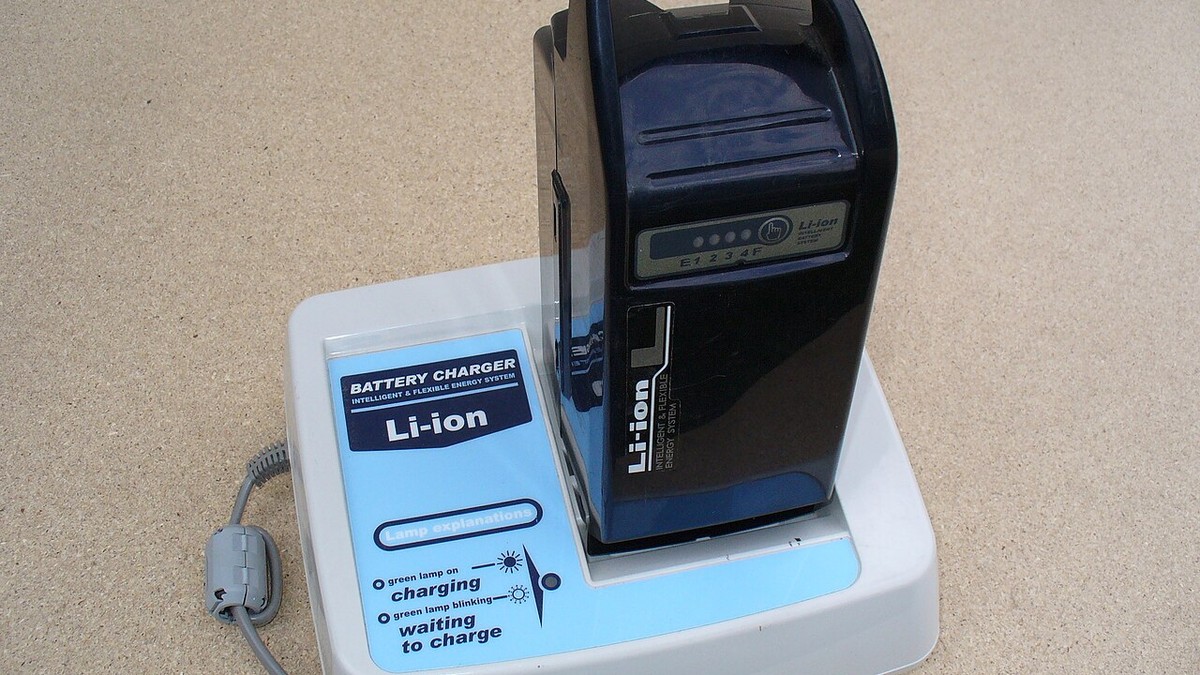
Wh describes the energy available in the battery. An 800 Wh battery stores more energy than a 600 Wh one, but that does not always mean 33% more riding. If the bike weighs more, you fit more aggressive tires or use more assistance, some of that advantage is lost.
| Battery | Typical suitable use | eMTB PRO's view |
|---|---|---|
| 600 Wh | Medium-length rides and a rider who manages assistance modes. | Light and sufficient if you do not always ride in Turbo. |
| 800 Wh | Very solid balance for current eMTB. | The most logical option for many users. |
| 1000 Wh | Long rides, heavy loads, cold conditions or substantial climbing. | Peace of mind at the cost of weight and price. |

The biggest drains on your battery
Climbing is the biggest energy drain. Next come rider and kit weight, assistance mode, tire pressure, casing, compound, temperature, wind and cadence. An eMTB with soft tires in mud can use far more energy than the same bike on a hardpacked track.
A practical calculation before you ride
For an unfamiliar route, do not promise kilometres: calculate a reserve. If your bike has 800 Wh and you know you use around 12-18 Wh/km on mixed terrain, that gives you an indication. But if there is substantial climbing, also think in Wh per 100 m of ascent. With a heavy eMTB, long climbs and high assistance, consumption rises quickly.
My practical advice: finish your first rides with battery to spare and record the details. Distance, elevation gain, temperature, mode and percentage remaining. After three rides, you will have real data for your bike, not a marketing figure.

Advertisement / sponsored link
Tire pressure and drivetrain condition matter too
A tire with a stiff casing at the right pressure rolls differently from a supple casing at low pressure. I am not saying you should ride rock-hard tires; I am saying not to turn your bike into a tractor if range is the priority. A dry or dirty drivetrain also wastes energy, and on an eMTB that is more noticeable because the motor amplifies everything.

Battery care without obsessing
- Do not store the battery for months at 100% or 0%.
- Avoid leaving the bike charging indefinitely when it is unnecessary.
- Expect less range in very cold conditions.
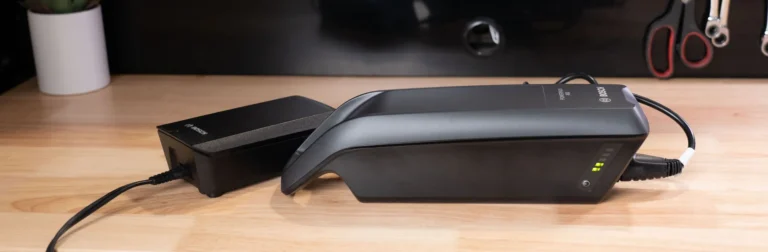
- Use original or recognized compatible charger.
- Do not blast connectors with a pressure washer.
- If range drops unusually, have the system diagnosed.

Good range is not about getting home with an empty battery and an epic story. It is about arriving with a reserve, without anxiety and knowing the bike will respond consistently at the end of the ride.

eMTB PRO community
For a genuine question about buying, batteries, motors or workshop work, join the eRIDERSeMTB Telegram group. The point of this website is to distinguish data, experience and marketing promises.
Have you used this bike, motor or component?
Join eRIDERSeMTB on Telegram to discuss real experiences with other riders: Bosch, Avinox, Shimano, deals, faults and buying decisions. The community currently speaks Spanish.
Join TelegramAdvertisement / sponsored link
Advertisement / sponsored link
Advertisement / sponsored link