Merida Lithos: Bosch CX-R, 800 Wh and an e-enduro that skips the Avinox bandwagon
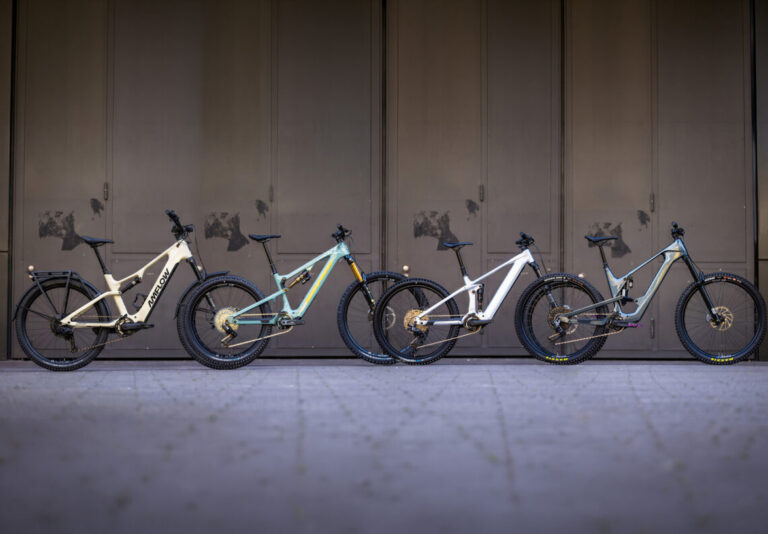
The Merida Lithos arrives amid Avinox fever and does something interesting: it does not join the DJI bandwagon. It chooses Bosch CX and CX-R, a removable 800 Wh battery, a 600 Wh option, 170/174 mm travel and a less spectacular but more useful message for anyone spending serious money: durability, service and a bike designed for real enduro.
Advertisement / sponsored link
This is not automatic praise. It is an expensive, powerful, serious bike, which is exactly why it needs close scrutiny. In 2026, anyone can show you 120 Nm, 150 Nm, 800 Wh, 1,500 W or a video of rocky descents. The hard part is answering the question that matters: is this the right bike for me to buy, or am I just getting carried away by the catalogue?
Advertisement / sponsored link
What the Merida Lithos is, beyond the glossy brochure
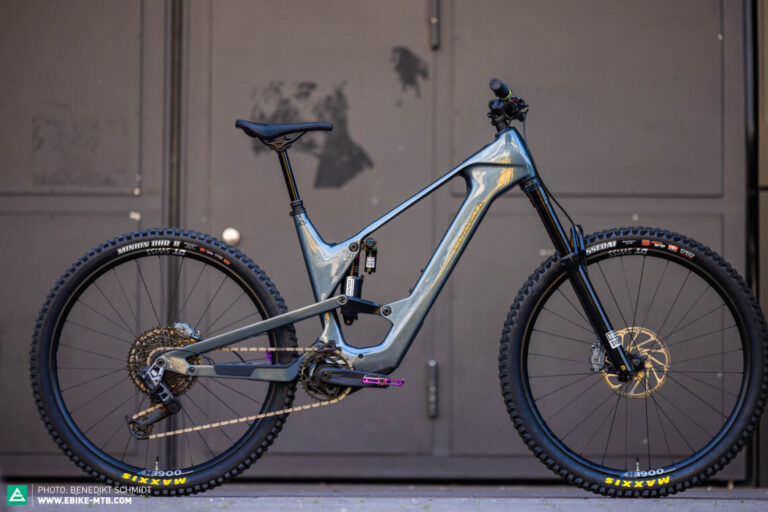
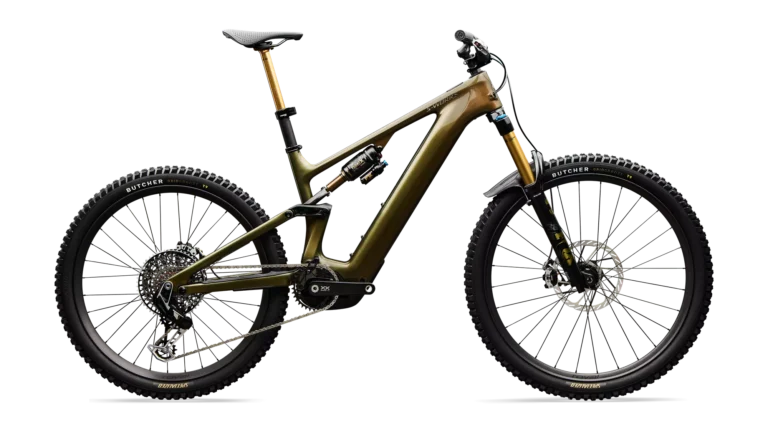
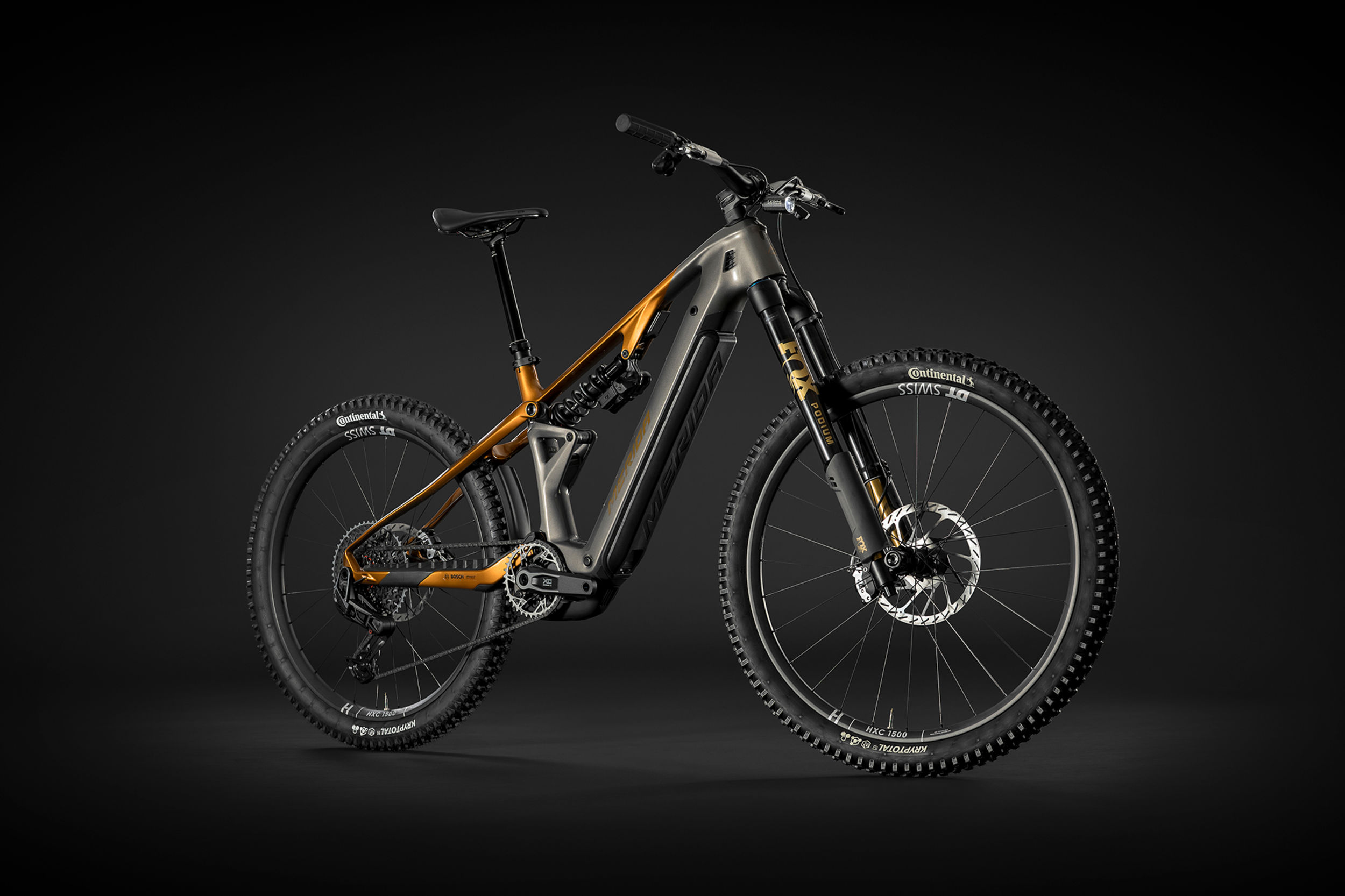
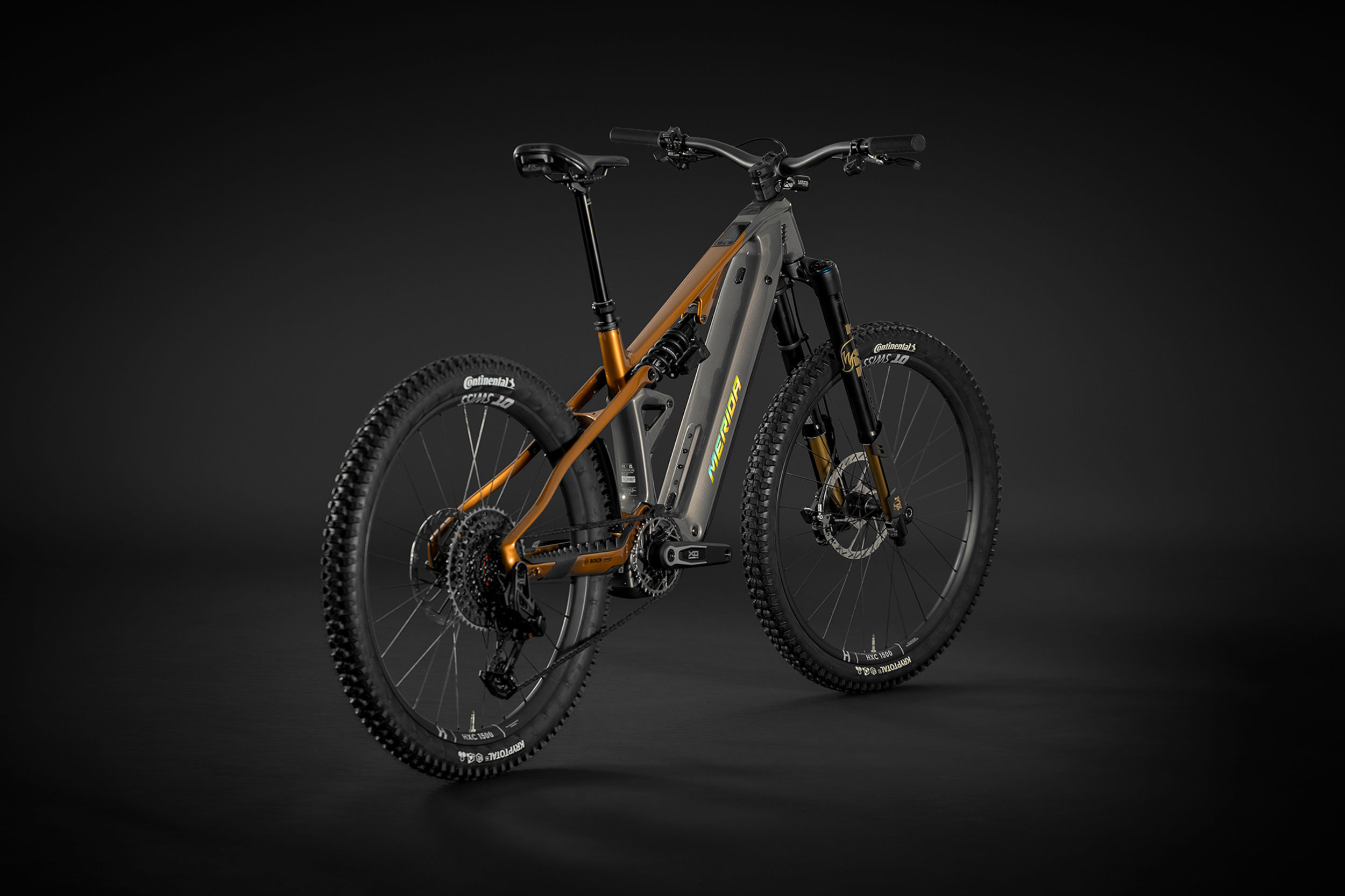
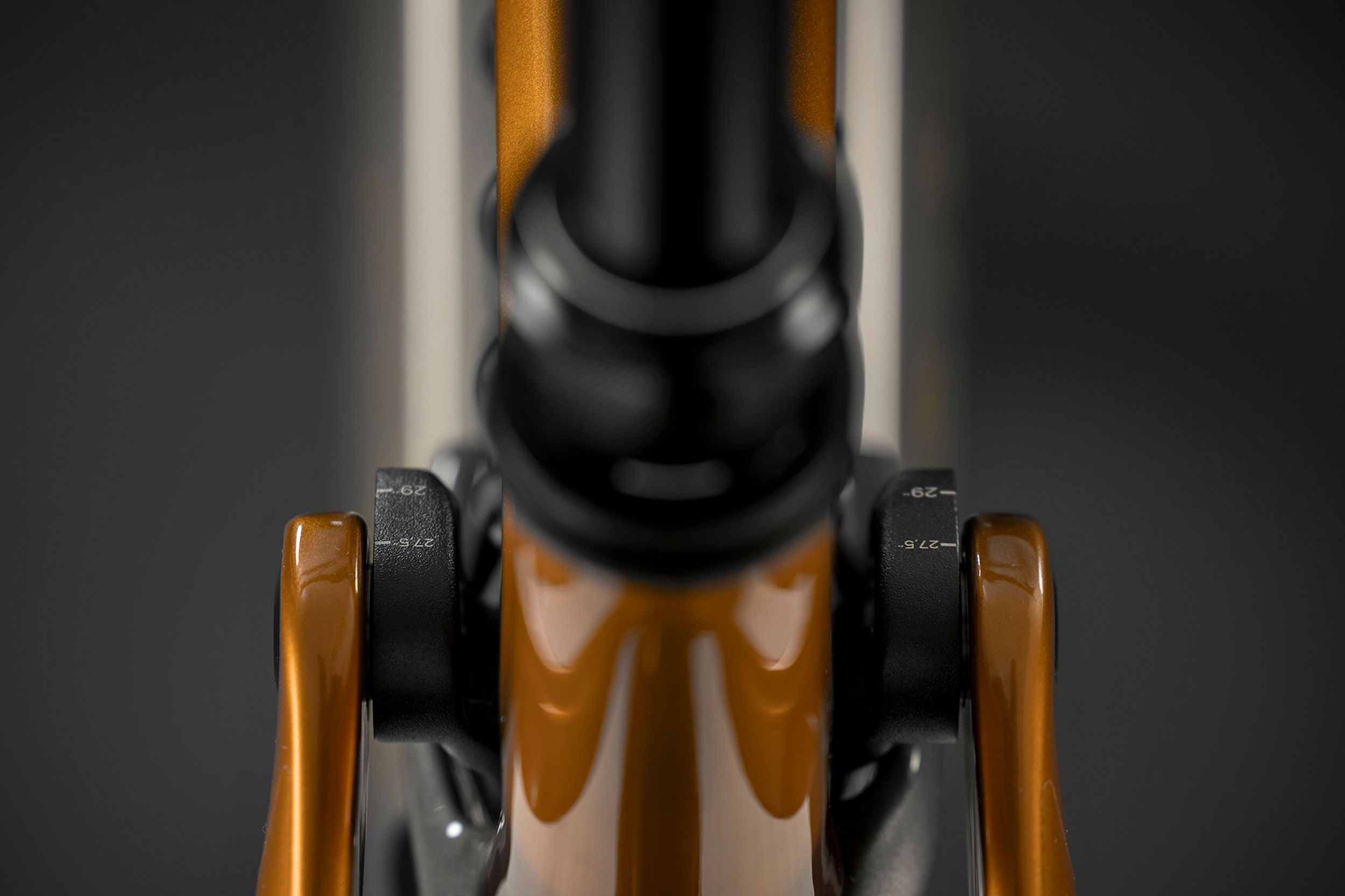
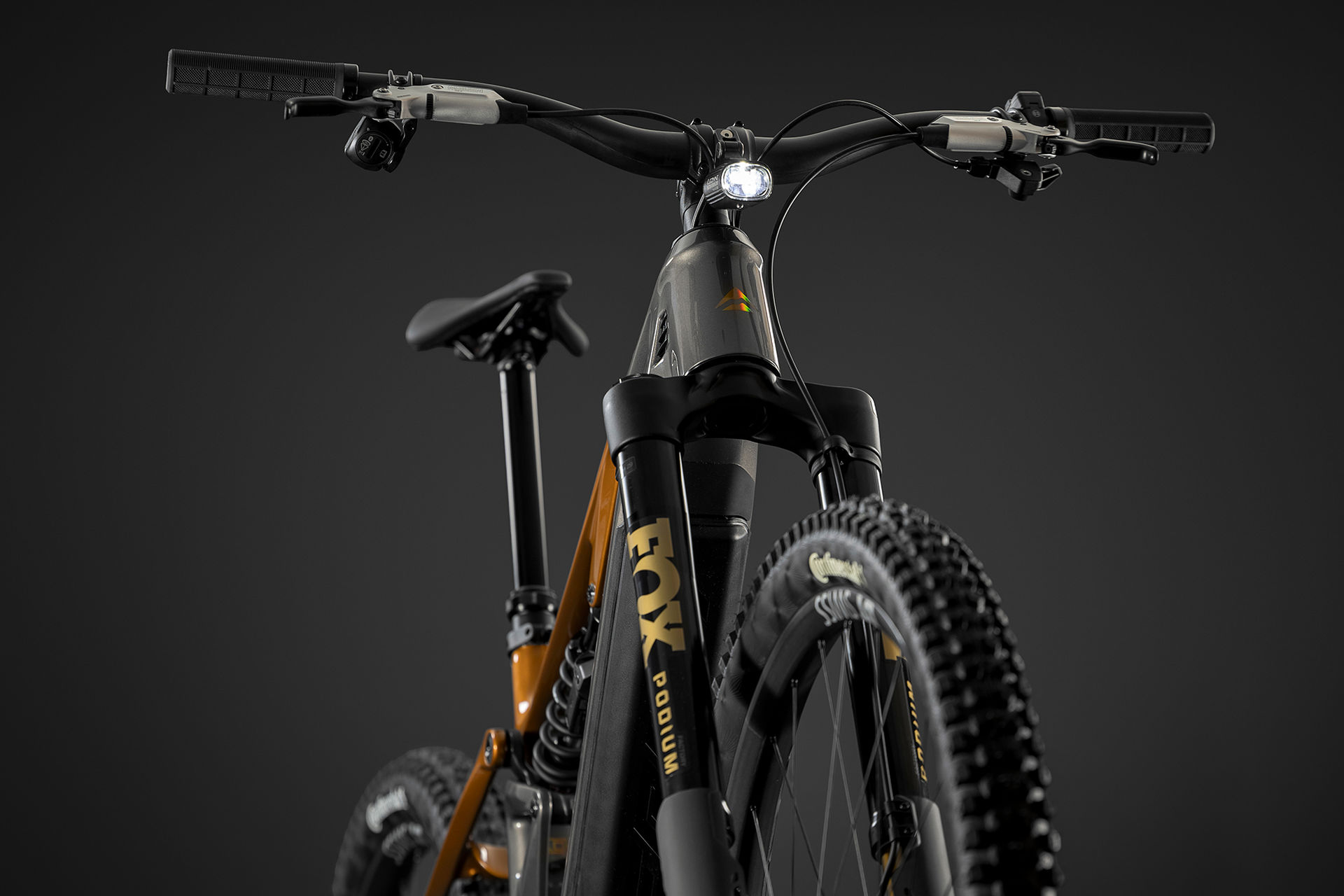
The Lithos is Merida's new long-travel e-enduro. The brand positions it as a platform for serious enduro riders and racers, with a CF3 carbon frame, 170 mm front travel and 174 mm rear travel in the mixed-wheel configuration, with a 29-inch front and 27.5-inch rear wheel as standard. It can also run dual 29-inch wheels via a flip chip, although rear travel then drops to 160 mm.
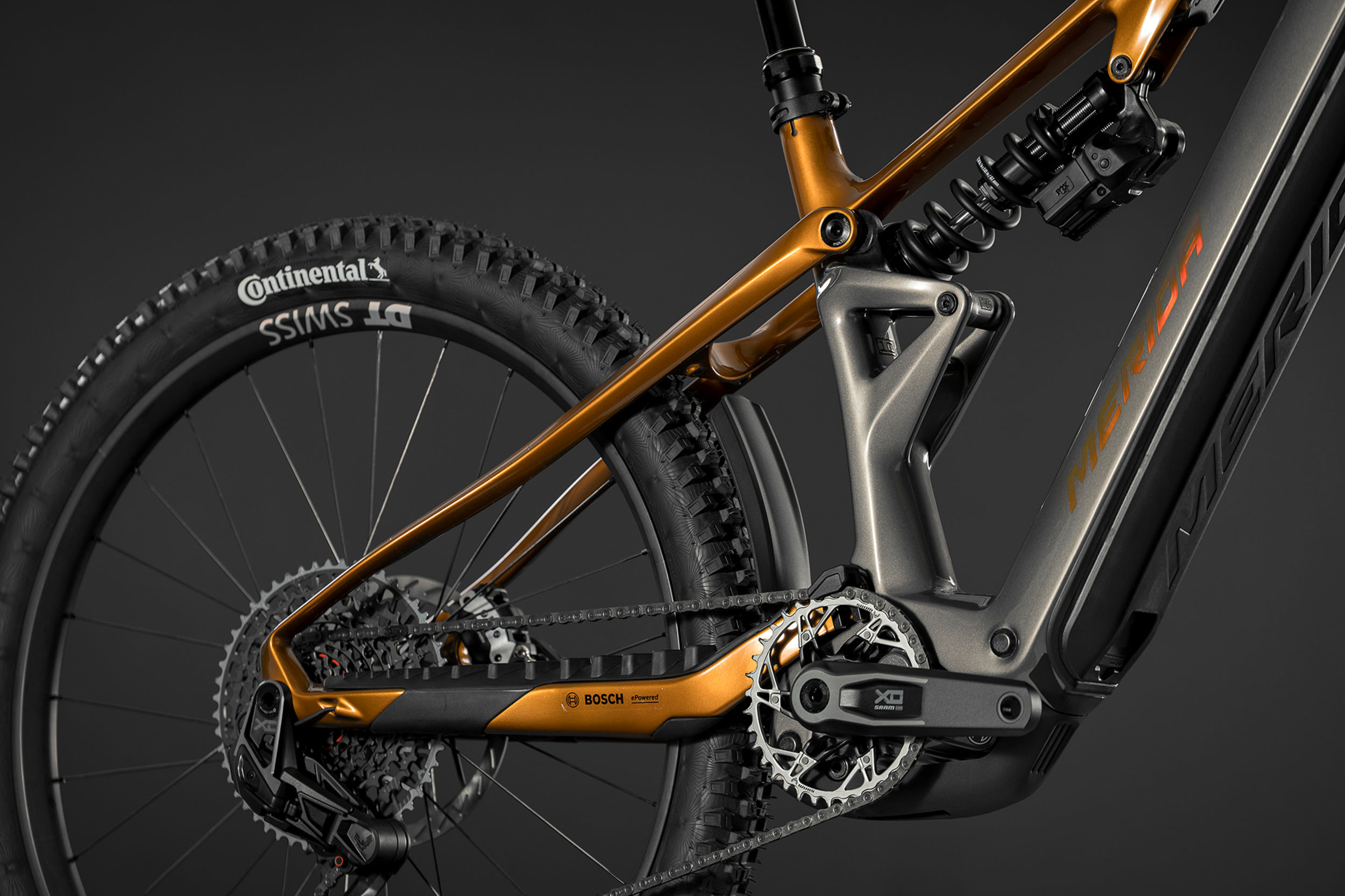
The electrical system is Bosch, not Avinox. Higher models use Bosch Performance Line CX-R and other builds use CX. Merida quotes maximums of 120 Nm and 750 W in the updated Bosch ecosystem, with 800 Wh or 600 Wh PowerTube batteries depending on whether range or weight is the priority. The message is clear: less headline competition, more established service support.
Although that sounds less glamorous than '150 Nm', it makes considerable sense for an enduro eMTB facing mud, impacts, battered bearings, taut cables, repeated battery removal and workshop visits. An eMTB is not bought on power alone. How it ages matters too.
Confirmed data, promise and opinion
| Block | What do we know | eMTB PRO's interpretation |
|---|---|---|
| Confirmed | CF3 carbon frame, 170/174 mm travel, Bosch CX/CX-R, removable 800 Wh battery and 600 Wh option. | A sound technical foundation. This is not a lightweight leisure bike: it is an enduro machine with a serious motor. |
| Confirmed | Standard mullet configuration and dual-29 option via flip chip, without changing the main geometry. | Interesting for those who want agility or speed, but understand that the rear travel changes. |
| Promise | Merida insists on durability, reliability, less maintenance and ease of service. | Sounds good, but it needs testing after months of mud, washing, impacts and disassembly. |
| Opinion | Choosing Bosch versus Avinox may seem conservative. | For many actual buyers, that may be precisely the sensible choice: service, spare parts and diagnostics ahead of a huge headline figure. |
Choosing Bosch: less showing off, more service support
In 2026, Avinox is the easy headline. DJI has put huge pressure on the market with more peak power, more integration and a stronger sense of 'this is the future'. But Merida chose Bosch for the Lithos, seemingly for a reason. On an enduro bike, a motor is not just propulsion. It means warranty, diagnostics, spare parts, updates, compatibility and workshops that know how to work on it.
Pinkbike summed it up well in its first look: Merida prioritises versatility, durability and reliability over selling the bike on weight and power alone. The Loam Wolf also highlighted that the updated Bosch CX Gen 5 already offers enough power, especially with the move to 120 Nm for low-speed technical sections.
Does that mean Bosch beats Avinox? No. It means some buyers value a mature support network more than having the most extreme motor in the discussion. And if you are spending EUR 7,000, EUR 9,000 or more than EUR 10,000 on an eMTB, that is no small detail.
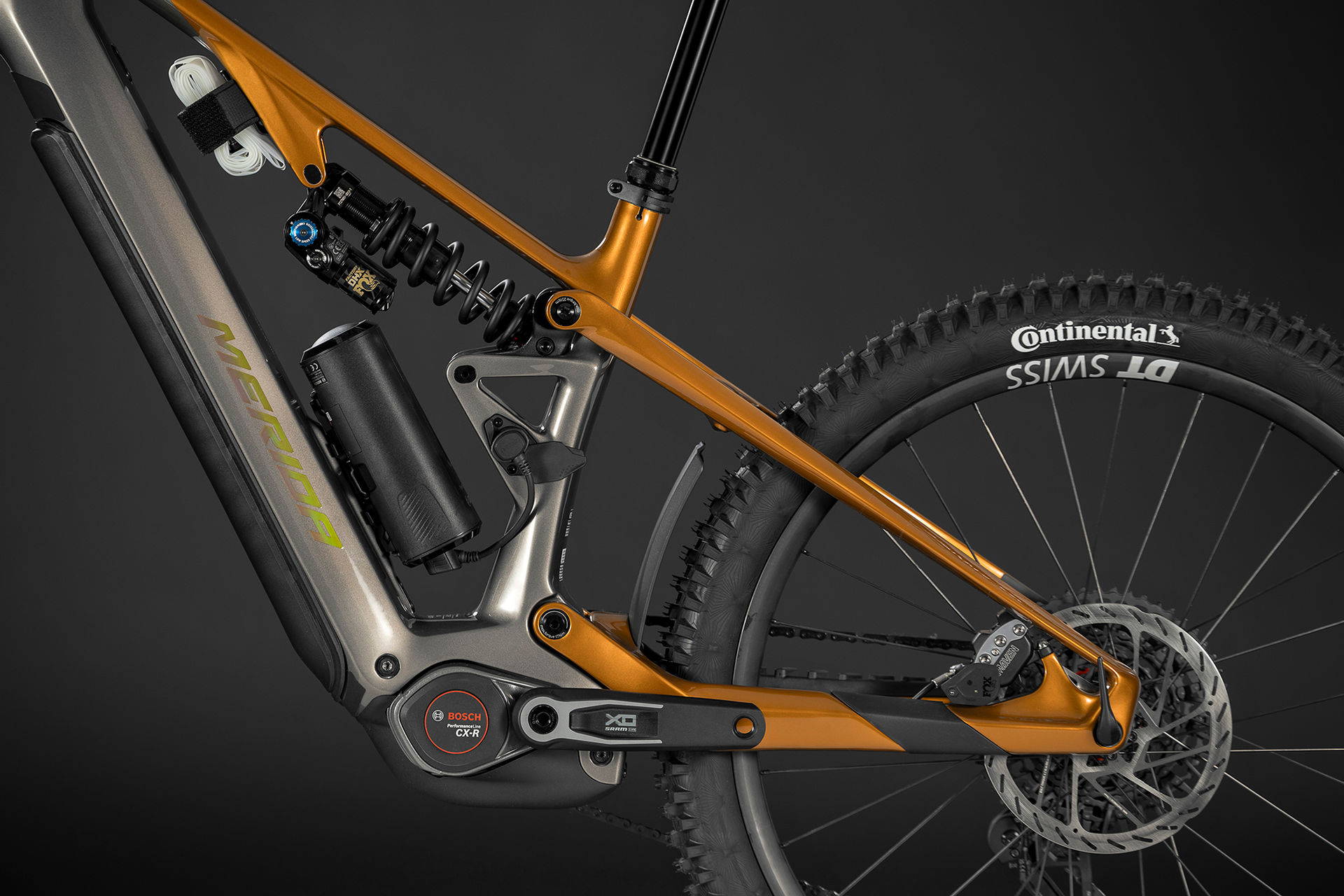
Travel and wheels: 174 mm at the rear, but note the dual-29 trade-off
The Lithos comes as a mullet: 29-inch front and 27.5-inch rear. That makes sense for electric enduro, retaining a large front wheel for stability and tracking the ground while leaving the rear more agile through tight turns and technical sections. It is not magic, but it helps.
Merida allows a 29-inch rear wheel using a flip chip. On paper, that is good news for anyone seeking better rollover and speed. But there is important small print: rear travel drops to 160 mm with dual 29-inch wheels. That is not necessarily bad. Just do not present it as 'the same bike with another wheel'. Its character changes.
For an everyday rider, I would put it this way: for lots of tight technical trails, slow descents and corners requiring a wheel lift, I would keep the mullet. For fast bike parks, open terrain and maximum stability, I would try dual 29-inch wheels. But I would buy for the setup I would actually use, not every option that looks appealing on the specification sheet.
Advertisement / sponsored link
A removable battery: this matters in real life
The removable 800 Wh battery is one of the Lithos's most practical features. Some brands have moved towards integrated batteries to save weight, improve looks or increase stiffness. Fine. But if you live in a flat, travel with the bike, charge outside the garage or do long rides, being able to remove the battery remains hugely valuable.
Advertisement / sponsored link
Merida also offers a 600 Wh battery for riders seeking a slightly more agile bike. According to the brand, the smaller battery has a different cover, while the 800 Wh version uses a bulkier one. I welcome the choice, but be realistic: on a powerful e-enduro with serious tires, a big fork and an 85-100 kg rider, 800 Wh is still very welcome.
My opinion: for hard enduro and long rides, I would buy 800 Wh unless you are absolutely sure you only do short rides or prioritise every gram. The smaller battery may suit light riders or areas with little climbing, but in Spain, with heat, rocks and long ascents, running short of battery is a needless way to ruin a ride.
What I would not buy without checking
Caution: a brand talking about durability does not mean the bike has already proved itself in real life. Check actual weight, creaks, bearings, mud ingress, drivetrain wear and spare-parts availability in Spanish shops.
The first point is weight. Merida does not always lead its messaging with weight, and while it is not everything in enduro eMTBs, it matters. A well-balanced 25 kg bike can descend very well, but it does not move like a 22.5 kg bike. Coming from an older eMTB, the difference may not bother you; coming from a light bike, it may.
What to check before buying
1. Actual weight of your size and build
Do not settle for 'approximate'. Ask for weight with pedals if possible, battery fitted and the actual riding configuration. In e-enduro, two kilos change the character.
2. Frame size and saddle height
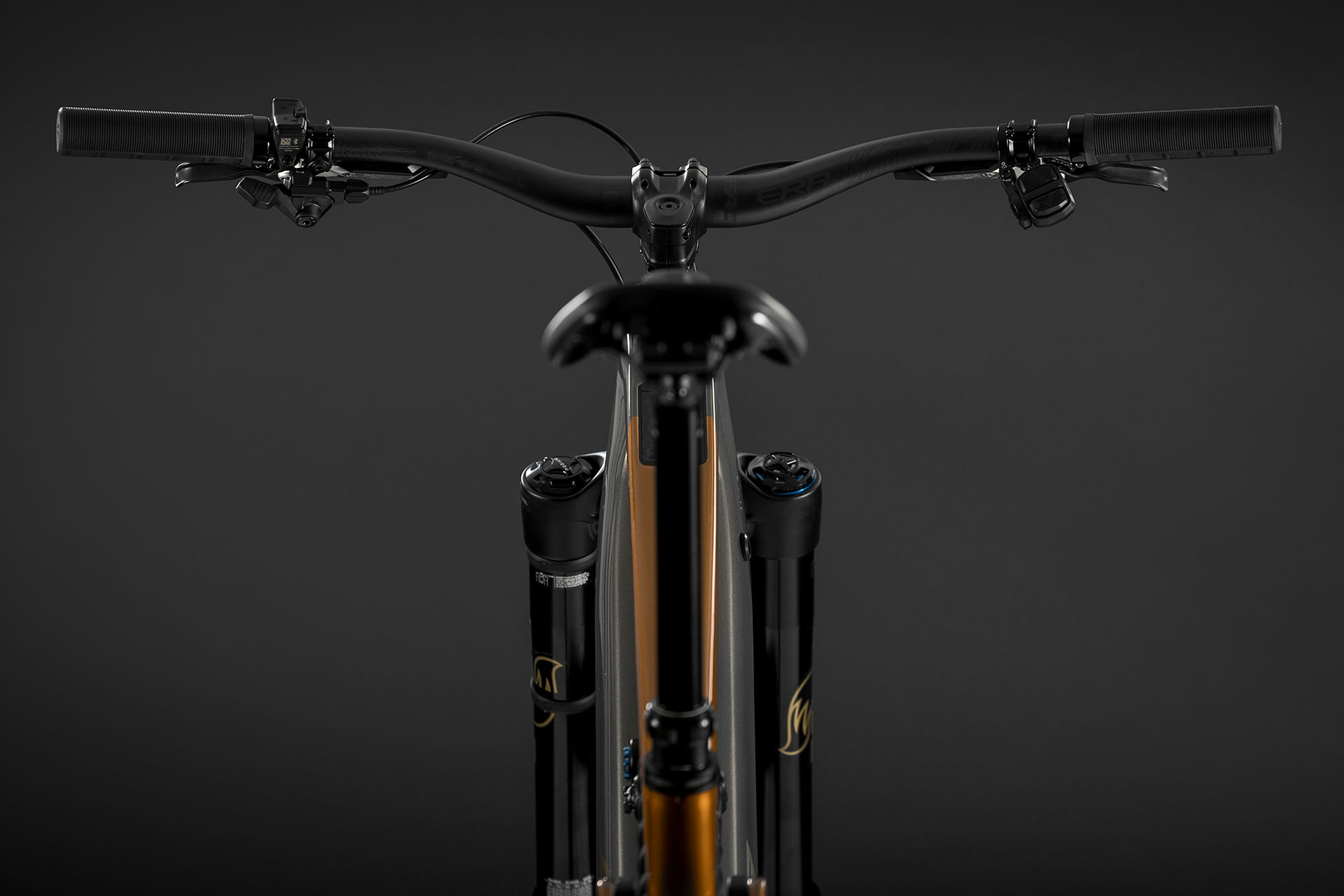
Merida uses relatively short seat tubes and an adjustable dropper post. Good, but check insertion, minimum height and effective length against your body dimensions.
3. The cable routing you actually want
Ask whether the shop supplies or can install semi-external routing. If you do a lot of maintenance, it may be worthwhile despite the less tidy appearance.
Real-world test that we would do
The eMTB PRO test would not be a pretty launch-event lap. We would test it as these bikes are used after purchase. First, an hour-long climb in hot conditions with a heavy rider and 100% battery, then repeat with the battery below 40%. That reveals whether the Bosch CX-R maintains its delivery, whether charge drops reasonably and whether the bike retains traction when the rider is tired.
eMTB PRO opinion
The Merida Lithos strikes me as a bike that may not win the biggest-number argument at the pub, but could win many real riders through the complete package. Instead of chasing Avinox headlines, Merida chooses Bosch, a removable battery, a carbon frame, serious travel and a healthy focus on durability.
Is it perfect? Surely not. We still need to see actual weight, final Spanish shop prices, availability, dropper-post behaviour, suspension feel with different riders and whether headset routing stays quiet after months of use. But the product direction seems right: an e-enduro should be sold on confidence, not power alone.
My quick take: for the most explosive motor on the market, you will look at Avinox. For a powerful e-enduro with Bosch support, a large battery, reasonable servicing prospects and an experienced brand, the Lithos deserves a place on the shortlist. I would not buy without testing fit and weight, but would not reject it for lacking the fashionable motor either.
Would you choose it over an Avinox bike?
Tell the community: Bosch for service, Avinox for power, Shimano for feel, or whatever has genuinely worked for you on the trails. Catalogues say plenty; owners discussing faults and real rides tell us more.
Sources consulted
- Merida Bikes: official Lithos 10K specifications
- Merida Bikes: official Lithos 8000 specifications
- Merida Bikes: technical page of the Lithos range
- The Loam Wolf: Merida Lithos first ride
- Pinkbike: Merida Lithos first ride
- BikeRumor: Merida Lithos introduction
- Bosch eBike Systems: MY2026 news and CX update
Have you used this bike, motor or component?
Join eRIDERSeMTB on Telegram to discuss real experiences with other riders: Bosch, Avinox, Shimano, deals, faults and buying decisions. The community currently speaks Spanish.
Join TelegramAdvertisement / sponsored link
Advertisement / sponsored link
Advertisement / sponsored link
Advertisement / sponsored link