Cannondale Moterra Carbon: batteries, builds and buying in Spain
Technical guide · eMTB PRO
600, 800 and 1,050 Wh make for different purchases. We examine the Moterra Carbon, the differences between two Spanish-market models and the battery, shifting and brake details to check before paying.
Advertisement / sponsored link
First, identify which Moterra you are looking at
The Cannondale Moterra Carbon deserves a place on a shortlist for more than its power: it combines a mountain-bike platform with several battery options and very different builds. Problems arise when a shop, a search engine and a photograph all call bikes 'Moterra 2' even though their components are not exactly the same.
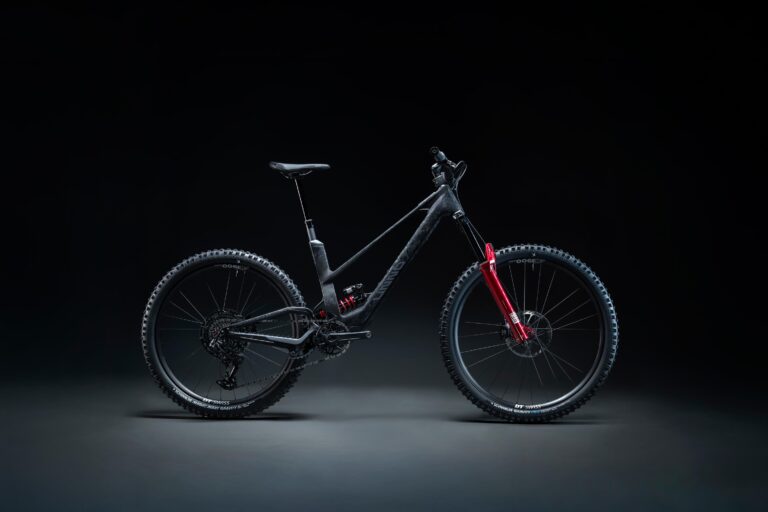
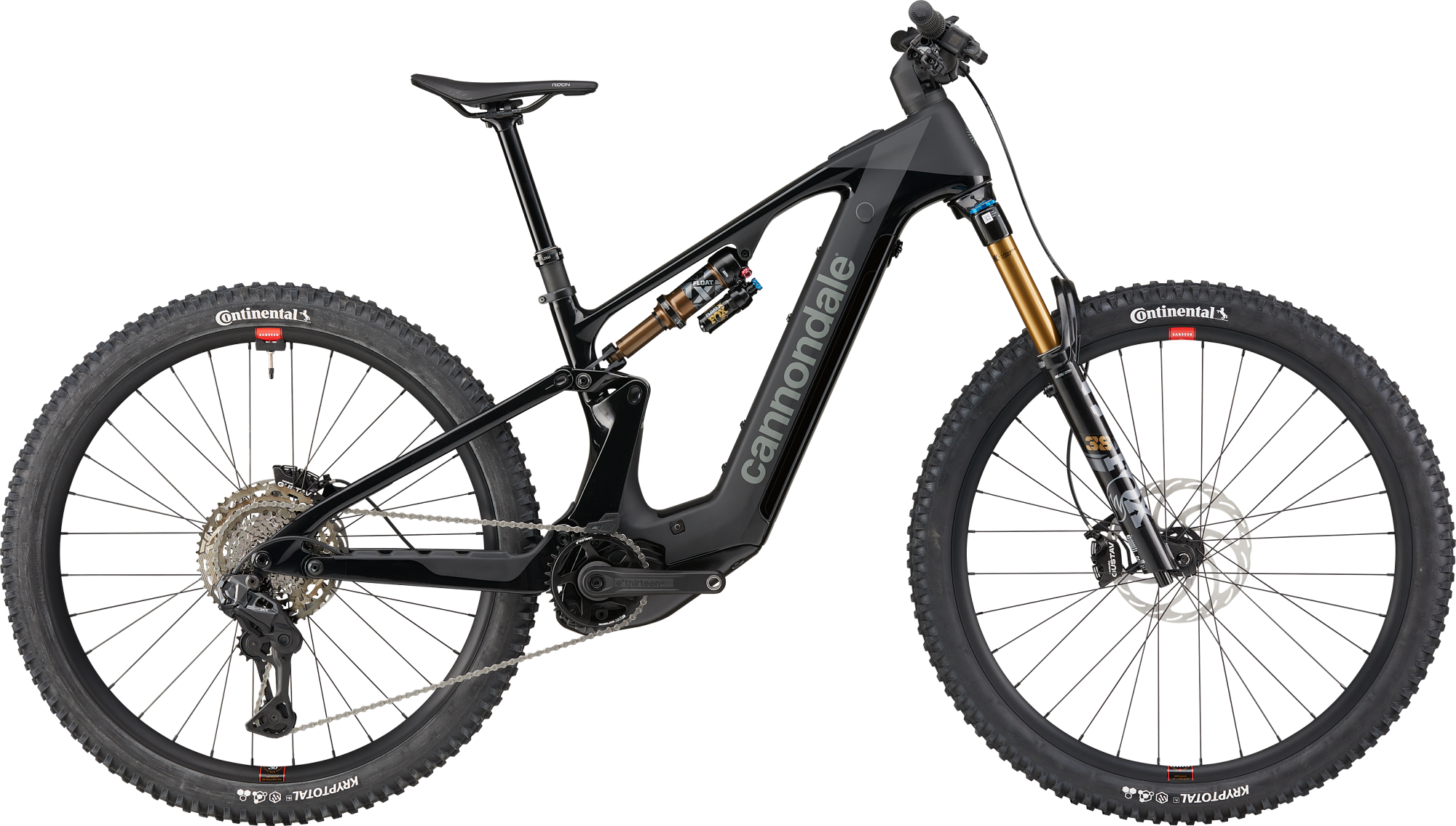
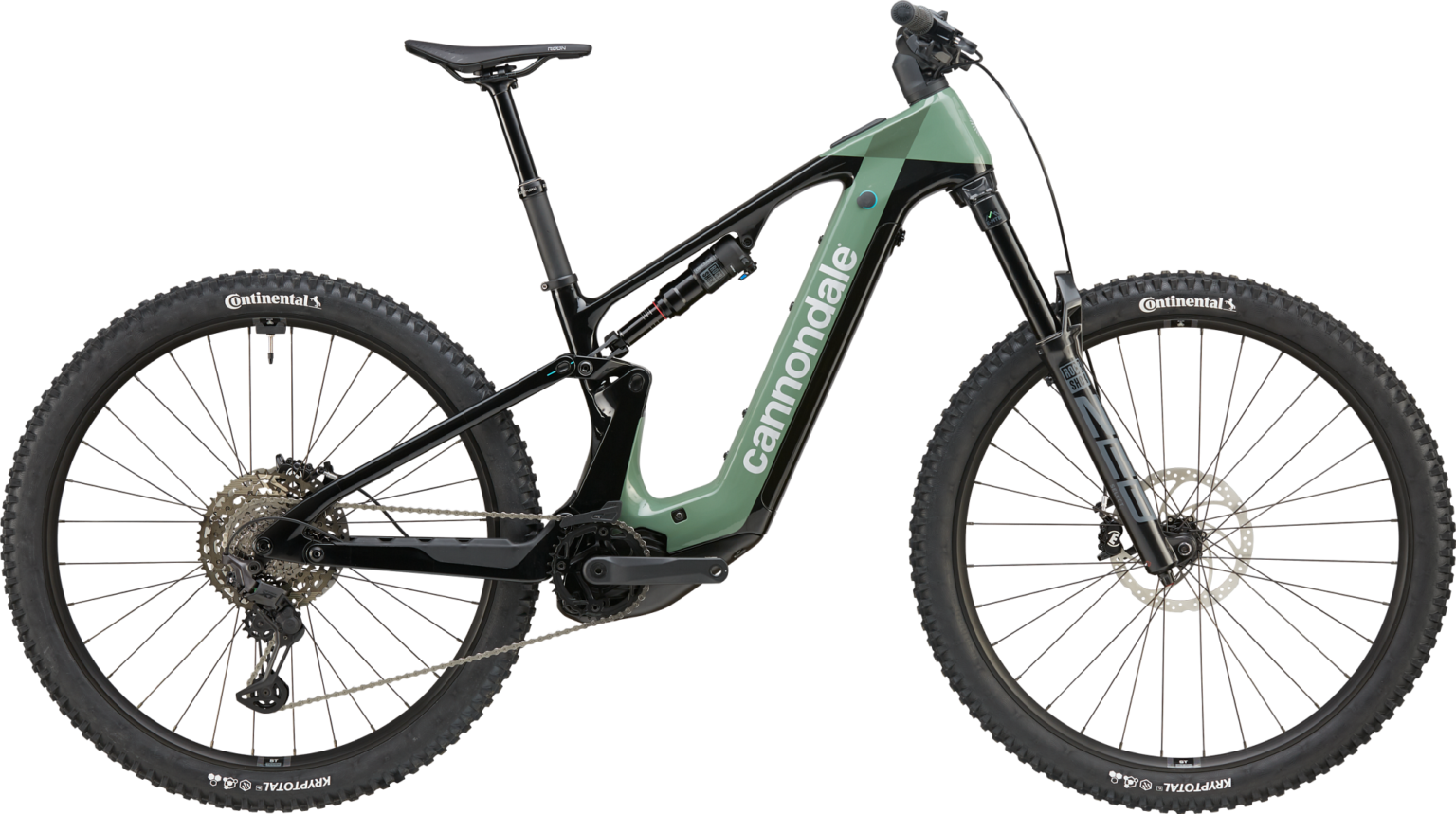
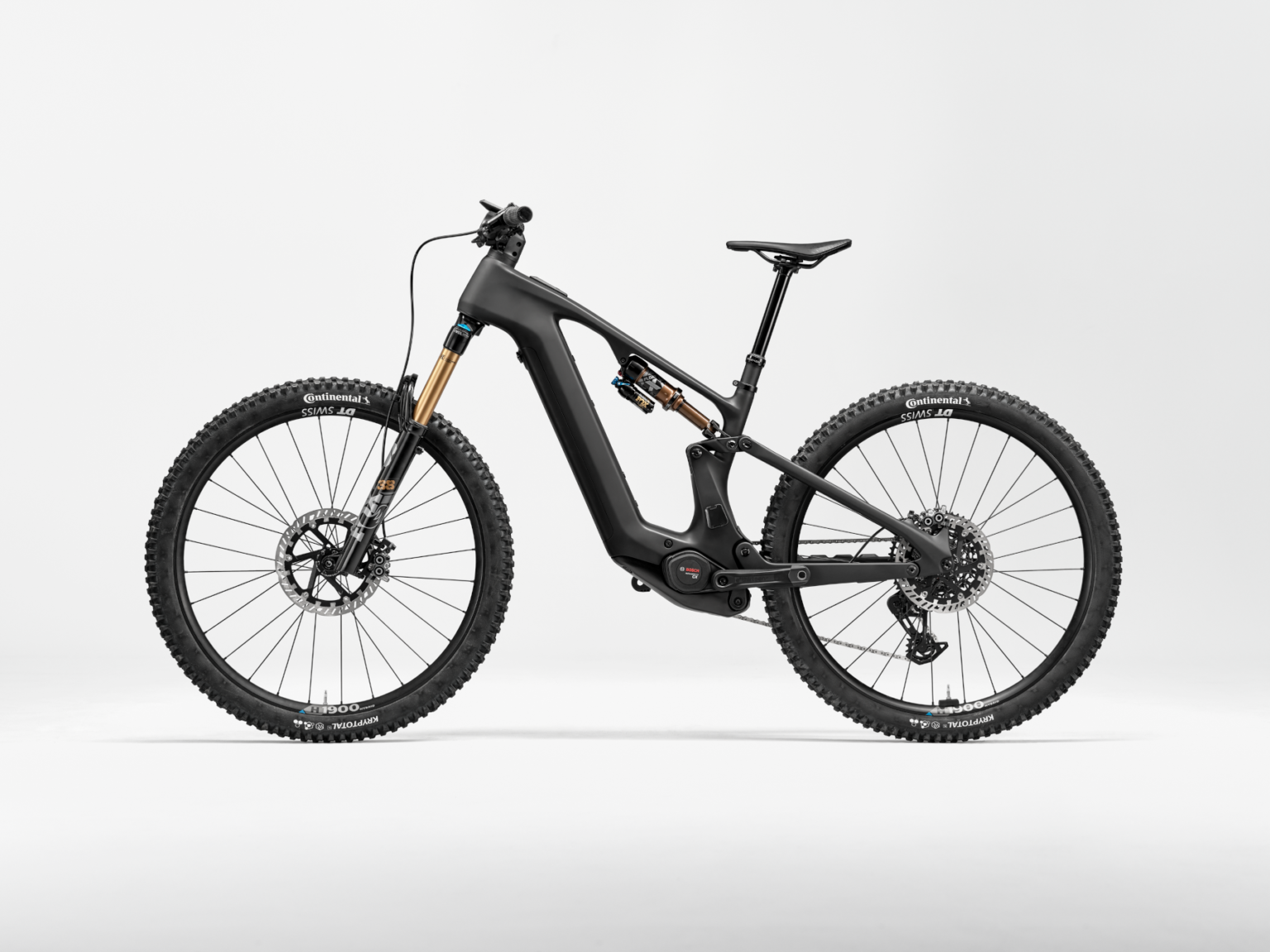
This is a document-based buying guide, reviewed in September 2026. We have not ride-tested this bike and are not announcing a new launch today. We compare product references from Spanish specification sheets, not an assumed identical range in every country. The cover shows the Moterra 1 SMU, C6501GU SMU; official Cannondale photograph.
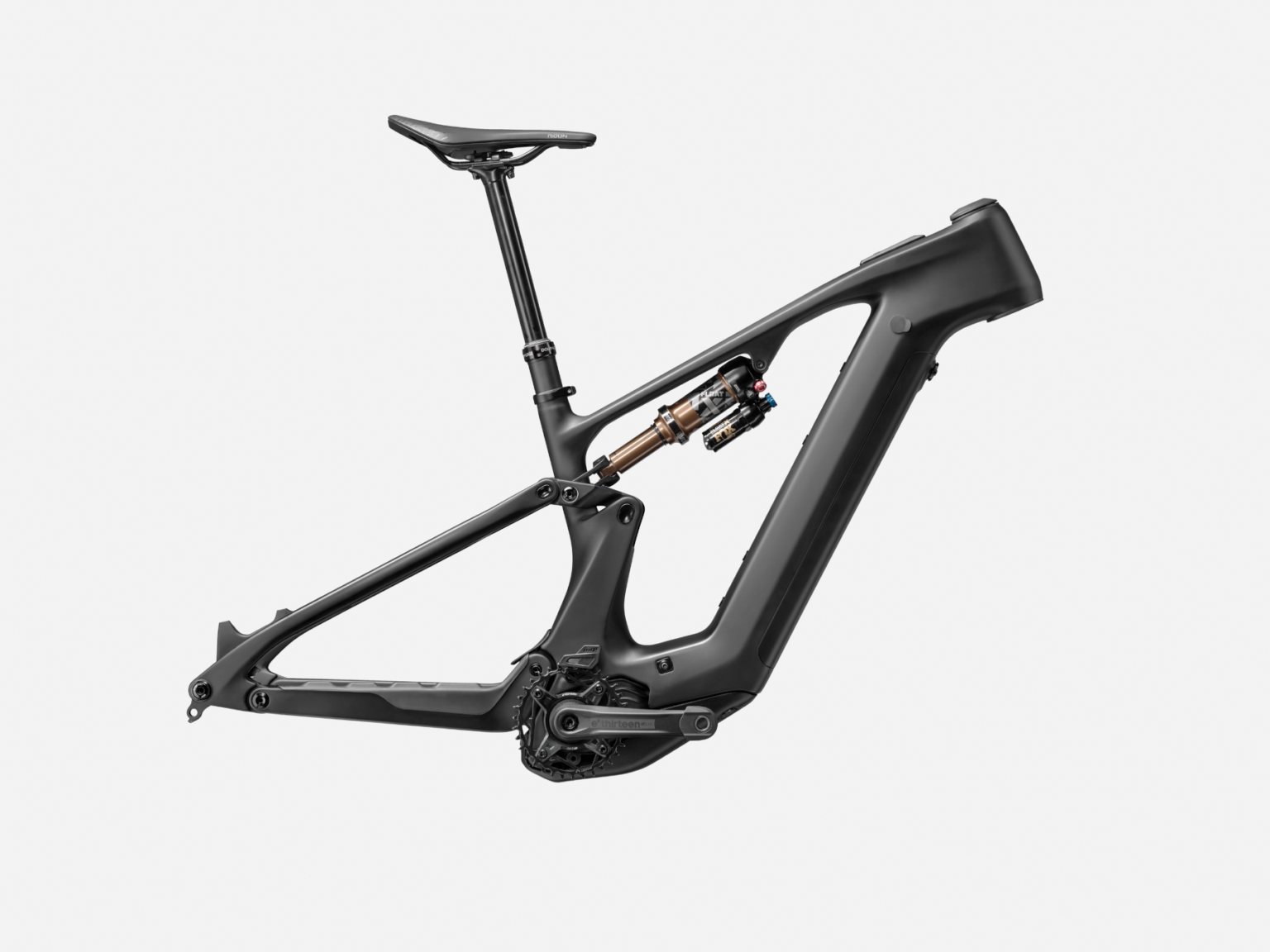
As a starting point, the presentation of the platform describes carbon construction, 29-inch wheels and nominal suspension travel of 160 mm front and 150 mm rear. Do not apply these details to a Moterra SL, LT or another generation just because it shares part of the name. Request the product reference, size and specification sheet for the exact bike: all three must match the quote.
Advertisement / sponsored link
600, 800 or 1,050 Wh: three needs, not three winners
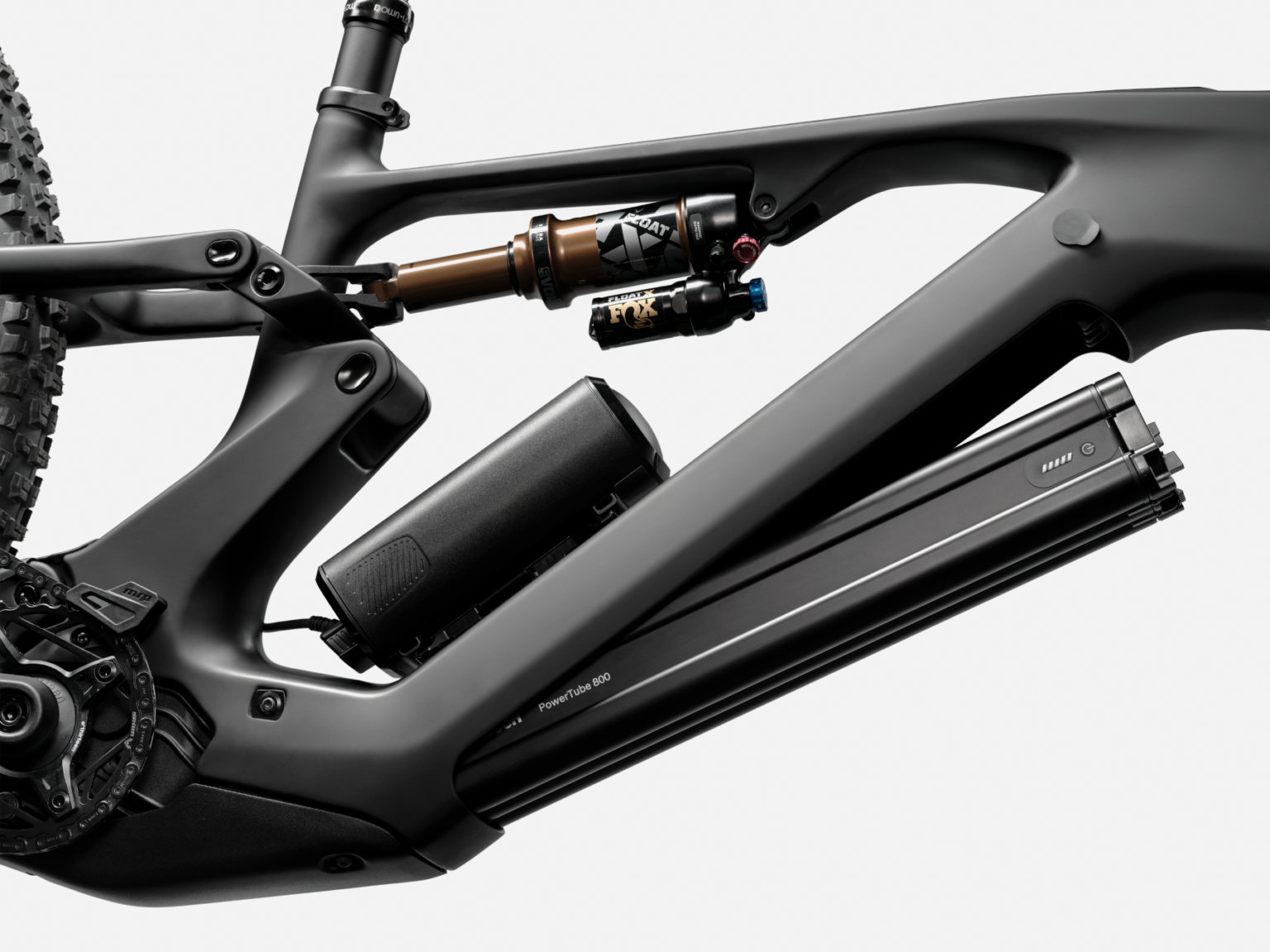
The Cannondale specification sheet lists an 800 Wh PowerTube, an interchangeable 600 Wh alternative purchased separately and up to 1,050 Wh with optional PowerMore. A compatible combination does not mean all batteries, mounts or cables are included in the price.
One battery for most of your rides
We would start with your last ten rides, not the longest one you dream of doing. Record duration, elevation gain and energy remaining. If you always finish with plenty in reserve, the smaller option is worth considering; if you already finish with little charge left, reducing capacity in pursuit of a lighter feel may be a poor decision. We do not claim a weight saving here without weighing equivalent configurations.
The range extender is an option, not a compulsory purchase
Moving from 800 to 1,050 Wh adds 31.25% more nominal energy. It does not guarantee the same increase in distance: the load carried and riding conditions change. There is also a very everyday question: where will you carry water if a battery occupies that space? Resolve it before ordering the accessory, not on the morning of a long ride.
How to do the sums without inventing range figures
A purely mathematical example helps distinguish capacity from range. Assume consumption of 12 Wh per kilometre, chosen to illustrate the calculation, not measured on this Moterra. Dividing 800 by 12 gives about 67 theoretical kilometres; with 1,050 Wh, about 88. If hypothetical consumption rises to 18 Wh/km, the results are approximately 44 and 58 km. None of these figures is a promised riding range.
This example shows why we would not buy a battery based on a distance in kilometres without context. A ride can change significantly with slower terrain, more climbing or greater assistance. Using all the nominal energy is not a sensible strategy for planning the return either: keep a reserve and plan a shorter alternative.
To choose between builds, we would request a test recording distance, elevation gain, assistance mode and battery percentage used. A short loop cannot predict a full day, but it starts a record that allows comparisons. Our guide to range, Wh and elevation gain explains this method. What matters is replacing a sales promise with your own repeated measurements.
Removable battery: the demonstration we would request in-store
The official Moterra Carbon supplement, revision 197433, covers removal on pages 16 to 18. This is more useful than a generic statement about integration. Ask for a demonstration with the bike stable and the system switched off, including the latch, key and correct cover placement. Do not improvise a procedure from a photograph.
There is an important PowerMore detail: page 15 specifies the Cannondale K76174 adapter and a particular 100 mm cable, Bosch EB12.120.04D. Before buying a separate kit, the workshop must confirm the parts applicable to your bike. 'Supports an extender' does not mean 'any Bosch cable fits'.
At home, consider where you will store and charge it, and how you will keep the spare key safe. If you need to carry it upstairs, try handling it yourself: a removable battery does not mean a lightweight bike. Nor should you infer from the photograph that you can ride without covers or use an unapproved battery. Everyday convenience and correct fitting matter more than saving a few seconds when putting it away.
Bosch CX: confirm the configuration, not just the logo
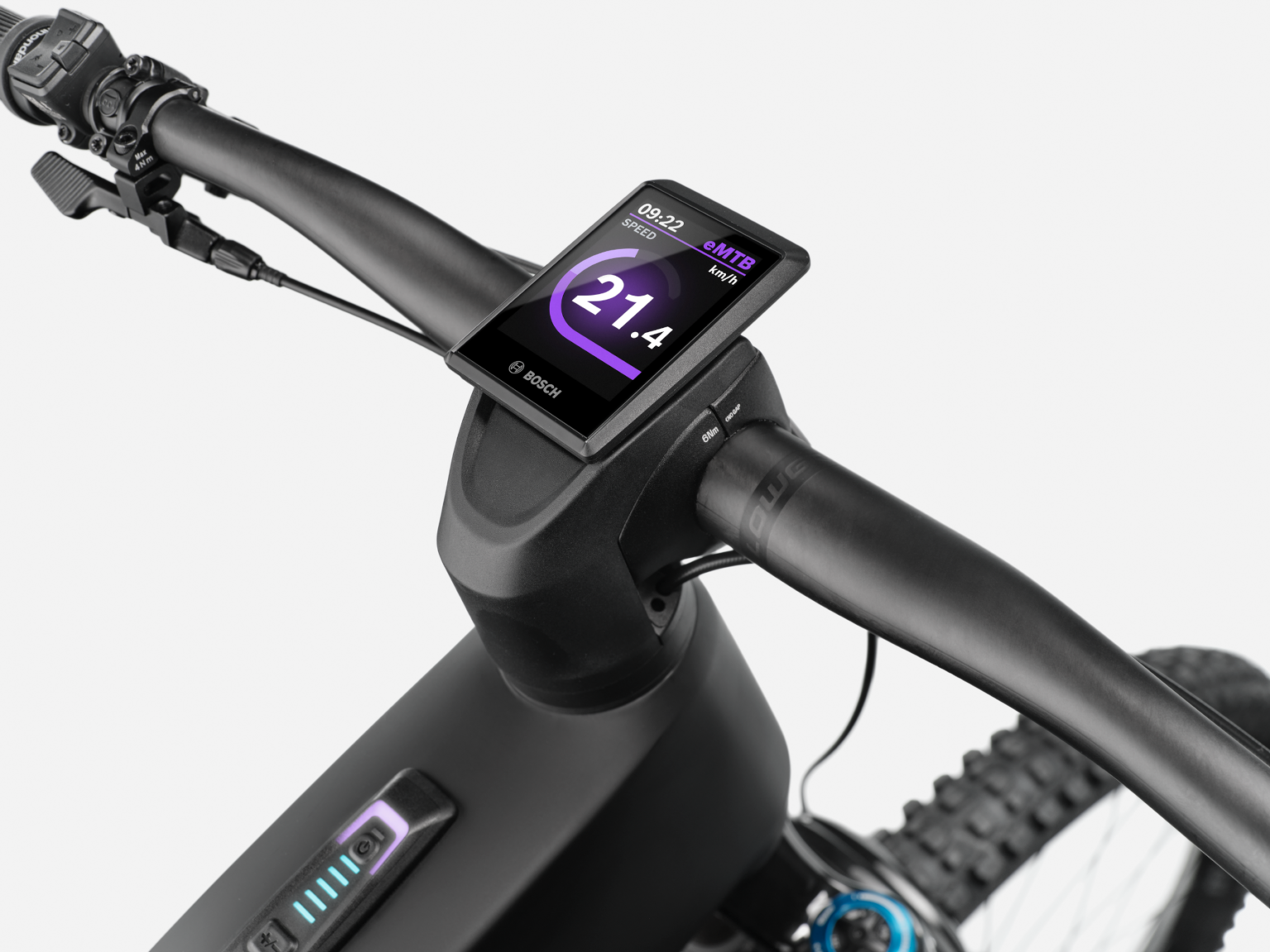
The current range page advertises up to 120 Nm and a maximum of 750 W. These are manufacturer figures, not our measurements or a guarantee that a bike held in stock has that configuration installed. We would ask to see the system information and the update authorised for that bike before accepting delivery.
This check matters because the Cannondale Compatibility FAQ still describes an earlier 100 Nm update. Do not turn that explanation's figure into a promise of unlimited upgrades. The dealer should clarify any discrepancy for the relevant serial number, software and authorisation.
Next I would check something less spectacular: whether you can read the screen, operate the controls and change assistance without diverting too much attention. Ask for their positions to be adjusted with your usual gloves and riding posture. A maximum figure impresses in an advert; an interface you understand matters on every ride. We do not consider it proven that more torque will make every trail more enjoyable.
Advertisement / sponsored link
Advertisement / sponsored link
Moterra 1 SMU and Moterra 2: compare the full reference
These are two official Spanish specification sheets consulted, not every available build. The links lead to C6501GU SMU and C65024U. If your offer has another code, redo the comparison using its equipment.
| Component | 1 SMU · C6501GU SMU | 2 · C65024U |
|---|---|---|
| Suspension | Fox 38 Factory and Float X Factory | RockShox ZEB Select and Deluxe Select+ |
| Drivetrain | XT Di2 M8260, 11-speed | Mechanical XT M8130, CUES U8000 shifter |
| Brakes | Magura Gustav Elite | Magura MT5 |
| Wheels | Reserve 30|HD AL | WTB ST i30 Tough rims |
| Display | Kiox 500 | Kiox 300 |
We do not publish a Spanish price without verifiable confirmation for those product references and your size. A useful quote should specify VAT, fitting, delivery, accessories and the terms of the initial service. Nor would we assume a discount on an earlier model beats every current offer: first establish what it actually includes.
The price difference needs to be justified component by component for your use. If the issue is an uncomfortable position or the wrong size, better suspension will not fix the purchase. If the fit is right and you will use the build's capabilities, assessing the upgrades as a whole does make sense.
Two future costs to understand: shifting and brakes
The XT RD-M8260 is an eleven-speed Di2 rear derailleur powered by the eBike system. Do not confuse it with another twelve-speed electronic XT variant or budget for maintenance as though everything labelled XT were interchangeable. Our XT Di2 variants guide explains that distinction.
The official firmware history of Shimano documents automatic shifting functions linked to Bosch integration. That alone does not establish which functions are active on a particular bike when delivered. If they interest you, ask for a working demonstration and an explanation of updates and technical support.
Something like that happens with the brakes. Magura Gustav Elite accepts 2.0 or 2.5 mm rotors according to the manufacturer. The 2.5 mm MDR-S has a stated wear limit of 2.1 mm. These specifications are specific to this product: do not apply that combination to an MT5 or buy replacements by diameter alone.
When comparing quotes, we would add the cost of a chain, cassette, brake pads and suspension servicing. This is not to make maintenance sound frightening, but to avoid spending everything on the bike and then delaying important consumables. A list of part references written by the shop simplifies future purchases.
Sizing and a useful test matter more than a long spec sheet
There is a discrepancy worth making explicit: the introduction states 150 mm of rear travel, while page 12 of the platform manual specifies 150 mm for S/M and 155 for L/XL. We would not resolve this difference by changing the rear shock or assuming one universal figure is correct. Confirm the specification for the size and build before modifying anything.
For an initial assessment, we would ask for three simple checks. First, get on and off the bike with the dropper post at its riding positions. Then ride slowly in a permitted area to see whether you can comfortably reach the controls and brakes. Finally, if a demo bike and safe conditions are available, ride a familiar route with the suspension setup recommended by the workshop.
You do not need an extreme descent to discover the wrong size. Record tire pressures and the settings used: changing several things at once prevents you from identifying the problem. Do not choose a larger size simply because it looks more stable in a chart; you need to handle it and move naturally.
What we would check for several years of ownership
The spec sheet ends where ownership begins. Before paying, ask who handles electrical faults, who obtains frame parts and how long suspension servicing usually takes. These are separate questions; a shop that can explain them clearly adds value even without the lowest price.
Also check charging-port access, protection of exposed areas, battery retention and the availability of keys and covers. We do not promise spare-part lead times: ask locally and keep the bike's documentation. Photograph its reference and build when collecting it to avoid future uncertainty.
The gallery even shows practical details such as the kickstand mount. Its existence does not make every accessory compatible or authorise lifting or supporting the bike from that point. If you will combine trail rides with everyday trips, prepare an accessory list and check compatibility before buying items separately.
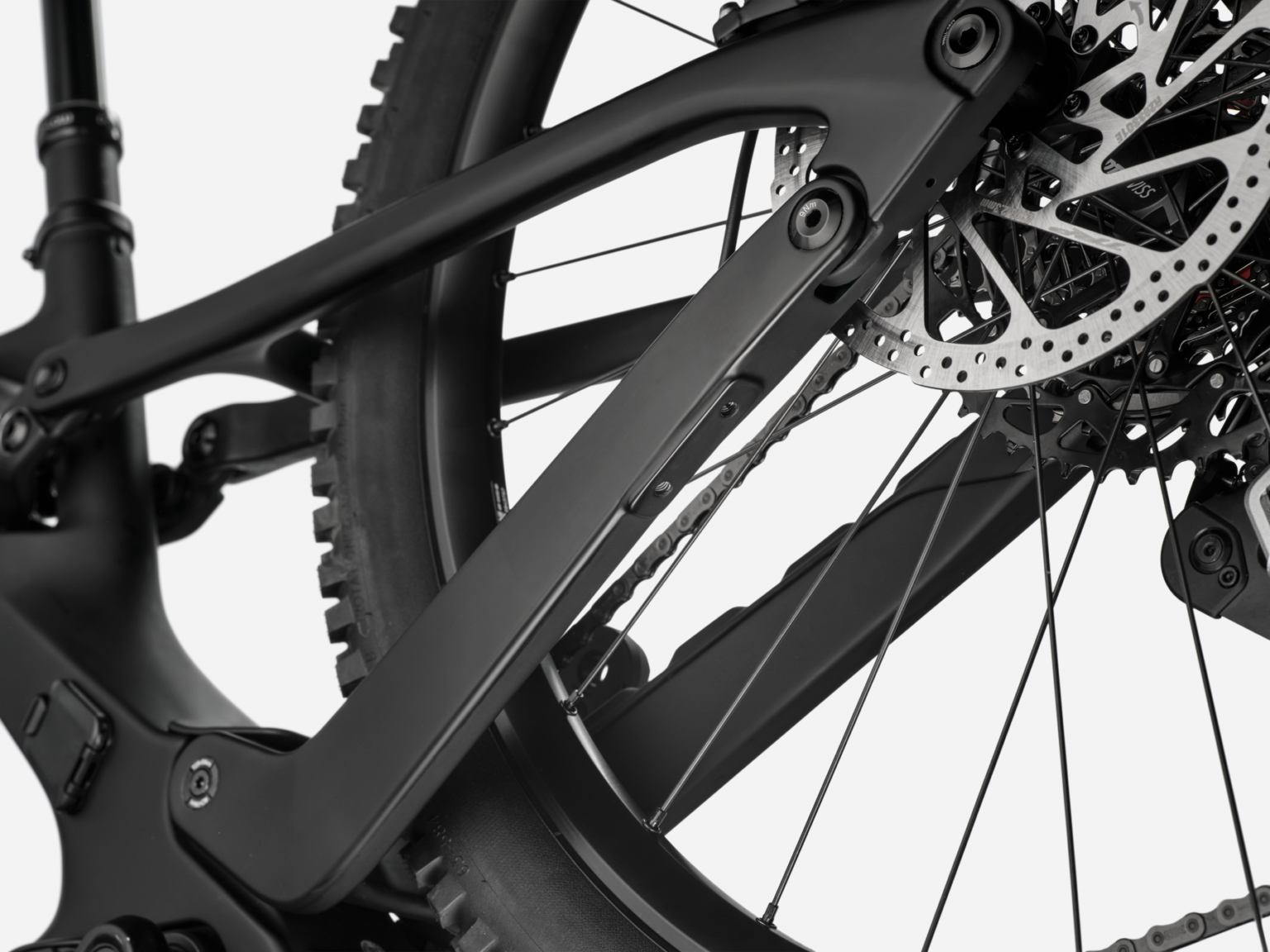
When buying remotely, we would also request a video demonstration of the exact bike and confirmation of the delivery service. A catalogue image helps explain the platform; it does not replace checking what is inside the box.
Our purchase decision, by type of use
- Regular rides with plenty of battery left: consider the smaller option after checking the total cost and the actual difference in handling. Do not buy two batteries just because you can.
- One bike for varied rides: use the standard configuration as a baseline and record consumption before adding accessories. Decide based on your rides, not advertised range.
- Frequent long days: request a firm quote for the extender, its parts and a way to carry water. The solution must work as a complete setup.
- Interest in electronics and suspension: assess the higher-spec build with a demonstration of its functions. Paying for something you do not understand or will not use does not make it a better purchase.
- Tight budget: prioritise size, condition, applicable warranty and workshop support. A well-chosen mechanical version may make more sense than moving up the range at the expense of maintenance.
The Moterra Carbon is worth considering if you want this combination of platform, removable battery and equipment options. But we would not declare it a winner over every eMTB without an actual comparison. Our recommendation is to leave the shop with fewer uncertainties, not the biggest number.
Questions before finalising the order
Does the extender appear in the photos because it's included?
No. The technical image illustrates a possible configuration. Ask for the additional battery, cable, adapter and fitting to be itemised separately in the quote.
Do all the photographs show exactly the same build?
No. There are photographs of the two models compared and technical images of the platform. Their captions explain each image's role; do not take a wheel or brake in the general gallery as proof of the equipment you will receive.
Advertisement / sponsored link
Is this guide for an old Moterra on offer?
It provides a checking method, not a specification sheet for another generation. Check the product reference, battery, frame and electrical system before assuming any compatibility carries over.
What would I take to the shop in writing?
My current size and measurements, three representative rides, total budget and questions about the battery, software and maintenance. I would ask for an offer with the exact product reference and a demonstration, not just a photograph and a discount.
Sources and documentation
Information checked on 29 September 2026. Editorial guide based on official documentation, not our own ride test. Equipment and availability may vary by market.
- Cannondale Spain: Moterra Carbon introduction
- Cannondale Spain: Moterra 1 SMU, C6501GU SMU
- Cannondale Spain: Moterra 2, C65024U
- Cannondale: Moterra Carbon manual 197433 Rev. 1, Spanish
- Cannondale: compatibility with the earlier Bosch CX update
- Shimano: 11-speed XT RD-M8260
- Shimano: official firmware history
- Magura: Gustav Elite
- Magura: MDR-S 2.5 rotor
Have you used this bike, motor or component?
Join eRIDERSeMTB on Telegram to discuss real experiences with other riders: Bosch, Avinox, Shimano, deals, faults and buying decisions. The community currently speaks Spanish.
Join TelegramAdvertisement / sponsored link
Advertisement / sponsored link
Advertisement / sponsored link