Rossignol After Hours: Bosch CX, 800 Wh and an aluminium eMTB that goes against Avinox fever
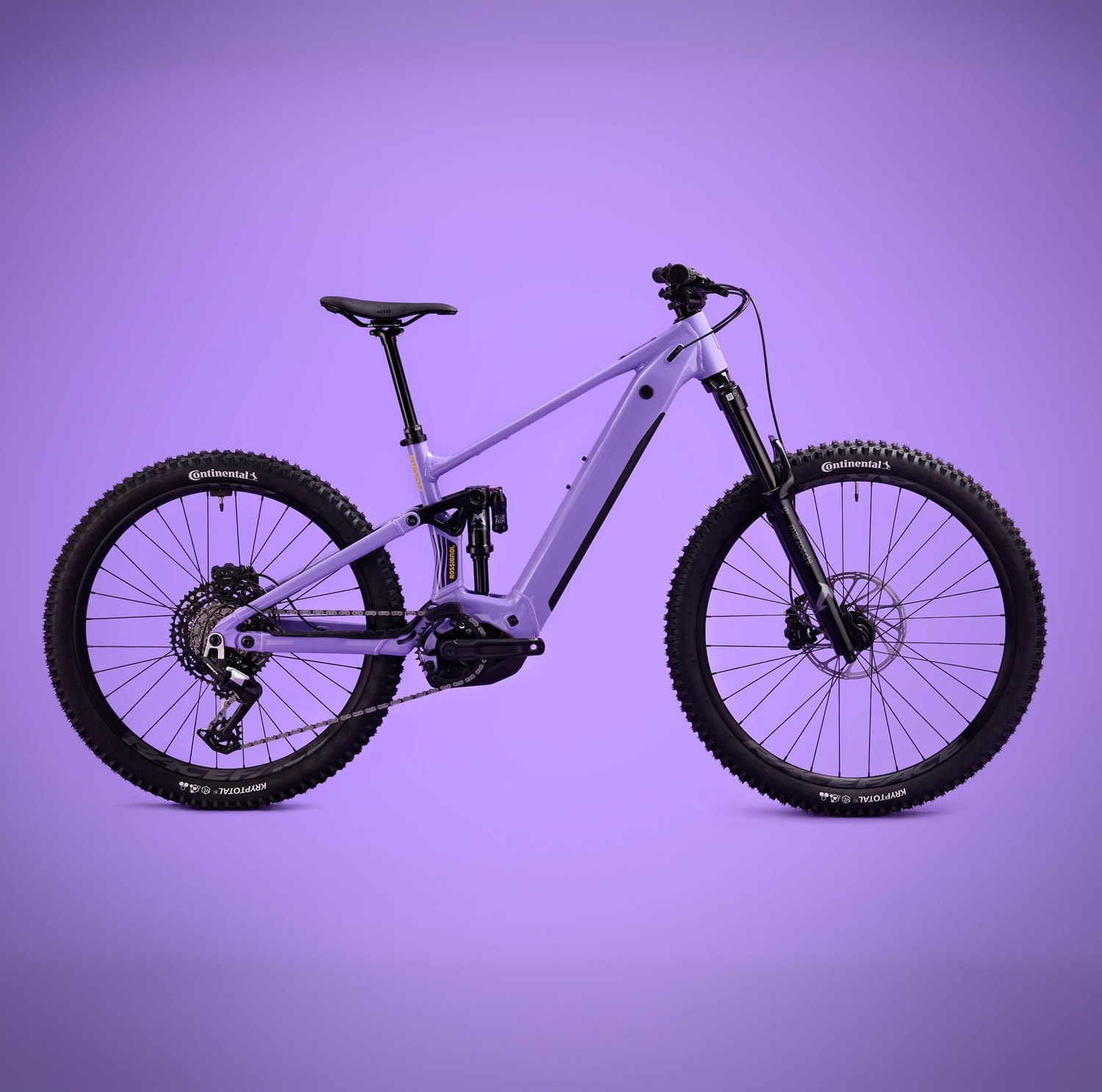
The Rossignol After Hours is not trying to break the internet with 150 Nm or a showpiece carbon frame. It arrives with Bosch Performance Line CX, a removable 800 Wh battery on higher-spec versions, 160/150 mm travel, an aluminium frame and a less glamorous but very important aim: standing up to real-world use.
Advertisement / sponsored link
That is interesting right now. While half the market chases DJI Avinox, Rossignol offers an aluminium Bosch eMTB with serious builds and prices that are not cheap, but do not enter the EUR 12,000 league either. Let us examine it without repeating the brochure: confirmed facts, brand promises and clear opinion for anyone considering buying one.
Advertisement / sponsored link
Confirmed: not a lightweight eMTB, but a robust all-mountain bike
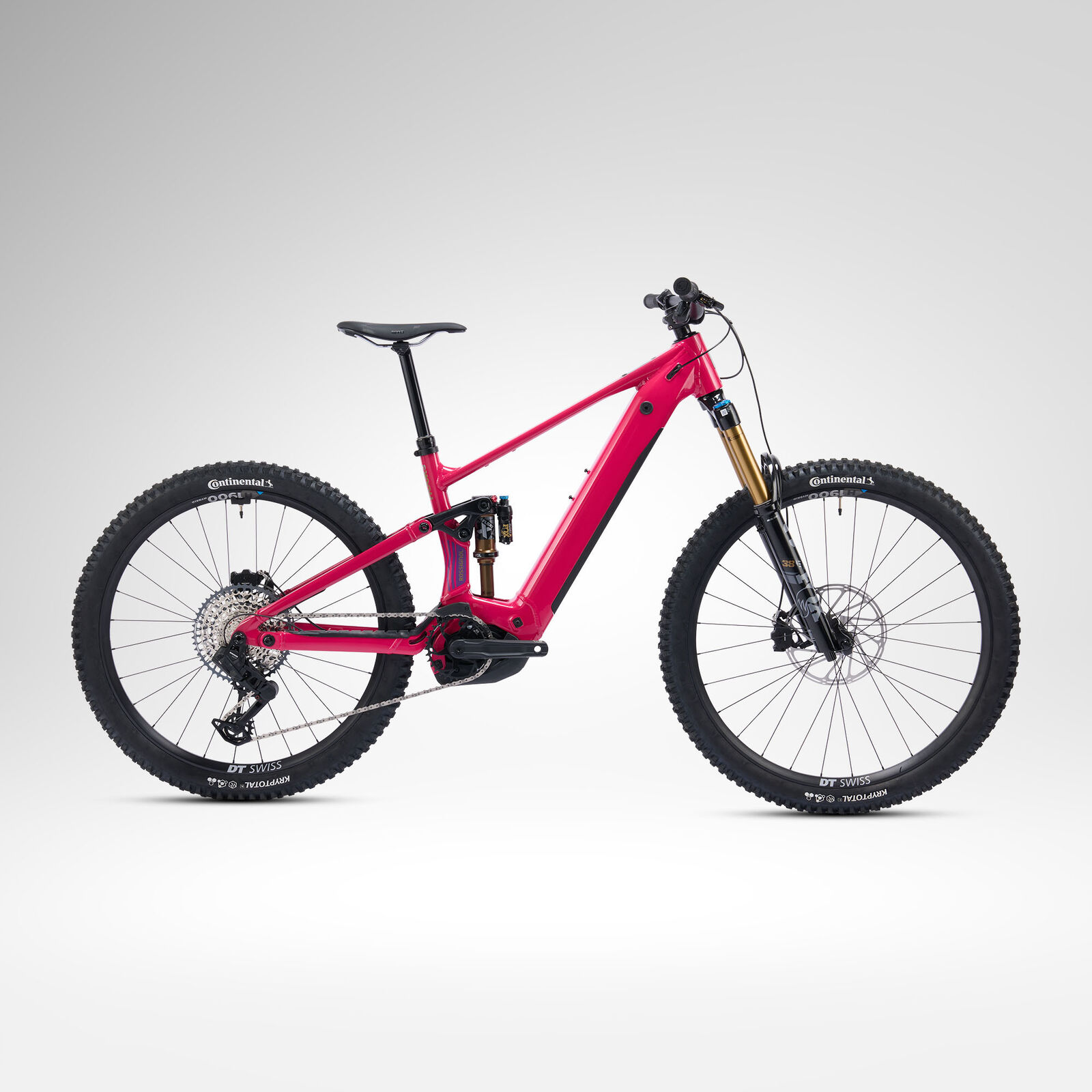
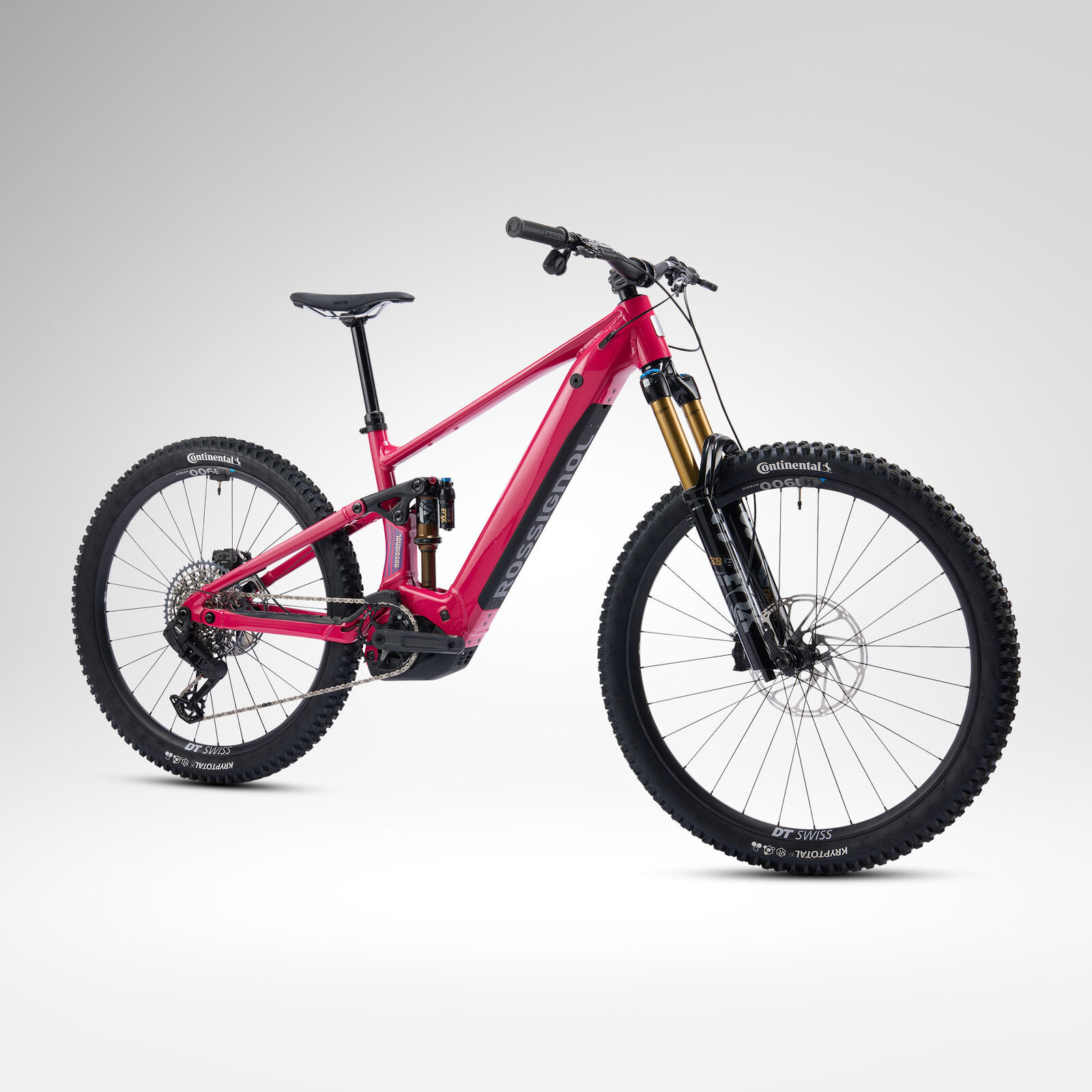
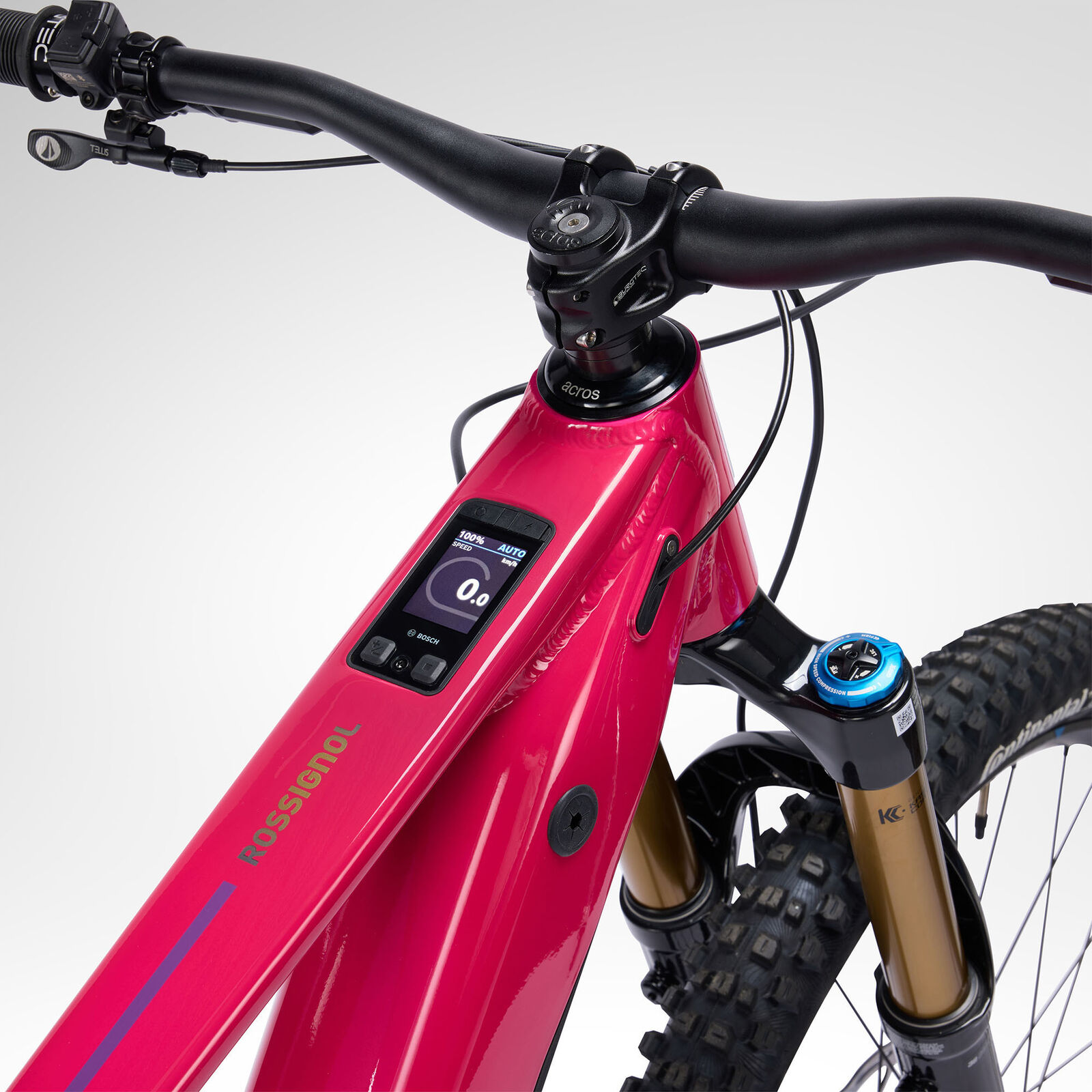
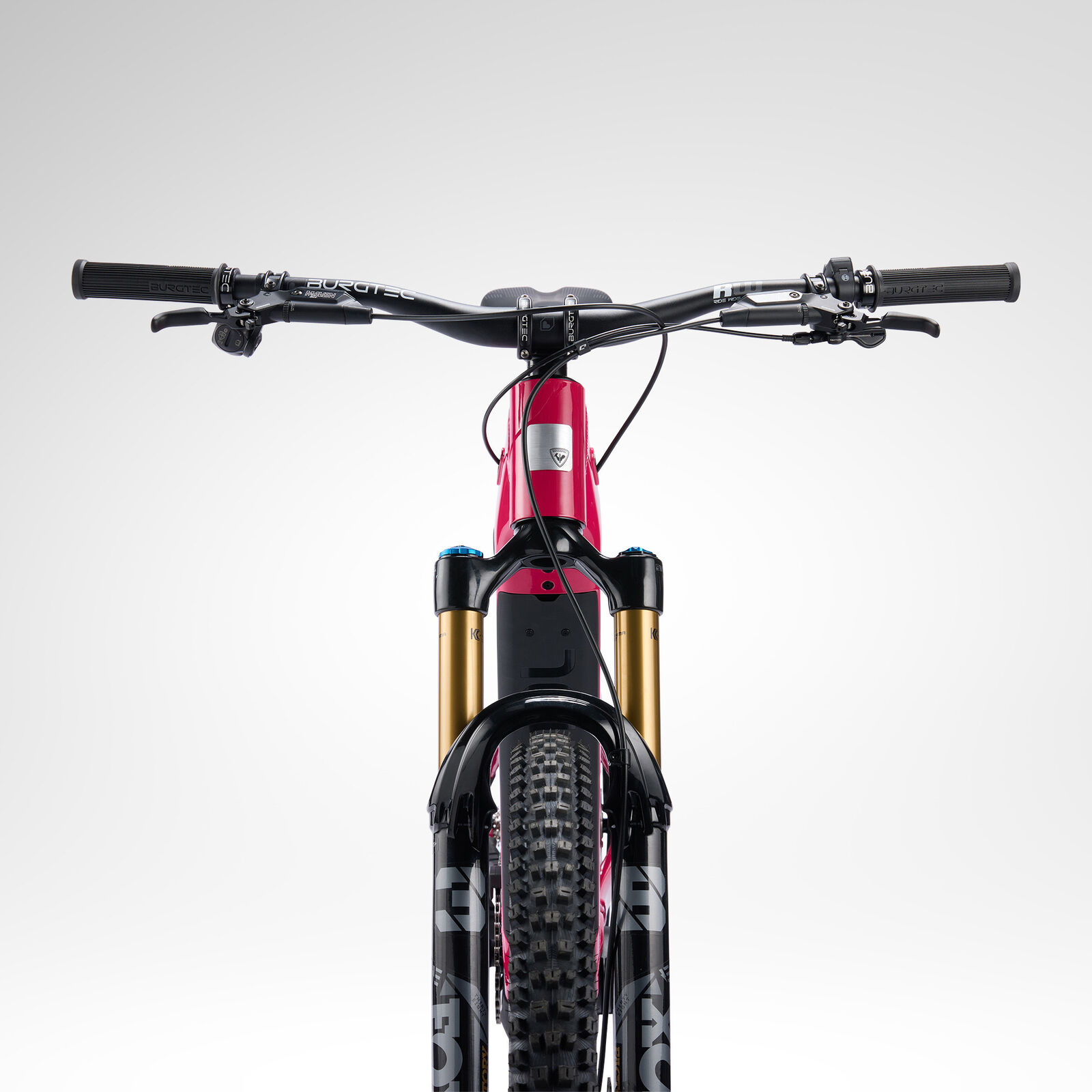
Rossignol presents the After Hours as a trail/all-mountain eMTB made from aluminium, with mixed 29/27.5-inch wheels, four-bar suspension, 160 mm front travel and 150 mm rear travel. The After Hours T-Type uses Bosch Performance Line CX, an 800 Wh PowerTube battery, Bosch Kiox 400C display, Fox 38 Factory fork, Fox Float X Factory rear shock, SRAM S1000 Eagle T-Type drivetrain powered by the main battery and four-piston SRAM Maven Silver brakes with 200 mm rotors.
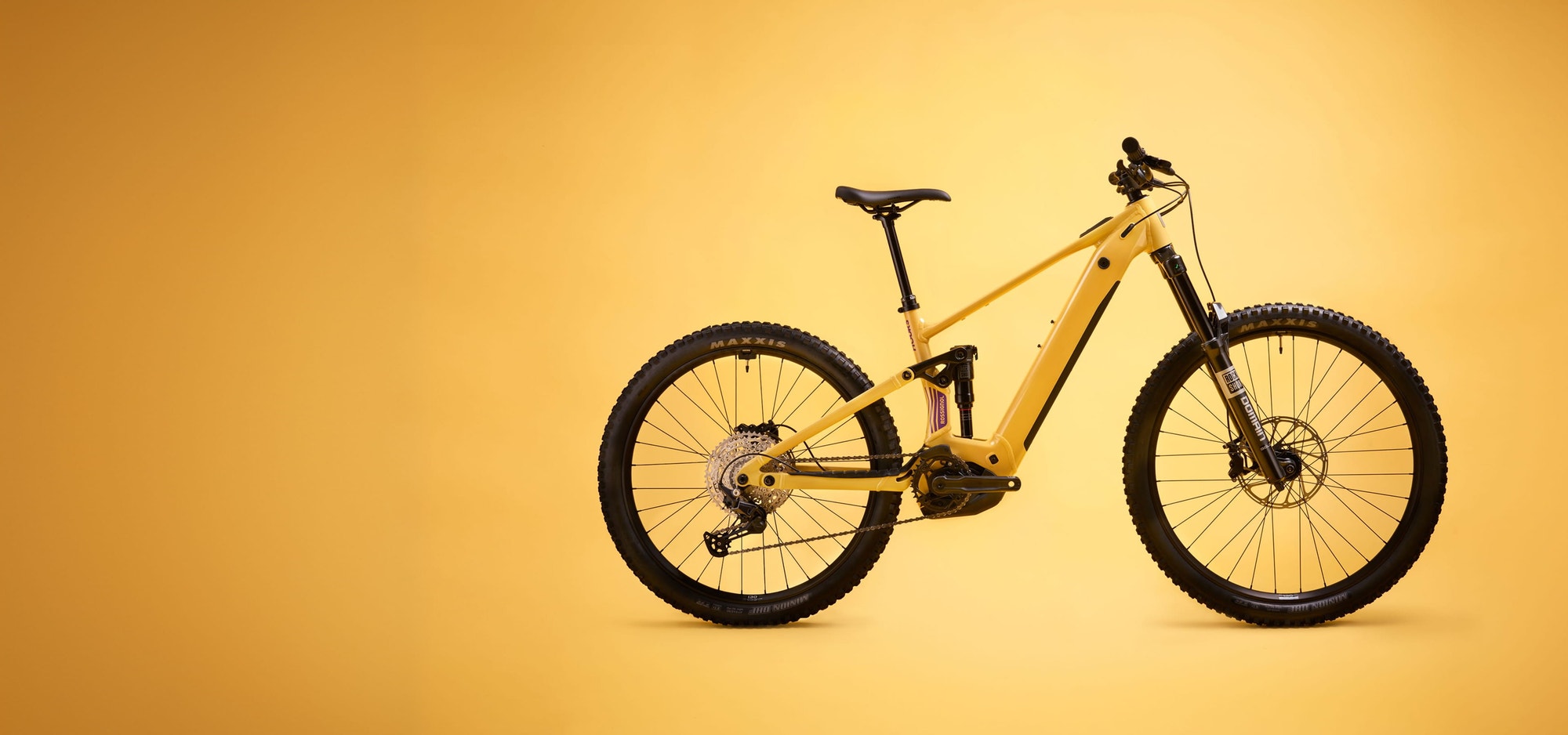
The European range page lists three builds: T-Type at EUR 7,600, Eagle 90 at EUR 6,500 and Deore 12 at EUR 5,300. In the United States, the T-Type product page shows USD 8,599.95. Take care here: prices and specifications can vary by country. At the shop, check the exact specification for your market, not a half-translated post.
The point is not that Rossignol has invented the ultimate eMTB. It has chosen a grounded formula: Bosch for service and ecosystem, aluminium for strength and price, a large removable battery and components suited to a heavy bike. It sounds less glamorous than 'aerospace carbon', but could be more sensible for many riders.
Bosch CX instead of Avinox: conservative or smart?
Some people now think anything without Avinox is old. It is not. Bosch Performance Line CX still has a powerful case: service network, spare parts, Flow app, PowerMore compatibility, familiar shop diagnostics and power delivery most riders quickly understand. Rossignol is not chasing the biggest headline; it is trying to sell a bike the owner can maintain.
Confirmed by Rossignol: the After Hours uses Bosch Performance Line CX, and the range page mentions Performance Upgrade 2.0 with up to 120 Nm and 400% assistance. This needs explaining carefully: not every rider wants everything unlocked, nor does every bike feel better with maximum assistance. On a 25 kg eMTB, more torque helps, but can also drain the battery faster, punish the drivetrain and require finer control on rough climbs.
My view is simple: if you want the biggest figure to argue about in the comments, there are more eye-catching options. If you want a bike an ordinary shop can understand, update and repair without despair, Bosch remains a very strong choice. And for a brand like Rossignol, without the MTB heritage of Specialized, Trek or Orbea, choosing Bosch reduces the buyer's risk.
Advertisement / sponsored link
What Rossignol promises: durability, removable battery and less drama
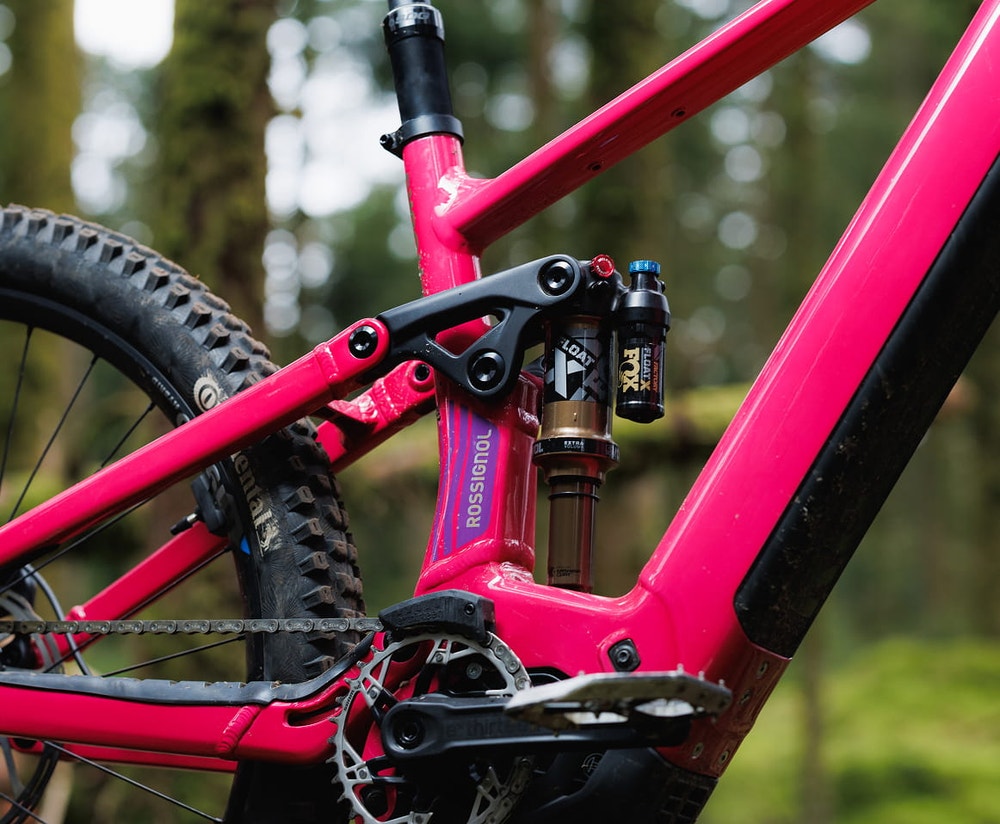
The brand places strong emphasis on durability. It describes a machine-welded 6061 aluminium frame, oversized double bearings in key areas, hardware and bearing compatibility with the Heretic, a UDH interface and a battery cover fitted to the frame. Pinkbike also highlights robotic welding and the aim of simplifying maintenance and parts availability.
This may sound like industrial marketing, but there is a practical side. An eMTB is not a showroom ornament: it weighs more, descends faster and wears through bearings, pads and tires. If the battery cover rattles or lets water in, you remember the brand on every ride. Rossignol's focus on a removable battery, tolerances, bearings and protection is a good sign.
What remains to be tested is whether all of that makes a difference after months of mud, washing, bike racks, rock strikes and long rides. A presentation can be beautiful. A good eMTB proves itself when the owner does not have to return to the shop three times for noises, play or covers that rattle like a tambourine.
Quick table of the Rossignol After Hours range
| Model | Battery | Suspension/focus | Price indicated | eMTB PRO's view |
|---|---|---|---|---|
| T-Type | 800 Wh | Fox 38 Factory + Float X Factory, SRAM S1000 T-Type, Maven Silver | EUR 7,600 / USD 8,599.95 | The showcase version. Good specifications, but it warrants comparison with Orbea, Canyon, Specialized, Trek and discounted Bosch bikes. |
| Eagle 90 | 800 Wh | Marzocchi Bomber, mechanical Eagle 90 drivetrain, Maven Base | EUR 6,500 / USD 7,099.95 | Probably the most interesting if the real price in store goes down a bit. |
| Deore 12 | 600 Wh | RockShox Domain / Deluxe, Shimano Deore, SRAM DB8 | EUR 5,300 / USD 5,799.95 | An honest entry-level option, but beware: 600 Wh may be insufficient for long rides with substantial climbing. |
The drawbacks: 25 kg, a less-established MTB brand and tough competition at this price
The less appealing part: this is not a light bike. E-MOUNTAINBIKE quotes 25.06 kg in size L for the tested T-Type, while Pinkbike reports 25.2 kg for a tubeless size M. That is not disastrous for an aluminium full-power bike with 800 Wh, but be realistic. On tight trails, push sections, high bike racks or garage stairs, you feel those 25 kg.
The second issue is the brand. Rossignol has a huge snow-sports history, but lacks the major brands' MTB presence. That does not mean the bike is bad. It means asking before buying about warranty, distribution, hanger availability, battery covers, bearings and actual spare-parts lead times. On an eMTB, 'we will see' can be expensive.
The third point is price. EUR 7,600 for the T-Type is no bargain. It does have Fox Factory, Bosch, Kiox, a large battery and strong brakes. But real buyers will compare end-of-season discounts, Bosch bikes from major brands, carbon models and Avinox options tempting them with power and weight. Rossignol needs to win on toughness and ride feel, not specifications alone.
eMTB PRO opinion
I like the idea of this bike more than I like its launch price. The After Hours seems designed for people who want to get out, use it, charge batteries off the bike and not pray for an exotic system to have support nearby. That has value.
Advertisement / sponsored link
I would not buy it simply because 'it has Bosch' or because Rossignol calls it durable. I would buy it if the shop demonstrated parts support, solid warranty terms, good final assembly and a competitive actual price. At the same price, brands with more eMTB history still have an advantage. A good discount or a responsive shop changes the conversation.
What to check before buying
- Actual availability: a website listing is not enough. Ask for a date and the specific sizes and colours available.
- Frame spare parts: battery cover, UDH hanger, bearings, axle, linkage hardware and lower frame guard.
- Battery: if you need 800 Wh, do not be talked into the 600 Wh Deore 12 unless your rides are short.
- Bosch Update: confirm with store whether the bike already comes with Performance Upgrade 2.0 active or if it has to be configured.
- Weight and stationary handling: lift it onto the bike rack, move the size you would buy and see whether you can live with the weight.
- Brakes and wheels: Maven brakes and e-bike wheels make sense here. If a bike has substituted parts, check that costs have not been cut precisely where an eMTB takes the greatest loads.
- Local warranty support: ask who handles support in Spain or Europe and how long model-specific parts take to arrive.
Real-world test that we would do
A useful test would not be a pretty slow-motion descent. It would be a ride with 1,200 to 1,600 m of climbing, a rough ascent on loose rock, a long descent that heats the brakes, then an ordinary wash. I would check four things: battery-cover noise, brake heat, energy use in eMTB/Turbo with 800 Wh and play after repeated impacts.
I would also compare it directly with a Bosch-powered Orbea Wild TR, an aluminium full-power Canyon, an equivalent Trek Rail/Slash+ and a similarly priced Avinox bike. Not to see which has more torque on a specification sheet, but which lets you ride faster with fewer scares, uses less battery on a normal route and feels less delicate for an owner who does not want to live in the workshop.
Sources: confirmed facts versus opinion
Confirmed data: Bosch Performance Line CX, 160/150 mm travel, 800 Wh battery in T-Type/Eagle 90, 600 Wh in Deore 12, Rossignol's stated prices and key builds as listed in the official specifications. Brand promise: greater durability through machine welding and double bearings, with less maintenance. eMTB PRO opinion: the concept is sensible, but buying it only makes sense if local support and the actual price are right.
- Official Rossignol After Hours T-Type specifications
- Official Rossignol After Hours range page
- Pinkbike: first ride Rossignol After Hours
- Bikerumor: Rossignol After Hours launch
- E-MOUNTAINBIKE: After Hours T-Type test
Want us to let you know when actual prices, discounts or bikes become available in Spain? Join the eMTB PRO Telegram group and share which eMTB you are considering too. That helps separate genuine bargains from attractive specifications.
Have you used this bike, motor or component?
Join eRIDERSeMTB on Telegram to discuss real experiences with other riders: Bosch, Avinox, Shimano, deals, faults and buying decisions. The community currently speaks Spanish.
Join TelegramAdvertisement / sponsored link
Advertisement / sponsored link
Advertisement / sponsored link