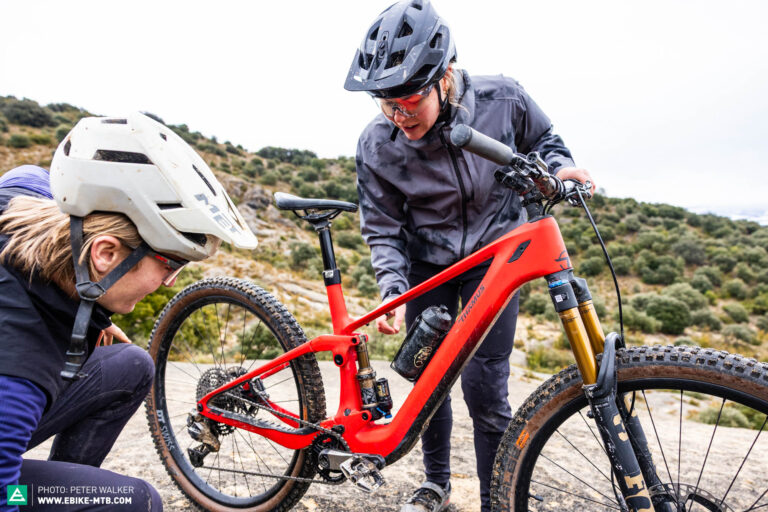
Newmen Beskar and Performance: adjustable handlebars, useful or overcomplicated?
 Buy wisely to avoid paying twice.
Advertisement / sponsored link
The quick take, without the hype
We look at what happens on the trail, not just what the spec sheet says.
| What to look at | Why it Matters | Watch out for this |
|---|---|---|
| Real-world use | An eMTB is heavier, faster and harder on components than a non-assisted bike. | Do not buy on the headline claim alone. |
| Maintenance | What looks cheap can be expensive in replacement parts. | Ask about price and availability first. |
| Support | A nearby shop, warranty support and available spare parts are worth a lot. | A spec sheet will not fix a breakdown. |
What it promises
Newmen presents the Beskar/Performance family with an appealing idea: more adjustment options to find the right riding position, control and comfort. On an eMTB, where weight and speed put strain on arms, hands and back, the cockpit matters enormously.
Advertisement / sponsored link
Constructive criticism
Anything adjustable brings both a benefit and a risk: it lets you fine-tune the setup, but also makes incorrect installation possible. Handlebar setup should not be random experimentation for appearances. Respect tightening torques, markings, width, backsweep, upsweep and stem/brake compatibility.
For whom it makes sense
Riders with sensitive hands, those alternating between long rides and aggressive descents, or anyone wanting to fine-tune their position without buying three handlebars. If you have never adjusted sag, pressures or lever position, start there before spending.
| Strong point | Fine adjustment and ergonomics |
| Question mark | Incorrect installation or unnecessary complexity |
| eMTB PRO verdict | A good idea when used methodically; not magic |
Sources
Have you used this bike, motor or component?
Join eRIDERSeMTB on Telegram to discuss real experiences with other riders: Bosch, Avinox, Shimano, deals, faults and buying decisions. The community currently speaks Spanish.
Join TelegramAdvertisement / sponsored link
Advertisement / sponsored link
Advertisement / sponsored link