Giant Trance Advanced E+ 2027: SyncDrive Pro 4, 840 Wh and prices for Spain
Technical news · eMTB PRO
The new Trance joins the Spanish catalogue from EUR 5,999. What the three builds share, and what changes in suspension, drivetrain, wheels and controls.
Advertisement / sponsored link
Trance Advanced E+ 2027: a new model distinct from the Reign
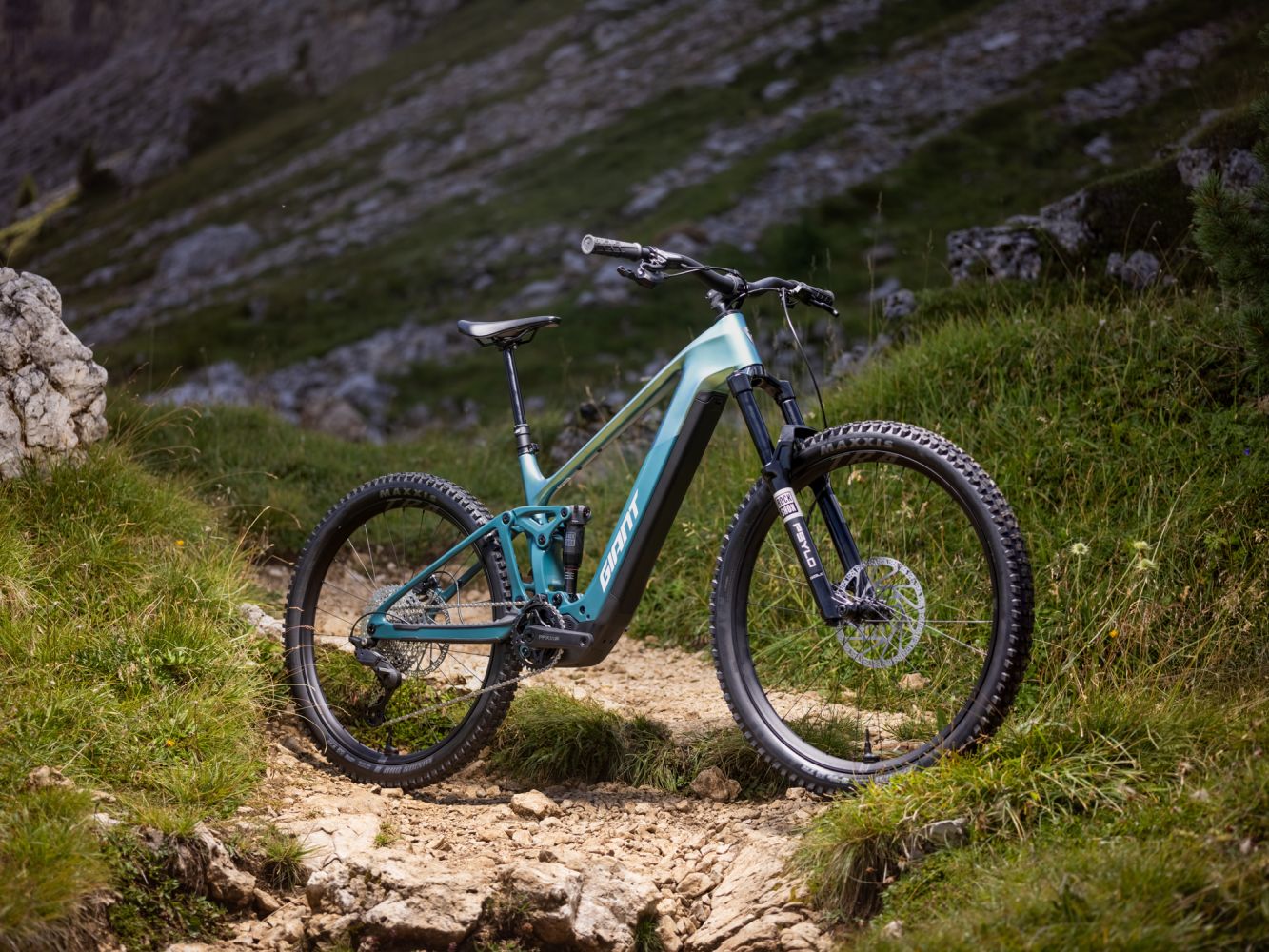
Giant already lists the Trance Advanced E+ 2027 on its Spanish website. The new bike combines the SyncDrive Pro 4 system with an 840 Wh battery and a mid-to-long-travel Maestro platform. It is not another name for the Reign we have already analysed: this is a different range with an approach deserving its own article.
The appeal is not just higher motor figures. Giant brings assistance, battery capacity, adjustable geometry and integration options together in a bike for mountain rides with demanding descents. The buying question is how much of that package the entry-level build retains and what you really gain by moving up the range.
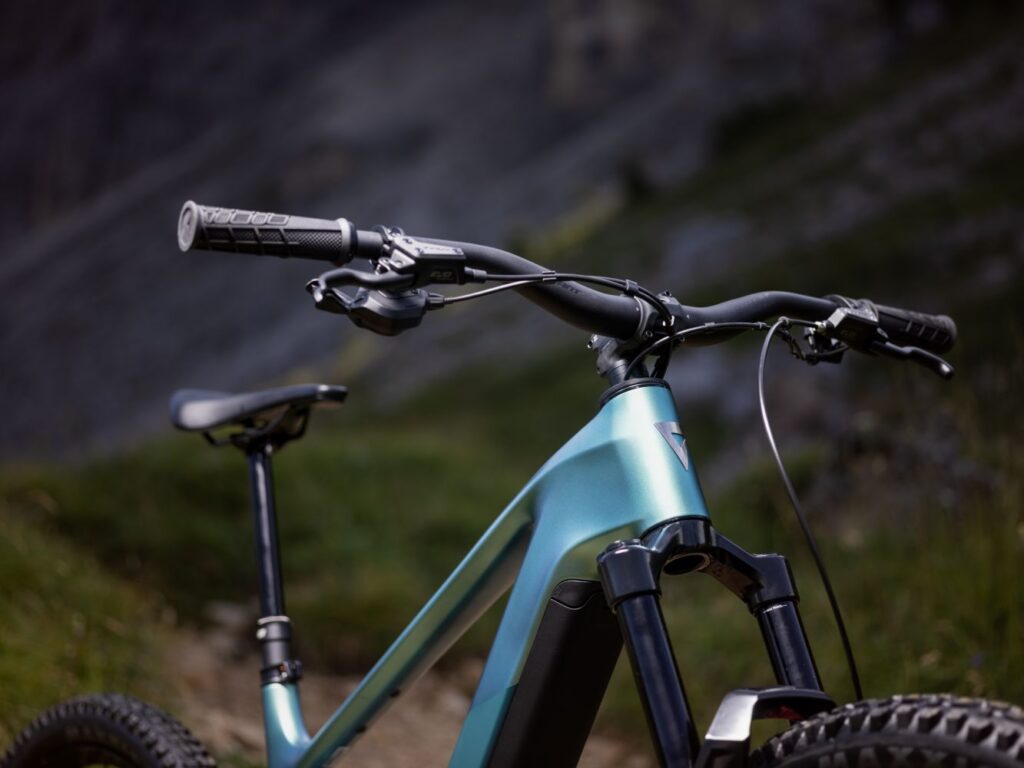
This is a launch and equipment analysis, not our own test. The photographs are official and show different versions identified in their captions. We do not attribute components pictured on the 0 to build 2, or copy another tester's impressions as though we had ridden this bike.
Spanish prices and differences between the three builds
The Spanish catalogue consulted offers builds 2, 1 and 0. The following prices are published by Giant, not discounts, shop offers or a guarantee of stock. Confirm size, delivery time and configuration with the dealer before deciding.
| Build | Price | Fork | Drivetrain and wheels |
|---|---|---|---|
| 2 | €5,999 | Psylo Gold RC, 160 mm | Deore mechanical / TRA HD aluminum |
| 1 | €7,999 | Fox 36 Performance, 160 mm | GX AXS / TRA HD aluminum |
| 0 | €9,999 | Fox 36 Factory, 160 mm | X0 AXS / TRX HD carbon |
Advertisement / sponsored link
The EUR 2,000 gap between levels calls for thinking about needs, not the highest level financing will allow. For a rider wanting simple adjustment and maintenance, mechanical shifting does not rule out the entry-level build. For those seeking electronic integration, the middle build brings differences beyond another paint finish.
Before considering a later upgrade, I would ask for its full installed price and check compatibility. Buying the cheapest bike to rebuild it immediately may not be the best deal. But paying for carbon wheels or electronics you do not need does not guarantee a better ride either. The aim is to get the right configuration for your use, not maximise the number of expensive components.
SyncDrive Pro 4: how to interpret 120 Nm and 850 W
The build 2 specifications confirm SyncDrive Pro 4, 48 V, 120 Nm and 850 W peak power. The system also appears in the higher builds. You therefore do not need to move up to the 0 to get the motor advertised at launch.
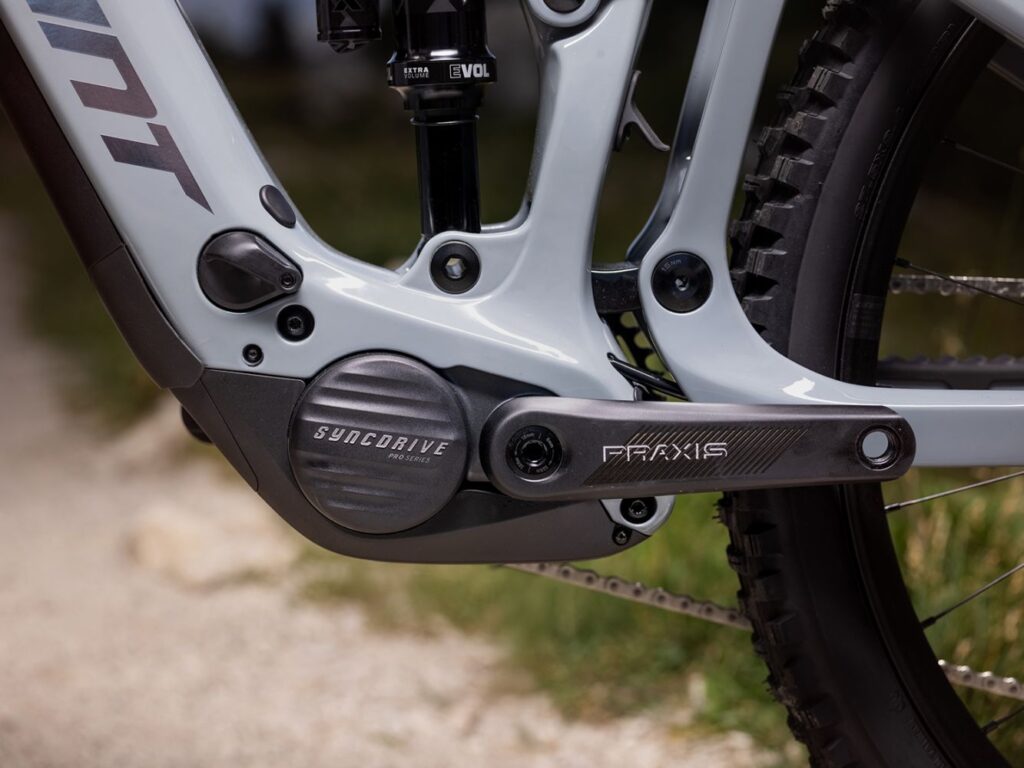
We do not treat these figures as an automatic ranking against Bosch or Avinox. Maximum torque, peak power and overall behaviour answer different questions. Riders need to know how assistance arrives at the start of a climb, how it responds at different cadences and how much control it offers for balancing through a slow technical section.
Giant's presentation describes Synchronized Power Matrix, sensors and traction-control management. These functions need evaluating on a ride; they do not prove losing grip is impossible. On a climb, tire, pressure and technique remain part of the equation. A future comparison would need to distinguish motor assistance from each bike's chosen setup.
A useful test would record initial charge, configuration, total weight, terrain and conditions. We would repeat a technical section to observe control and a sustained climb to measure consumption, without confusing the sensation of assistance with efficiency. We do not publish a range ranking from two specification sheets with different power figures.
To make sense of the marketing language, it is worth reading what Nm, peak watts and assistance mean. The buyer should be able to ask about the exact configuration and updates without the answer being limited to repeating the most striking number of the brochure.
840 Wh: shared capacity, range still unmeasured
The 840 Wh EnergyPak battery is shared across the Spanish range. That helps compare builds, but does not justify promising a fixed distance. Whether you finish with reserve or drain the battery can depend far more on elevation gain or assistance mode than on a few additional kilometres of track.
A purely mathematical example helps explain this: if a route averaged 15 Wh per kilometre, 840 Wh would equate to 56 km before any reserve. At 25 Wh per kilometre, it would be 33.6 km. These are neither measurements of this Giant nor predictions of its range; they show why dividing capacity by assumed consumption does not replace a test.
To plan cautiously, I would use your recorded consumption on similar routes and keep a reserve for cold, route changes and unexpected climbs. If you have no reference data yet, make sure the first ride can easily be shortened. The guide to range and route planning develops that approach without selling a universal figure.
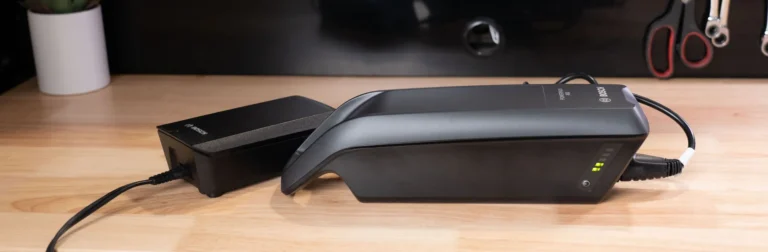
The Spanish product pages include a 48 V, 4 A Smart Charger X. We do not give a full charging time without specific documentation or measurement. Also confirm battery access, supplied components and which charging arrangement suits your home. A large battery alone does not solve everyday logistics.
Maestro and mullet: a platform that needs to fit the rider
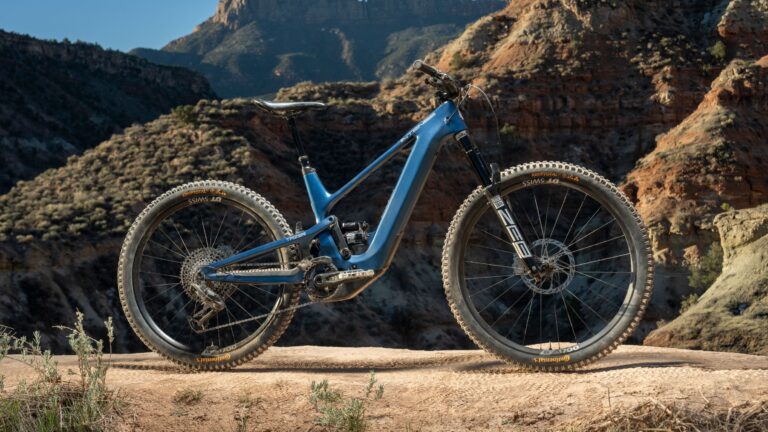
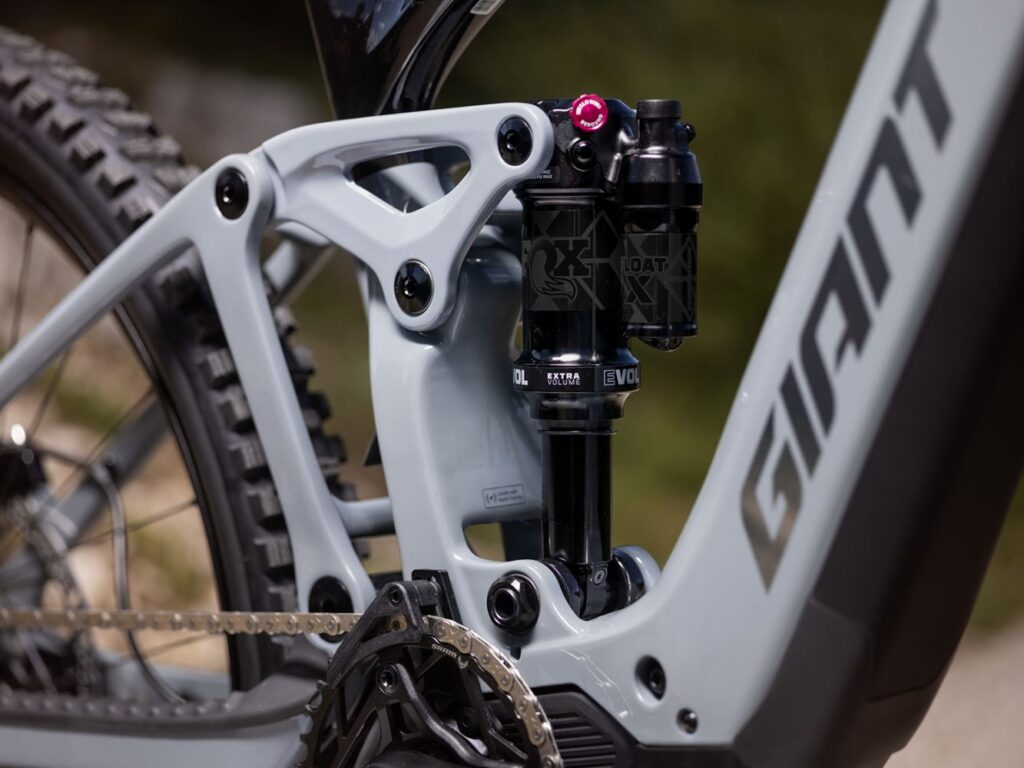
The official presentation of the range describes 150 mm of Maestro rear travel, 160 mm up front, a 29-inch front wheel and a 27.5-inch rear. The frame offers three geometry settings. These allow adaptation; they do not mean the lowest position is always appropriate.
Advertisement / sponsored link
Advertisement / sponsored link
Effective geometry also depends on sag and body position. Before moving a flip chip, I would check suspension setup and record the initial configuration. Changing tire pressure, sag and frame position together makes it hard to tell what improved or worsened. Use a familiar section and change one variable at a time.
The range's three forks do not offer exactly the same adjustments or damping. Your choice should reflect how often you ride and how much time you want to spend on setup. Buying more adjustment does not guarantee using it correctly; a consistent, repeatable setup is usually more informative than turning dials without recording their positions.
Size is not decided solely by the height stated in a chart either. Check reach to the handlebar, saddle height for pedalling and clearance with the seatpost lowered. If you are between sizes, a shop test may reveal limitations a numerical comparison does not show. And check that your chosen seatpost setup actually fits the frame before paying.
Integration: what is shared and what changes by version
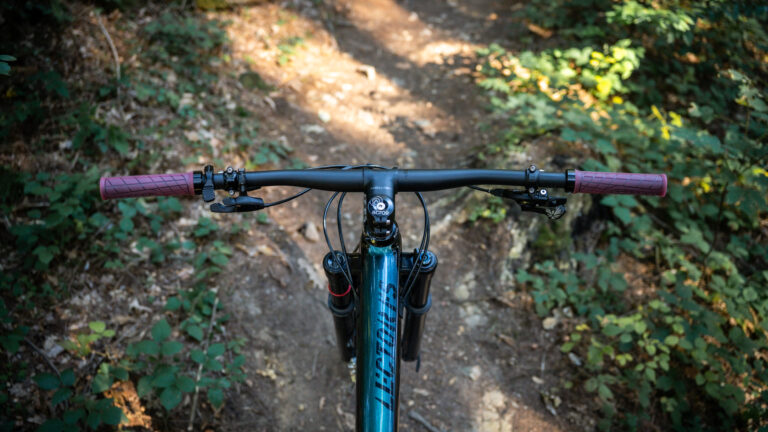
The RideControl GO Lux display appears on all three product pages. The remotes and seatposts are not identical: builds 0 and 1 list wireless Ergo 5 and the electronic Contact Switch E+; the 2 specifies Ergo 4 and Contact Switch AT. Keep that distinction clear when looking at launch photographs.
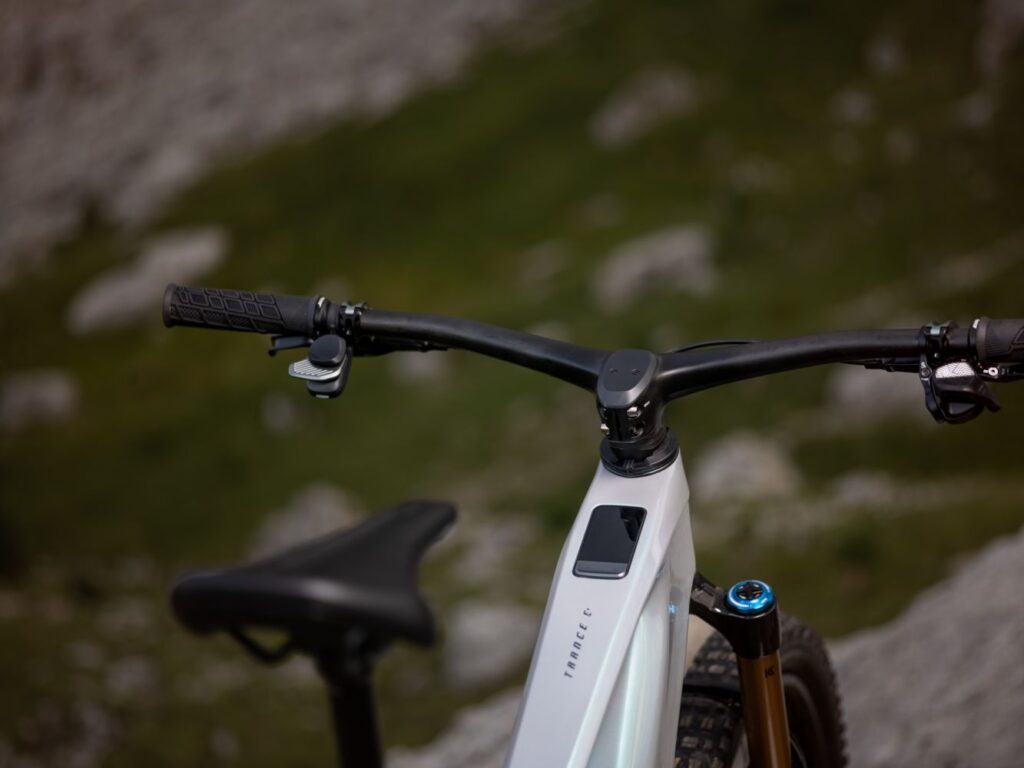
Integration can simplify the cockpit, but we also want to assess use with gloves, information visibility and ease of changing settings without distraction. We do not yet know how it will perform on our regular route. Ergonomics is checked with your hands and riding position, not by counting buttons in a photo.
The Spanish product pages also list Aegis Tire Checker. A pressure-monitoring system can help detect a change, but it does not replace tire and rim inspection or permit any pressure. Before treating an alert as resolved, understand its cause and follow the manufacturer's procedure.
For an electronically equipped bike, I would ask the shop to explain which components need charging, which functions remain available if a fault occurs and how diagnostics are handled. I would also record the delivered configuration. This concerns everyday use, not an argument against all electronics: a useful function needs clear instructions and accessible support.
Wheels, drivetrain and brakes: compare without confusing builds
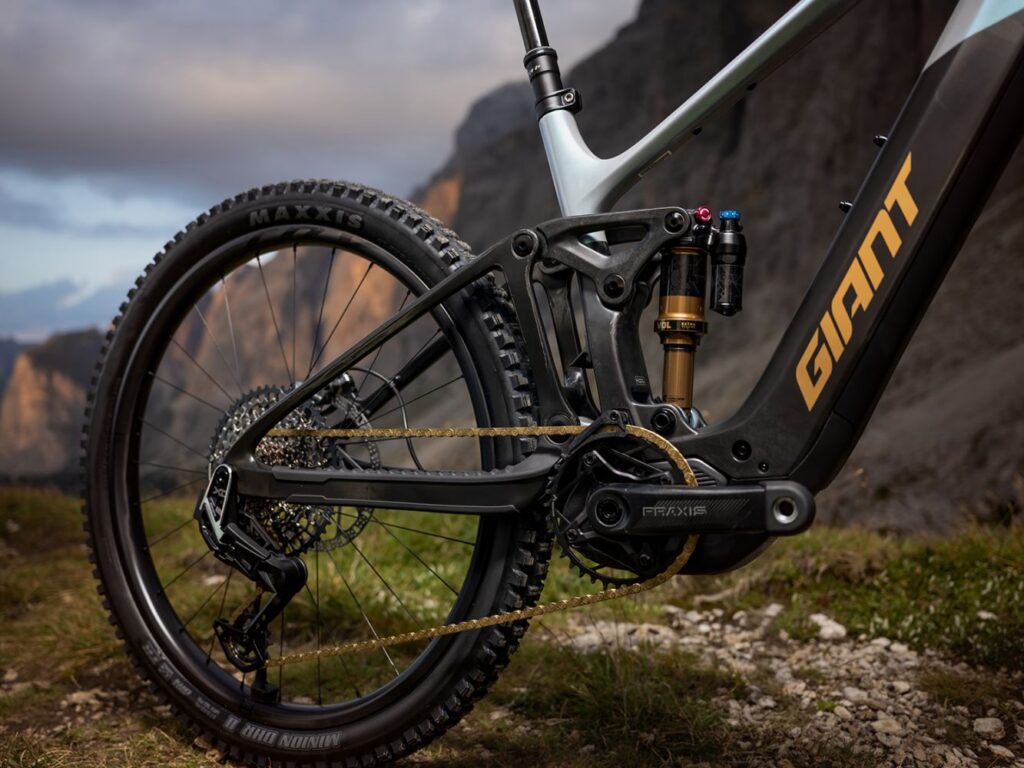
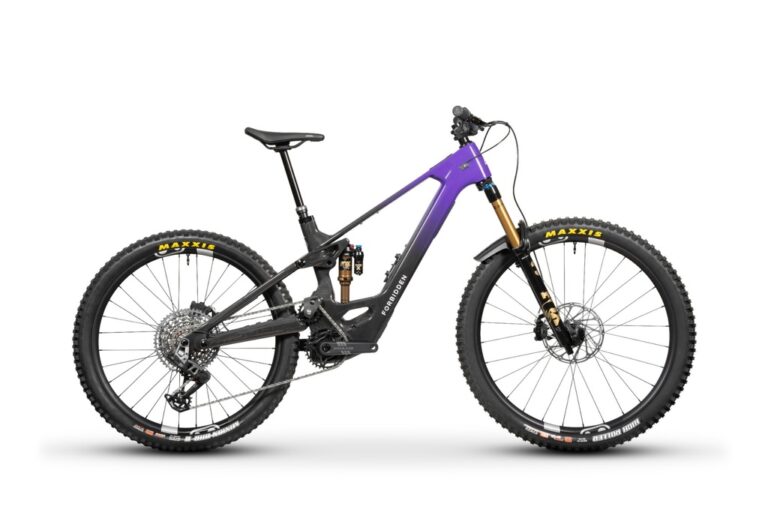
The image shows build 0. Its drivetrain is not the 2's, and that distinction matters when budgeting for spares or comparing offers. The product page for the 0 adds TRX HD carbon wheels and TRP EVO Pro brakes; the 1 uses EVO Expert, and the 2 EVO Comp. All three list four pistons and 220 mm front and 203 mm rear rotors.
Rotor diameter does not establish the complete system's resistance to heat. In a test, we want to check braking, ergonomics and sustained performance; first, the bike must be correctly assembled and the brakes bedded in. Nor would we replace a rotor without checking the system's limits and a compatible adapter.
Tires and their setup deserve part of the budget. A rider changing terrain should not assume their previous bike's pressures remain suitable. Fully kitted weight, speed and tire casing all play a role. The aim is consistent support and protection without using pressure to compensate for poorly configured suspension.
To compare aluminium and carbon wheels, we would ask about warranty terms, repair costs and parts availability as well as weight. We do not claim one option is stronger merely because of its material. What matters is how the complete system responds and what happens after an impact or breakdown far from home.
Which build we would consider first and what still needs checking
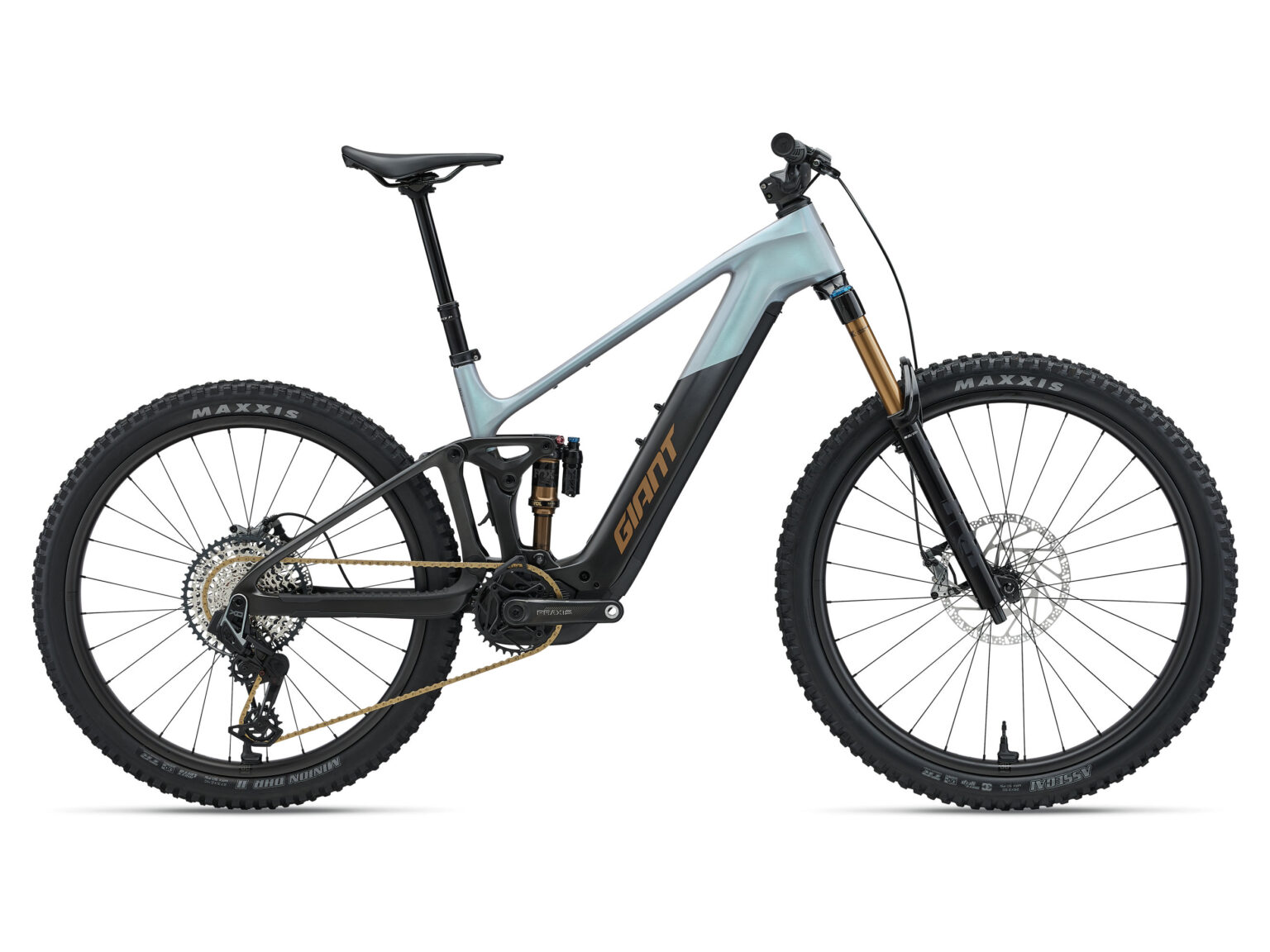
For an initial buying comparison, we would look at build 2 for retaining the range's electrical system at EUR 5,999. We do not declare it the winner: its suspension and components need assessing for your pace. The 1 deserves a second look if you want the Fox package and electronic integration without reaching the 0's price.
Build 0 is aimed at riders who value its higher-end equipment and are willing to pay for it. Before choosing it, I would compare the cost with alternatives and request a fit test. Extra money should not buy performance that exists only in our imagination. Complete the decision with a specific offer, an inspection of the bike and a maintenance plan.
This new bike matters because it offers a different system to investigate in a segment where conversation often centres on Bosch and Avinox. The next step should be a repeatable SyncDrive Pro 4 test: climbing control, documented consumption and overall behaviour. Until then, catalogue data is a basis for investigation, not a trail verdict.
Does build 2 have the same motor and battery?
Yes, the Spanish product pages checked all list SyncDrive Pro 4 and an 840 Wh EnergyPak.
Do they all have electronic drivetrains and seatposts?
No. The 2 uses a mechanical Deore derailleur and Contact Switch AT. Do not assume the 0's photos apply to it.
Advertisement / sponsored link
Do prices mean immediate availability?
No. Confirm size, the actual bike and delivery time with the dealer before reserving.
Sources and documentation
Information checked on 07/10/2026. Original article based on official documentation, not our own ride test. Equipment and availability may vary by market.
Have you used this bike, motor or component?
Join eRIDERSeMTB on Telegram to discuss real experiences with other riders: Bosch, Avinox, Shimano, deals, faults and buying decisions. The community currently speaks Spanish.
Join TelegramAdvertisement / sponsored link
Advertisement / sponsored link
Advertisement / sponsored link