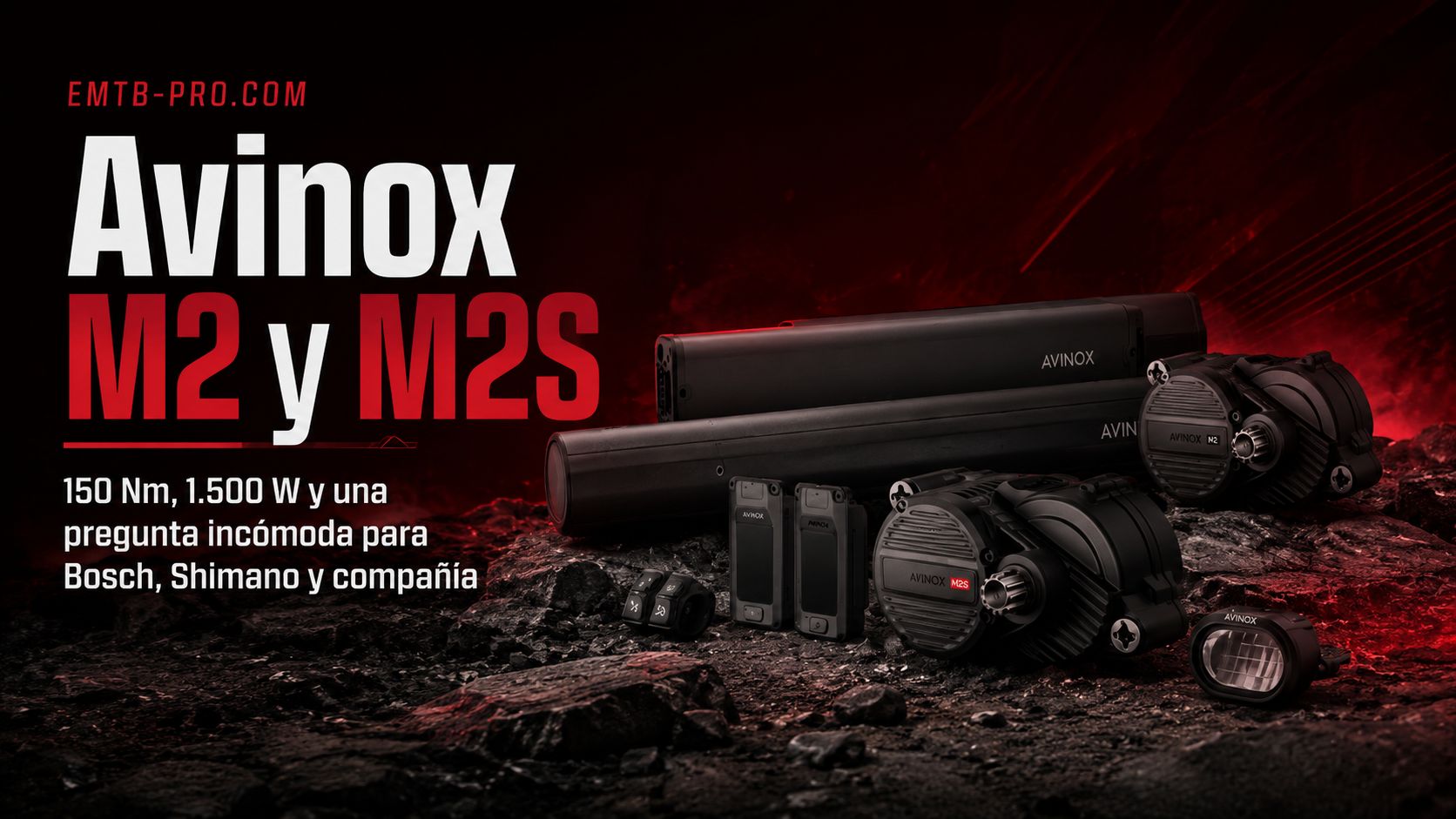
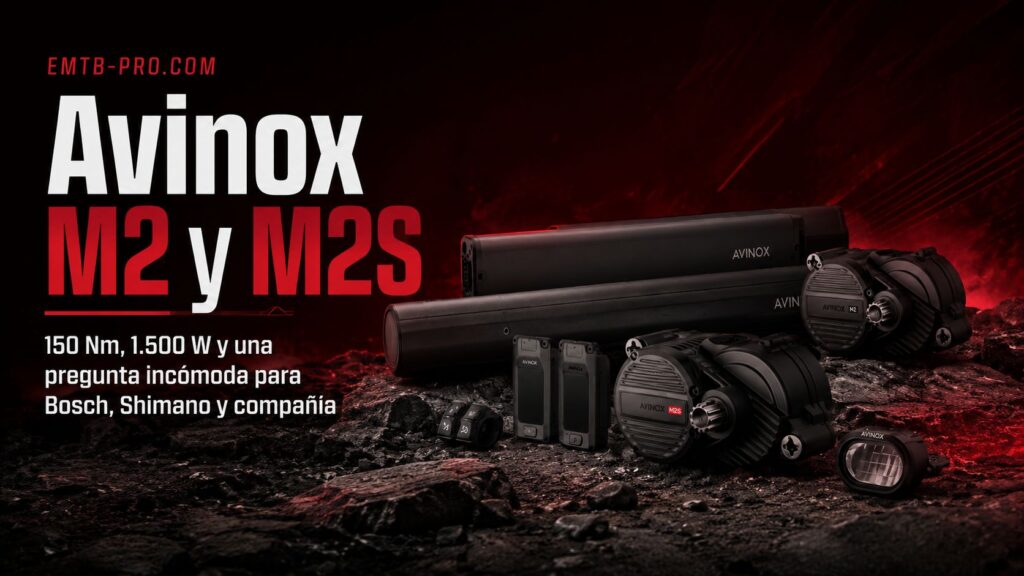
Avinox M2 and M2S: 150 Nm, 1,500 W and an uncomfortable question for Bosch, Shimano and company
Avinox M2 and M2S: 150 Nm, 1,500 W and an uncomfortable question for Bosch, Shimano and company
Avinox has just turned the eMTB market upside down. The new M2S is not here to improve the M1 by a small margin:
it is here to show that the electric motor battle is no longer just about range, weight or smoothness.
It is now also about raw power, electronic control and the real ability to climb terrain where riders previously had to put a foot down.
Until recently, a powerful eMTB motor meant figures between 85 and 100 Nm. Bosch CX, Shimano EP801,
Brose, Yamaha, Specialized, TQ… each has its own character, but all operated within more or less familiar limits.
Avinox already disrupted things considerably with the M1, but with the new Avinox M2S the brand goes straight
into “this is getting out of hand” territory.
Advertisement / sponsored link
Advertisement / sponsored link
And note: this is not an unusual custom tune, a derestricted bike or an experimental motor.
This is a system designed for production eMTBs, with a legal rated power of 250 W, assistance limited to 25 km/h
and enormous power peaks for specific moments: seemingly impossible gradients, technical climbs, steps, rocks,
roots and sections where the motor does more than push: it determines whether you clear the obstacle or stall.
Peak torque in Boost for Avinox M2S.
Peak power in Boost mode, not continuous power.
Better protection against dust and water than the previous M1.
Claimed weight of the Avinox M2S motor.
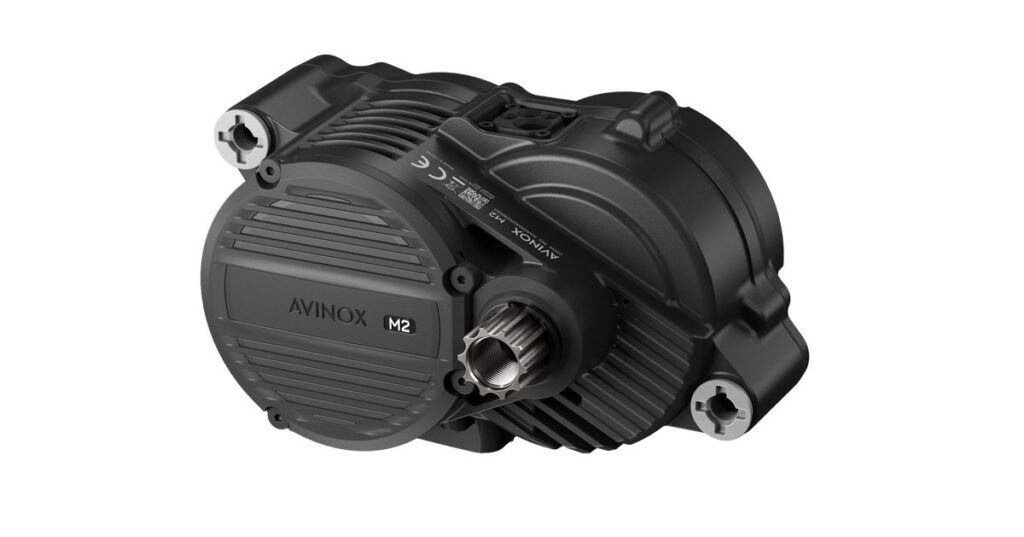
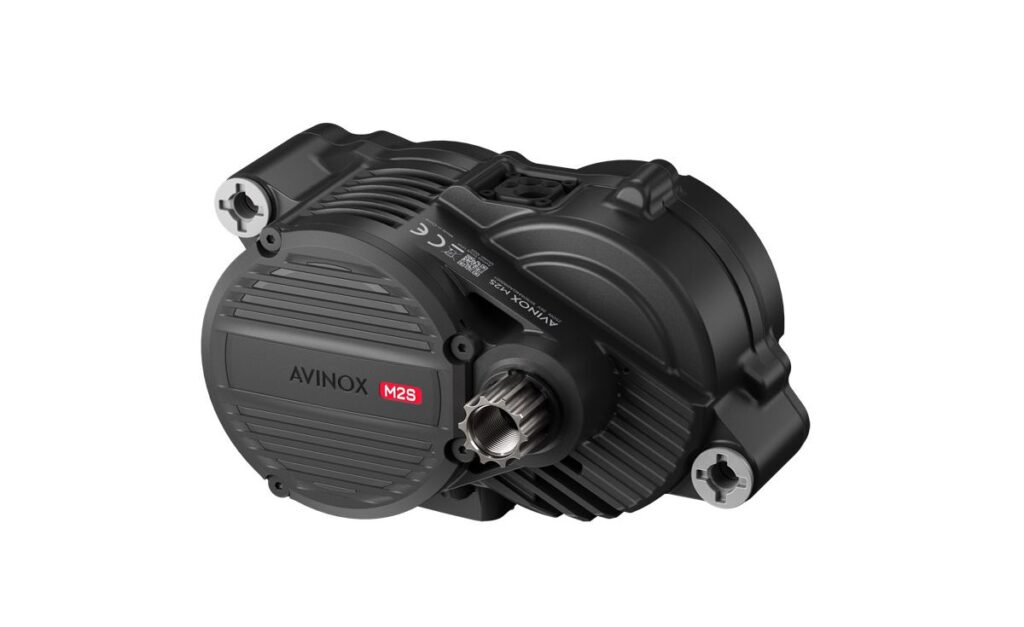
Avinox M2 vs M2S: not the same motor with another sticker
The range is divided into two main versions: Avinox M2 and Avinox M2S.
The M2 is the powerful but more rational option. The M2S is the extreme version, aimed at enduro bikes,
superenduro and high-performance eMTBs.
Advertisement / sponsored link
| Characteristic | Avinox M1 | Avinox M2 | Avinox M2S |
|---|---|---|---|
| Peak torque in Boost | 120 Nm | 125 Nm | 150 Nm |
| Maximum power in Boost | 1,000 W | 1,100 W | 1,500 W |
| Torque in Turbo | 105 Nm | 110 Nm | 130 Nm |
| Power in Turbo | 1,000 W | 1,100 W | 1,300 W |
| Declared weight | 2.52 kg | 2.65 kg | 2.59 kg |
| Protection | IP55 | IP66 | IP66 |
| Intended use | Powerful eMTB | Trail / All Mountain | Enduro, technical climbing and maximum performance |
These are time-limited Boost values that depend on the battery used. In normal use, Turbo mode already
claims 130 Nm and 1,300 W, which is still enormous for an eMTB.
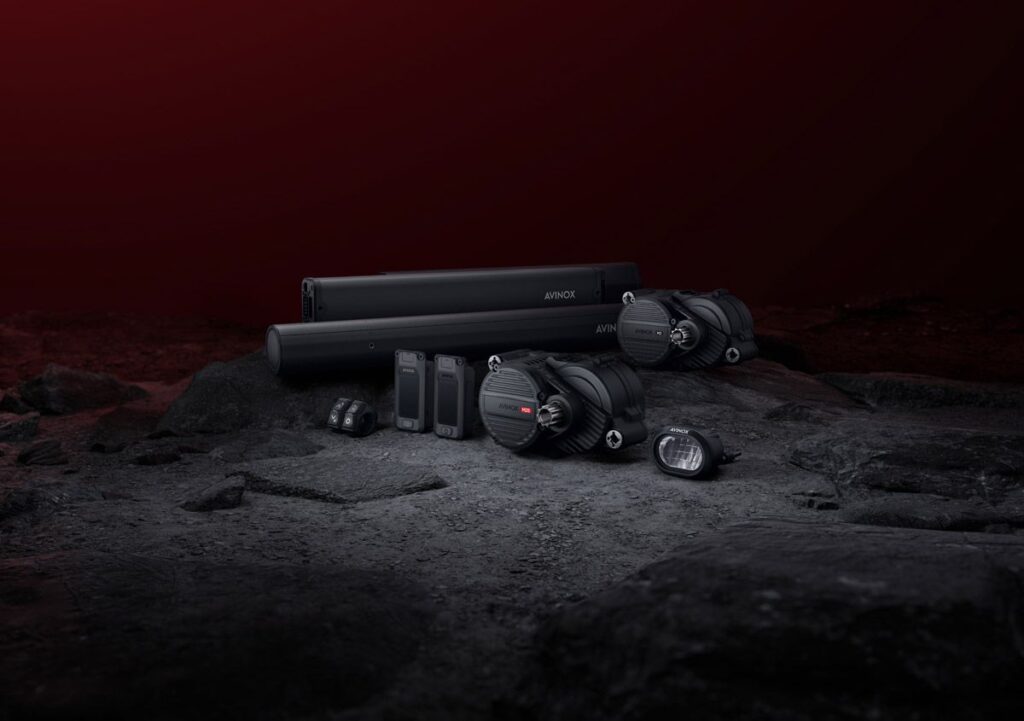
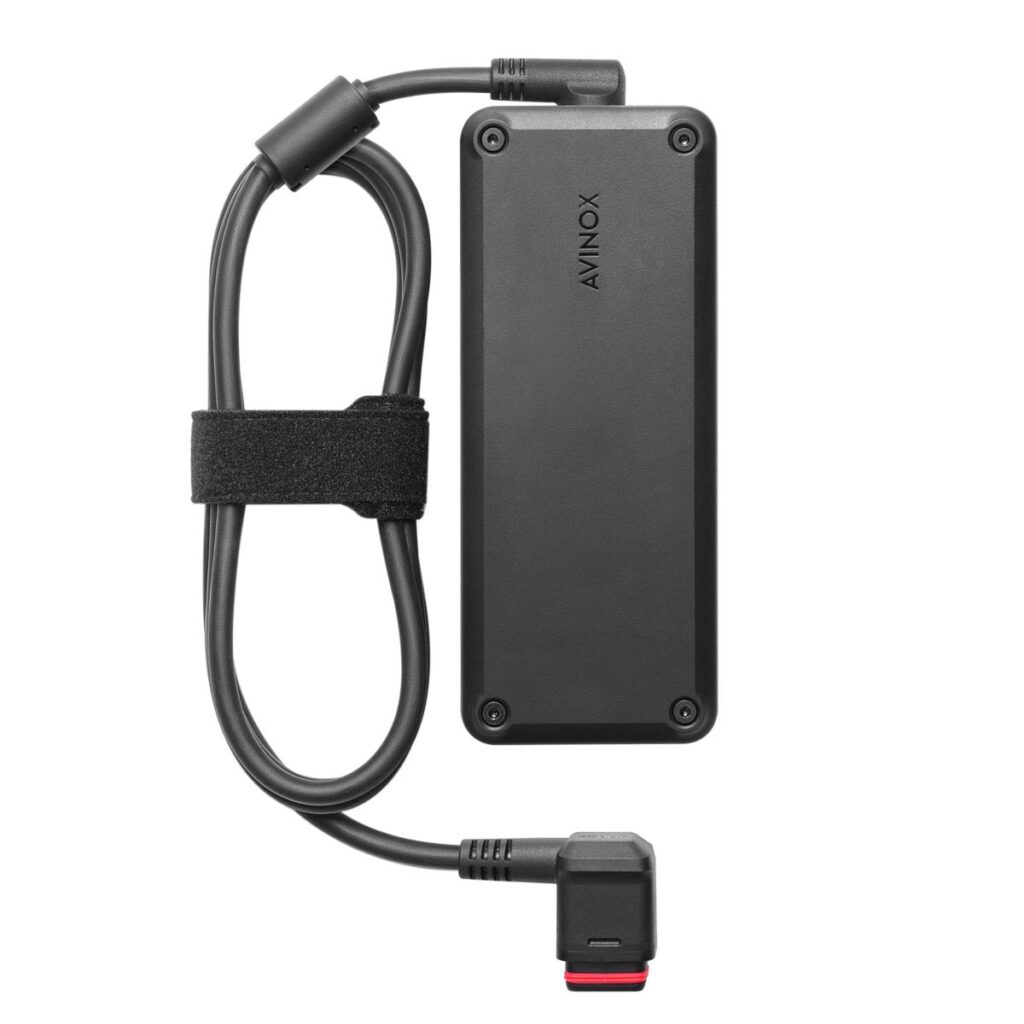
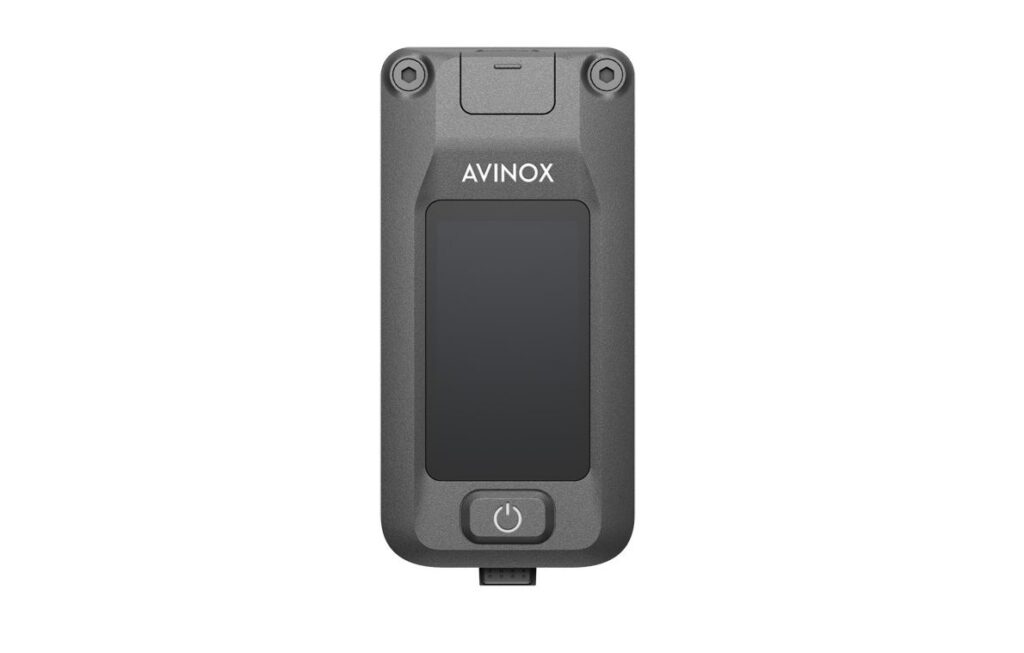
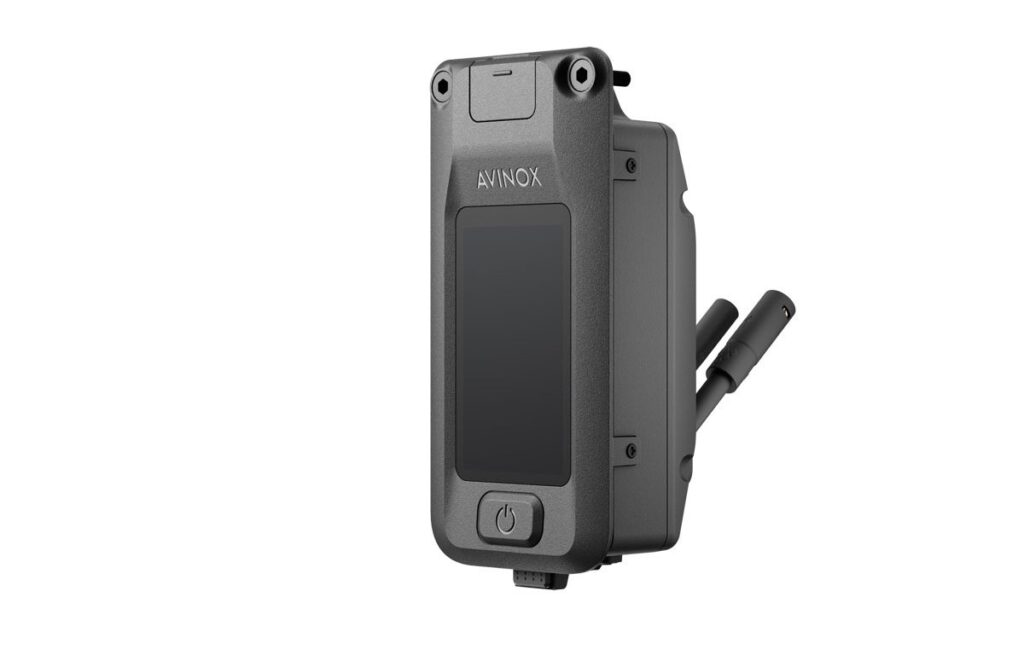
Motor, display, battery and Avinox system
Avinox's advance is about more than the motor. It includes the battery, display, electronics, connectivity,
frame integration and the whole ecosystem surrounding M2 and M2S.
The key is not just power, but how it is delivered
An eMTB with plenty of power but poor delivery can be a handful. If the motor kicks in abruptly, the rear wheel
spins, the front end gets light and the ride feels more like motocross than mountain biking. That is why the Avinox M2S's critical feature
is not only in the 150 Nm figure, but in the electronics that manages that power.
This involves sensors, assistance maps, cadence control, thermal management and modes configurable through the app.
The idea is not simply a “stronger” motor, but one better able to recognise when you need a huge push
and when you need finesse to preserve traction.
What Changes in Practice
With a motor like this, many climbs become less a test of leg strength and more a test of technique.
Strength alone is no longer enough. You need to choose the right line, keep weight on the rear wheel,
avoid lifting the front too far and work with the available grip. In other words: more power, yes, but more demands on the rider too.
Batteries: one of the biggest changes
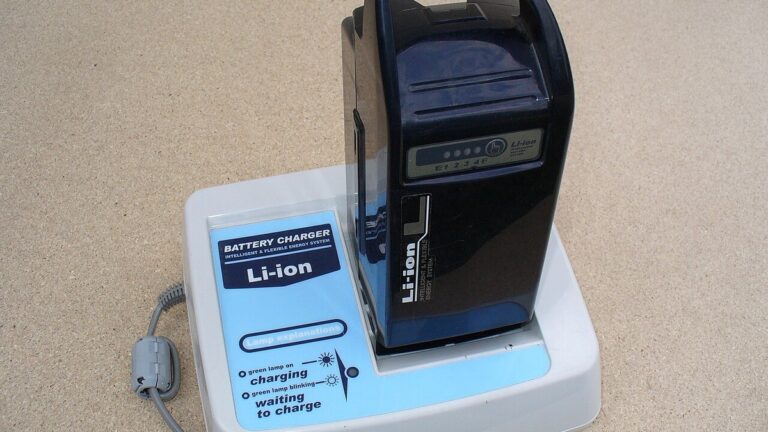
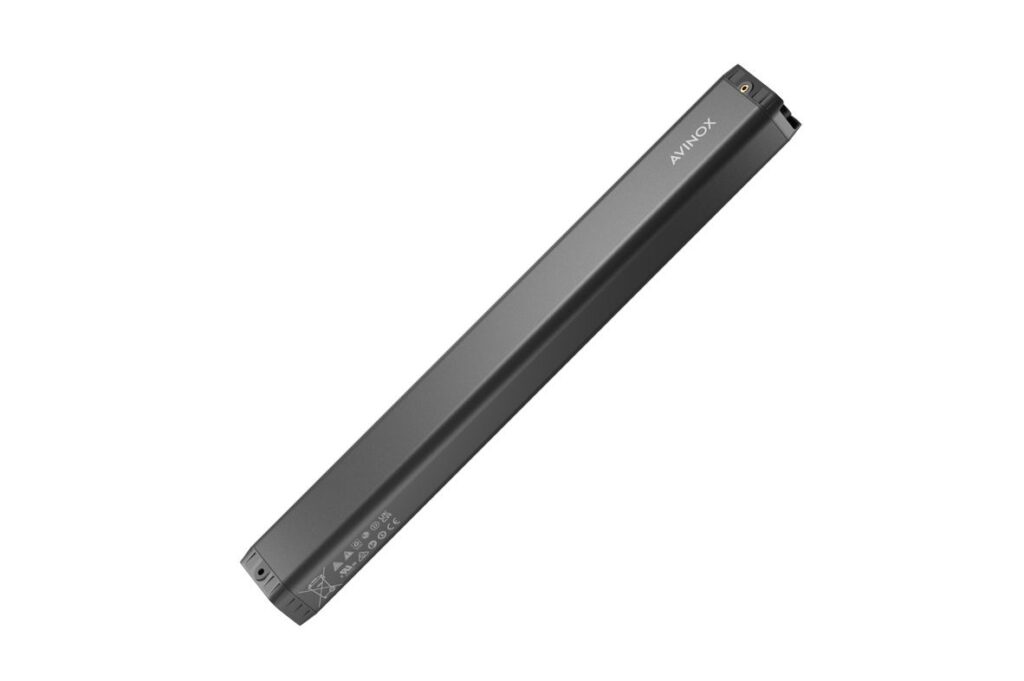
Avinox's advance is not only about the motor. There is a new battery strategy too. The system no longer relies solely
on large integrated batteries: it introduces 600, 700 and 800 Wh options, including removable batteries in some
configurations.
The battery 700 Wh FP700 is particularly important because it enables the
most extreme M2S configuration. There are also RS600 and RS800, designed for manufacturers
who want removable batteries and greater flexibility for riders.
What about the drivetrain?
Here is one of the biggest questions. 150 Nm and 1,500 W look impressive on a spec sheet, but all that force passes
through the chain, cassette, chainring, freehub body and derailleur. That means greater mechanical loads.
Avinox includes features such as reduced power during shifts to protect the drivetrain, but that does not remove
the underlying question: How long will a chain last with frequent Boost use?
What happens to expensive cassettes such as SRAM Eagle Transmission, or high-end builds, after months of real-world use?
Until there are long-term tests spanning several months, this calls for caution. On an eMTB at this level,
maintenance costs can rise if the user abuses the most powerful modes.
Advertisement / sponsored link
IP66: good news for mud, dust and real use
The move from IP55 to IP66 matters more than it might seem. An eMTB does not live in a shop window. It encounters mud,
dust, washing, puddles, rain, rocks and long rides. IP66 certification indicates greater protection against dust
and powerful jets of water.
That does not mean directing a pressure-washer jet at bearings, seals and the motor.
That remains a bad idea. But it does suggest a system better prepared for genuinely hard use.
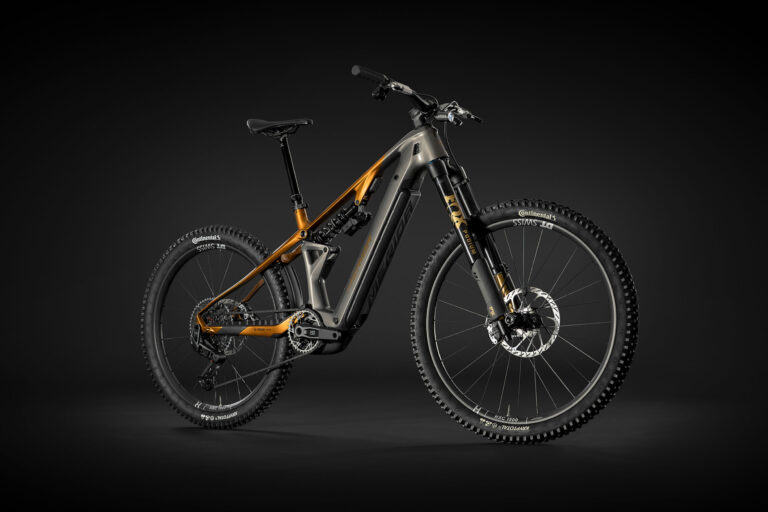
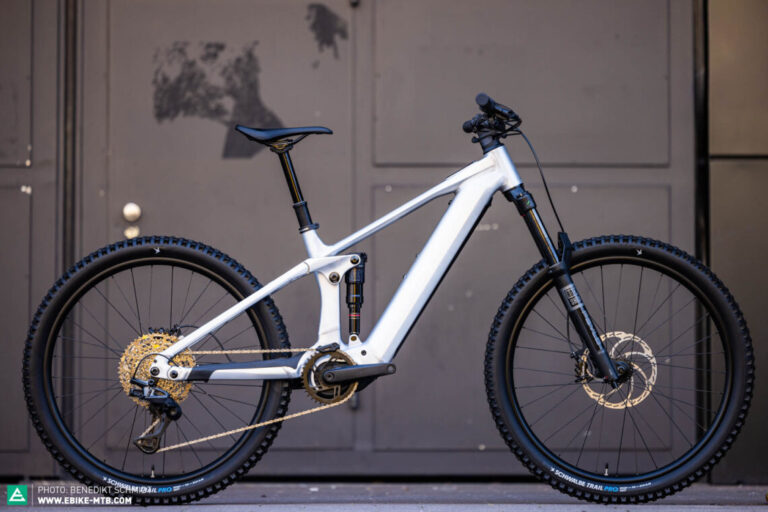
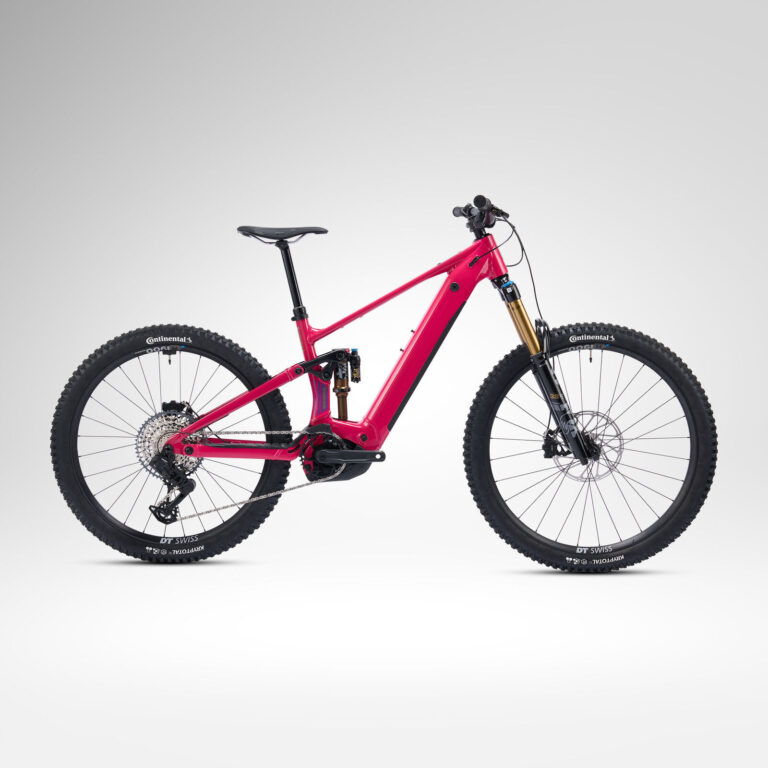
Bikes starting to use Avinox M2 and M2S
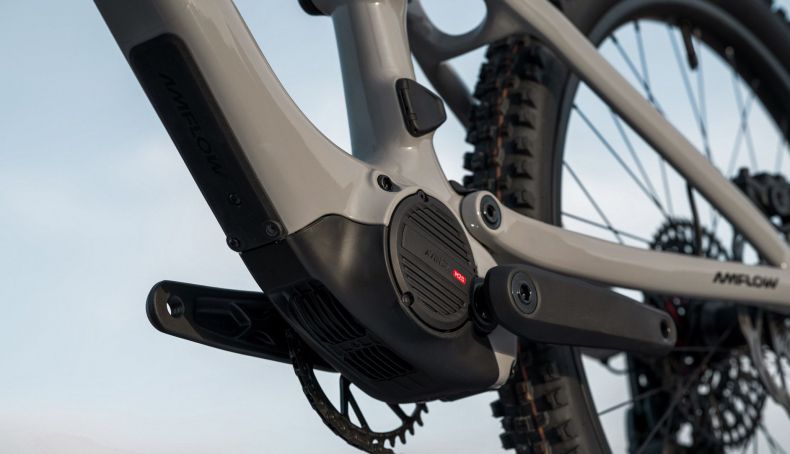
Most interestingly, Avinox no longer looks like an experiment limited to Amflow. More and more brands are joining
the ecosystem. Models and manufacturers linked to this new generation include enduro,
aggressive trail and high-performance eMTB offerings.
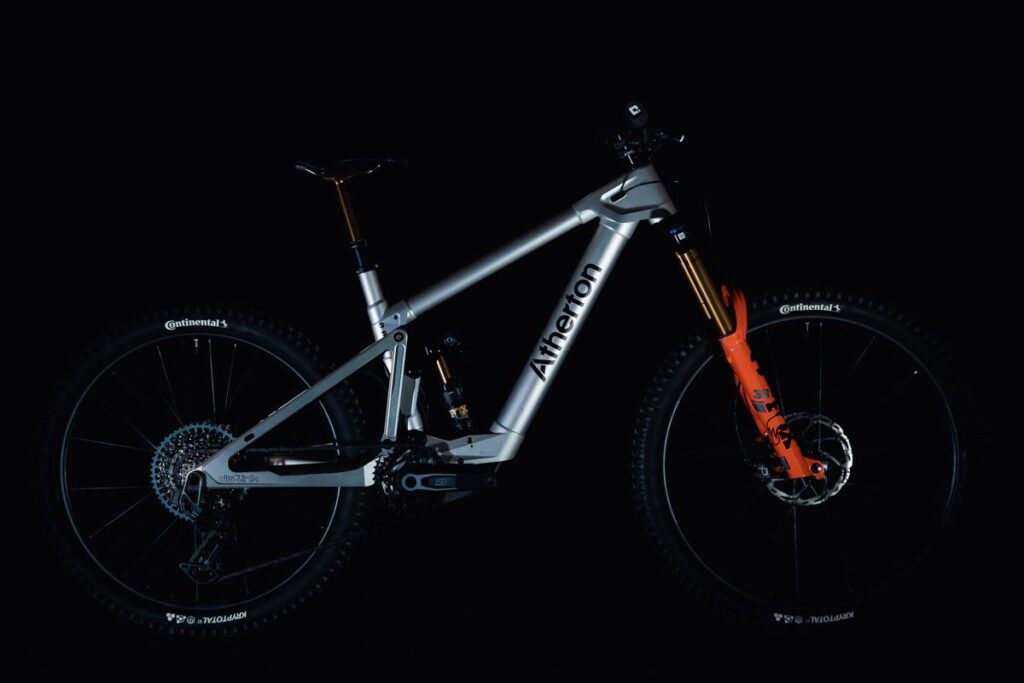
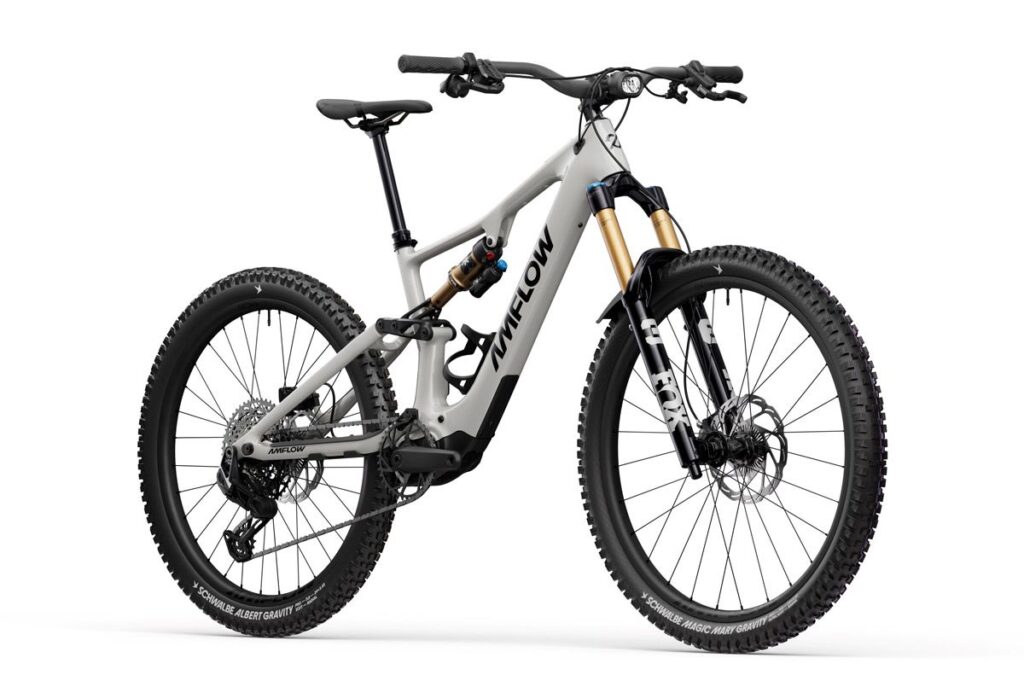
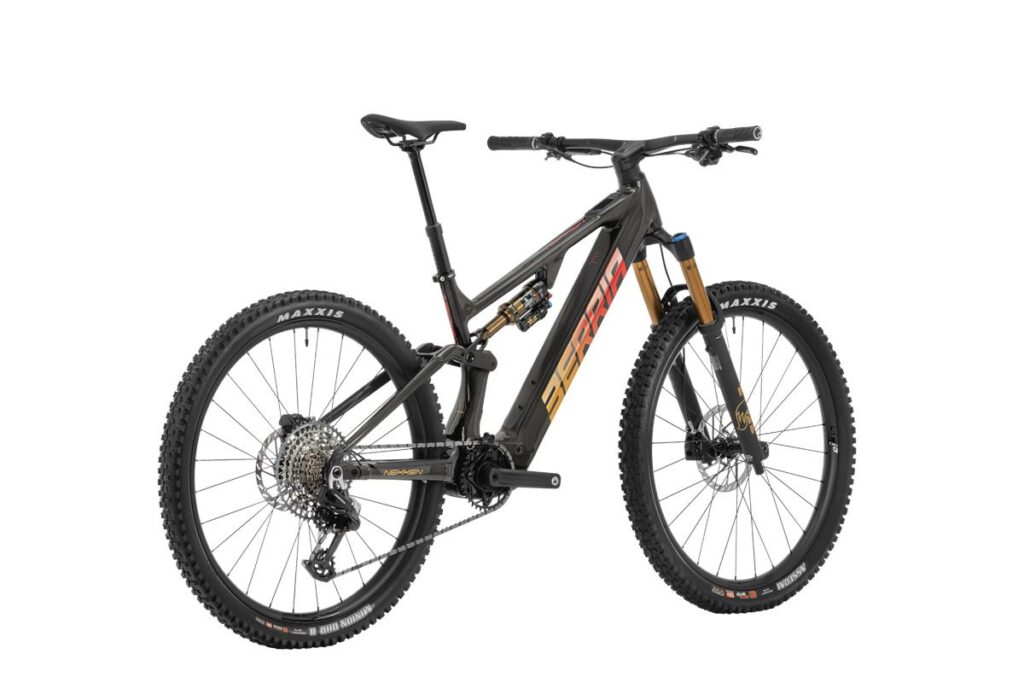
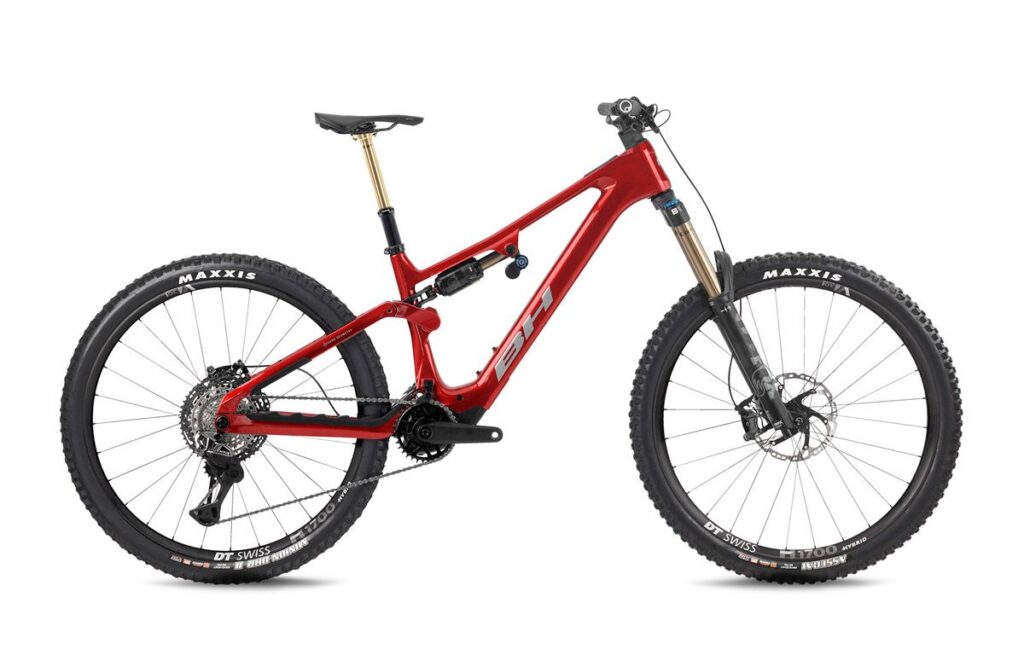
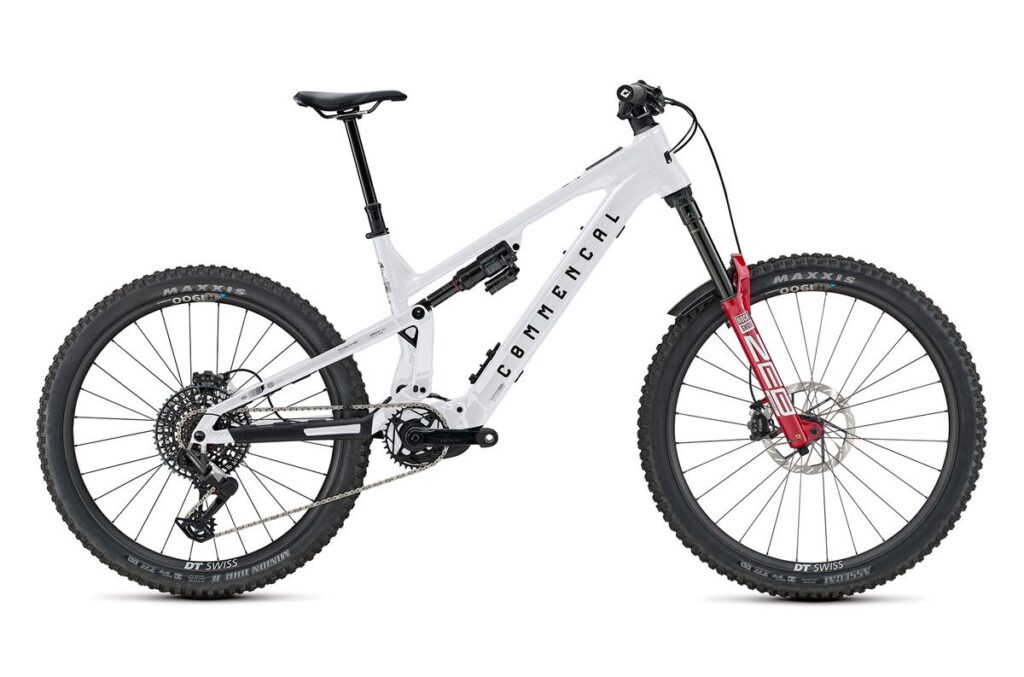
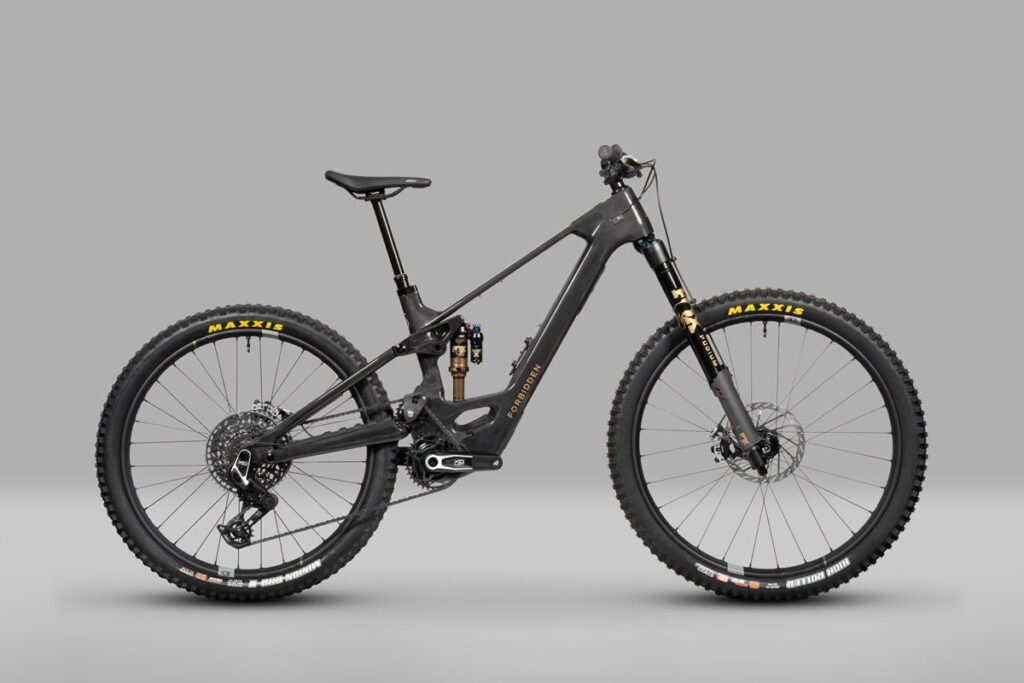
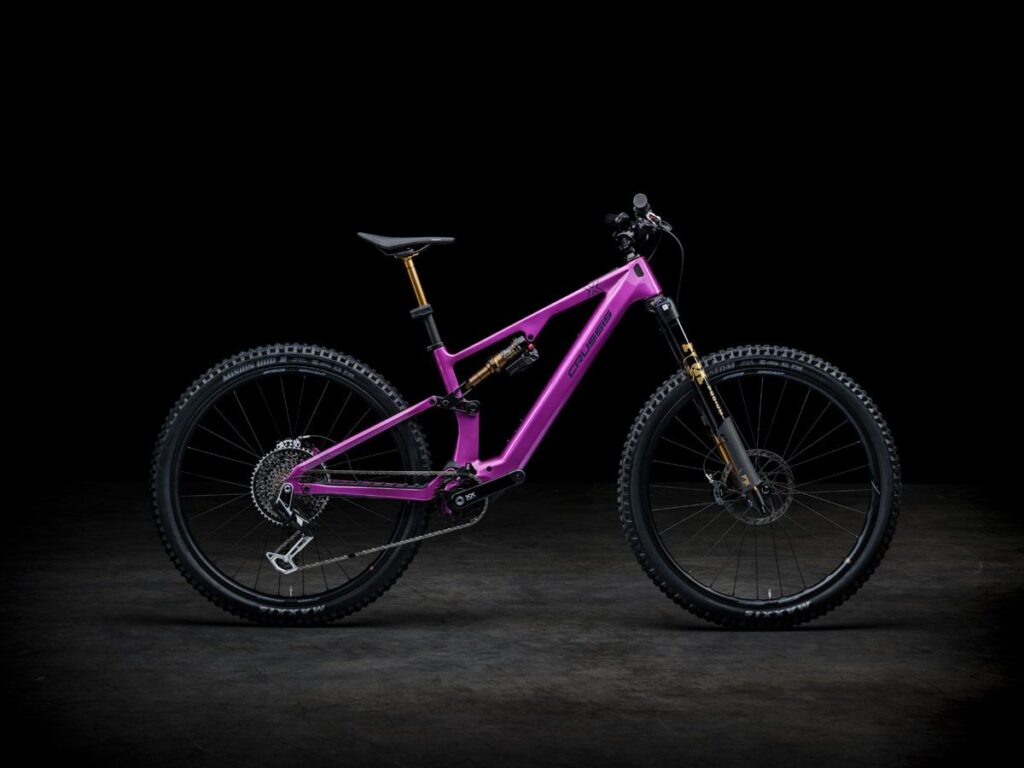
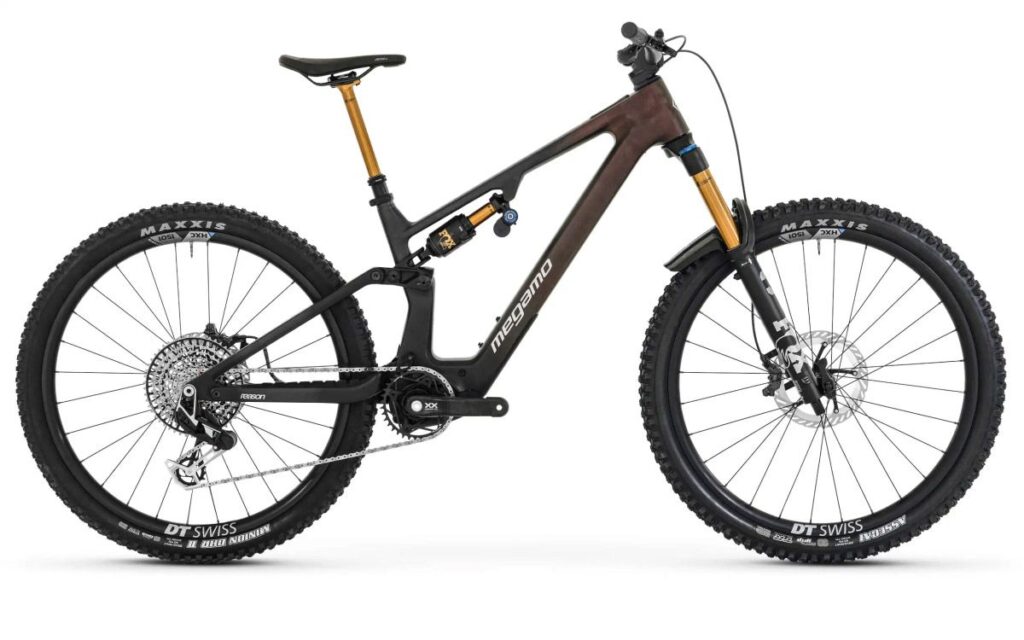
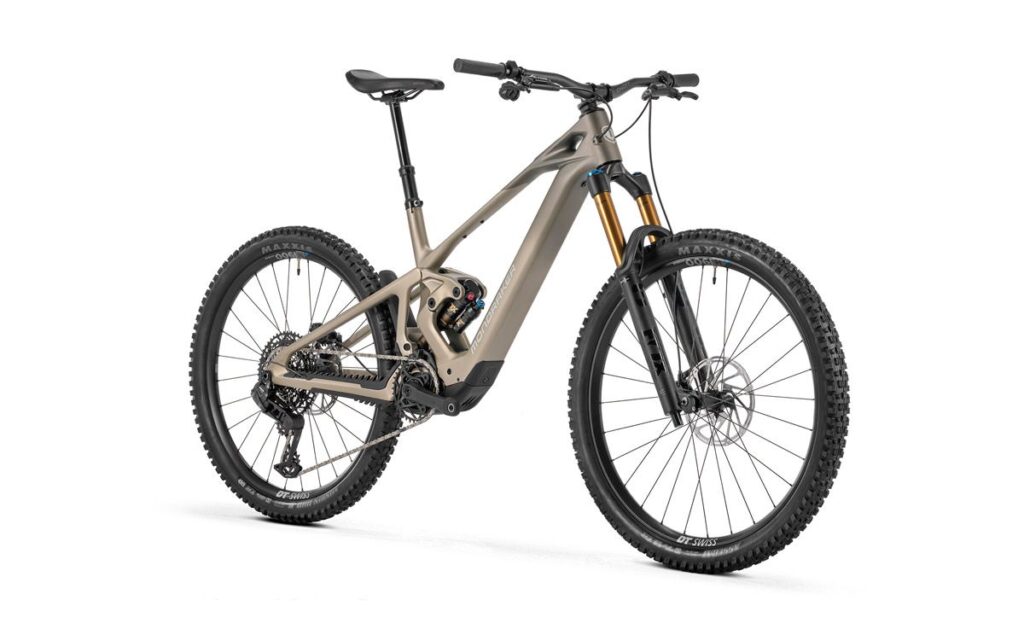
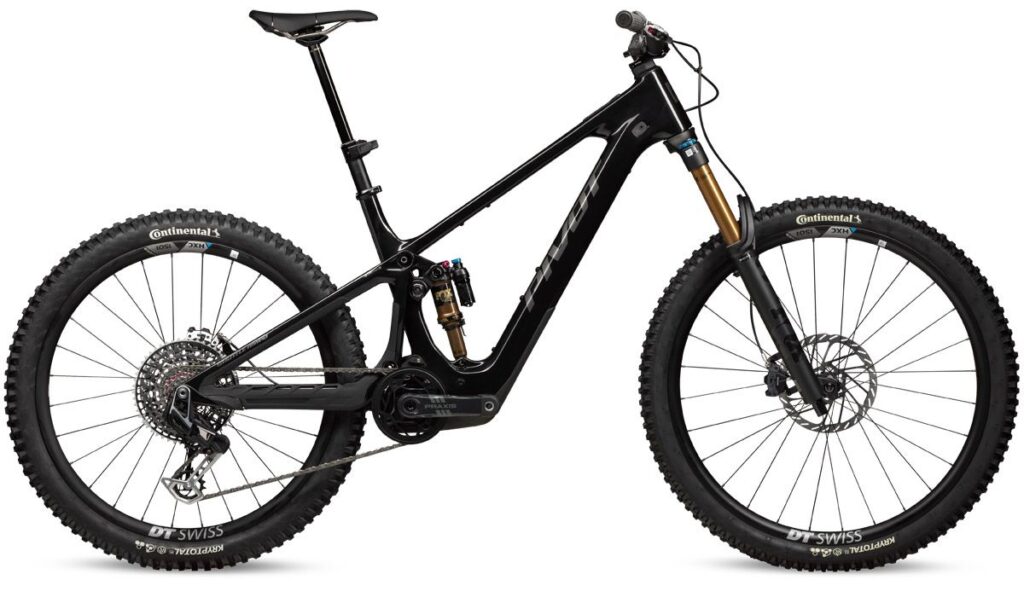
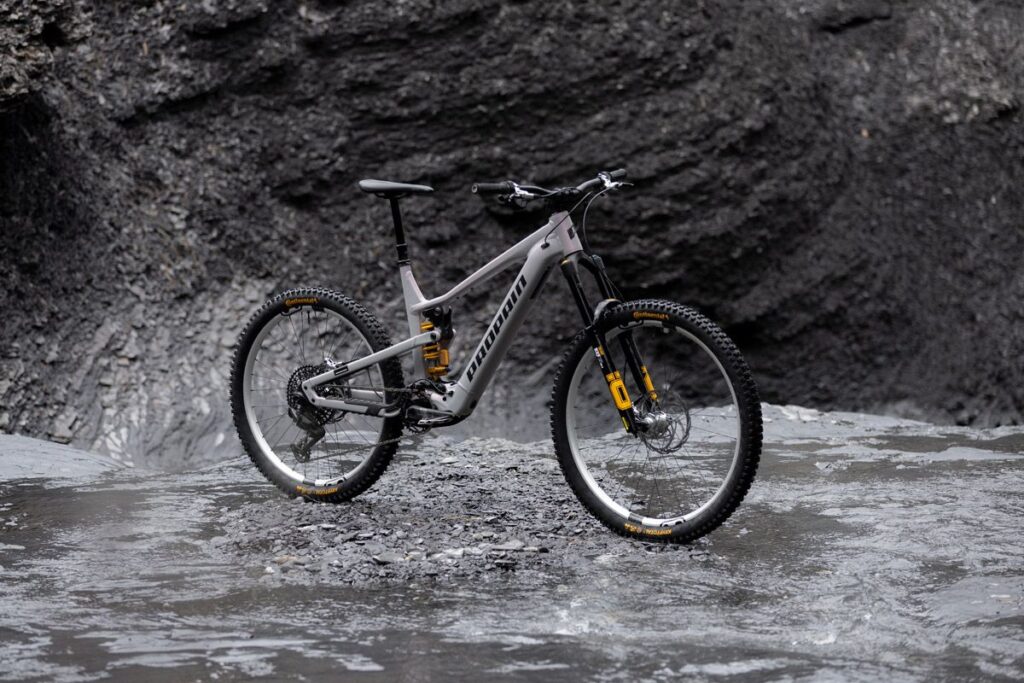
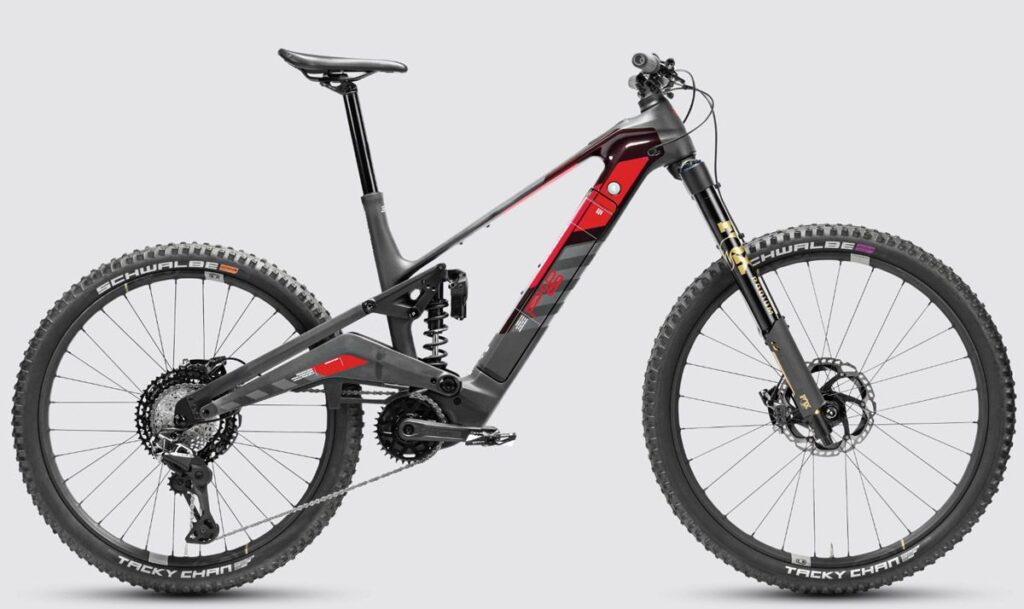
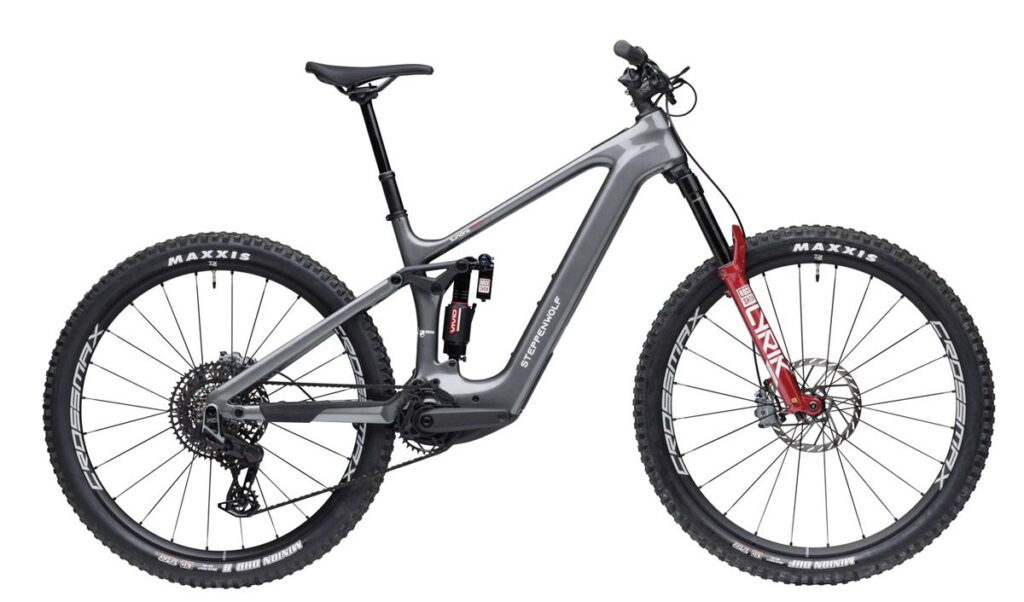
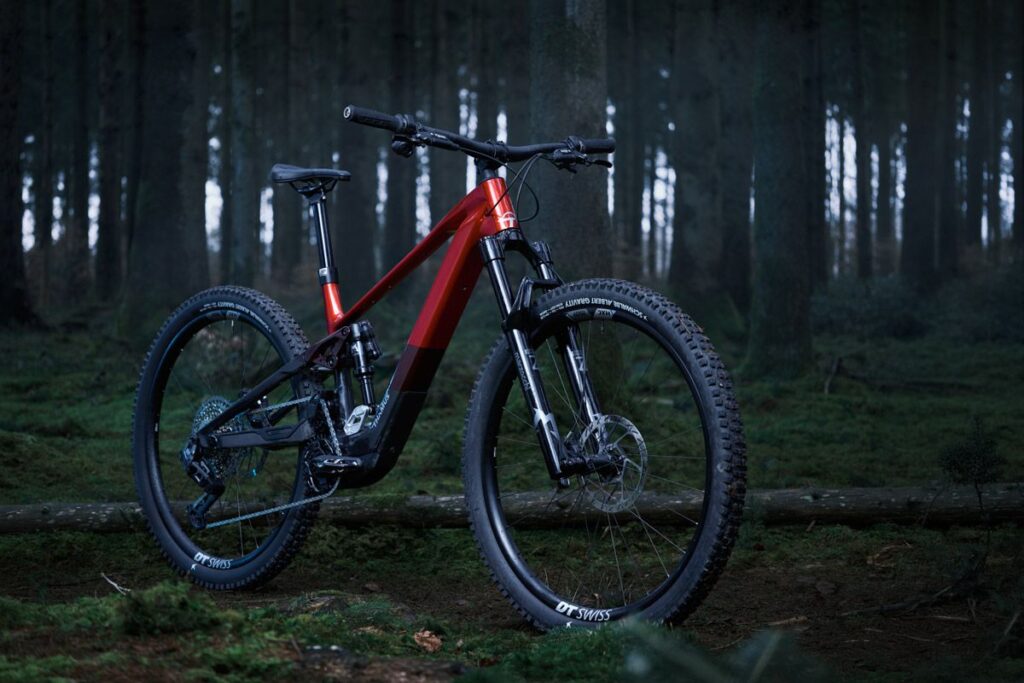
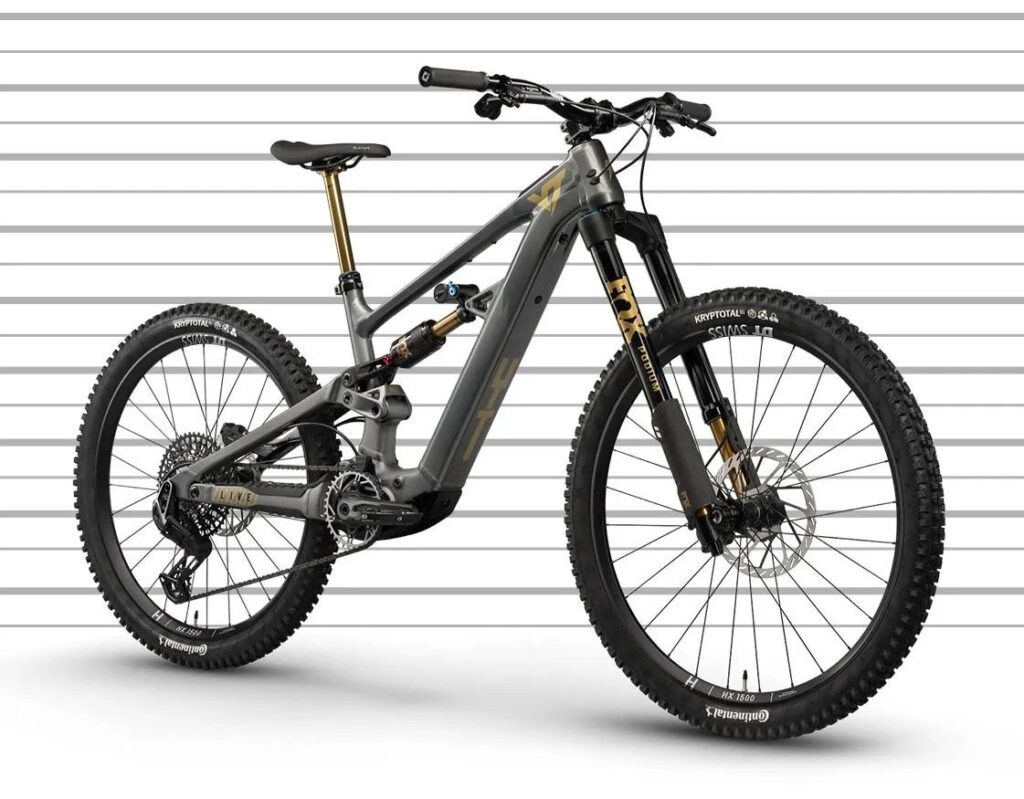
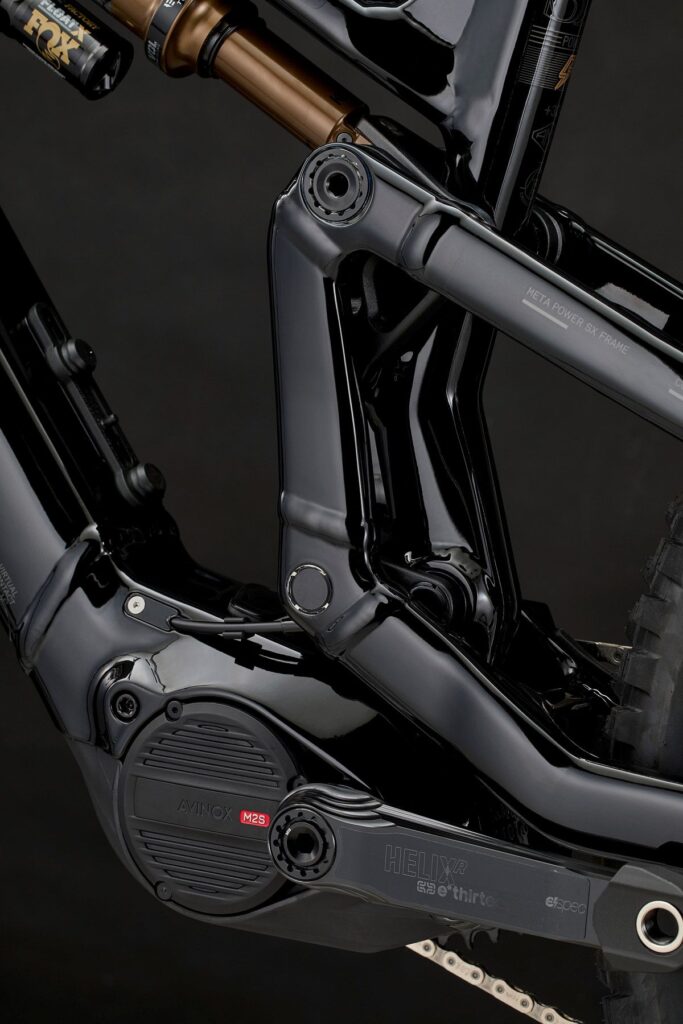
This matters because it changes how the system is perceived. DJI/Avinox releasing a powerful motor is one thing.
Established brands starting to design frames around that motor is quite another. That is where the system
ceases to be a rarity and begins to become a serious threat to Bosch, Shimano and Brose.
Is a 1,500 W motor legal in an eMTB?
This question will come up often, so it deserves a clear explanation. In Europe, what matters for an eMTB to qualify as a
pedelec is not instantaneous peak power, but a continuous rated power of 250 W and assistance cutting off at 25 km/h.
The Avinox M2S can claim very high Boost peaks while retaining the legal assistance setup of an e-bike
within the pedelec framework. It is not an electric motorcycle, not a speed pedelec and should not be confused with an e-bike
with its speed limiter removed.
technical, steep sections. The power is felt climbing, not cruising on the flat at 40 km/h.
Avinox M2S strengths
- Immense power: currently one of the most powerful systems in the eMTB market.
- Plenty of torque for technical climbing: ideal for extremely steep gradients, technical uphill trails and slow sections.
- Improved IP66 protection: more confidence in mud, dust and tough rides.
- Good power-to-weight ratio: 2.59 kg for those figures is very competitive.
- More mature ecosystem: new batteries, displays, an app and more manufacturers adopting the system.
What I am not fully convinced by
- Drivetrain wear: with so much torque, we'll have to watch chains, cassettes and chainrings.
- Dependence on battery choice: not all configurations will give the full 1,500 W.
- More power is not always better: it can be excessive in inexperienced hands.
- Long-term experience is lacking: We need to know how it ages after mud, washing, heat and months of use.
- The ecosystem still needs to prove its service support: Bosch and Shimano have extensive networks behind them. Avinox has to earn that trust.
Who is the Avinox M2S really for?
If you ride easy gravel tracks, enjoy relaxed outings or want a natural-feeling, lightweight eMTB, you probably do not need an M2S.
It may even be more motor than you need. For that rider, a Bosch CX, Shimano EP801, TQ or even a standard Avinox M2
may make more sense.
But if you seek seemingly impossible climbs, aggressive enduro, technical rides, lots of elevation gain and that feeling of
“let's see how far I can climb”, the M2S is one of the most interesting options around.
eRIDERseMTB opinion
The Avinox M2S is not simply a more powerful motor. It's a statement of intent. Avinox is telling the market
that the high-performance eMTB can go well beyond the traditional 85-100 Nm.
Is it necessary? For many riders, no. Is it fun? Probably. Will it force Bosch, Shimano, Brose and SRAM
to respond? That is the interesting part.
My view is clear: the M2S could change the conversation in 2026. But the real test will not be
on the spec sheet. It will be in the mud, in real-world range, drivetrain wear, after-sales service
and how it behaves after months of hard use.
Conclusion
Avinox has gone from “DJI's new motor” to one of the eMTB market's most aggressive players.
The M2 and, above all, the M2S target the premium segment: expensive bikes, high-end builds and riders
who want the greatest possible assistance on technical climbs.
The important thing is to look beyond the 150 Nm and 1,500 W headline. We need to see which manufacturers integrate it well,
which geometries make the most of it, which batteries deliver full power and how the complete package withstands real use.
Having the most powerful motor on the market is one thing. Turning it into an eMTB that is balanced,
reliable and fun.
Article prepared from available public information about Avinox M2/M2S and editorial analysis of eRIDERseMTB.
Advertisement / sponsored link
Have you used this bike, motor or component?
Join eRIDERSeMTB on Telegram to discuss real experiences with other riders: Bosch, Avinox, Shimano, deals, faults and buying decisions. The community currently speaks Spanish.
Join TelegramAdvertisement / sponsored link
Advertisement / sponsored link
Advertisement / sponsored link