DT Swiss Hybrid wheels: choosing H 1900, HX 1700 or HXC 1500 for your eMTB
Technical guide · eMTB PRO
Aluminum or carbon, 140 or 150 kg system limits, Ratchet LN or DEG, and versions sharing a name: what to check before upgrading your eMTB wheels.
Advertisement / sponsored link
The best improvement begins by identifying the problem
Changing wheels can be a good investment or a very expensive way to retain the same problem. Before considering carbon, ask what you want to fix: a damaged rim, hub play, loosening spokes, a failing freehub or simply a desire to save weight. These are different situations requiring different solutions.
This guide compares three families DT Swiss Hybrid from the official catalogue checked in October 2026. We have not ridden these wheels or measured their strength. We separate manufacturer specifications from our buying assessment. Nor do we call everything still appearing in a shop new.
The first decision is simple: if your wheels are sound and grip is the problem, first check casing, compound and pressure. If there is structural damage, stop using them and request a diagnosis. A more expensive sticker does not replace an inspection.
And remember a less glamorous but useful point: keeping a repairable wheel with identified spares may make more sense than buying a complete new set.
The three ranges, with their important differences
These are catalog references, not verified offers in a Spanish store. The price and weight are announced as 'from' figures and per wheelset; they do not guarantee those figures for a specific combination of wheel diameters and freehub bodies.
| Family | Rim and hub | Price from | Weight from | Maximum total load |
|---|---|---|---|---|
| H 1900 SPLINE | Aluminium; 370, Ratchet LN 18 | €499 | 2,066 g | 150 kg |
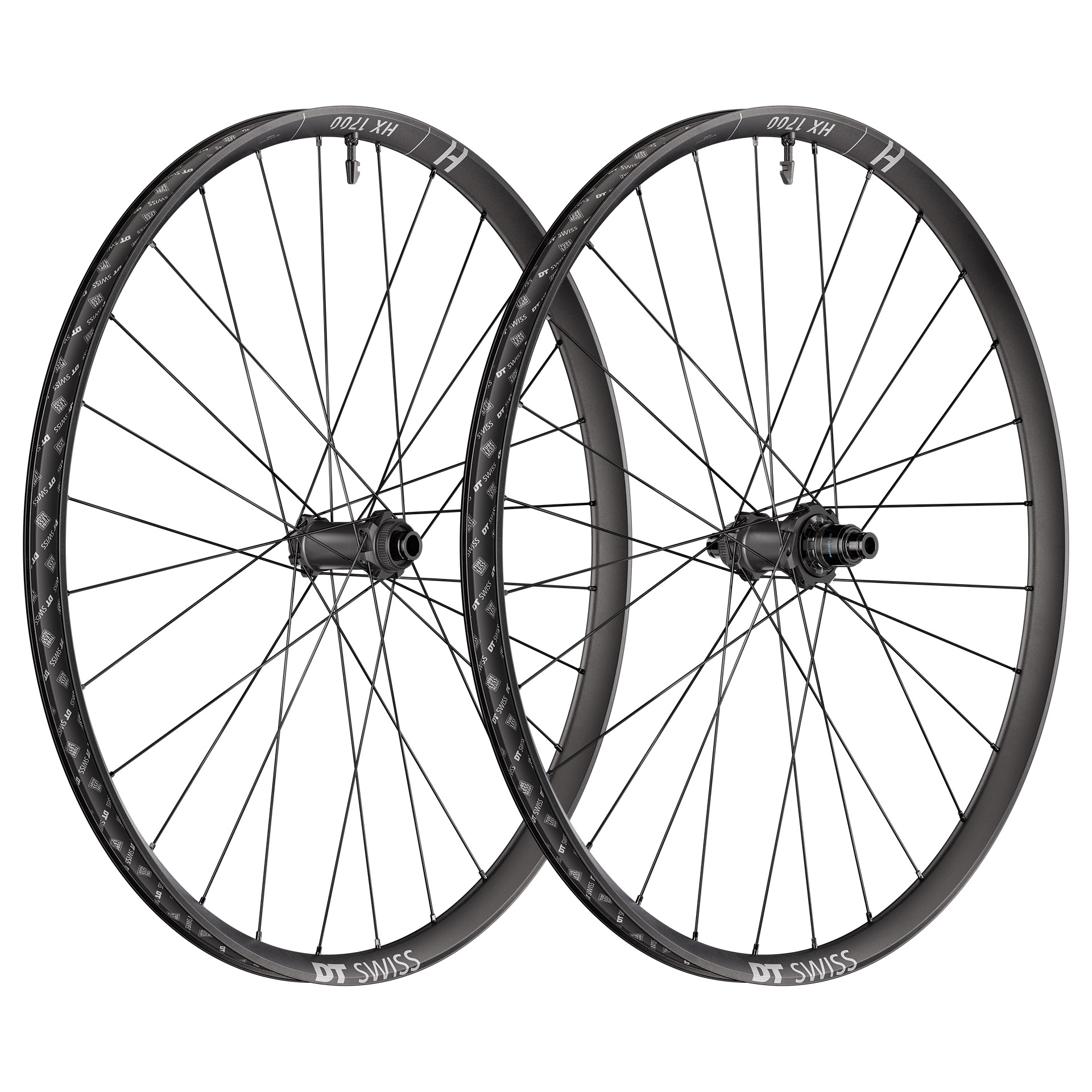
| Current HX 1700 SPLINE | Aluminium; 350, Ratchet DEG 60, DF Hybrid | €759 | 2,019 g | 150 kg |
| Current HXC 1500 SPLINE | Carbon; 240, Ratchet DEG 60, DF Hybrid | €1,729 | 1,835 g | 140 kg |
Sources: H 1900, HX 1700 and HXC 1500. Always confirm the reference of each wheel. Do not mix the minimum weight of one configuration with the price of another to make a favorable comparison.
Our assessment: the higher budget buys more than a change in grams. Construction, mechanism and adjustment options change too. A final quote including installation lets you compare something you can actually take home.
H 1900: meet the need without blowing the budget
Advertisement / sponsored link
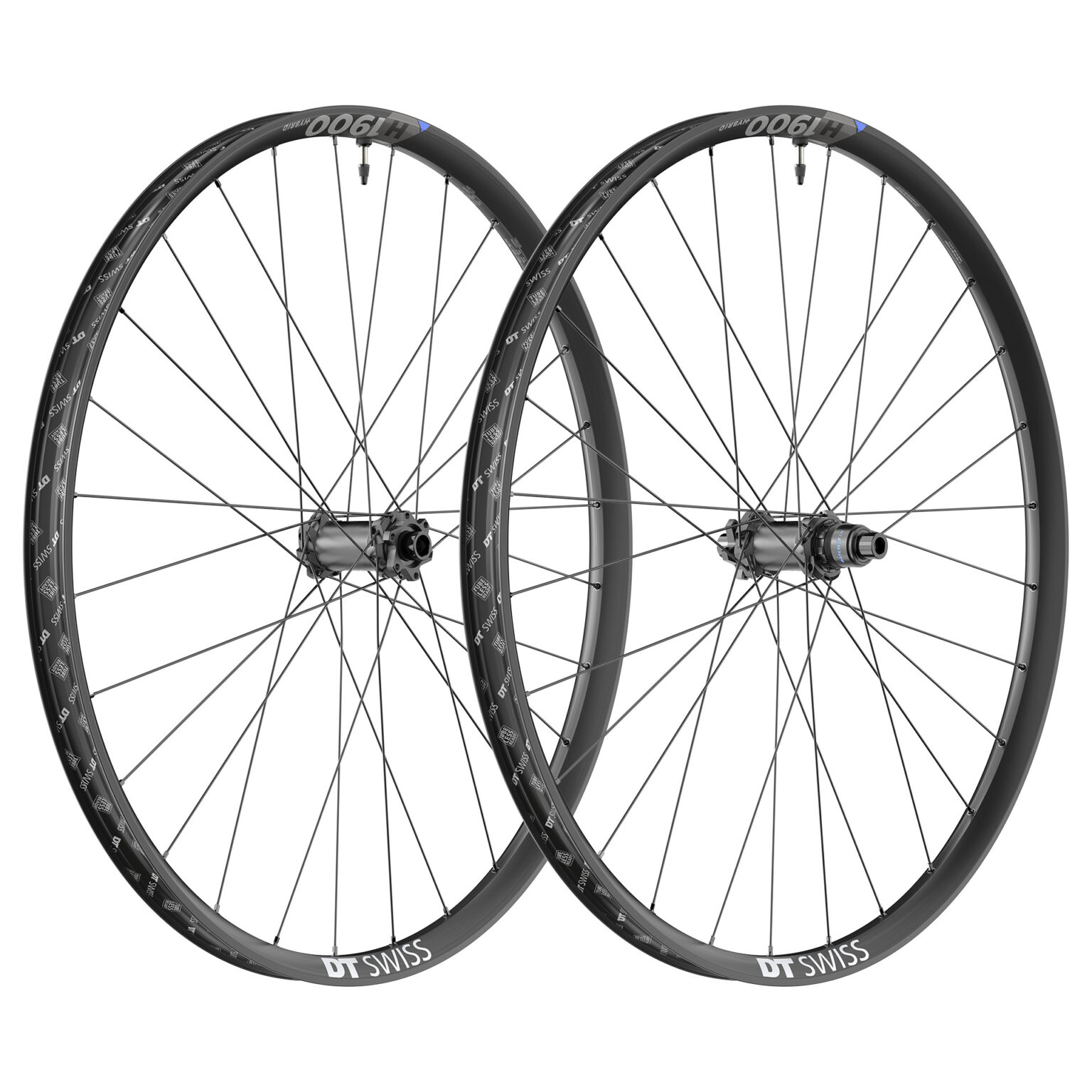
The H 1900 combines a 370 hub with 18-tooth Ratchet LN, Hybrid 1 spokes and a hooked aluminium rim. The family offers 30 and 35 mm internal widths, plus different diameters and rotor mounts. That describes a range; it does not mean every combination exists.
For us, this is a sensible starting point when replacing damaged wheels while keeping money for tires, brakes or maintenance. There is no shame in buying the entry-level range if it meets your needs. Nor should you assume it is right just because it says Hybrid.
Request two quotes: repair what you have and replace it. If only the rear wheel is faulty, ask about that wheel separately. If both need work, add rims, spokes, labour and spares; the actual difference may change the decision.
HX 1700: the name alone does not tell you what you are buying
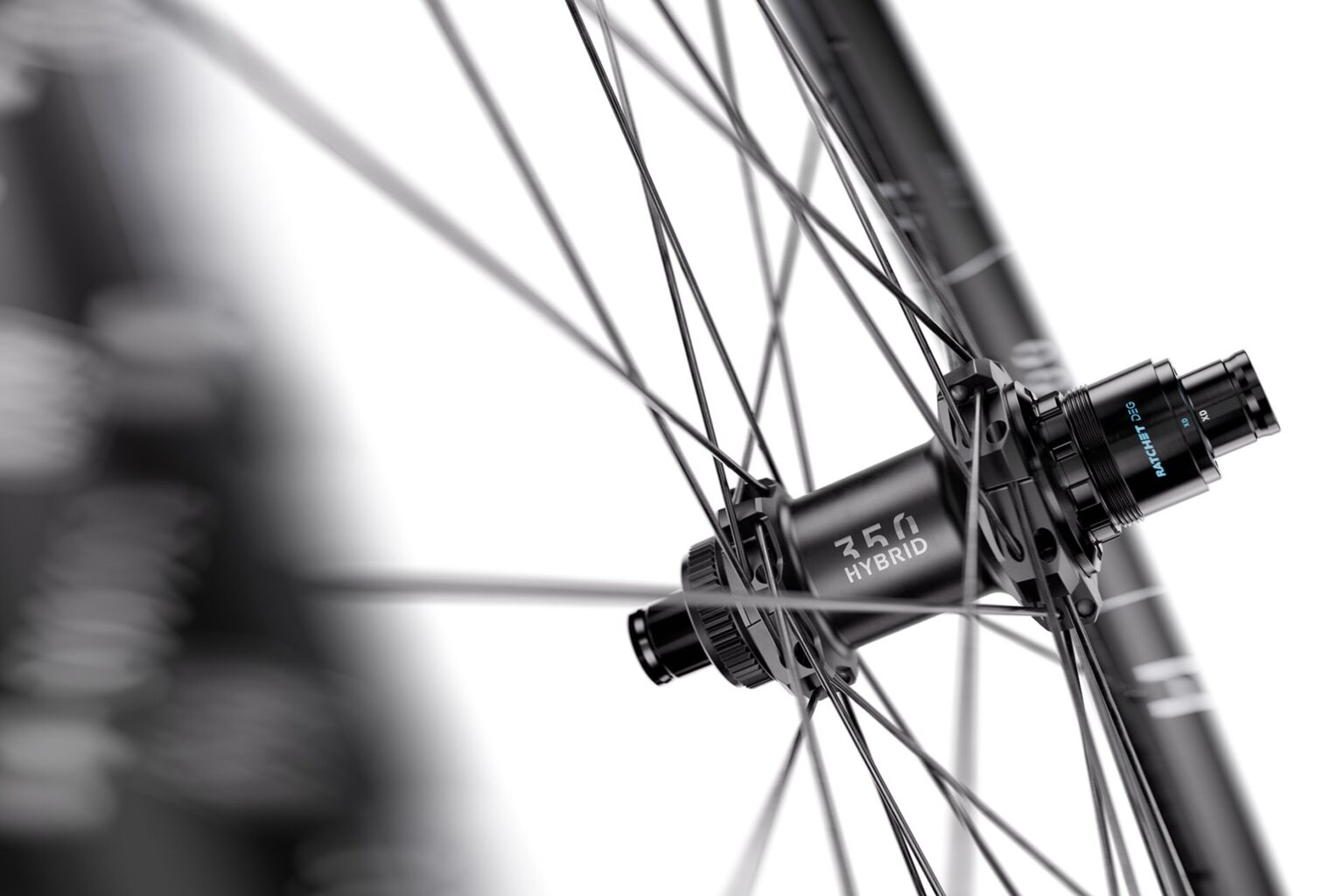
The HX 1700 currently shown by DT Swiss has an asymmetric welded aluminium rim with 30 mm internal width, Hybrid II spokes and a 350 hub with Ratchet DEG 60. It includes DF Hybrid adjustable to 0 or 10 degrees. This is a specific specification, not a description of every HX 1700 from every year.
A clearance offer may be interesting, but request a hub photo, material number and corresponding specification. If the seller copies the new description onto an old wheel, the discount is no longer comparable. There is no need to argue: simply get written confirmation of what the product being sent includes.
The DT Swiss ID lets you find specifications, manuals and spares associated with a unit. Keep it with the invoice. For a used wheel, a legible identifier photo and evidence of actual condition tell you more than ten claims about how little it has been used.
140 or 150 kg: the figure includes much more than your weight
The Intended use manual defines system weight as rider, bike, kit and luggage. It also sets a maximum static load per wheel of 60% of the total limit. This does not permit arbitrary loading of one wheel or replace the limits of the rest of the bike.
Calculated example, not a measurement: a 100 kg rider, 26 kg bike and 6 kg of clothing, water and tools total 132 kg. That leaves 8 kg below a 140 kg limit or 18 kg below a 150 kg limit. This arithmetic margin is not a strength test or a recommendation to approach the load limit.
Calculate using your riding kit, not your ideal weight. An extra battery, lock or luggage counts too. Check the maximum allowed by frame, fork and other components: a stronger wheel does not by itself increase the bike's approved load capacity.
Advertisement / sponsored link
The same manual distinguishes usage approvals by motor torque, including categories above 120 Nm. Consult the row and notes for your model reference; do not infer universal compatibility from a Bosch or Avinox logo.
HXC 1500: what to demand before paying for carbon
Advertisement / sponsored link
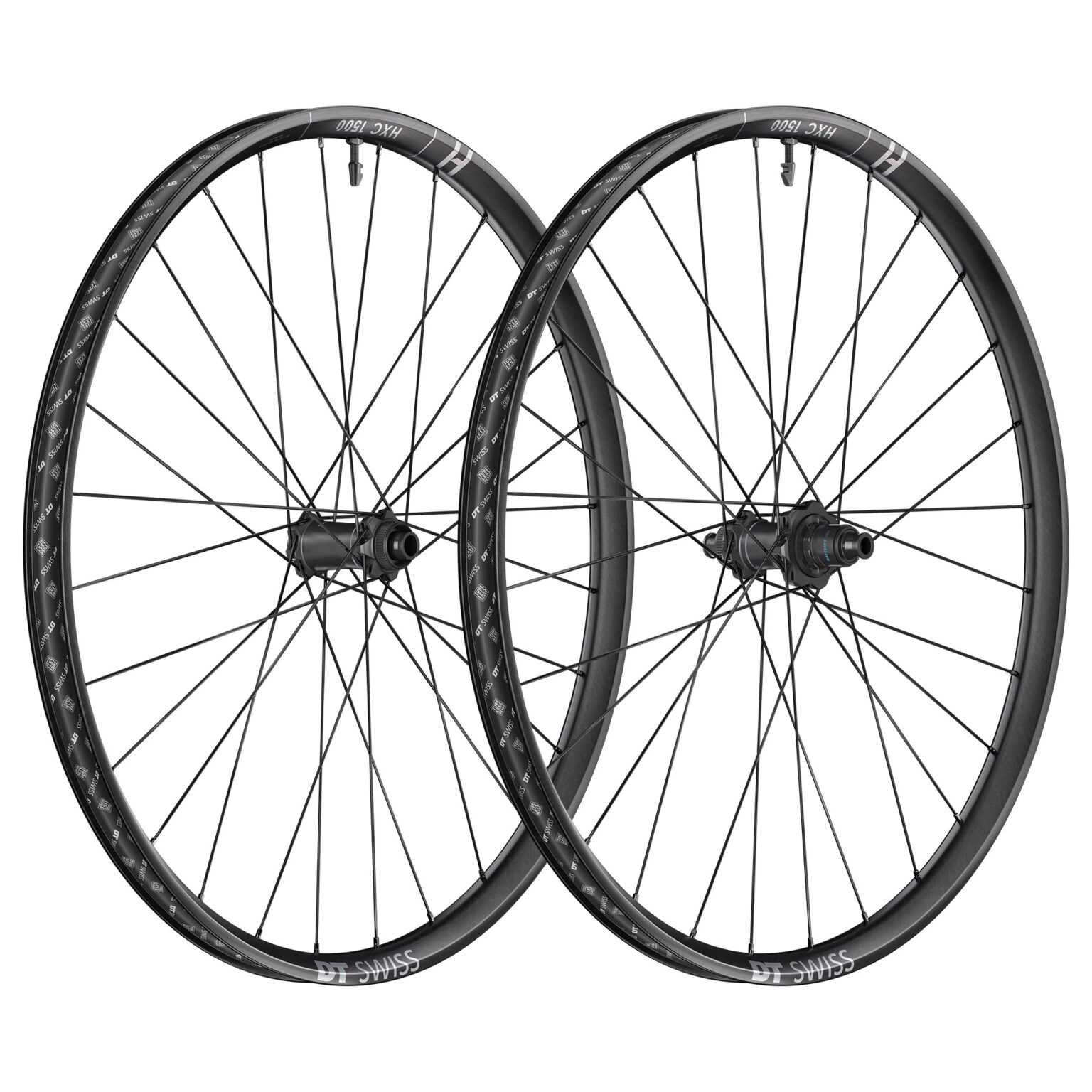
The Current HXC 1500 uses a PURE carbon rim with 30 mm internal width, a hookless profile, 240 hub and DT complite hybrid t-head spokes. Its stated 140 kg limit must enter the decision before the finish. The specification also identifies DEG 60 with DF Hybrid.
The difference between the published minimum weights of HX 1700 and HXC 1500 is 184 g. It's a catalog subtraction, not a comparison weighed in the same configuration. Do not translate it into seconds gained or extra kilometres of range: we do not have those measurements.
I would ask for three things in writing before paying: the exact configuration you will receive, the cost of replacing a damaged rim and the applicable warranty terms. Then I would consider whether the expense meets a real need or simply fits the build you would like to have.
There is nothing wrong with choosing a premium component simply because you like it. What matters is not convincing yourself that it offers a safety or performance improvement unsupported by the data.
Ratchet and DF: two concepts that should be separated
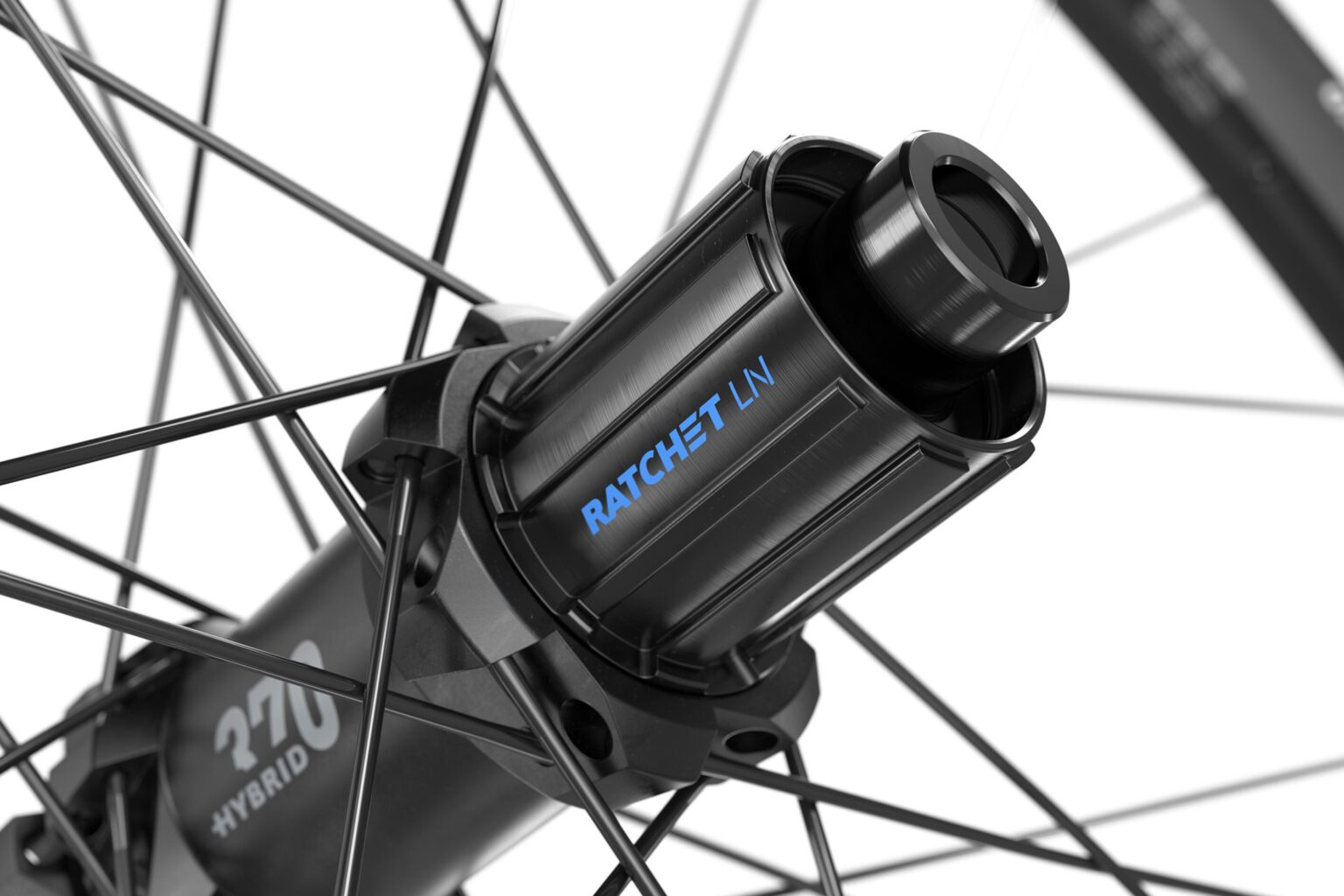
The Ratchet LN uses toothed ratchet rings and has its own sealing design and compatibility requirements. Do not buy a freehub body just because the listing says 'DT Swiss': LN, classic Ratchet, EXP and DEG are not interchangeable names.
DT Swiss explains the engagement angle as 360° divided by the number of engagement points. Using that formula, 18 gives 20° and 60 gives 6°. These are angles within the mechanism, not the exact movement you will feel at the cranks. Gearing also plays a part.
Separately, DF Hybrid adds freedom of movement to reduce the influence of chain pull during suspension compression. The Hybrid variant offers 0° or 10°; do not transfer settings from other DF versions to this system.
Our editorial advice is to start with the recommended setting for your unit and compare one change at a time. Keep the route, tire pressures and suspension settings constant. Finding the setting that helps on your trails makes more sense than selecting the larger number because it seems better.
The checklist to complete before ordering
Put together a specification sheet for your bike and send it to the seller. 'It is a 29-inch eMTB' is not enough. Compatibility depends on the whole setup:
- Front and rear wheel diameter: keep the configuration approved for your frame. Do not improvise a mixed-wheel setup just because a rear wheel is discounted.
- Axle and hub spacing: copy the fork and frame specifications. Do not assume that end caps can convert any hub.
- Freehub body: identify the exact cassette and its interface. Simply saying Shimano or SRAM may not settle the question.
- Brake rotor: the mounting interface, diameter, thickness and retaining hardware must work with the rest of the brake. A mounting adapter does not resolve all these variables.
- Intended use and load: confirm the full product reference and the bicycle's limits.
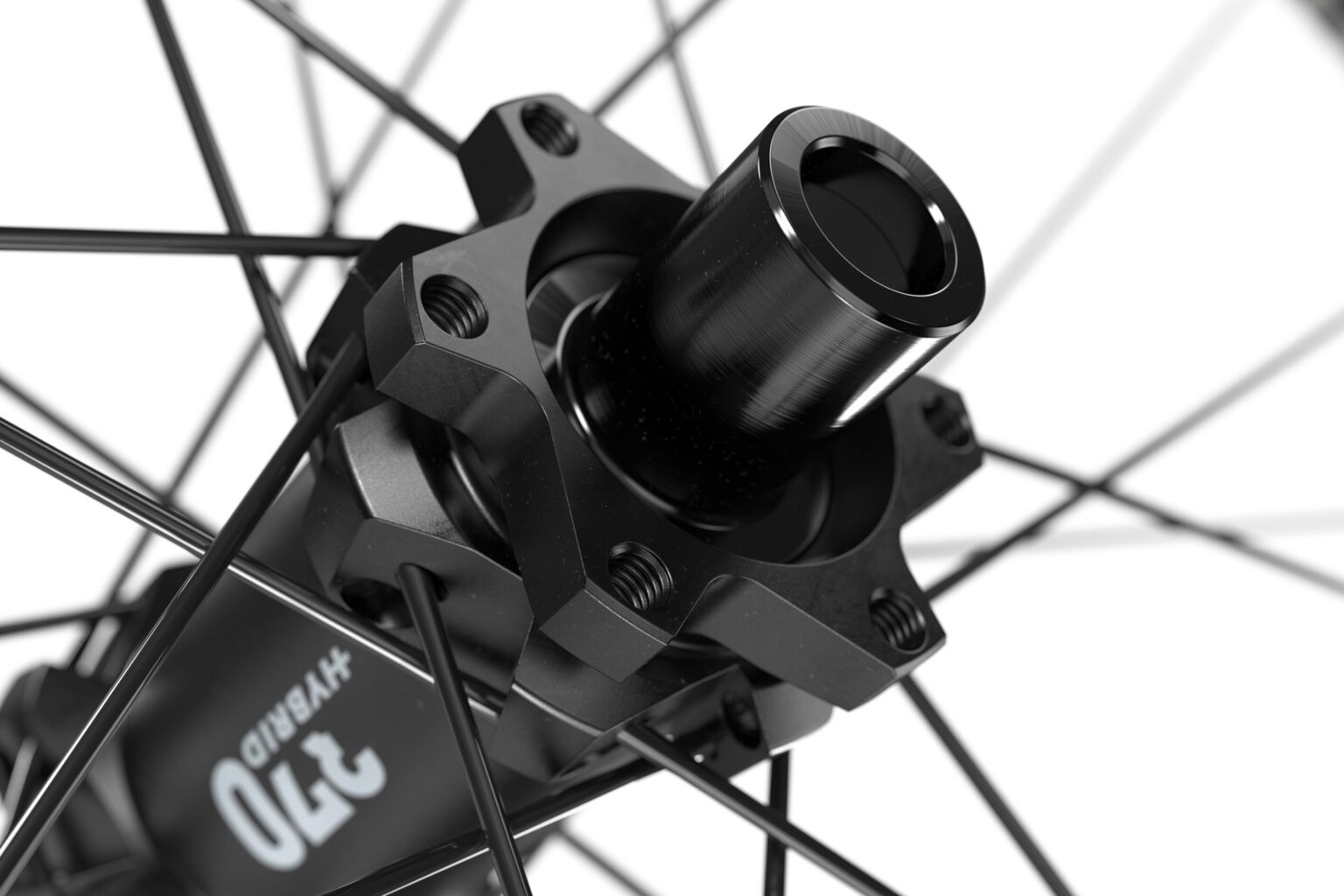
When buying remotely, send clear photographs of the mounting interfaces and product references; keep the confirmation. If the reply is 'it should fit', you still do not have confirmation of compatibility. It is better to spend another day checking than to discover a mistake after fitting the wheel and throwing away the packaging.
The eBike detail you forget: speed reading
A wheel that fits mechanically must still work with your bike's speed-sensing system. Before taking anything apart, identify the components fitted and their locations. Do not assume that changing a rotor or rim automatically preserves this function.
The DT Swiss rim magnet manual requires compatibility and operation with the drive unit to be checked and approved by the bicycle manufacturer. The existence of this accessory therefore does not make it a universal solution for every motor.
Our practical recommendation is to include this question when requesting a quote: 'Which parts of the speed-sensing system need to be retained or replaced with these wheels?' If the shop fits them, ask it to check the speed reading and confirm there are no errors afterwards. Do not tamper with sensors to alter assistance; we are talking about preserving the original operation.
Hooked, Hookless and Pressure: Check Before Inflating
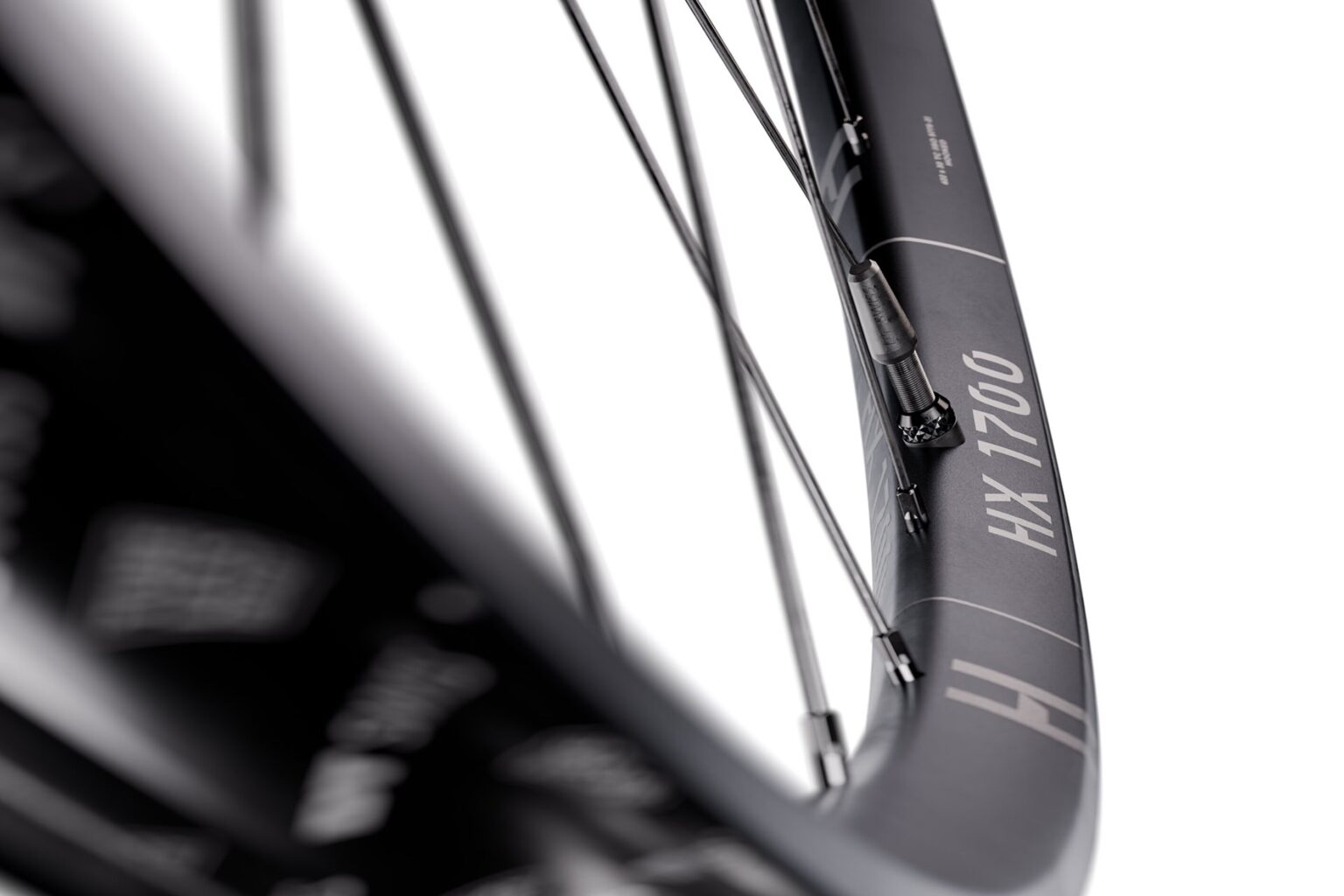
The wheel and tire dimensions manual distinguishes between hooked and hookless rims. For the latter, it requires tires marked tubeless or tubeless ready, even when using an inner tube. A tire physically fitting does not prove that the combination is suitable.
Check the size, the tire manufacturer's stated compatibility and the permitted pressures. The printed maximum is not a recommended riding pressure for every route. Do not copy someone else's pressure either: load, casing, width and terrain vary.
Advertisement / sponsored link
When comparing two new wheelsets, start with equivalent tires and record pressures using the same gauge. If you change wheels, tires and suspension at the same time, it will be difficult to tell what has improved or worsened. Make your initial checks on familiar terrain at a cautious pace.
The rim does not work in isolation. An unsuitable pressure or a poorly chosen tire can undermine an excellent purchase. To fine-tune this aspect, see our eMTB pressure guide; its guidance does not override the limits of your specific combination.
Replacement parts and maintenance: decide before you need them
The DT Swiss FAQs recommend cleaning and lubricating the hub every twelve months. Treat that as general guidance: consult the specific manual and have it checked sooner if symptoms appear. The service schedule is no reason to keep riding with play, damage or irregular operation.
Before buying, ask who can repair the wheelset locally, how long it takes to obtain compatible spokes and what a typical service costs. A small saving becomes less appealing if every failure involves shipping and several weeks without your bike.
Do not pack the freehub body with just any grease or adjust spoke tension by guesswork to eliminate a noise. Use the documentation for the specific model and go to a workshop if you lack the tools or experience. A part being easy to dismantle does not mean you can diagnose its wear.
When buying used, also check the official safety campaigns by model and identifier. Do not assume that a campaign for another product family applies to these wheels, or accept the seller's 'they have never given me any trouble' as proof of safety.
What would I buy according to the problem, not according to the sticker
Limited budget and a necessary replacement: I would start by comparing H 1900 wheels with repairing the existing ones. I would request a fitted price and leave room in the budget for a suitable tire. If the hub works and only the rim is damaged, I would not rule out rebuilding that wheel.
Frequent use and a desire to fine-tune the setup: I would consider the correct generation of HX 1700. The appeal is not just the weight, but the features you actually want to use. An older version at a good price can still make sense if you know exactly what you are buying.
Carbon build and a generous budget: I would consider HXC 1500 after checking load limits and after-sales support. I would not sacrifice other overdue maintenance to fit it into the budget.
Ask for the final quote to itemise wheels, shipping, fitting, consumables and additional parts. Check whether it includes everything needed for your cassette and brakes. Also calculate what you would save by keeping components that are still serviceable.
The final question is not 'which DT Swiss is best?' but 'what problem does this change solve on my eMTB?' If you cannot answer clearly, it is worth waiting. A well-chosen purchase also proves its value when the first repair is needed.
Quick questions before deciding
Does a discounted HX 1700 necessarily have DF Hybrid?
Do not infer that from the name. Check the generation, identifier and exact specification sheet. This guide describes the official catalogue consulted, not every older version still on sale.
Can I choose carbon because it will bear more weight?
Not on that basis. Compare the stated limit for the specific product and calculate the total system weight; material and price are no substitute for that figure.
Do I need to replace both wheels?
Not necessarily. Have both assessed and compare repair, individual replacement and a complete wheelset. Always stick to the approved dimensions and compatibility requirements.
Does this guide confirm stock or final price in Spain?
No. These are catalogue details checked on 1 October 2026. Ask the seller for availability, the total price and the terms before paying.
Sources and documentation
Information checked on 1 October 2026. Editorial guide based on official documentation, not our own ride test. Equipment and availability may vary by market.
- DT Swiss H 1900 SPLINE: range and product references
- DT Swiss HX 1700 SPLINE: current DEG DF version
- DT Swiss HXC 1500 SPLINE: current version and maximum load
- Intended use, categories and system weight (PDF)
- Wheel manual and tire compatibility (PDF)
- Ratchet LN: design and compatibility
- How engagement angle is defined
- DF and the DEG DF Hybrid variant
- DT Swiss ID: identification and spare parts
- Rim magnet manual (PDF)
- Frequently Asked Questions and Maintenance
- Check safety campaigns by product
Have you used this bike, motor or component?
Join eRIDERSeMTB on Telegram to discuss real experiences with other riders: Bosch, Avinox, Shimano, deals, faults and buying decisions. The community currently speaks Spanish.
Join TelegramAdvertisement / sponsored link
Advertisement / sponsored link
Advertisement / sponsored link