Mondraker Crafty ICON: 800 Wh and what the premium price buys
Technical guide · eMTB PRO
Bosch CX-R, Öhlins coil suspension, Trickstuff and 800 Wh: what the Crafty Unlimited Icon offers and what to check against the RR SL and XR before buying.
Advertisement / sponsored link
Crafty ICON: the premium is not just the motor
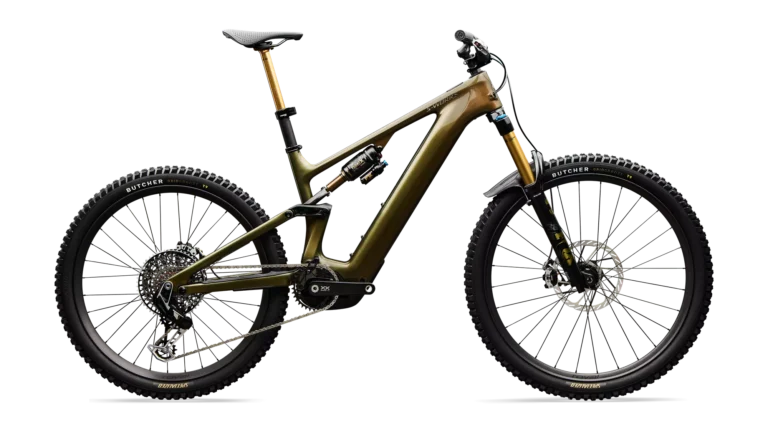
What are you actually buying when an eMTB costs €12,999? With the Mondraker Crafty Unlimited Icon, the answer is not simply more assistance: a large part of the budget goes into suspension, brakes and wheels. That makes it worth examining even if you are not buying one, because it separates useful upgrades from equipment chosen for personal preference or exclusivity.
The Spanish product page identifies a carbon enduro eMTB with 29-inch wheels, 160 mm front and 150 mm rear travel, a Bosch CX-R and 800 Wh. The Official presentation presents the Crafty's tenth-anniversary edition in 2026. This is a buying guide checked now, not a product launched today or our own on-trail test.
I would start with an uncomfortable question: do you need this configuration, or do you simply want a special Crafty? Either answer is legitimate. What would not be legitimate is justifying the expense with range, speed or handling we have not measured. This guide gives you specific differences, a comparison with the RR SL and a dealer checklist.
The configuration your money buys
These are the key parts of the 2026 ICON specification checked. Do not attribute this build to every discounted Crafty: the model suffix and model year matter.
| Component | Listed configuration |
|---|---|
| Frame and battery | Full carbon; removable PowerTube 800 |
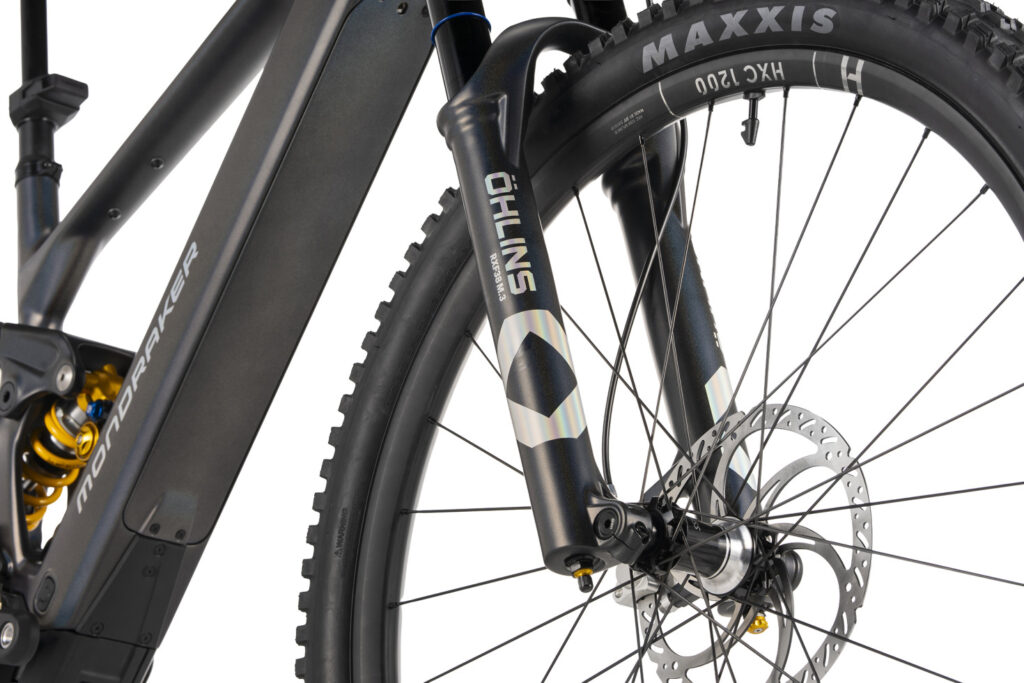
| Suspension | Öhlins RXF 38 M.3, 160 mm; TTX22M.2 coil shock |
| Brakes | Trickstuff Maxima; 203 mm rotors |
| Wheels | DT Swiss HXC 1200 Carbon, 29-inch |
| Drivetrain | SRAM XX Eagle AXS T-Type; 34T and 10-52T |
| Spain price | EUR 12,999 including VAT; not proof of stock |
Advertisement / sponsored link
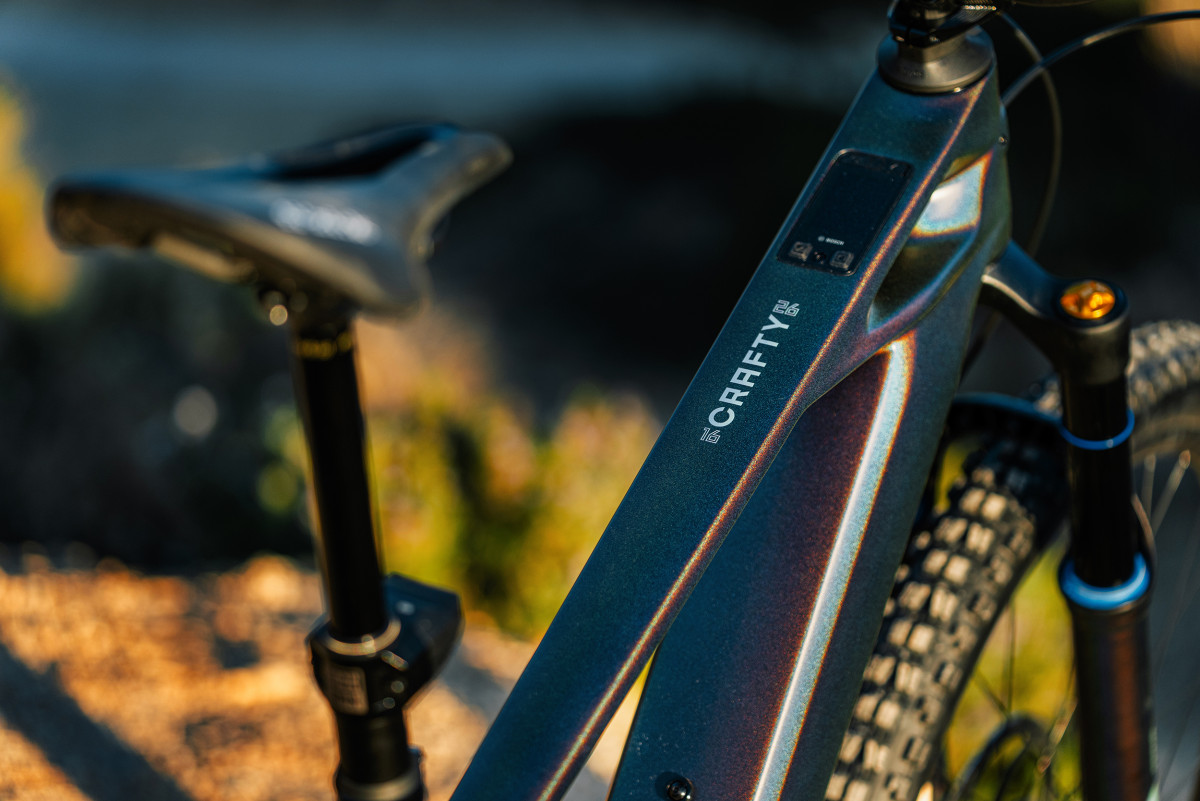
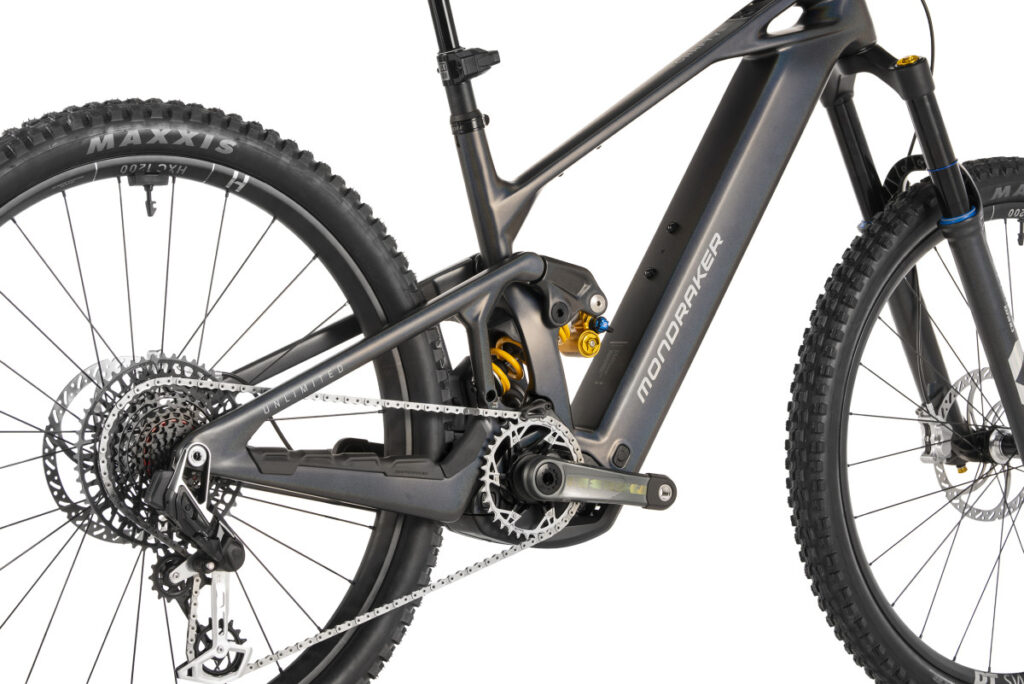
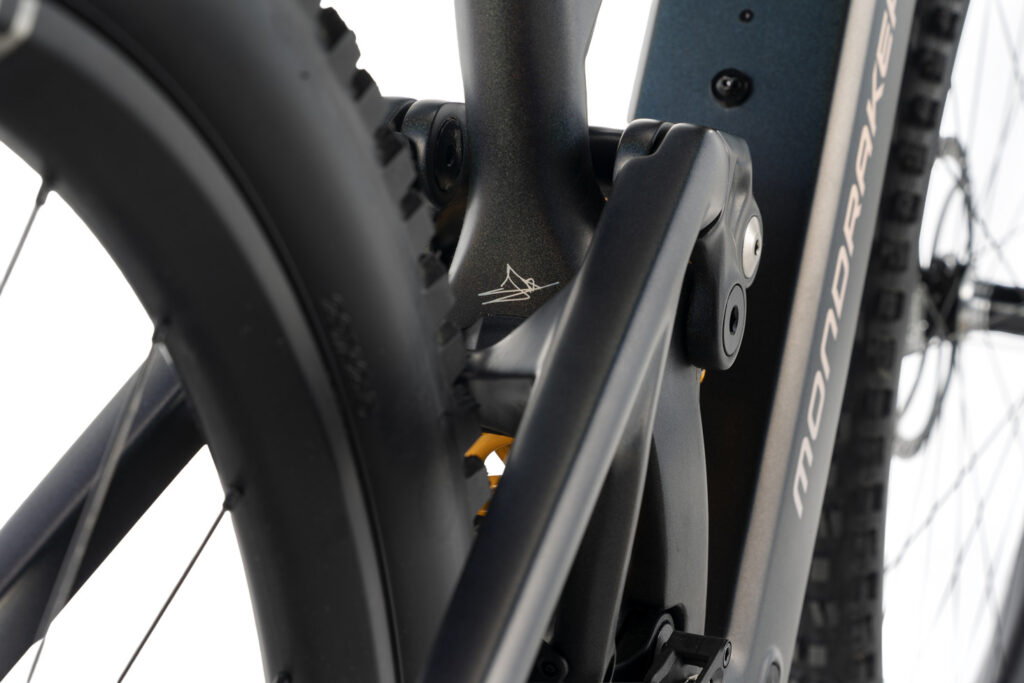
The photograph shows the ICON's central assembly, coil shock and drivetrain. It helps identify the build, not establish complete-bike weight. We have not independently weighed a particular size, and I would not carry over the RR SL's listed weight: that bike has a different battery and equipment.
Before comparing discounts, ask for a quote specifying year, size, reference and the equipment supplied. A price difference may mean a different build, an ex-display bike or different terms. If a seller proposes replacing a part, compare the exact reference and actual cost, not just the brand name on the frame.
CX-R and 120 Nm: maxima with conditions
Bosch identifies the CX-R as BDU386Y and lists maxima of 120 Nm, 750 W and 600% support. Those are different measures: torque, power and assistance relative to rider input. They do not mean all three are continuously available, or that 600% support is maintained at every speed.
Current documentation limits that maximum support factor to speeds up to 15 km/h, about 9.3 mph, and warns that the bicycle manufacturer can cap torque. It also says delivery settings may be lower and adjusted through eBike Flow. I would therefore ask the dealer to show the actual bike's configuration, updates and limits rather than relying on a sticker.
On a demo, I would look for control when starting on a slope, how easily I can maintain my usual cadence and the response when easing off before an obstacle. There is no need to attempt a dangerous maneuver: a simple, repeatable section tells you more than an isolated number. Race mode and Extended Boost deserve a practical explanation before the ride.
Higher assistance settings also have costs in consumption and wear. If your usual route already leaves plenty of power in reserve, I would choose a response you can control. Our guide to torque, watts and assistance explains how to read these differences without automatically recommending the biggest number.
800 Wh: capacity, removal and your actual ride
The ICON lists a removable PowerTube 800; the RR SL checked uses 600 Wh. The nominal difference is 200 Wh, or 33% more relative to 600 Wh. That arithmetic compares stored energy. It does not prove 33% more distance on every ride or quantify the weight difference between complete bikes.
To decide, I would record the battery remaining after three typical rides and the conditions on each. If you always finish with plenty left, extra capacity may not solve a real problem. If you regularly shorten rides, you have a concrete need to investigate with a representative demo. Climbing, surface, temperature and assistance settings change the result.
Battery removal matters especially when the outlet is far from bike storage. Ask for a complete demonstration on your size: opening, removal, handling, refitting and locking. Also check which charger and keys are included. Removable does not mean convenient in every garage.
I would not buy an extender before confirming compatibility, mounting and clearance with the dealer. The main battery already shapes everyday use. For planning without universal mileage promises, see our guide to real-world range and ride planning.
Öhlins and a coil shock: insist on a personal setup
The ICON pairs a 160 mm RXF 38 M.3 with a TTX22M.2 coil shock. That is not the RR SL's Fox air-suspension package. Riders who specifically want this setup have a reason to consider the ICON; those seeking only Bosch power and carbon should compare less exclusive options.
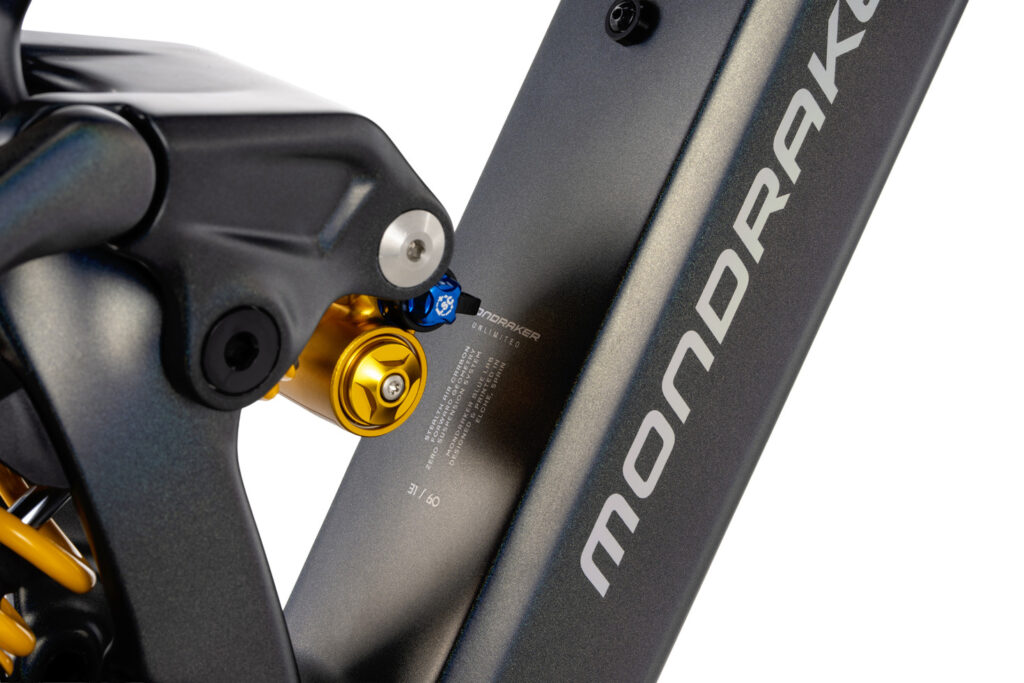
With a coil shock, spring choice needs to suit the fully equipped rider and the manufacturer's setup guidance. The specification lists different springs by frame size, but that does not guarantee the stock spring suits every person using that size. Bring your weight including pack, water and protection, and ask the dealer to check sag and the adjustment range against the manufacturer's instructions.
Advertisement / sponsored link
I would not use excessive preload as a substitute for the correct spring. Nor would I copy a click count from another model or year. Record the delivery setup and change only one variable at a time within documented limits. If the bike frequently bottoms out or does not use its travel, return to the service center with observations from a repeatable route.
Advertisement / sponsored link
More adjustment calls for more attention, not necessarily more work before every ride. The buying question is whether the dealer can set it up for you and maintain it. Premium suspension without a proper setup loses much of its purpose, however impressive it looks in a photograph.
Trickstuff and carbon: ask about service, not prestige
The Maxima brakes are listed with four-piston calipers and 203 mm rotors; the wheels are HXC 1200 Carbon, 29-inch with a 30 mm internal width. These are ICON build specifications, not comparative measurements of braking or durability against another bike.
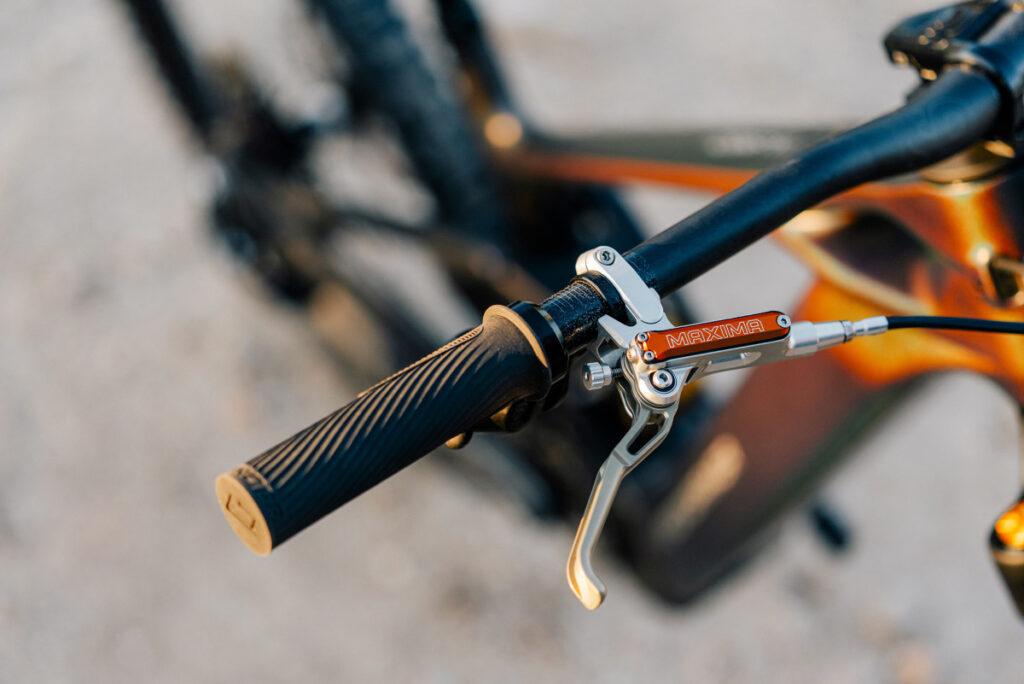
Before paying for brakes that are uncommon locally, I would ask where to get pads, which shop services them and how long a repair might take. That is a practical question for any specialist component: a good purchase must also be serviceable when you want to ride.
At handover, I would check lever reach, freedom from rubbing and the specified bedding-in procedure. Do not mix fluids, pads or rotors on appearance alone; confirm references and compatibility. Rotor diameter alone does not rank two complete systems by power or heat resistance.
Carbon rims also do not justify any tire or pressure. The specification identifies hookless rims; confirm the exact combination, limits and installation with the service center before changing tires. For demanding riding, maintenance budget and a suitable casing are more immediate decisions than the wheel label. Our tire-casing guide helps frame that discussion.
AXS and 34/52: a detail you can actually compare
The listed drivetrain is XX Eagle AXS T-Type with a 34T chainring and 10-52T cassette. Lowest gearing is 34/52, approximately 0.65 wheel revolutions per crank revolution before accounting for tire size. That is a mechanical ratio, not a rating of motor performance.
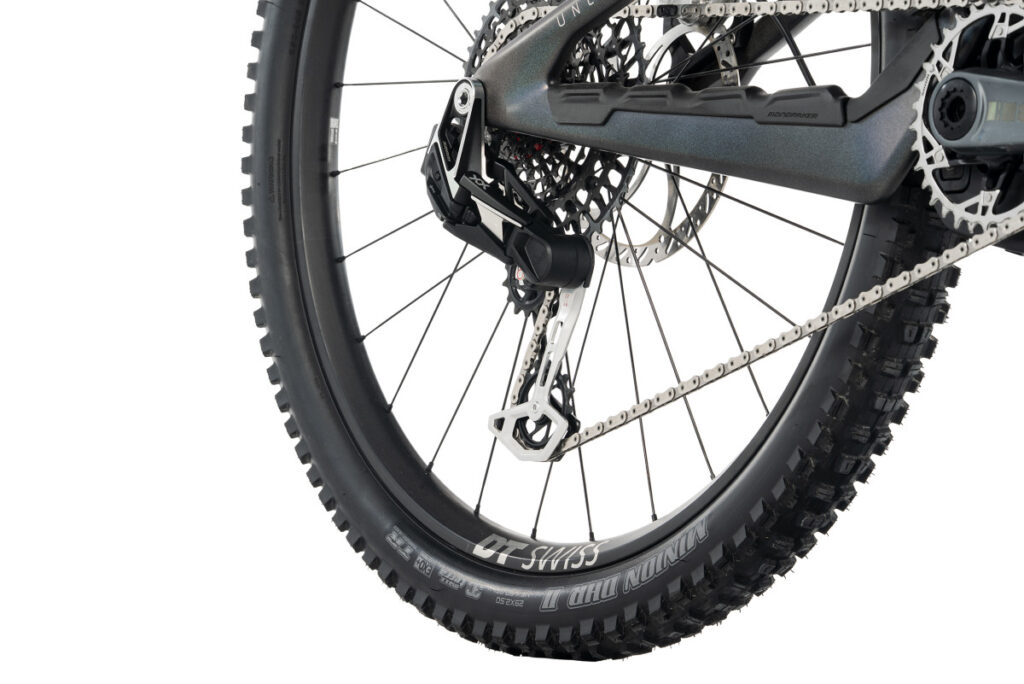
If your current bike also uses 34 and 52, a more exclusive drivetrain does not lower that ratio. Compare operation, parts availability and maintenance costs instead. Ask for prices for a compatible chain and cassette so you understand ownership costs rather than treating purchase price as the only expense.
The specification adds 160 mm cranks and a Reverb AXS dropper. During a fit check, I would assess pedaling position, saddle-lowering clearance and control placement with my gloves. I would not assume a wide handlebar suits me, or that a long-travel dropper can be inserted as far as I need.
I would also establish a charging routine for the electronic components and ask what happens if I forget a discharged battery. Electronics can be a convenient choice, but their value depends on whether the complete setup suits you, not how many acronyms appear on the quote.
ICON, RR SL or XR: three different priorities
At the official Spanish prices checked, the ICON and RR SL are listed at EUR 12,999; the XR appears at EUR 11,999. These are not verified offers with immediate delivery. Before choosing by discount, separate which configuration addresses your needs.
| Model | Key difference | What I would ask |
|---|---|---|
| ICON | 800 Wh; Öhlins with coil shock; Trickstuff | Do I want this equipment and can I maintain it? |
| RR SL | 600 Wh; Fox air suspension; Maven Ultimate | Do I prefer this capacity and suspension? |
| XR | 800 Wh; 170 mm front rather than 160 | Do I need this front-end configuration? |
The ICON makes sense if you deliberately want its combination of coil suspension, brakes and finish, not because it is the only way to get powerful Bosch assistance. The RR SL deserves attention if you prefer its air-suspension build and 600 Wh covers your riding. The XR is another configuration, not an otherwise identical ICON for less money; we have not compared their handling on the trail.
One detail to confirm: the XR's build-specific specification lists 800 Wh, but its generic platform text retains a reference to 600 Wh. The table follows the build specification. Given that contradiction, ask for the supplied battery to be identified on the quote. These capacities should not be treated as equivalent.
For US and Latin American readers, these are Spanish price references, not converted local prices or confirmation of regional distribution, warranty or configuration. Request your market's specification and local support. Importing a bike because it looks cheap can change the economic comparison completely.
The dealer checks I would make before ordering
I would take this short checklist, recording the answers and identifying the exact configuration:
- Fit: seated and standing position, saddle height and usable dropper travel.
- Suspension: appropriate spring, recorded starting setup and service provider.
- Bosch system: motor reference, updates, limits and control operation.
- Charging: actual battery removal, included charger and where I will use it.
- Purchase: exact reference, bike condition, final price and written timing.
In a second column, I would note the unanswered questions. A premium bike should not leave you guessing who handles a fault or which component will be supplied. If comparing two dealers, use the same checklist: slightly different prices may include different handover or maintenance services that genuinely matter to you.
Advertisement / sponsored link
Finish and exclusivity are part of the ICON's appeal; there is no need to disguise that as technical necessity. My recommendation is to pay for equipment you want to enjoy and can maintain, after checking the bike fits. The most expensive model is not automatically the best Crafty for your rides.
Quick answers
Is this an Avinox-powered Crafty?
No. The 2026 Unlimited Icon discussed here uses Bosch Performance Line CX-R. Do not confuse it with the Zendit range using another system.
Does 800 Wh guarantee more miles than any 600 Wh bike?
No. Capacity alone does not control consumption, weight, tires, terrain or rider effort. Compare your rides, not a universal mileage figure.
Why is there no handling score?
Because this is a documentation-based buying guide. Without our own ride test, we do not score traction, noise or braking or promise measured results.
Conclusion: the Crafty ICON is interesting for its specific build around Bosch CX-R. The useful decision centers on the battery, spring setup, component support and fit. If those points do not justify the step for you, comparing other Crafty builds is a reasoned choice, not settling for less.
Sources and documentation
Sources checked November 1, 2026. Editorial guide based on official documentation, not our own ride test. Equipment and availability may vary by market.
Have you used this bike, motor or component?
Join eRIDERSeMTB on Telegram to discuss real experiences with other riders: Bosch, Avinox, Shimano, deals, faults and buying decisions. The community currently speaks Spanish.
Join TelegramAdvertisement / sponsored link
Advertisement / sponsored link
Advertisement / sponsored link