Trek Rail+ Gen 5: what the 9.8 GX AXS offers and what to check in 2026
Technical guide · eMTB PRO
There is more to choosing a Rail+ than torque. A closer look at the 9.8 GX AXS T-Type: removable battery, sizing, setup, maintenance and the details to confirm before paying.
Advertisement / sponsored link
A Rail+ for serious descending, not winning a spec-sheet contest
The Trek Rail+ Gen 5 deserves a place on your shortlist if you want an eBike for demanding climbs and descents that require careful line choice. But buying it because a website now says 120 Nm gets the priorities backwards. The motor helps you reach the top; after that, your hands, posture, tires and remaining control still matter when an unexpected rock appears.
This guide focuses on the Rail+ 9.8 GX AXS T-Type Gen 5. This is document-based analysis and eMTB-PRO editorial judgement, not our own ride test. Information was checked on 24 September 2026. Trek identifies this platform as the 2025 carbon and aluminium Rail+ in its technical documentation: we do not present it as a launch this year.
My buying criterion would be simple: it must address a limitation of your usual rides. If you mainly want gentle tracks and leisurely rides, I would also test a less downhill-focused bike. Buying extra capability makes sense; buying for an imagined use is considerably more expensive.
The exact build: 9.8 GX AXS T-Type, reference 48465
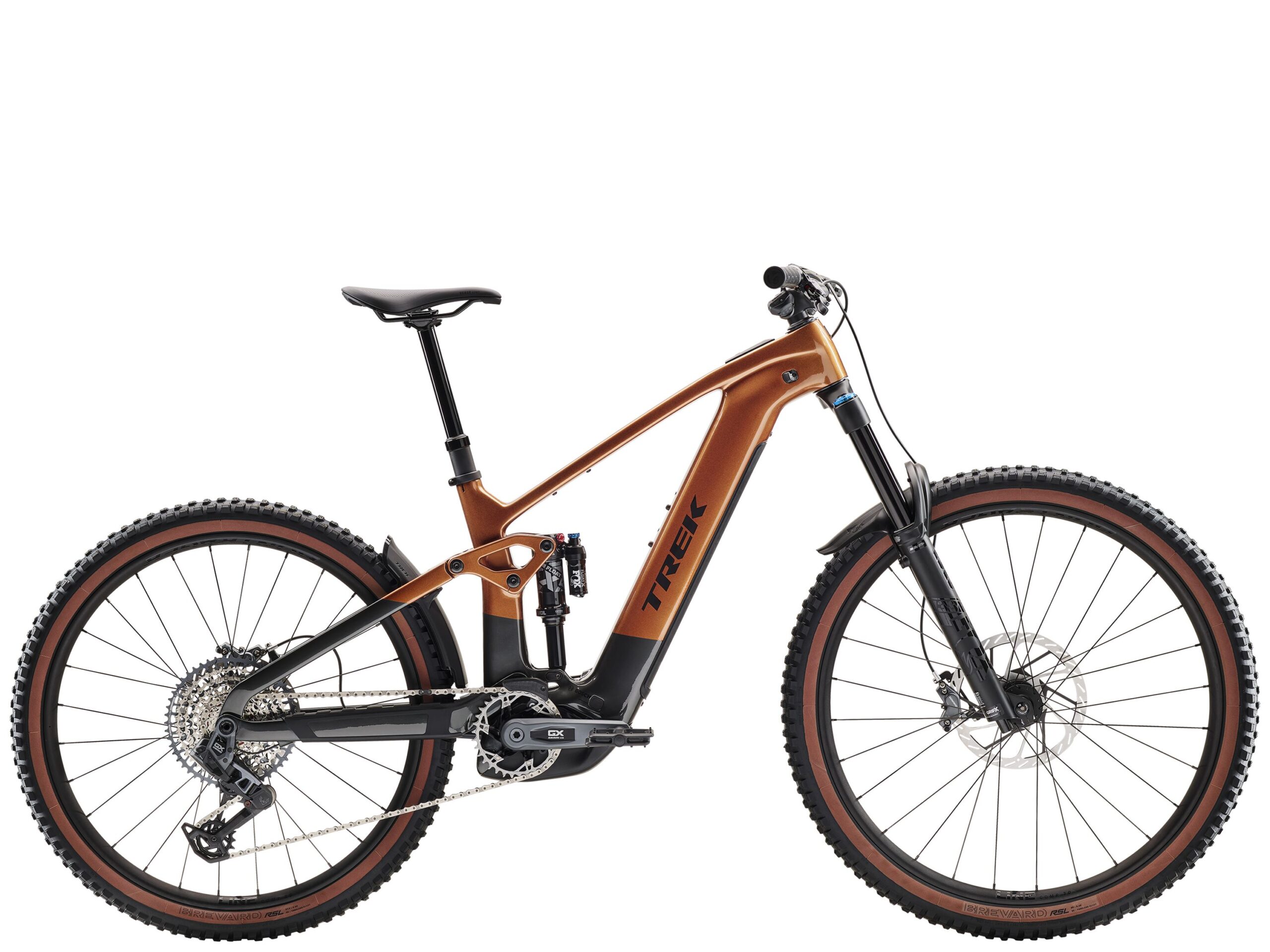
The Spanish product page documents an OCLV Mountain Carbon main frame, 160 mm of travel front and rear, FOX 38 Performance Elite GRIP X and Float X Performance Elite. It adds twelve-speed GX AXS T-Type, Maven Bronze brakes and Bontrager Line Comp 30 wheels. The battery is an 800 Wh Bosch PowerTube.
The editorial interest is that it combines adjustable suspension and an electronic drivetrain without every component needing to be top-tier. That does not prove it is the best deal: it lets you ask what paying more brings. Before considering the higher-spec option, I would request a maintenance quote and reserve money to adapt the contact points.
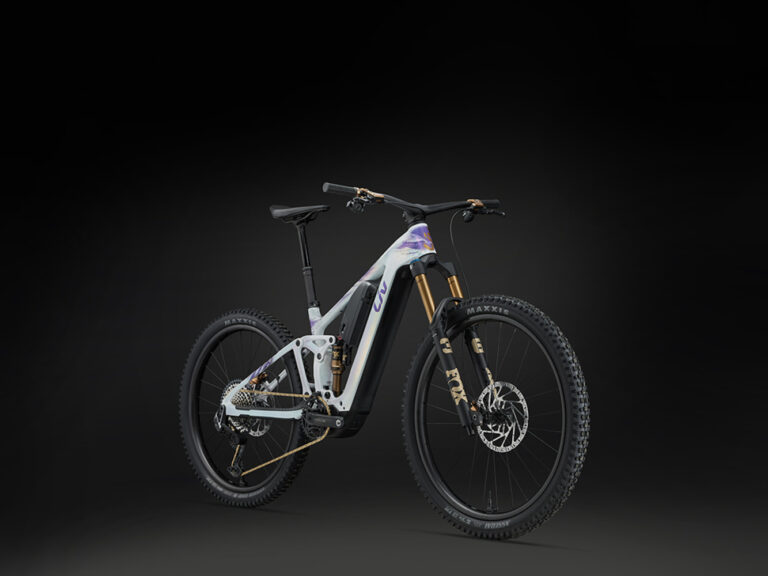
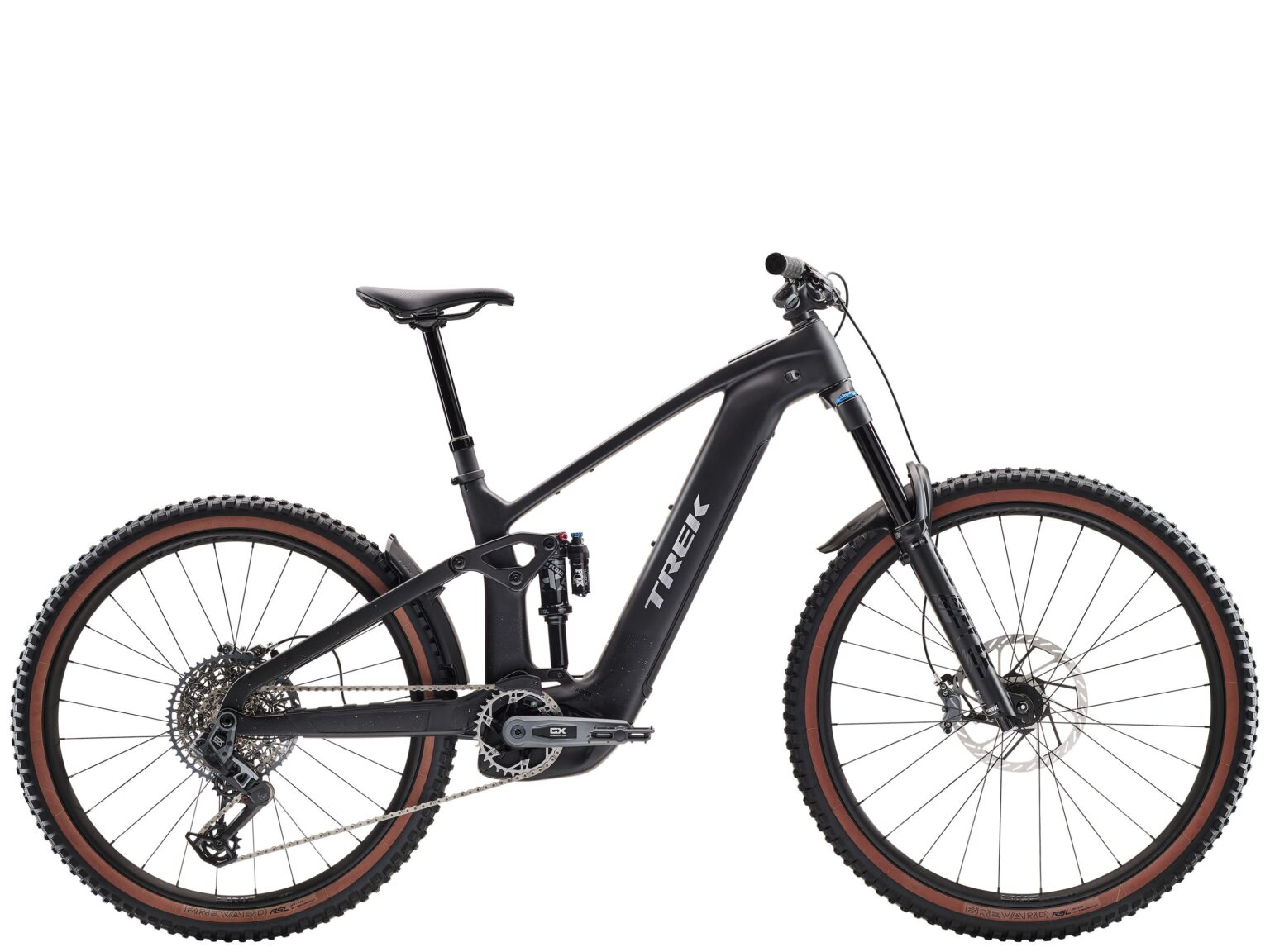
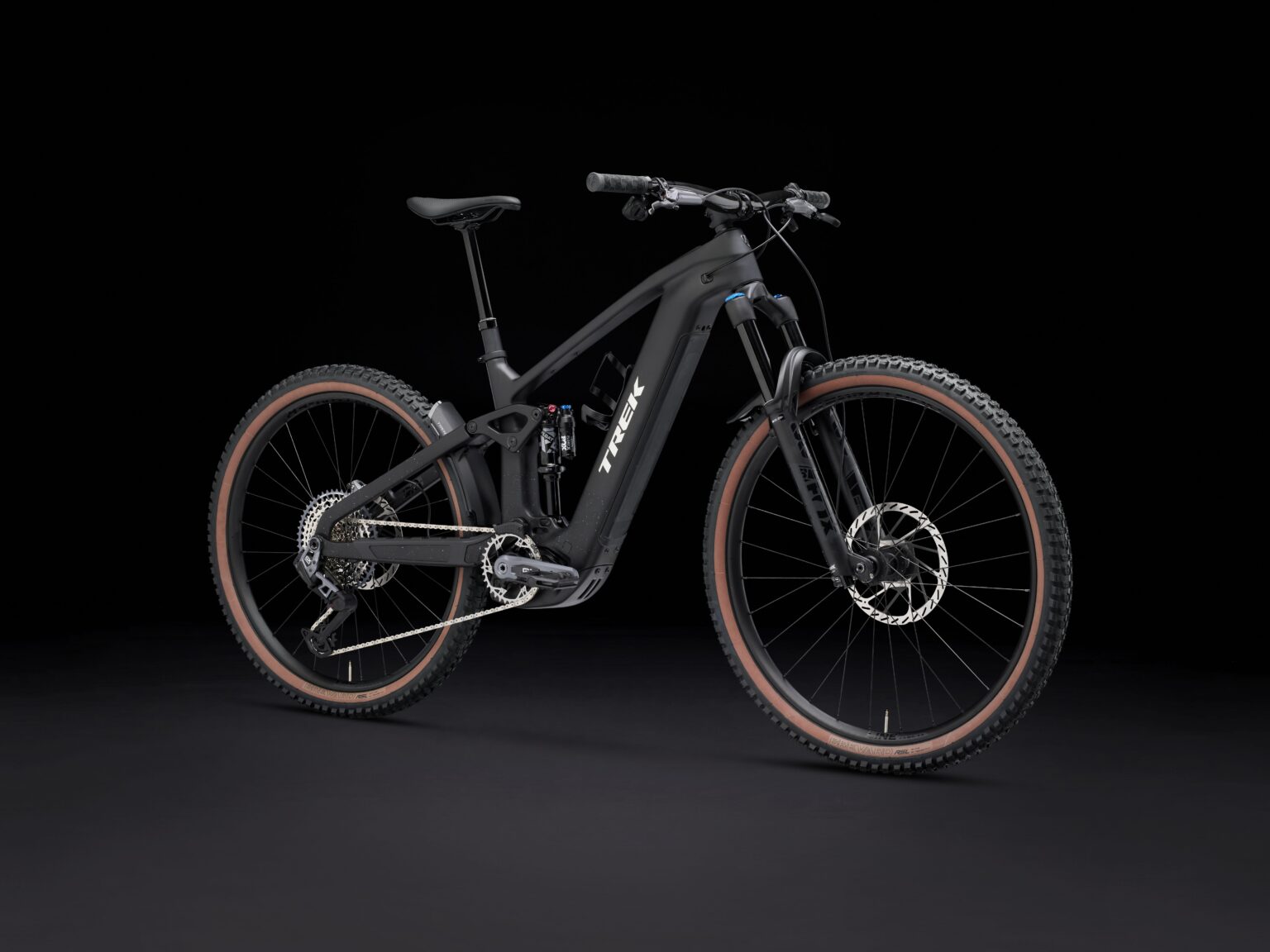
Require the complete designation in the quote. An older Rail, another 9.8 or a shop-modified bike does not automatically have this configuration. The official photographs selected show the GX build in two colours; we have not used an XX to illustrate this version. Even so, compare the catalogue photograph with the bike delivered.
Advertisement / sponsored link
85, 100 or 120 Nm: the software is also part of the delivery
The current page of Rail+ in Spain advertises up to 120 Nm. Trek's FAQ still explains the upgrade from 85 to 100 Nm available since July 2025. These are not necessarily two different motors: the documents reflect different stages of its development.
Bosch lists the updated CX BDU384Y maximums as 120 Nm, 750 W and 600% assistance, the latter up to 15 km/h. This requires a compatible system and app, plus manufacturer authorisation. It also warns that maximum-power duration depends on conditions such as temperature and load. These values are not available continuously.
Before paying, ask to see the drive unit and the settings actually enabled in Flow. Keep a record of the delivered setup. Then I would start with a response you can modulate through a slow corner and increase assistance only when you identify what is missing. Completing a climb out of position does not prove a better setting.
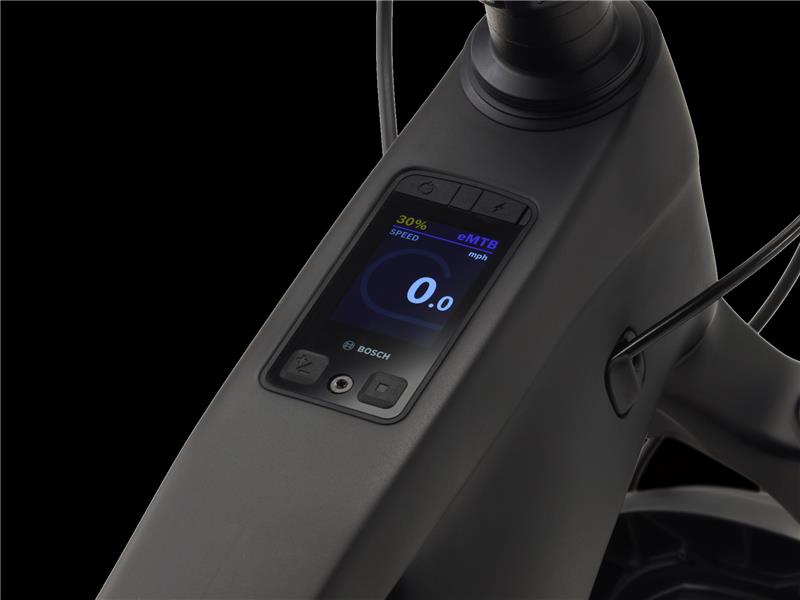
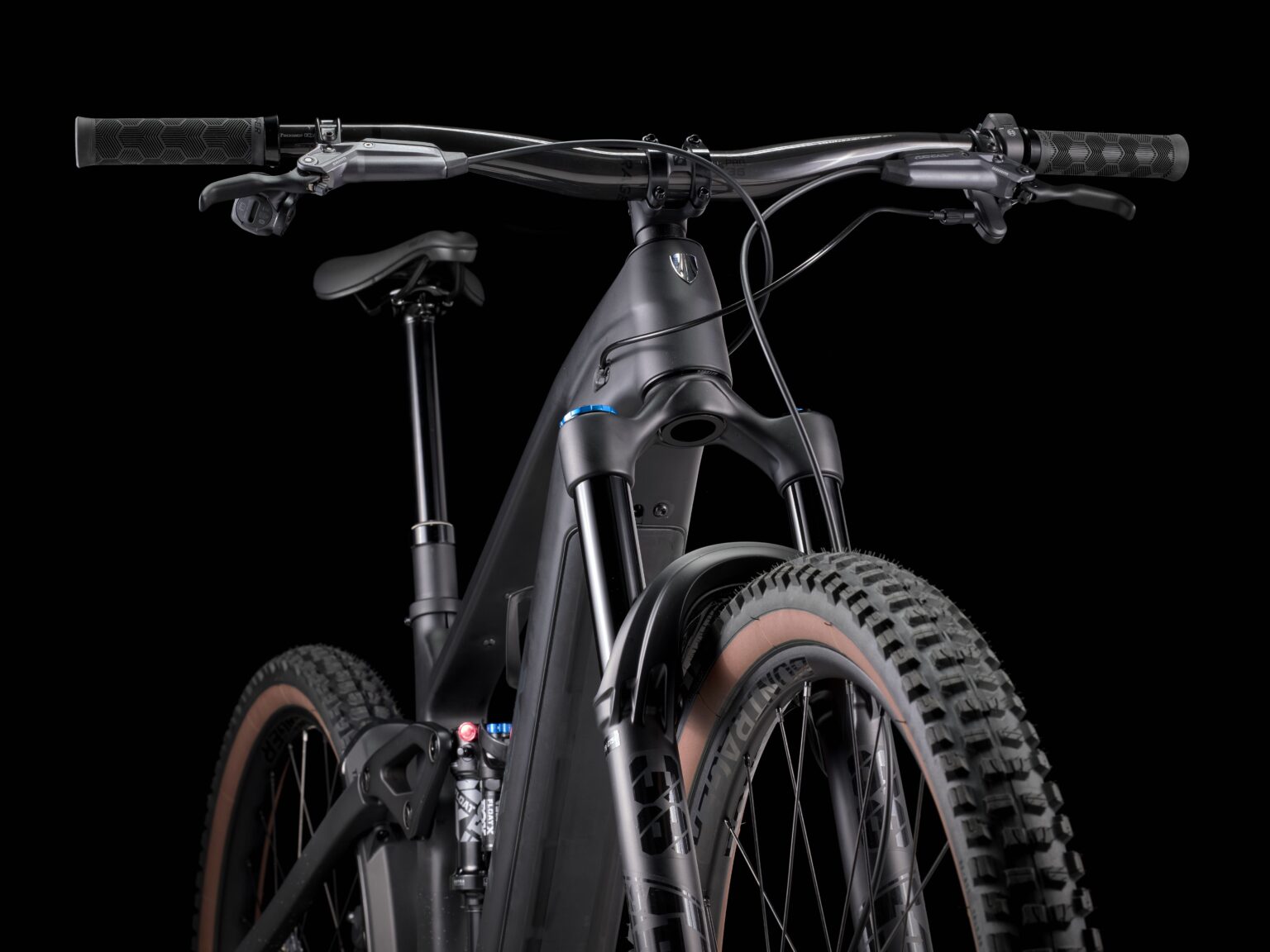
The image shows a configuration with an integrated display; it does not establish which display is fitted to every bike held in stock.
800 Wh: Plan the return, not a number of kilometers
To assess this battery, first map out your usual demanding ride: the last unavoidable climb, escape routes and the point beyond which shortening the route adds climbing. This helps more than comparing two range promises expressed in hours.
As a planning exercise, reserving 20% of 800 Wh leaves a theoretical 640 Wh for the ride. That is an energy calculation, not measured range or a universally sufficient reserve. A loop near a village and a remote crossing without exits need different margins. Nor would I turn those watt-hours into kilometres using consumption recorded on another bike.
On the first rides, I would record starting and finishing percentages, elevation gain, terrain and the main assistance mode used. Repeating a familiar route builds a personal reference. Changing tires, assistance and pace together makes the comparison much less useful. If a day ends with little charge left, the next should be more conservative, not a gamble that the indicator will be optimistic.
The buying question is whether that capacity suits the rides you repeat, not a hypothetical excursion. Our range planning guide explains that approach.
RIB 2.0 and PowerMore: two different decisions
The Official FAQ describes removal using a 6 mm hex key, the option of a 600 Wh battery with a different end-cap kit and PowerMore compatibility with a 300 mm cable. These are platform options, not accessories to assume are included. The family page adds a secondary safety catch to RIB 2.0.
For anyone charging away from bike storage, I would request a full demonstration: open, support, remove, refit and check retention. Do it yourself under supervision. A mechanic doing it in seconds does not prove it will be convenient in your available space at home. Before buying, establish where to rest the battery and whether you can handle it without straining your back.
Advertisement / sponsored link
I would consider the extender after recording several rides. If you need it almost every time, include it in the initial budget; if only for one annual adventure, compare its cost with adapting that ride. Ask to check fitting, wiring and water clearance in your size. Do not budget for an auxiliary battery and bottle casually occupying the same space.
Between M and L there's more than just one letter.
The geometry table linked by Trek, with a 160 mm fork, neutral headset setting and Mino Low, lists reach of 450 mm in M and 490 mm in L. That is a 40 mm difference. Both list a 64.5° head angle. The FAQ clarifies another important exception: S uses two 27.5-inch wheels; the others combine a 29-inch front and 27.5-inch rear.
I would not address that gap by changing stem length before trying both sizes. Compare with identical saddle height and reasonable settings for your weight. Check whether you can load the front wheel without feeling stretched, turn slowly and move the bike between your legs. Having space is not the same as comfortably reaching every contact point.
For a downhill-focused purchase, I would fully lower the dropper post and repeat a simple movement on and off the saddle. If it gets in the way, ask to measure available travel and insertion depth. A seller finding your height in a chart does not validate the size. Confirm the feel in a representative test.
Advertisement / sponsored link
Learn the stock setup before turning every chip
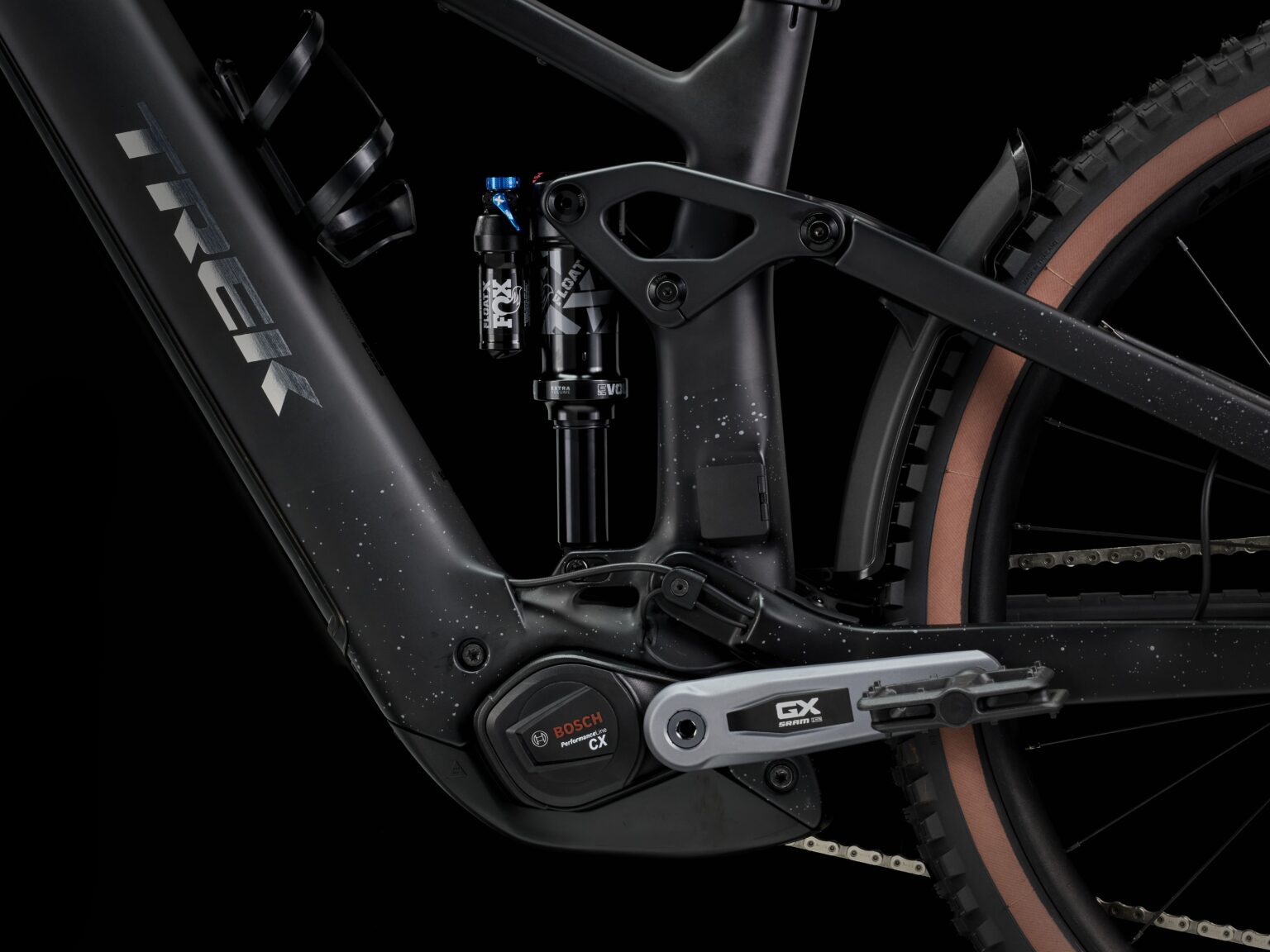
The Trek manual revised in October 2025 documents two progression settings, 20 and 25%. These are not two different travel figures. The FOX 38 manual separates pressure and sag adjustment from compression and rebound control. Keep those decisions separate in practice too.
At collection, I would request a workshop sheet listing pressure, rebound, compression and frame settings. My first test would be a short section with braking, repeated bumps and a loaded corner. I would describe events without diagnosing too early: the front dives, the rear bounces or my hands tire. These are tuning clues, not a verdict against the rear shock.
Then I would change one thing and repeat. I would not try different geometry, more assistance and another pressure simultaneously. If you cannot attribute the result to a specific change, you have lost the reference. Nor would a longer-travel fork be my first purchase: first verify compatibility and justify the problem it would solve. Available adjustments do not all have to be used on the first Sunday.
Maven and tires: Control is maintained, not purchased once
Documented equipment includes 220 and 200 mm HS2 rotors and Brevard RSL SE tires. We have not measured braking, grip or puncture resistance. It would be irresponsible to promise that this setup suits a dry track, wet descent and rider loaded for a multi-day ride equally well.
At handover, I would check lever reach and the specified brake bedding-in procedure. Before replacing rotors or pads, I would explain what is missing to the workshop: feel, initial control or consistency on a long descent. Increasing size without diagnosis is not a maintenance plan.
One practical detail is confirmed by SRAM: Maven uses Maxima Mineral Brake Oil. Do not assume fluid from another brake at home is suitable.
For tires, I would record pressure and behaviour before changing them. If rim strikes or a loss of support occur, I would assess pressure, casing, load and terrain together. The aim is to finish the descent with a margin, not win an argument about brands.
GX AXS: convenience that still needs a routine
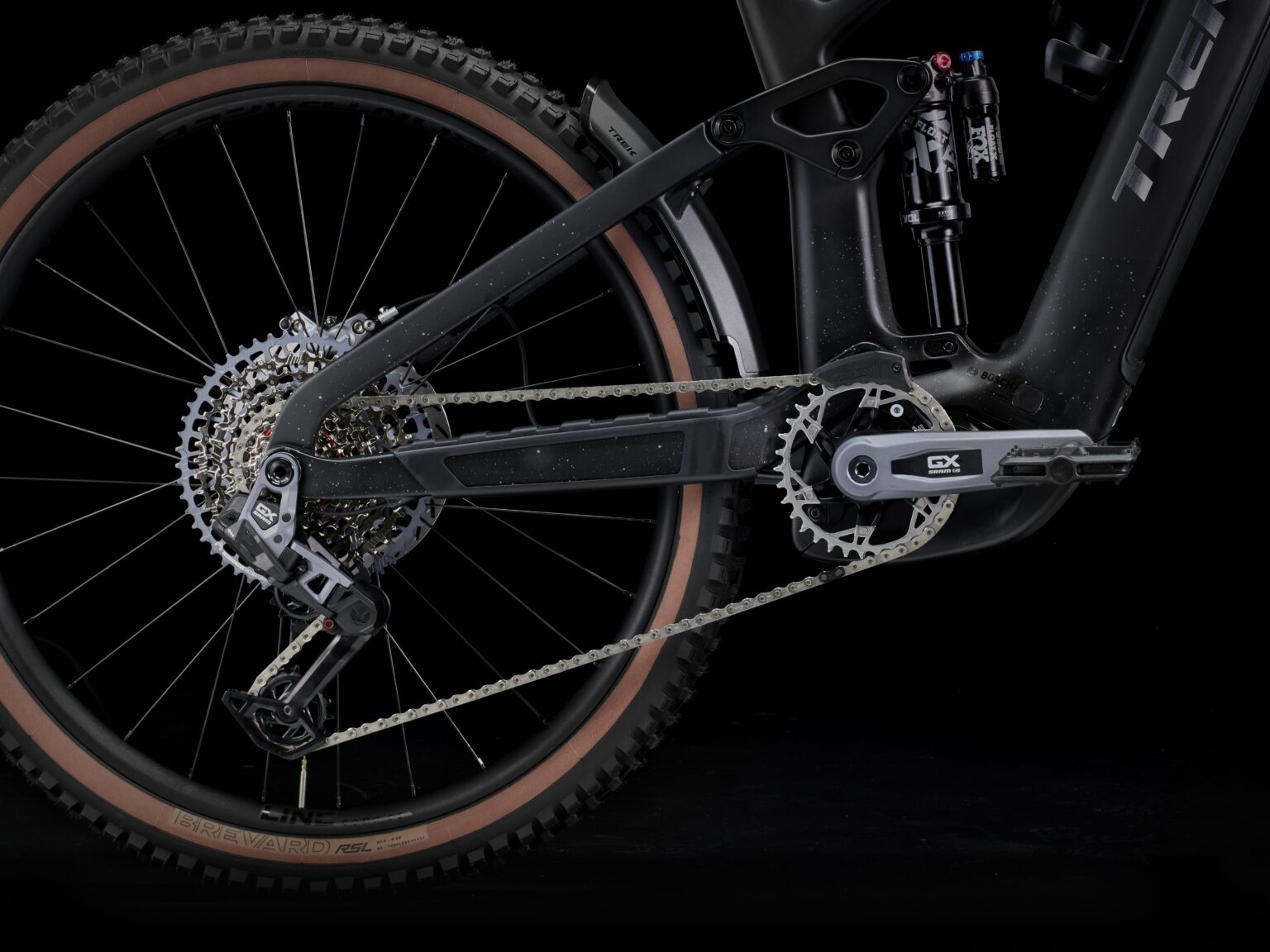
This version uses a T-Type 10-52 cassette and a 34-tooth chainring, according to the official specifications. Electronic shifting should appeal because its operation feels comfortable and consistent to you, not because you expect it to remove the need to choose gears in advance.
Before a step, I would select the appropriate gear and maintain a pedal stroke that preserves body position. Shifting too late remains a bad habit even if the system can work under load. An expensive build does not turn a poorly planned climb into a demonstration of technique.
In the shop, I would ask to be shown the power supply, charging and basic checks if shifting does not respond. I would add this check to ride preparation alongside the Bosch system. You need not memorise an entire manual: you need to distinguish low power from a mechanical problem and know when to stop forcing it.
Also request prices for a compatible chain and cassette. Drivetrain maintenance costs belong in the initial decision, especially if you plan to ride many hours.
The least showy test: moving it without assistance
Trek states 24.18 kg in size M, with sealant and no inner tubes, and a combined limit of 136 kg for bike, rider and cargo. These are manufacturer figures, not our scale readings. The second is not the rider-only weight limit.
Advertisement / sponsored link
Include your actual clothing, protection, backpack, water and accessories in the calculation. If close to the limit, request verification of the complete setup. I would not casually subtract a component's weight using an internet figure or treat an estimate as permission to exceed the limit.
I would also test the garage step and loading manoeuvre, with help where needed. The motor does not lift the bike onto a rack. Check every transport component's capacity, dimensions and access to attachment points. Range matters for a few hours; an awkward manoeuvre repeats before and after every ride. This small trial can inform the purchase better than another power comparison.
What to leave in writing before booking a unit
We do not set a final Spanish price here: a catalogue reference does not guarantee stock, tax inclusion or the terms of a particular offer. Request a dated quote listing the complete model, size, colour, components, charger, accessories and preparation included. Compare totals for two equivalent bikes, not two discount percentages.
Pay particular attention to the display. Current component documentation refers to both System Controller and Kiox 400C; a photograph with a screen does not confirm the delivered configuration. Request a photograph of the reserved bike and confirm this point. Do the same for any component substitutions mentioned by the shop.
If it is an ex-display bike, ask about use, storage and electrical-system checks. Low mileage does not answer all those questions. I would also agree the first service, fault handling and applicable warranty terms, without confusing a verbal promise with the purchase document.
Bring our eMTB handover checklist and allow time to review it. Rushing collection is a poor start to ownership.
Verdict: I would buy the configuration I can take advantage of and maintain
The Rail+ 9.8 GX AXS T-Type Gen 5 is a sensible candidate for riders prioritising demanding trails, valuing a removable battery and wanting to tune behaviour without first replacing half the bike. That is our editorial judgement from the documented equipment and platform, not a test-derived rating.
My order would be size, charging logistics, personal range requirements, setup and maintenance budget. Then I would assess the value of electronic shifting and the motor's capabilities. If affording it means leaving nothing for consumables, I would examine simpler builds before signing.
I would rule out the purchase if you cannot confirm the actual bike, the offer lacks your required size or your real use calls for something much less downhill-focused. Conversely, a suitable, documented and well-prepared bike deserves more attention than an advert with the biggest number. The best Rail+ for you should make your rides easier, including when it is time to clean it, charge it and pay for pads again.
Sources and documentation
Information checked on 24 September 2026. Editorial guide based on official documentation, not our own ride test. Equipment and availability may vary by market.
- Trek Spain: Rail+ 9.8 GX AXS T-Type Gen 5, reference 48465
- Trek Spain: official structured product data 48465
- Trek Spain: 48465 component specifications
- Trek Spain: current Rail+ presentation
- Trek Spain: Frequently Asked Questions Rail+ Gen 5
- Bosch Spain: Value Adjustment and Performance Upgrade 2.0
- Trek: official technical documentation index of the 48465 reference
- Trek: 2025 Gen 5 carbon/aluminium Rail+ manual, October 2025 revision
- Trek: Rail+ Gen 5 table for geometric configurations
- FOX: official manual 38 FLOAT 2025, revision B
- SRAM: authorized fluid for Maven
- Trek: official gallery file Rail+ 9.8 GX AXS T-Type Gen 5
Have you used this bike, motor or component?
Join eRIDERSeMTB on Telegram to discuss real experiences with other riders: Bosch, Avinox, Shimano, deals, faults and buying decisions. The community currently speaks Spanish.
Join TelegramAdvertisement / sponsored link
Advertisement / sponsored link
Advertisement / sponsored link