Fantic Ridge Sport vs Race 2026: Start With the Sport
Technical guide · eMTB PRO
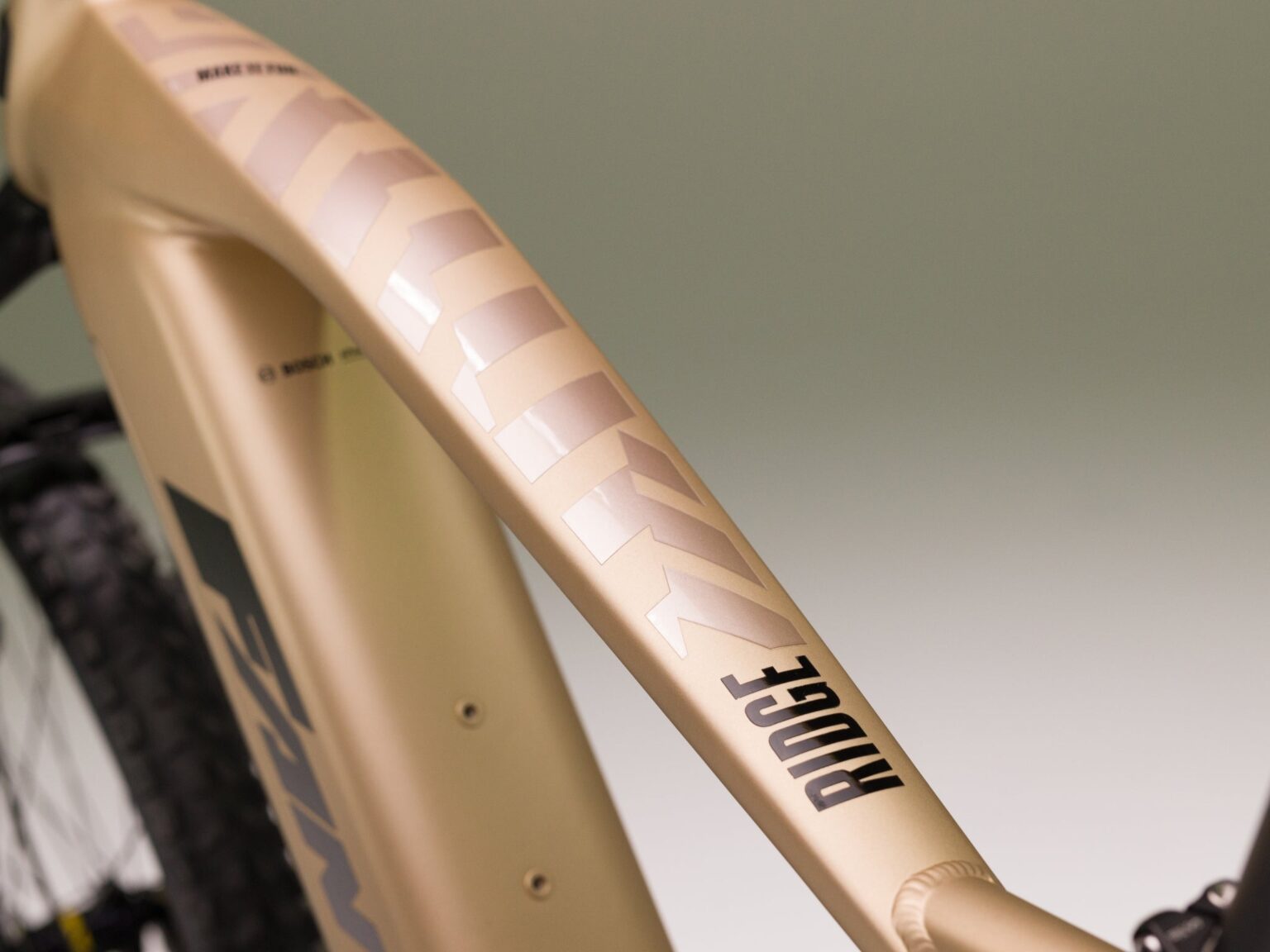
Fantic catalog figures: €5,490 for the Sport and €7,190 for the Race, not out-the-door shop prices. Same Bosch CX Gen 5 and 800 Wh battery. Start with the Sport; consider the Race if you'll benefit from its suspension.
Advertisement / sponsored link
The short answer: when is the Race worth it?
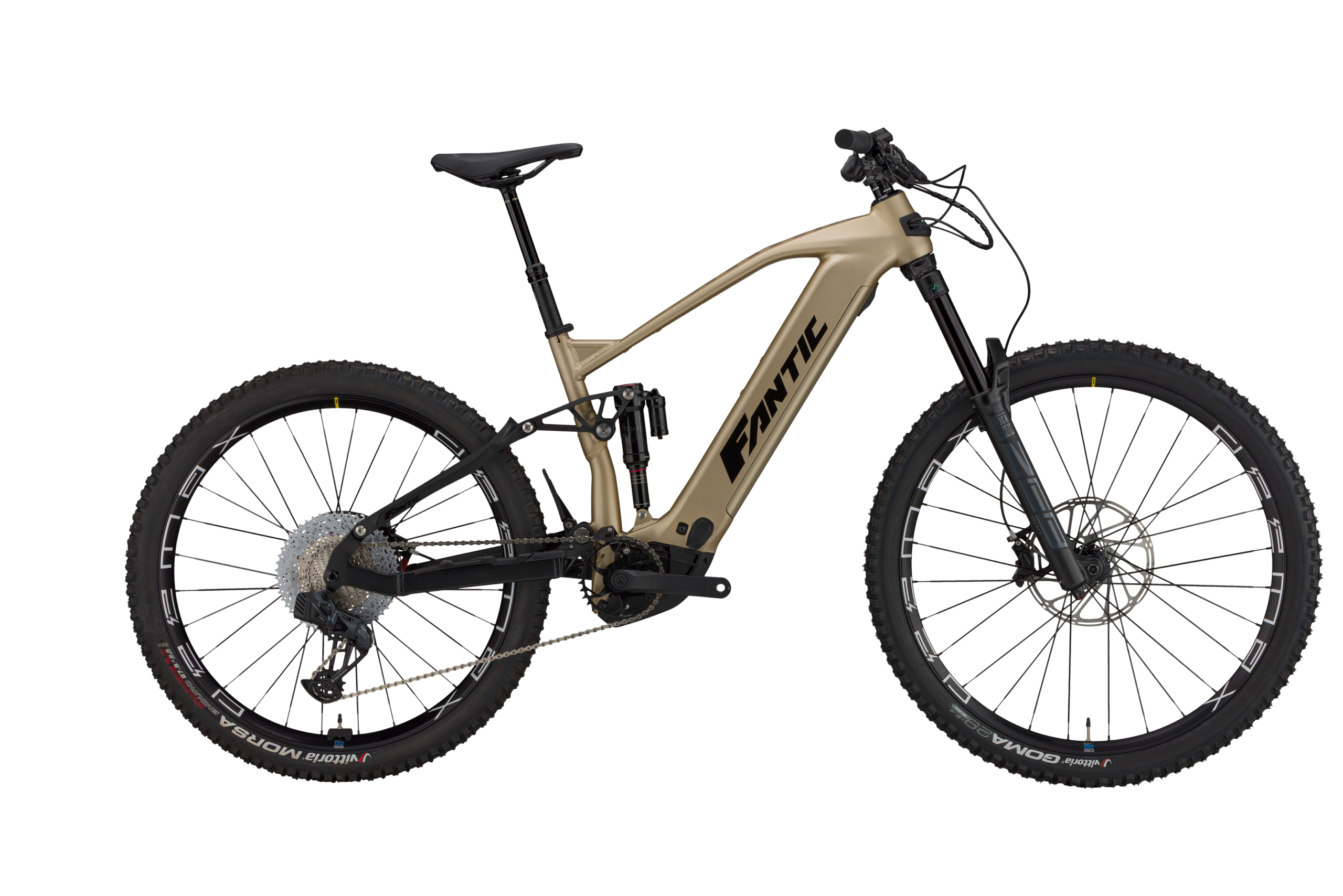
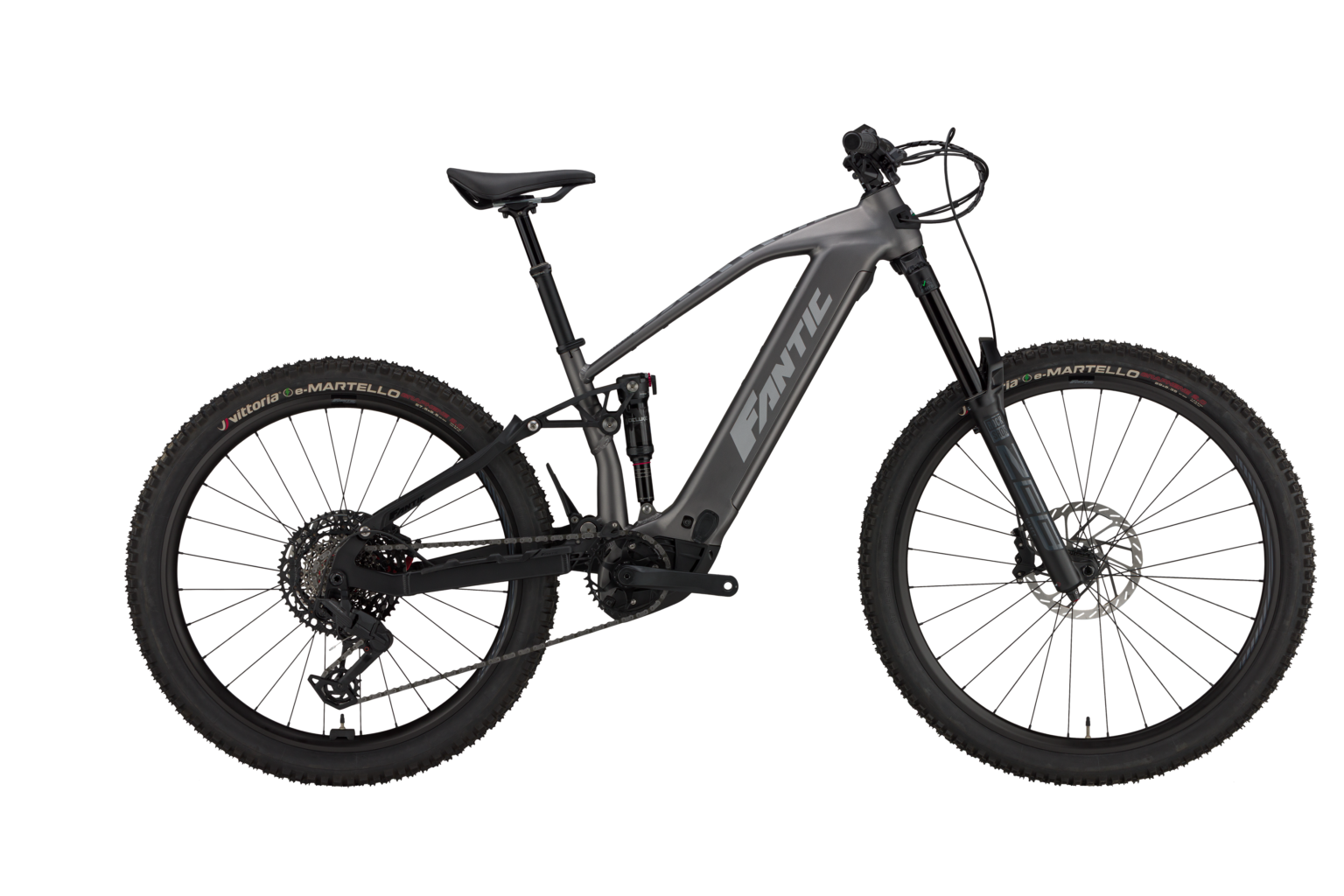
Cover photo: Fantic Bikes, Ridge Race Desert Gold.
If your ceiling is around €6,000 and you want an e-bike for rough descents without giving up long rides, start with the Ridge All Mountain Sport. The spec sheets list the same fifth-generation Bosch CX motor and 800 Wh battery as the Race. Nor do you need the more expensive build to get 170 mm of fork travel. What you do need is confirmation of the actual fork: Fantic's website gives two different answers.
The Race belongs on the shortlist if you ride a lot of long descents, already know what you want from the Super Deluxe RC3, prefer wireless shifting and have a shop that can service the Mavic wheels. Those are concrete reasons. I would not spend €1,700 on the Race name, a supposed range advantage or a listing that highlights 120 Nm.
This comparison covers two Ridge All Mountain MY26 builds: Sport Storm Grey and Race Desert Gold. They are not the Ridge Trail. Prices are official euro-denominated catalog figures, not local quotes. US sale and service for these builds are unverified. Ask the dealer to confirm the exact build code, local price and service arrangements. This is a buying guide based on documentation, not a ride test.
Advertisement / sponsored link
What the specs say, and what the shop needs to confirm
| Concept | Sport Storm Grey | Race Desert Gold |
|---|---|---|
| Fantic catalog | €5,490 | €7,190 |
| Motor | Bosch CX Gen 5 | Bosch CX Gen 5 |
| Battery | PowerTube 800 Wh | PowerTube 800 Wh |
| Fork | 170 mm; confirm model | RockShox ZEB Select, 170 mm |
| Shock | Deluxe Select+ | Super Deluxe RC3 |
| Drivetrain | Spec, range card and photo disagree | GX AXS listed; confirm drivetrain |
| Brakes | SRAM DB6 | SRAM Code R |
| Rotors | 220 / 200 mm | 220 / 200 mm |
| Wheels | Fantic Racing Alu | Mavic E-Deemax |
In the grey Sport's product page, the spec table and description say ZEB 38, while another section says Suntour Durolux 38. There are three different clues about the derailleur: the spec table lists Eagle 70 T-Type, the range card says NX, and the drivetrain photo shows an Eagle 90. The photo does not establish a third retail version. Ask the shop to identify the actual build and put it in the quote.
The gold Race's spec sheet lists GX AXS, a POD controller, a Sunrace chain and a Sunrace 11–51 cassette. SRAM lists a 50-to-52-tooth interval for the largest cog on the original GX Eagle AXS (RD-GX-1E-A1): 51 falls in that interval, but that does not validate the Sunrace cassette. The GX Eagle Transmission (RD-GX-E-B1) lists 52 as both its minimum and maximum. Fantic does not identify which derailleur it means. Ask for the derailleur, chain and cassette codes, plus the battery and charger, before paying more for wireless shifting.
Both spec sheets list the Purion 200, S/M/L sizes and a mixed-wheel setup: 29 inches up front, 27.5 at the rear. The listed tires are different. These are two builds, not two generations. If a shop offers you a “Ridge Race” without specifying All Mountain or identifying the build, you are not yet comparing the same product.
Bosch CX and 800 Wh: why I would not pay more for either
Both spec sheets identify the Performance Line CX Gen 5, not the CX-R. Bosch distinguishes the CX's BDU384Y code from the CX-R's BDU386Y. For the fifth-generation CX, its documentation lists 85 Nm as the factory setting and an update allowing up to 120 Nm, subject to limits that can depend on the bike manufacturer and the shifting system. Fantic quoting the maximum does not mean every bike ships with that setting.
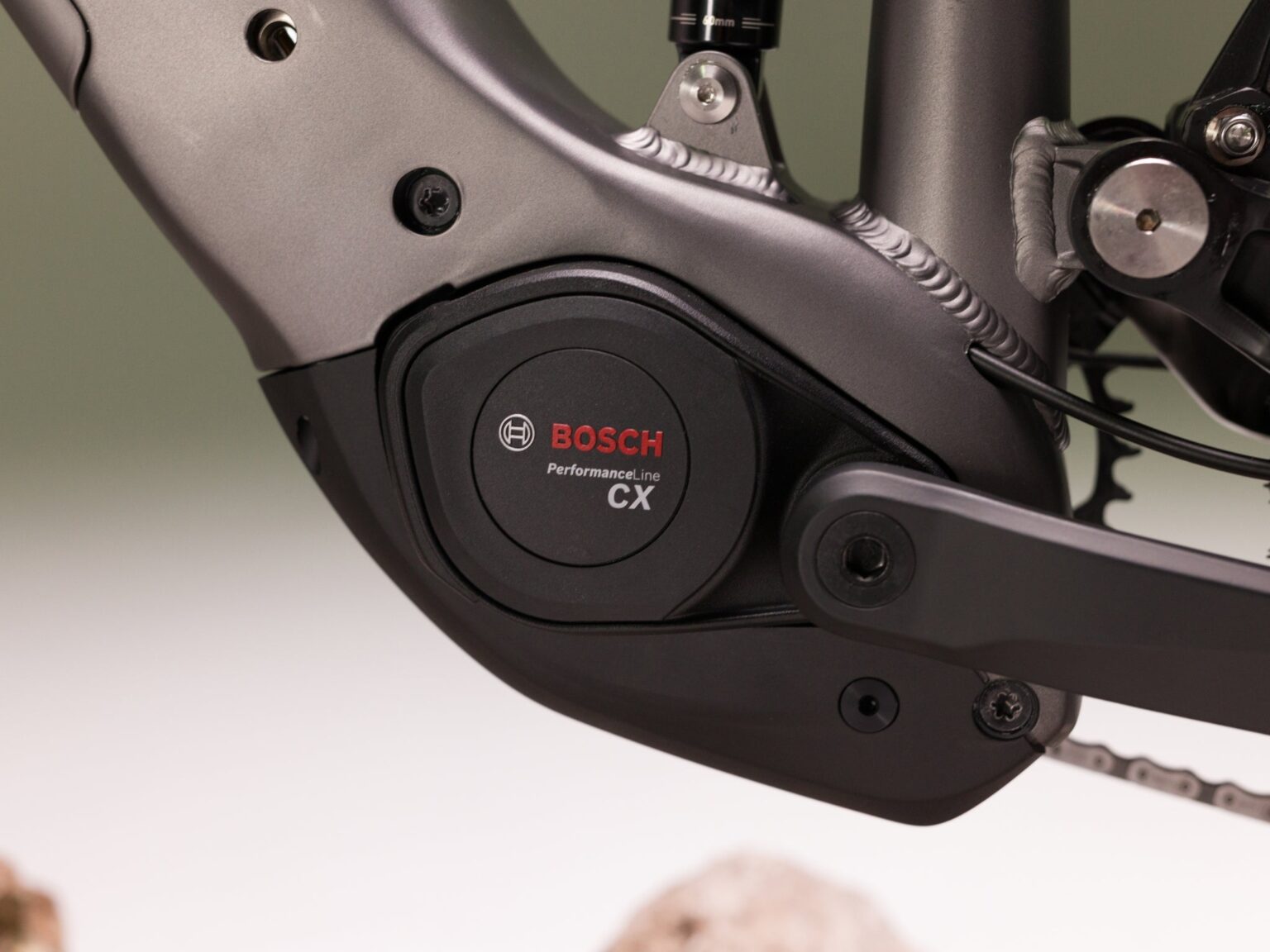
This matters if a shop sells the Race as “the 120 Nm bike” and the Sport as “the 85 Nm one.” Ask them to show the drive unit identification and the available range in eBike Flow with the bike's software up to date. The actual maximum you can select tells you more than a sticker. We cannot guarantee that any two individual bikes will allow exactly the same setting. What the spec sheets do say is that the extra money does not buy a different motor model.
On a loose climb, power and grip are not the same thing. If the rear tire spins whenever assistance kicks in, ask to ride a technical pitch with a progressive mode and the gear you would actually use. Compare how easily you can meter the assistance and get moving again, not which bike accelerates faster on an easy section. The setting that works best there might not be the one you want for linking up fire roads.
The 800 Wh figure is nominal capacity, not a range promise. If logs from comparable rides show 11 and 16 Wh/km, keeping a hypothetical 20% reserve gives you a nominal 640 Wh budget: roughly 58 and 40 km (36 and 25 miles), respectively. We did not measure those figures on the Ridge, and the example does not guarantee that all 800 Wh are usable. It shows why your own ride logs and a buffer are more useful than buying the Race on the assumption that it will go farther.
Fantic describes a lock-and-key battery removal system. Ask the shop to demonstrate removal and reinstallation on the display bike, and check that the keys and charger come with it. If you store the bike in a garage without an outlet, that matters more than a catalog upgrade. Do not count on a range extender: the corresponding line is marked not applicable on both sheets. For an estimate that accounts for your rides, see our 600, 800 and 1,000 Wh battery guide.
Suspension and geometry: where to test the difference
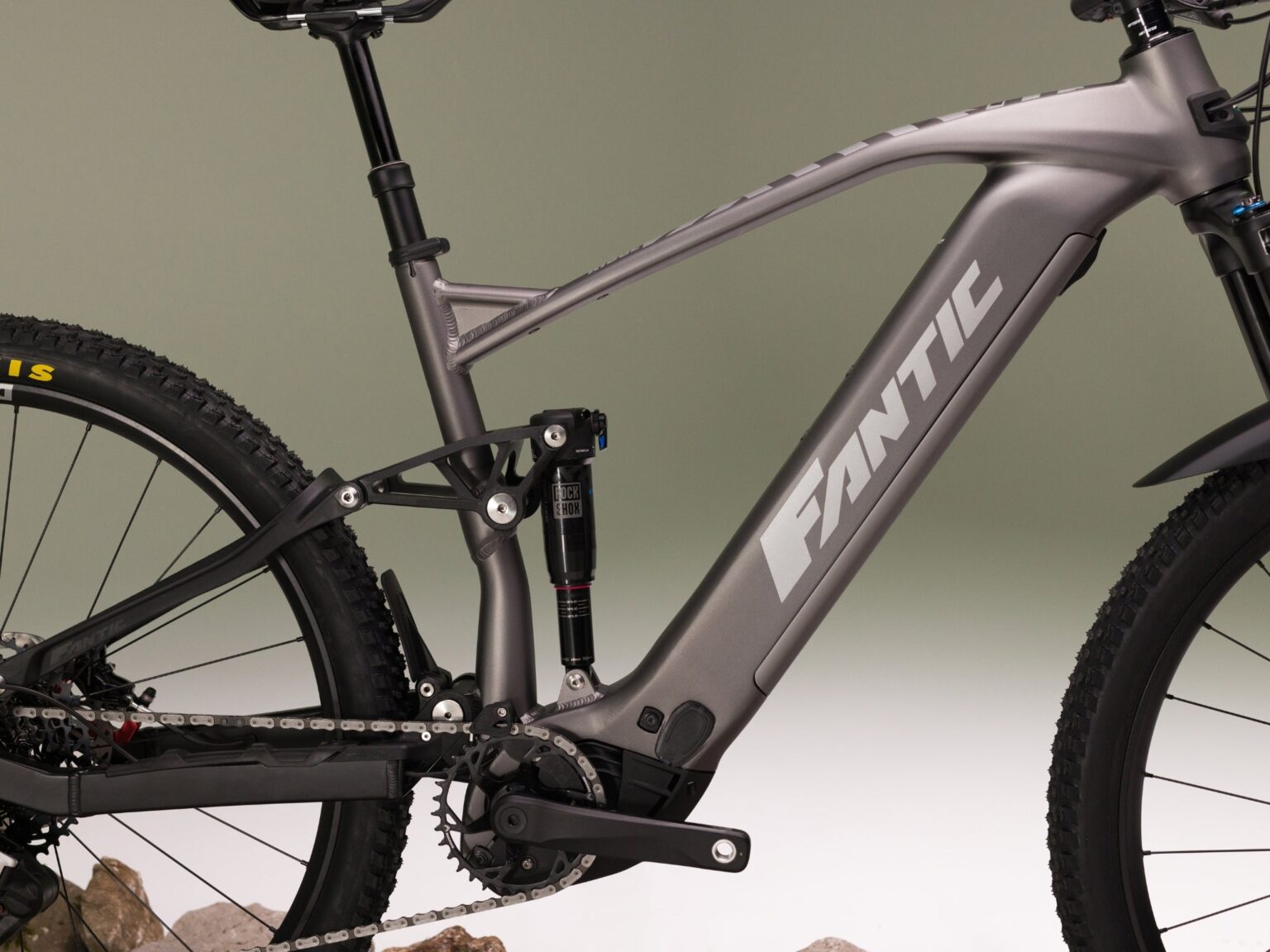
The listed rear suspension change is from a Deluxe Select+ on the Sport to a Super Deluxe RC3 on the Race. Both sheets show the same 205 × 60 mm trunnion shock size. That stroke figure is not rear-wheel travel. Nor does it tell you which replacement shock will work: check frame clearance, hardware and compatibility before buying one.
Advertisement / sponsored link
You can see the Super Deluxe reservoir in the Race media kit. That is a reason to include the Race in a test on repeated, sustained descents, not proof that it gives more grip or leaves you less fatigued. Have the shop set up both bikes for your riding weight and record the starting sag and rebound. A poor setup can mask exactly the difference you are paying to get.
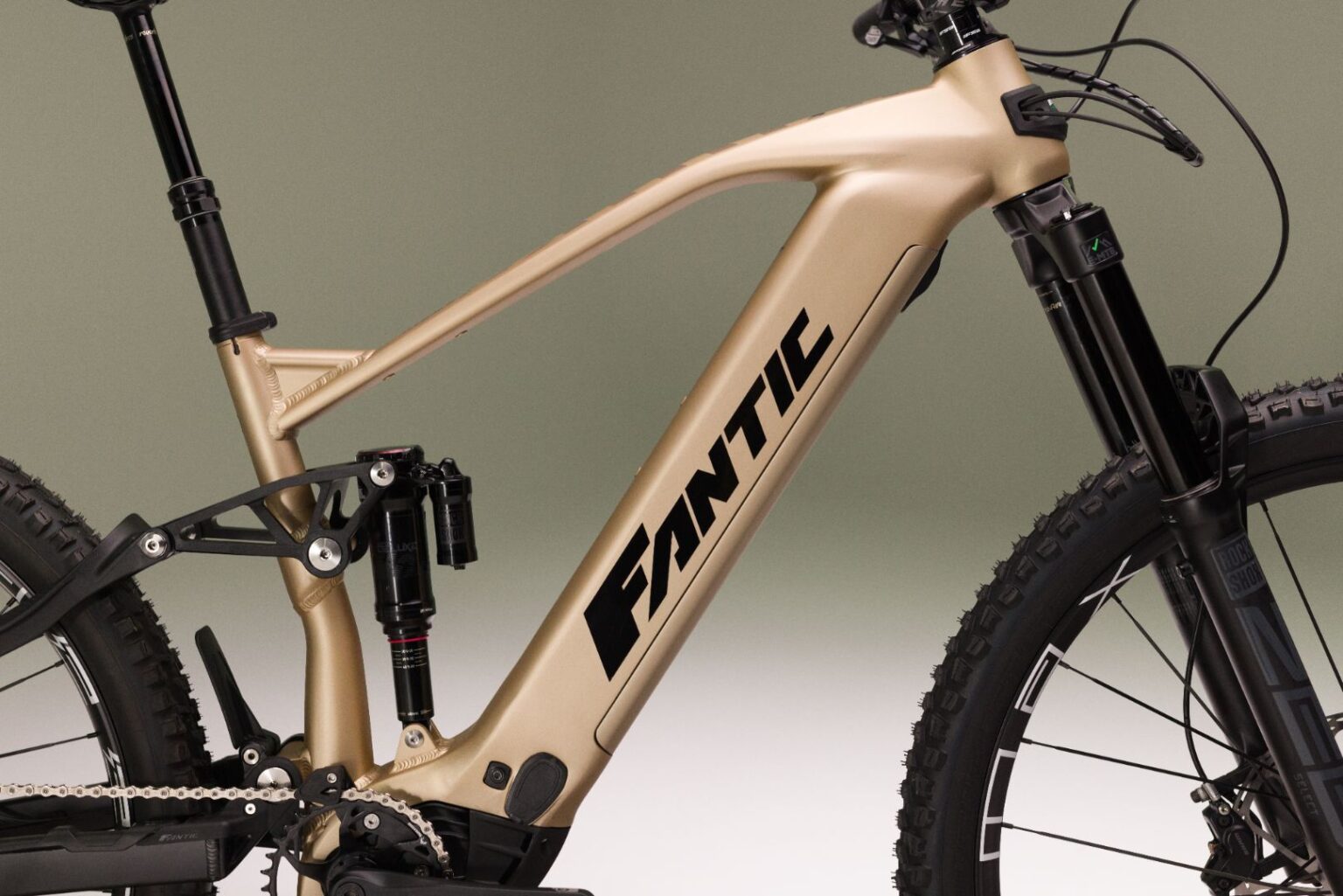
If you can ride both, repeat a stretch of successive rock hits, a turn where you release the brakes and a hard compression. Use the same frame size, check cold tire pressures and note the tires on each bike. If the casing or tread differs, do not automatically credit the fork for the result. And if your first run goes badly on both, change one setting at a time before deciding what caused it.
Advertisement / sponsored link
The published geometry matches: 64.5° head angle, 472 mm chainstays and 417.5 / 449 / 475 mm of reach across S / M / L. The M has a listed 1,263 mm wheelbase. A medium that feels planted in a straight line is not necessarily the easiest to place in your tightest turns. Between sizes? Compare reach and seat tube length with your current bike and make sure you can get the saddle low enough in person.
We did not verify the weight of both bikes in the same size. If you load yours onto a rack, carry it up stairs or ride sections that require lifting, ask for a ready-to-ride weight with pedals and battery, not a figure from another build. Do not give the Race an automatic win for handling or transport.
Drivetrain, brakes and wheels: assess the whole package
If the actual Sport has Eagle 70, you are getting mechanical cable shifting; the Race sheet lists an AXS controller and derailleur. If another battery to charge bothers you on trips, count that against the wireless build. If you prefer the way it shifts and are happy to carry a spare battery, count that in its favor. Neither preference tells you how well either build will hold up on your trails.
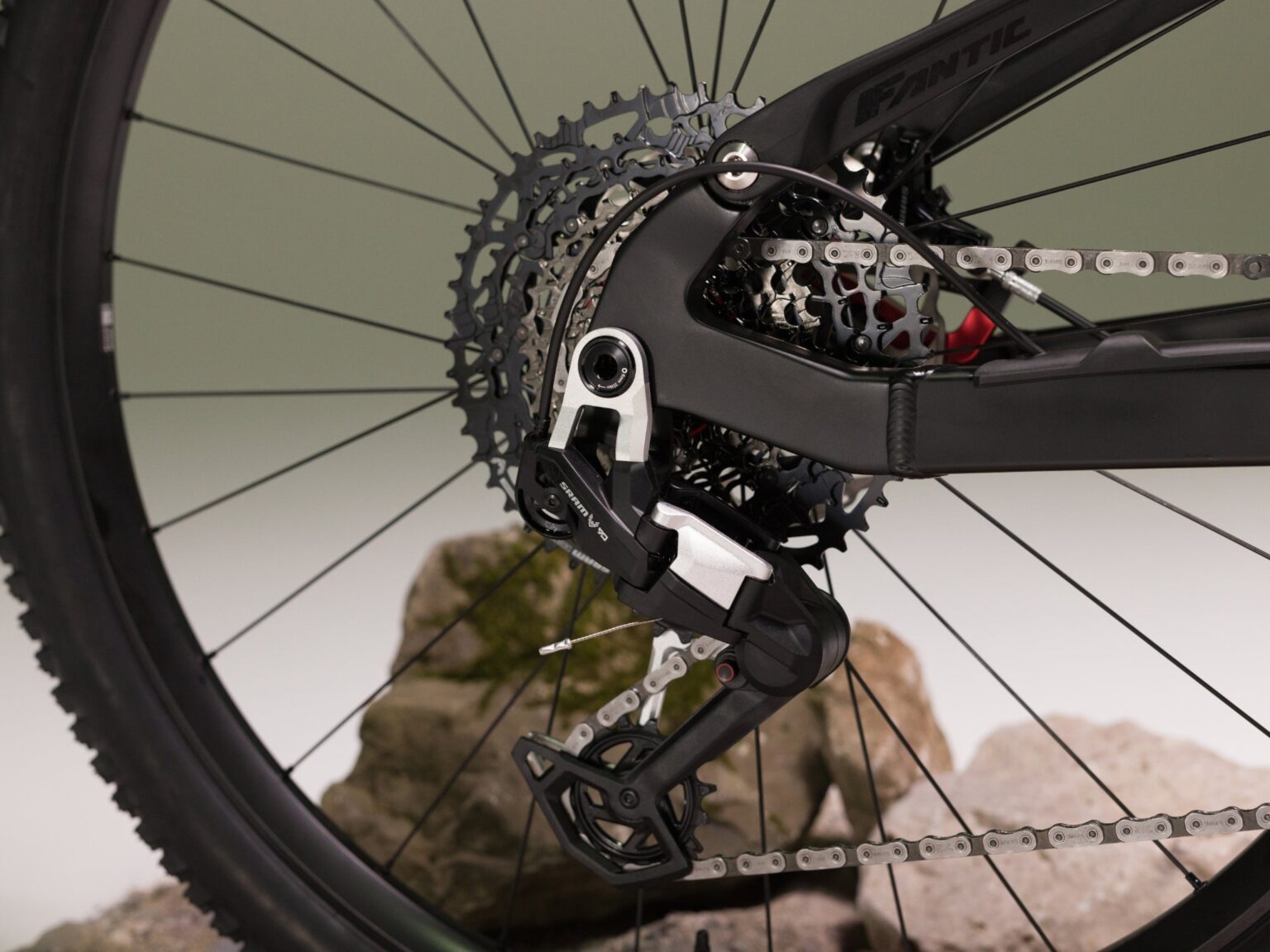
A hypothetical example, not a comparison of verified bikes: a 10–52 cassette gives a 520% range, while an 11–51 gives about 464%. With the same 34-tooth chainring, going from 51 to 52 lowers the easiest gear by only 1.9%. The overall range and the difference on a climb are not the same. The math only applies if the listed cassettes and chainrings are on both bikes.
The DB6 and Code R are different brakes, but the listed rotor sizes match: 220 mm at the front and 200 at the rear. The Race does not buy you a larger rotor here. On a test ride, compare lever travel, how easily you can find the bite point and your control after several minutes of descending. Before spending on brakes, check that the demo bike's pads are bedded in and the lever reach is set for your hand.
Ask for the full Mavic E-Deemax and Fantic Racing wheel references, plus an estimate of how long it takes to get spokes, a freehub body or a rim. Do not infer internal width or weight from the family name. Far from a dealer, the better wheelset may be the one your local shop can fix promptly. If you swap tires at purchase, see how we choose casing, compound and pressure before paying twice for a setup that does not suit you.
Your real budget: where the extra €1,700 goes
The catalog gap is €1,700, around 31% above the Sport. With an all-in ceiling of €6,000, the Sport leaves €510 before extras; the Race is already €1,190 over before any extras. That math uses the catalog figures. If you get a real discount, compare both quotes for the same destination, services and terms, not one final offer against the other's catalog price.
| Your situation | Where I'd start | What would change my mind |
|---|---|---|
| €6,000 ceiling | Sport with a firm all-in quote | Real discount on the Race in your size |
| Frequent long descents | Ride both builds | Race if its suspension and kit make a difference to you |
| Trips with few shops nearby | Sport if parts are available locally | Better documented local support for the Race |
| Mostly fire roads or gentle trails | Compare a trail bike too | Ridge if you often ride technical terrain |
You do not have to spend the money left over on accessories. Start with proper setup and anything you need to ride on day one. If the shop quotes an upgrade, ask it to separate parts, labor and upkeep and say whether you keep the original components. The Race can make sense if you really were going to replace suspension, wheels and drivetrain straight away. Adding up retail prices for parts you never planned to change does not make it a bargain.
Here is a way to run the numbers, not a deal: if you get a €300 quote for an upgrade you actually need and can try before buying, compare that with the real price gap between the two bikes, not the €1,700 you remember. If a better setup makes the Sport upgrade unnecessary, redo the math. For alternatives by motor and price, try our eMTB selector.
Three rides that tell you which build you need
A tight trail with short, punchy climbs
Find a slow turn leading into a pitch where you need to start pedaling seated again. Take the same line twice. Can you get moving without swinging wide and correct your line without dabbing a foot? The published geometry is the same, so I would not use the Race to fix a bike that is too long. Try another size or compare a trail bike first, then test the shifting and motor response. That order helps separate fit from how the assistance comes in.
A sustained rocky descent with repeated braking
Try both bikes on a descent that makes you release and reapply the brakes several times, without chasing your best time. To compare suspension, note whether you lose confidence in the rear wheel in the second half and where it happens. Repeat with the same setup before blaming the shock. If it only happens with a different tire or goes away when you correct pressure, it is not a case for buying the Race. If it persists on a well-set-up Sport and not on the Race, that difference is worth investigating.
An all-day ride far from the car and workshop
First, identify where you could cut the ride short if consumption is high or something goes wrong. Here, being able to deal with a problem matters more than the component name. Can you charge the battery off the bike when you arrive? Do you have a compatible quick link? Does your shop know the cassette and freehub? If the Race goes on the trip, work derailleur charging into your routine. If you pick Sport for the simplicity of cable shifting, check that the bike in the quote actually has the mechanical build.
For all three rides I would take notes the same way: name the behavior, where it happens and the simplest change that might fix it. “The Race feels better” will not tell you whether you are paying for the shock, different tires or another run down the trail. “I lost my line twice on the uphill switchback on the L, but not the M” helps you make a decision. Note what you could not reproduce, too. If the shop does not offer a demo, make fewer assumptions: prioritize fit, confirmed components and service, and do not pay extra for an improvement you cannot yet identify on the trail.
What to get in writing before leaving a deposit
The Italian product pages describe a 5% reservation payment, with the balance due on pickup from a dealer. Do not assume those terms apply in Spain or the US. Ask for the total with tax, actual stock in your size, delivery timing, deposit terms and local service contact. A buy button does not prove availability.
If you get two quotes, check that both are still valid and whether assembly and a first service are included. A difference in service also affects what the bike costs you.
| What to look at | What to ask for |
|---|---|
| Model and size | Full model reference, color and size of the actual bike. |
| Build | Fork, derailleur and cassette listed on the quote. |
| Bosch | Demonstration of Flow and the available setting. |
| Battery | Removal, keys, charger and included accessories. |
| Delivery | Total price, actual inventory, timing and deposit terms. |
| Workshop | Who handles repairs and supplies spare parts. |
Try writing: “I'm looking for the Ridge All Mountain, not the Ridge Trail. Can you quote a medium with the exact fork, derailleur and cassette, tell me whether you have it on hand and when I could pick it up? Before reserving, I'd like to see the battery removed and the settings available in Flow.” Substitute your own size. If the shop sends the brochure you have already seen, ask about the bike it will actually deliver.
Only time for a short demo? Spend the first half on size and fit, and the second on braking and turning on terrain you know. To compare motor behavior you need equivalent settings and a pitch you can repeat. To find out whether the saddle drops far enough or whether you can charge at home, you do not need an afternoon of testing. Start with whatever would rule the bike out.
Advertisement / sponsored link
My starting pick: the Sport, with the build and price confirmed and money left in reserve. I would move to the Race if its suspension and components solve a problem I recognize from my rides, after testing it and getting the final quote. If the shop cannot confirm the build or the size, buy neither for now. Spending more does not resolve that uncertainty.
Sources and documentation
Sources checked November 4, 2026. This guide is based on official documentation, not our own ride test. Equipment and availability may vary by market.
Have you used this bike, motor or component?
Join eRIDERSeMTB on Telegram to discuss real experiences with other riders: Bosch, Avinox, Shimano, deals, faults and buying decisions. The community currently speaks Spanish.
Join TelegramAdvertisement / sponsored link
Advertisement / sponsored link
Advertisement / sponsored link