Scott Strike 2027: which build suits your rides?
Comparison · eMTB PRO
The €3,999 Strike 40 has 720 Wh and the same Bosch CX motor as the rest of the range. We compare the batteries, suspension and charging times across all four 2027 Strike builds.
Advertisement / sponsored link
What all four Strike builds share
The €3,999 Strike 40 has the same Bosch Performance Line CX BDU384Y motor, 150 mm of travel at both ends and the same aluminium platform as the €5,999 Strike 10. The first decision comes down to 80 Wh. The 40 has 720 Wh and the other three have 800 Wh. Start by test riding the 40 if you want a trail bike and your local rides end well before that battery would run out.
This is the 2027 range introduced in 2026. A Strike eRIDE 930 with 140 mm of travel and a 625 Wh battery belongs to a different generation, even if the listing describes it as new. Scott switched to 40, 30, 20 and 10 model names for this platform. Check the product code while both generations are still in shops. The table shows the prices on the Spanish listings on 17 November 2026.
| Version | Reference | Spain price | Battery | Included charger |
|---|---|---|---|---|
| Strike 40 | 427720 | €3,999 | 720 Wh | 2 A |
| Strike 30 | 427637 | €4,999 | 800 Wh | 2 A |
| Strike 20 | 427636 | €5,399 | 800 Wh | 4 A* |
| Strike 10 | 427635 | €5,999 | 800 Wh | 4 A |
* Scott lists a 4 A charger on the Portuguese specification for the Strike 20 with the same product code. Confirm what comes with the Spanish bike.
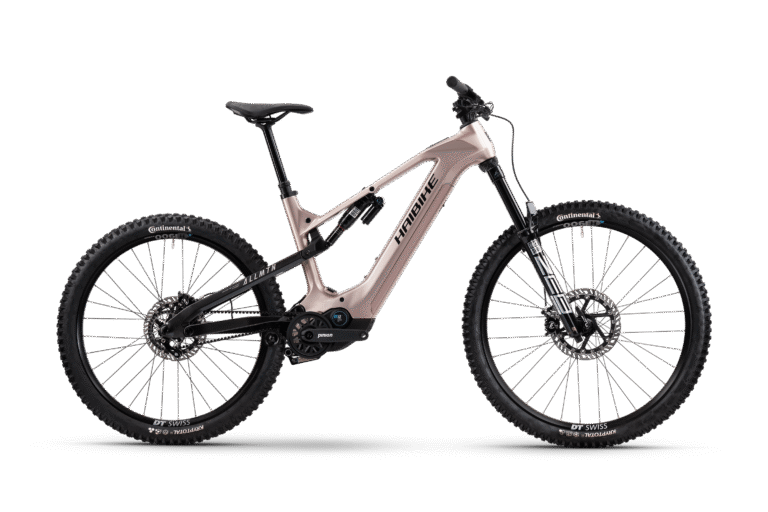
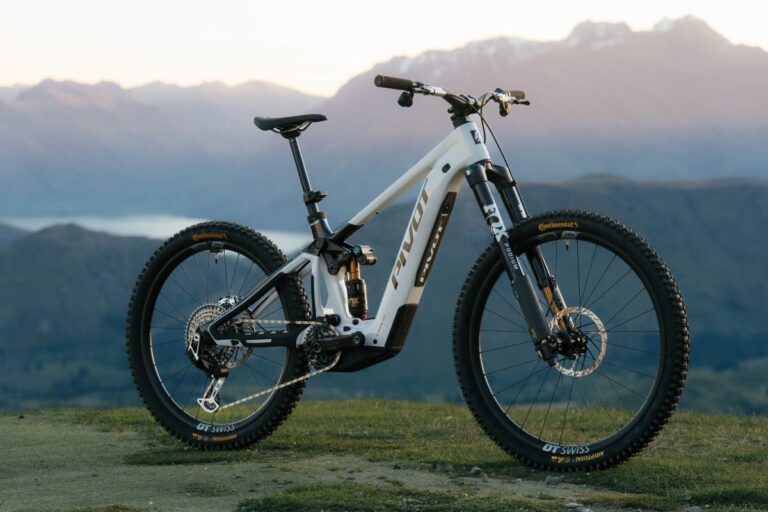
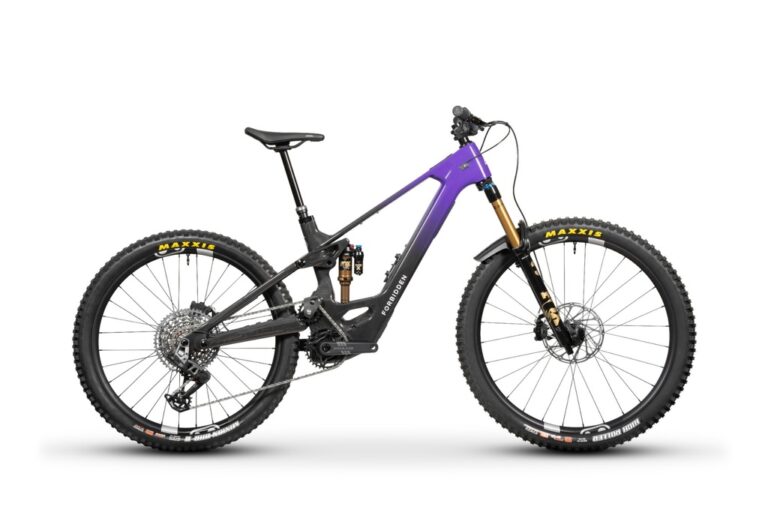
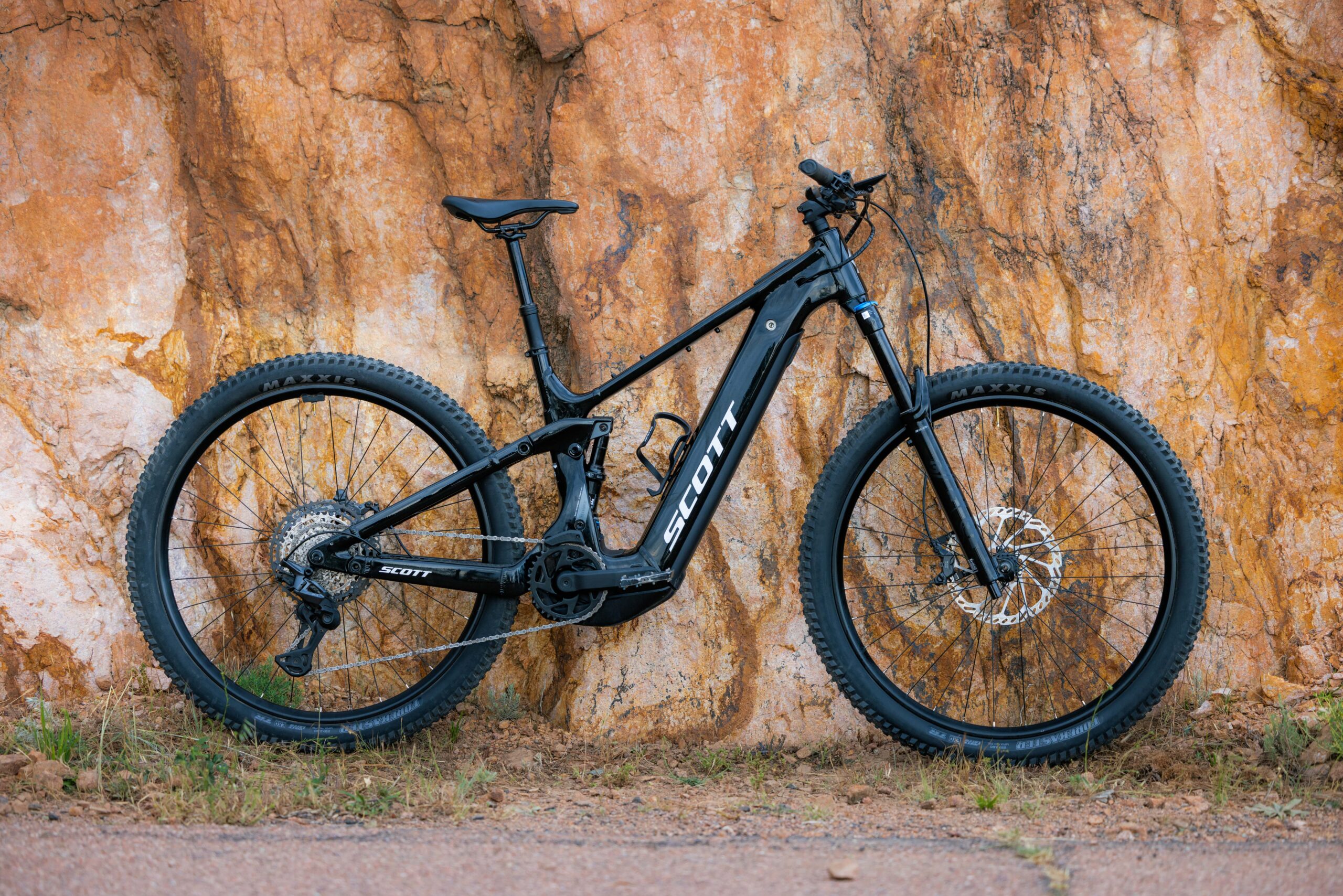
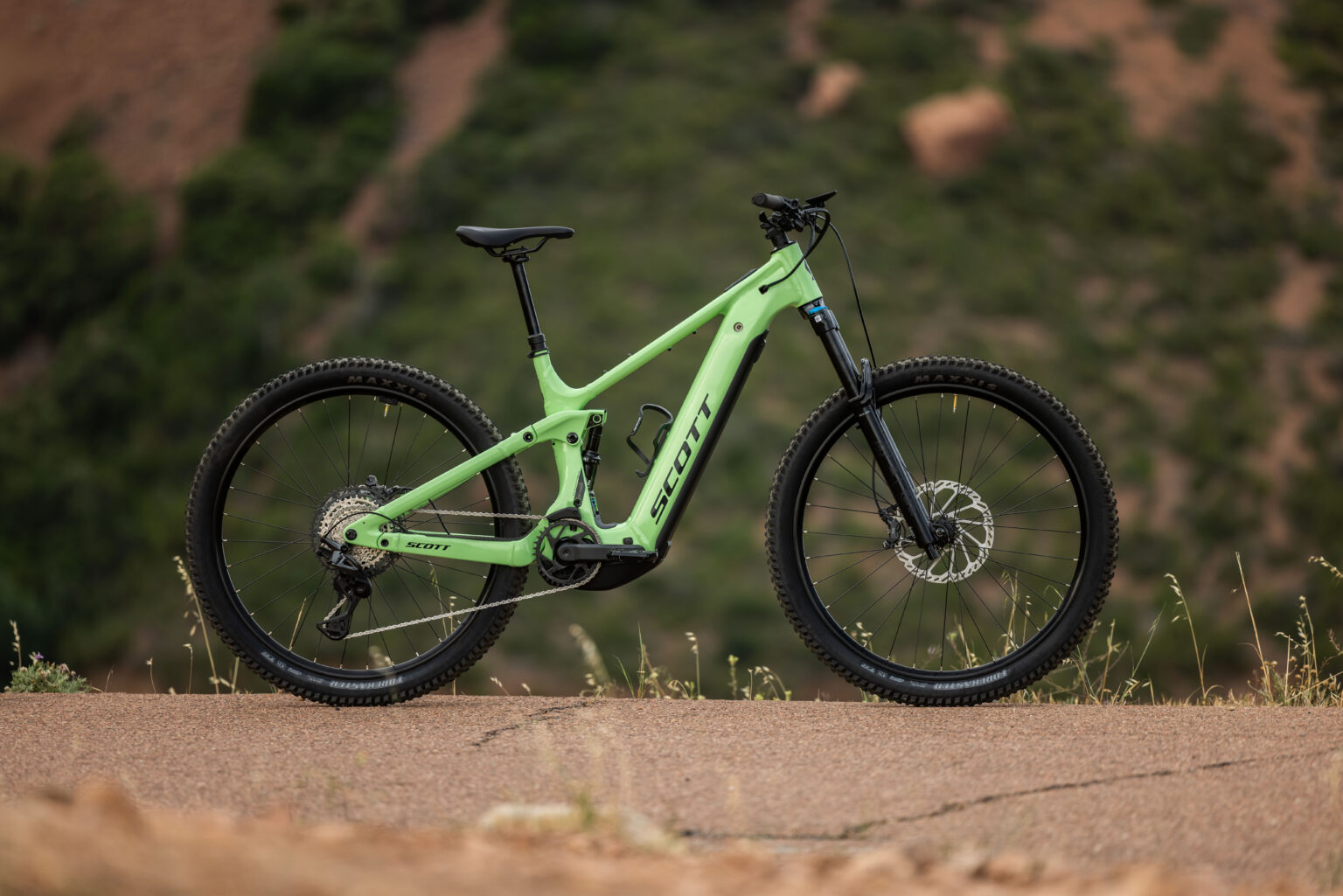
The press photographs show the Strike platform in builds from this range. We identify the Strike 10 where components or colour distinguish it. Refer to the table and the individual specifications for equipment on the 40, 30 and 20.
Advertisement / sponsored link
720 vs 800 Wh on your own rides
An 800 Wh battery stores 11.1% more nominal energy than a 720 Wh battery. If you usually finish your rides with battery to spare, an extra 80 Wh alone rarely justifies moving up a build. It makes more sense when you reach the last climb with little battery left, or when you ride twice in a day with little time to recharge. That is when having more energy in reserve can make the ride easier to plan.
Start with the consumption you have measured on a route you ride often on your own bike. Suppose that ride takes 650 Wh. On paper you would have 70 Wh left from 720 and 150 Wh left from 800. That gives you a sense of the margin. A Strike with different tyres, assistance and weight from your current bike may use a different amount. Usable watt-hours and the displayed percentage also depend on the system and the condition of the battery. If the calculation leaves little margin, try riding your route instead of projecting how many kilometres the bike can manage.
Scott describes both batteries as removable. Check how much clearance you need under the down tube and whether the pack comes out easily with the bike steady. If you store it in a garage with no socket or in a storeroom downstairs, you may be doing that several times a week. The magnetic cover and cable routing are designed to make the battery easier to access. Scott lists the frame as Bosch PowerMore ready. If you only need extra range occasionally, ask which extender, mount and cable fit your frame size.
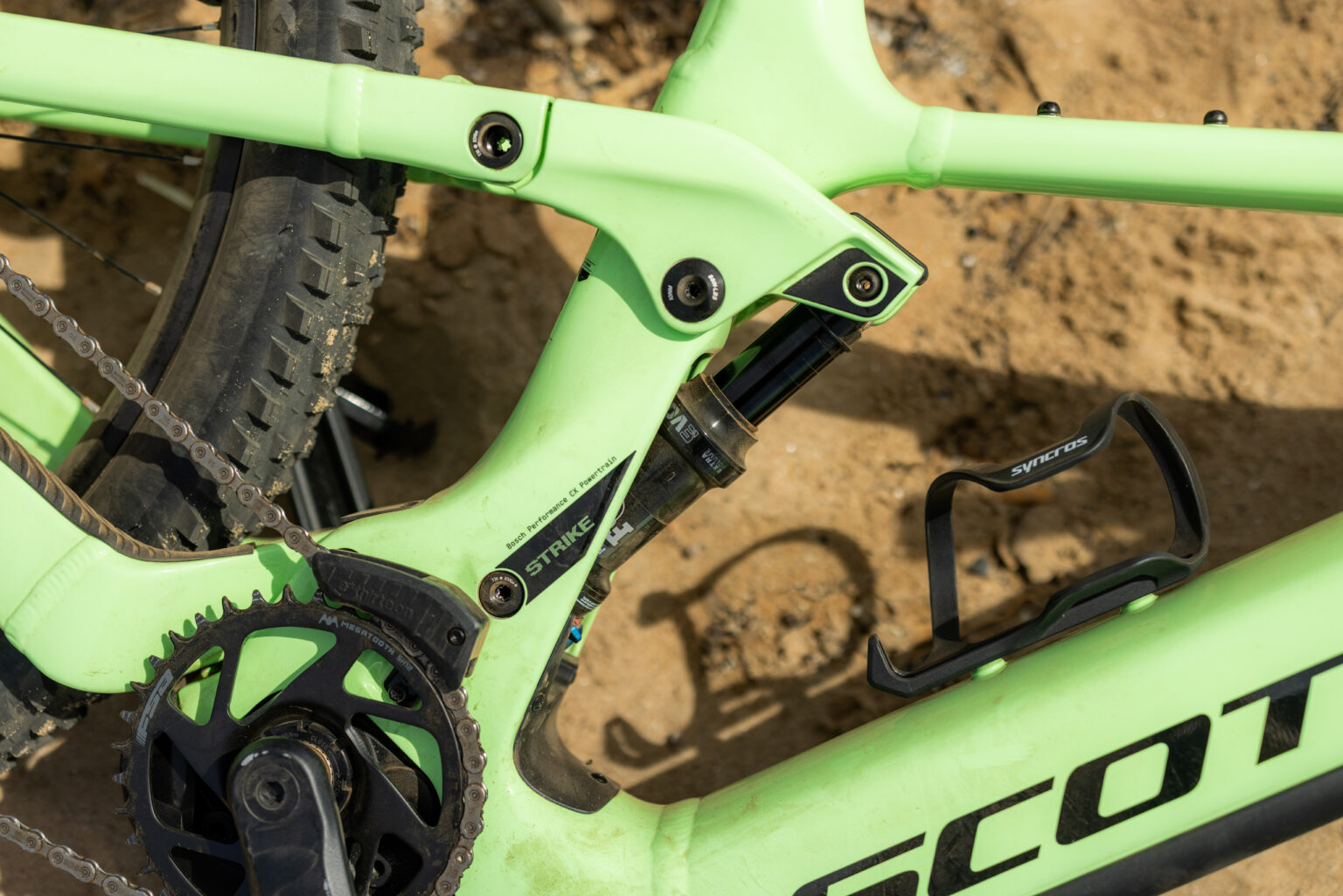
Access to a socket during the day changes the calculation. Bosch's table lists about 12.4 hours to charge an empty PowerTube 800 with a 2 A charger and 6.9 hours with a 4 A unit. From 0 to 50%, its estimates are 5.7 and 2.6 hours. The 4 A charger Scott specifies for the 10 and for the 20 on its Portuguese site can make more difference to a second ride that day than a change of cassette. If you charge overnight and already have a compatible Smart System charger, the accessory is worth a different amount to you. Check the price of a 4 A charger on its own before moving up a build for that reason.
Suspension is the most visible change
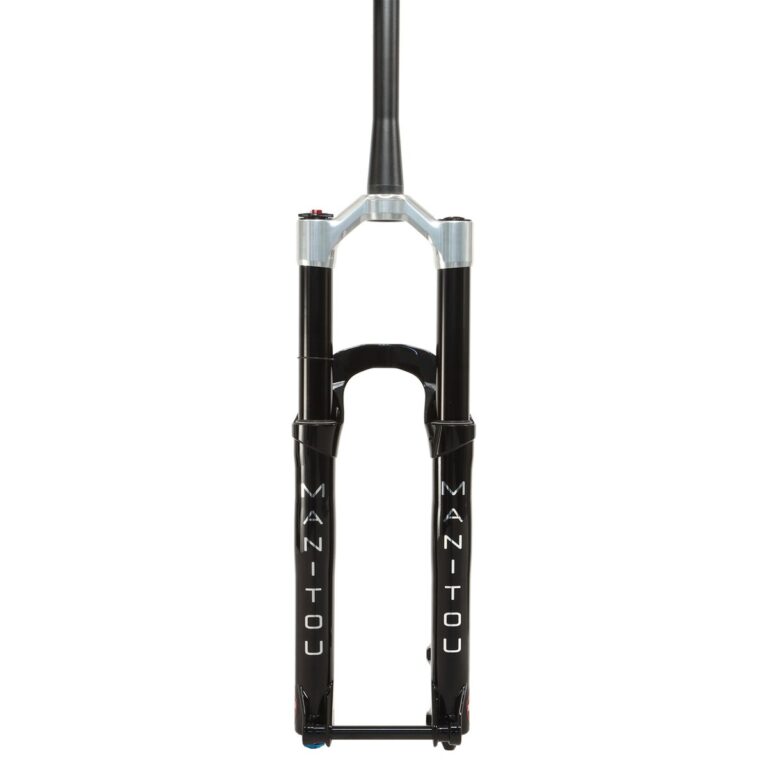
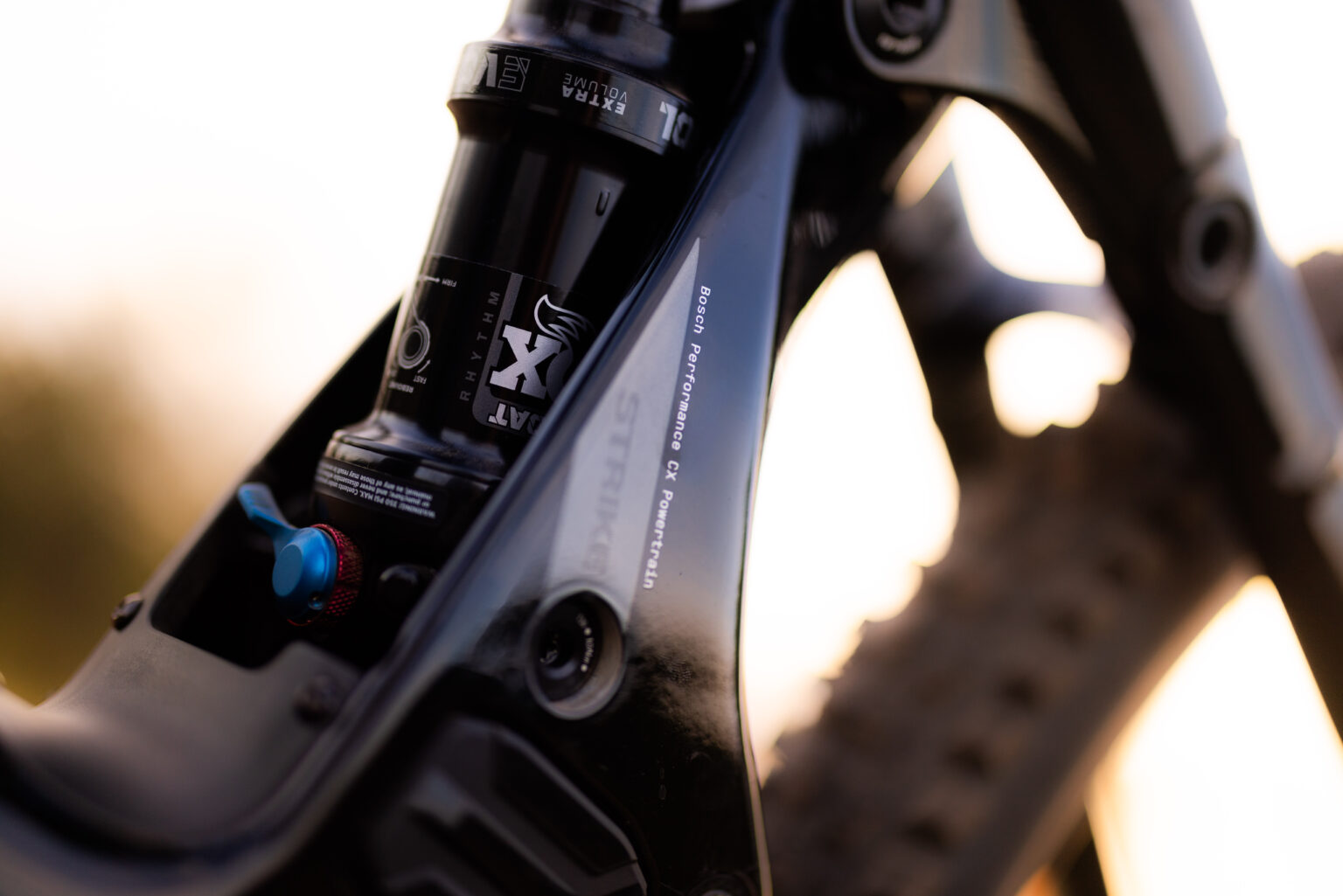
With the same frame and travel, the components determine how you can set the bike up. The 40 has an air-sprung Suntour XCR 36X fork and an Edge X shock with rebound adjustment. It is a starting point for someone who wants to set pressure and rebound once and get riding. The 30 moves to a RockShox Psylo Silver RC and an X-Fusion O2 Trunnion PRO RL shock with rebound adjustment and a lockout. That is worth looking at if you often link trails by road or smooth gravel and like a firmer rear end when you pedal seated.
The 20 steps up to a Fox AWL HD Sport fork with a Rail 2.0 damper and a Float Rhythm shock, according to the specification for that product code. At €400 more than the 30 it keeps the 800 Wh battery, so most of the value here is in the fork and shock. The 10 gets a Fox 36 Rhythm with a GRIP damper and a Float Rhythm shock. Evaluate the support at the front and control of rebound while braking over roots or carrying speed over successive bumps. Travel tells you how far the suspension can move. The setup and tyres help determine how much of that travel you use and how quickly the bike recovers after each hit.
| Build | Fork | Shock | Brake |
|---|---|---|---|
| 40 | SR Suntour XCR 36X | SR Suntour Edge X | Shimano MT420 |
| 30 | RockShox Psylo Silver RC | X-Fusion O2 Trunnion PRO RL | Shimano MT620 |
| 20 | Fox AWL HD Sport | Fox Float Rhythm | Four-piston Shimano Deore |
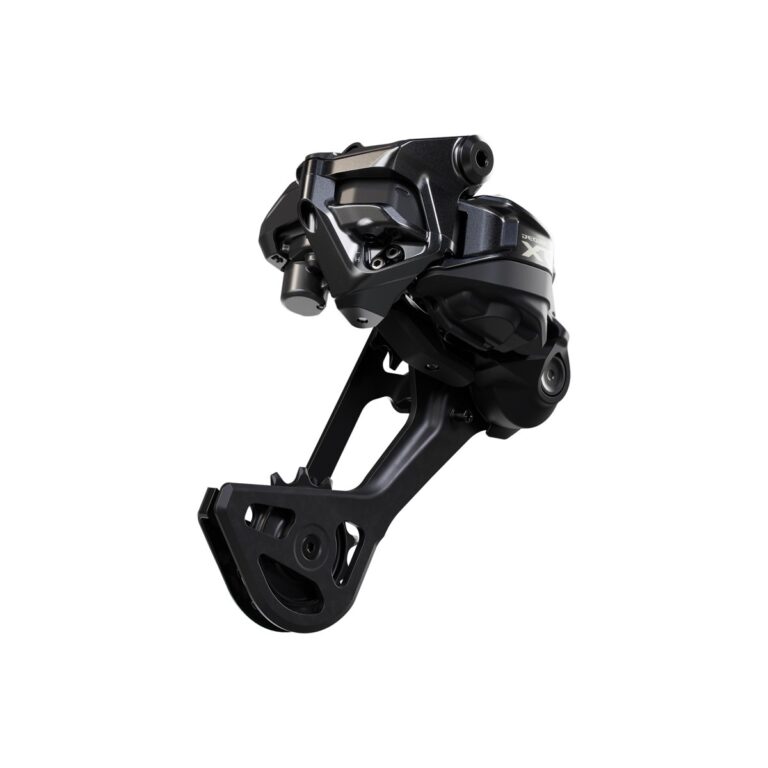
| 10 | Fox 36 Rhythm GRIP | Fox Float Rhythm | Shimano XT M8220 |
Advertisement / sponsored link
Scott lists the 30 under use condition 3, with cross-country and marathon as examples. That is more useful than seeing “150 mm” alone if you plan to ride lift-served trails or regularly hit jumps. Consult the manual and look up the category for the exact model before assuming it fits your bike park. Its intended use makes sense for rides on moderate trails with long transfers. Regular descents on courses that require a different use category change the decision.
For a short comparison ride I would ask for both bikes to be set to my weight, with a reasonable rebound setting. Too much air pressure can make a fork feel harsh over small rocks at any price. Once those basics match, find a familiar descent with two or three bumps in succession and check whether you can hold your line without correcting the bar each time. In the slower section, notice how the rear end supports you while climbing seated. That gives you a difference you can act on when deciding between forks.
Same Bosch motor code, different stated limits
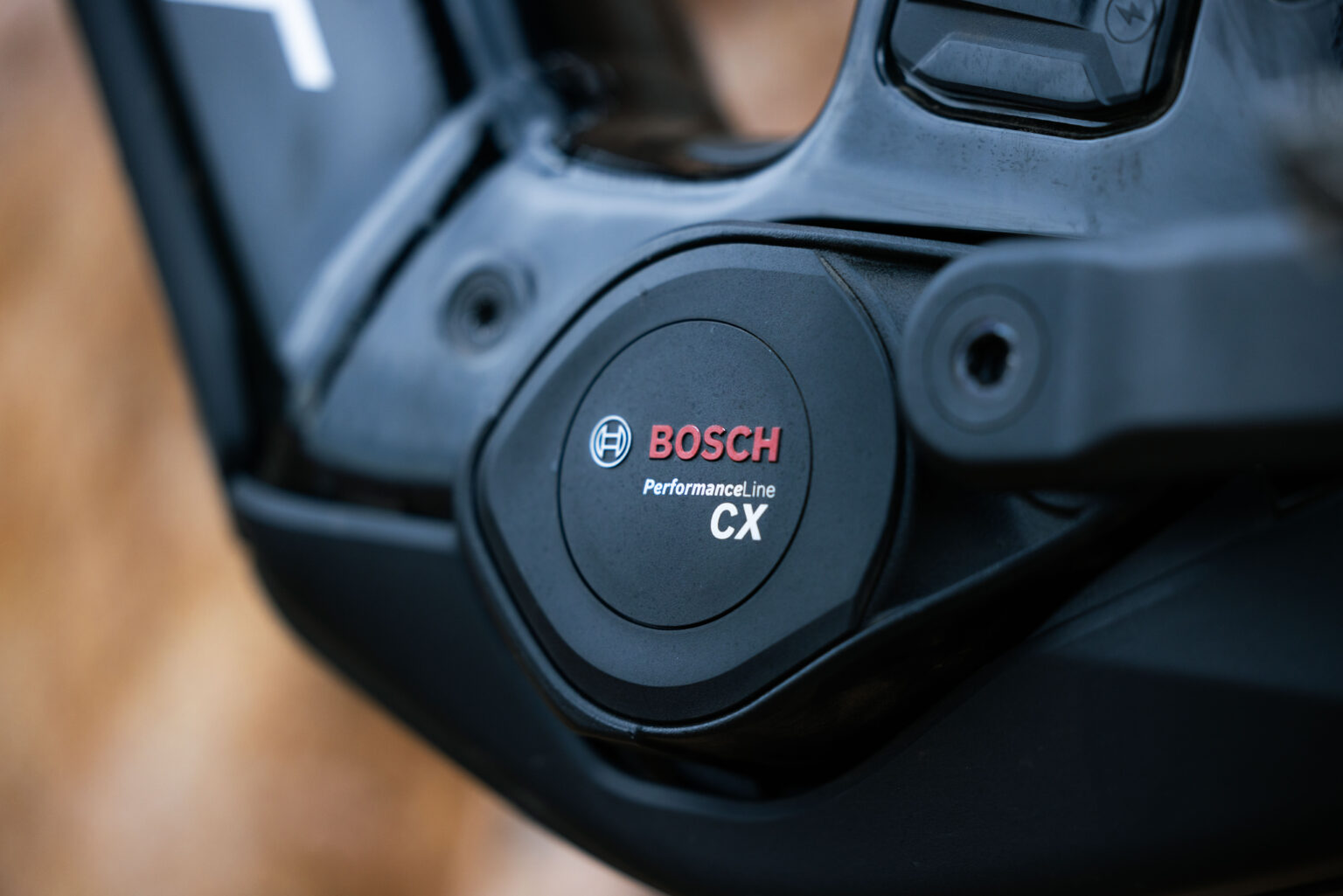
The Bosch CX is the BDU384Y across this range. Scott advertises up to 120 Nm for the 40, 30 and 10. The same Spanish Strike 20 page lists up to 100 Nm in the key features and up to 120 Nm in the description. Bosch allows the bike maker to cap the maximum setting in eBike Flow. Scott does not clarify which figure applies to the bike, so I would check the setting on the specific Strike 20 before making the motor part of the decision. The advertised maximum also says little about how the bike is set up out of the box.
Tyres and brakes for your local ground
Another difference becomes apparent before peak torque on a trail ride. The 40 and 30 use different widths of the Forekaster. Scott lists 29 × 2.4 in tyres on the 40 and dual-compound 29 × 2.6 in tubeless-ready tyres on the 30. On a wet hillside, pressure, casing and the front tyre determine how much braking force you can put into the ground. A dry track test tells you little about the grip you will find on wet rocks. If you ride that terrain often, allow for the right rubber and check what comes fitted to the bike you are offered in case of a substitution.
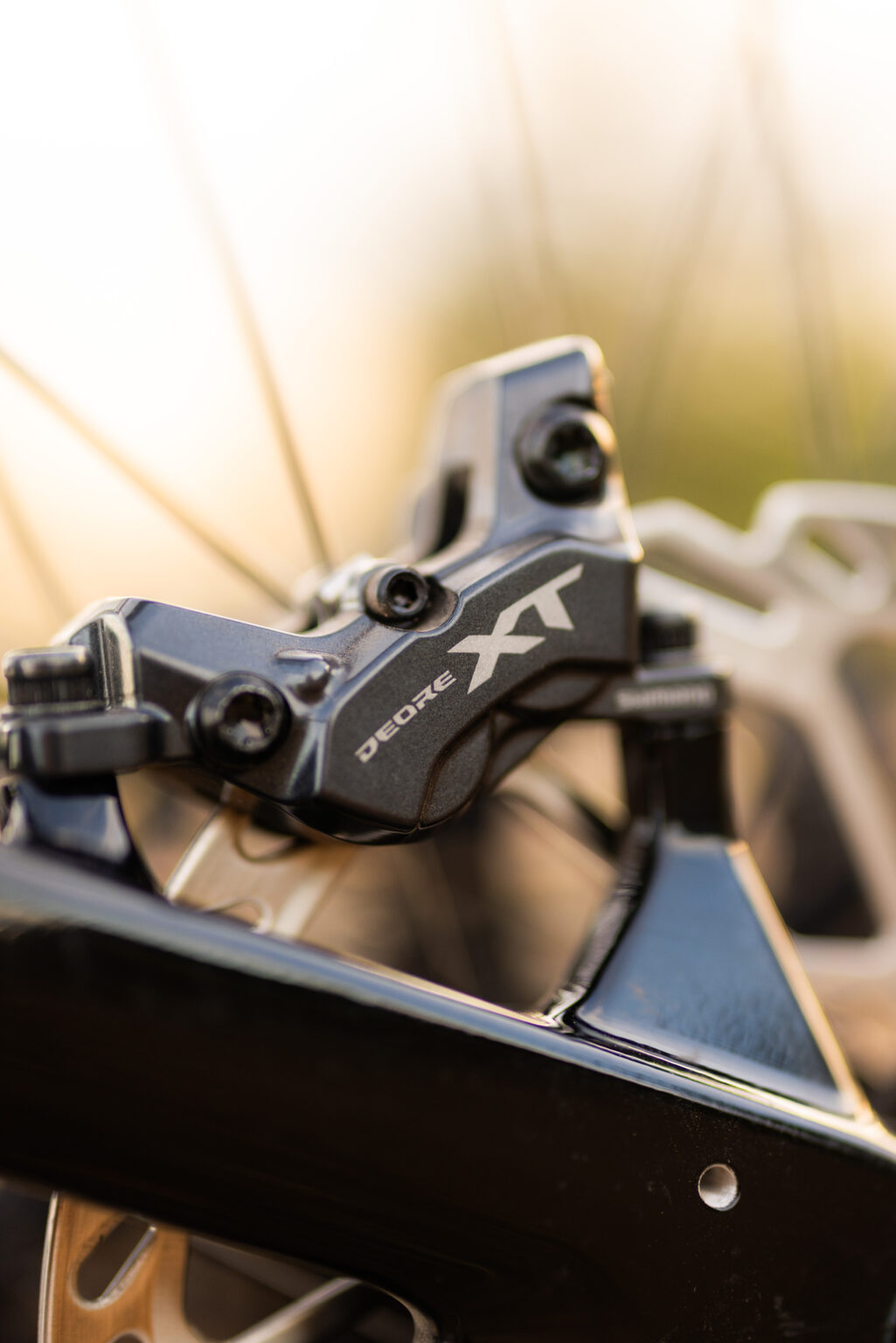
The 40 and 30 both come with four-piston calipers and 220 mm front and 203 mm rear rotors. The 10 gets a different brake set with XT calipers, while its listed rear rotor is 200 mm. On a long descent I would watch how much effort the lever needs and whether its bite point changes as the brakes heat up. An upgraded caliper matters if you notice a difference in lever feel when you regularly ride that terrain. Rotor diameter alone tells you little about the result of that test.
Advertisement / sponsored link
Which Strike I would buy for each kind of riding
| Your typical ride | First Strike to try | What to check at the shop |
|---|---|---|
| Local trails and tracks, with charging at home | 40 | Real margin from 720 Wh and how the battery comes out |
| Long rides where you already run close to empty | 30 | Usable reserve with 800 Wh and recharge time at 2 A |
| Frequent rough trails and a preference for Fox suspension | 20 | Suspension settings and the torque limit in eBike Flow |
| Interested in XT brakes and drivetrain and the Fox 36 | 10 | Whether you can feel those changes when braking and shifting on your trails |
If I fell between sizes I would ask to sit on both before paying. The Strike is designed for a relatively upright position. Check whether you can keep weight on the front wheel in a slow climb and whether the reach to the bar feels comfortable in a descending stance. Getting a foot down and being able to drop the saddle far enough will matter more in the first month than a few hundred grams of listed weight difference. Scott gives a maximum total weight of 130 kg, including bike, rider and kit. With a bike weighing about 25 kg, that leaves roughly 105 kg for the rest. If you are close to the limit, weigh the bike as equipped and include your pack, water and accessories.
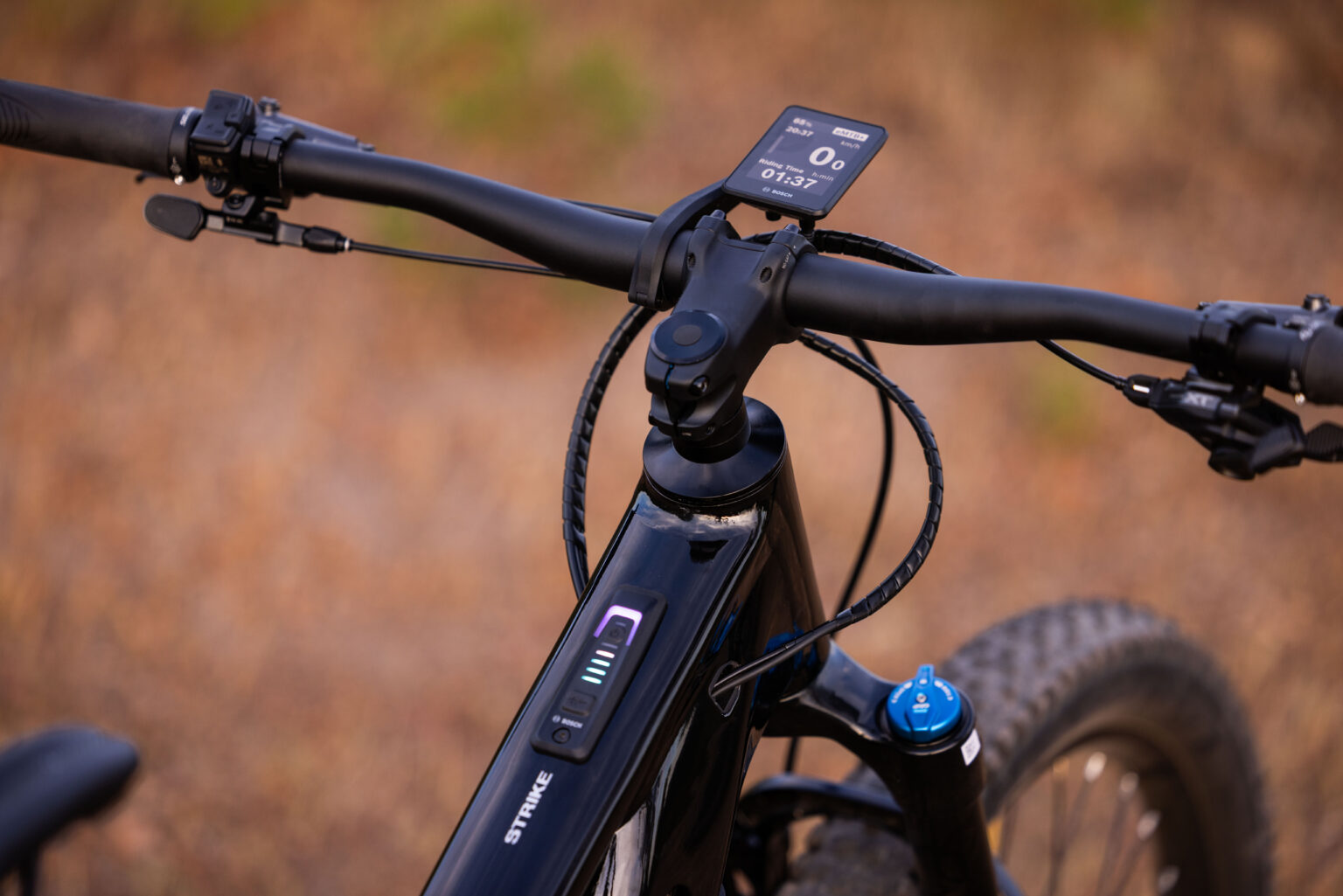
I would start with the 40. Its 720 Wh, four-piston brakes and CX motor make a sound package for a first full-suspension trail eMTB. I would go to the 30 if I could name several rides where the extra 80 Wh would make a practical difference. If suspension is my priority or I want a 4 A charger included, I would try the 20 next and confirm the charger and Bosch setting. The 10 makes sense if I will use the XT brakes and drivetrain, Intuvia display and 4 A charger together. Paying for the whole build to solve just one of those problems is harder to justify.
This comparison is based on specifications. We have no measured range or ride results of our own. The listed price also does not guarantee a particular size or colour is in stock. Use the full product code to check your dealer's offer and ask for a test ride centred on what you want the new bike to do.
Sources and documentation
Sources checked on November 17, 2026. This editorial comparison draws on official documentation. Equipment and availability can vary by market.
- Scott Spain · Strike 40
- Scott Spain · Strike 30
- Scott Spain · Strike 20
- Scott Portugal · Strike 20 component specification
- Scott Spain · Strike 10
- Scott Global · Strike 10 component specification
- Bosch · charging times
- Bosch · Performance Upgrade limits
- Bosch · 2024 Strike eRIDE 930
- Scott Sports · press kit and photographs
Have you used this bike, motor or component?
Join eRIDERSeMTB on Telegram to discuss real experiences with other riders: Bosch, Avinox, Shimano, deals, faults and buying decisions. The community currently speaks Spanish.
Join TelegramAdvertisement / sponsored link
Advertisement / sponsored link
Advertisement / sponsored link