Marin Alpine Trail E: E1, E2 or EXR, which one to choose
Technical guide · eMTB PRO
Bosch CX, 800 Wh and an enduro platform: what changes between E1, E2 and EXR, where it is worth spending and what to check before buying.
Advertisement / sponsored link
An electric enduro, not a bike for everything
The interesting question about the Alpine Trail E is not how fast its motor goes, but which build to buy and for which routes. A long-travel e-bike may allow more descents in a day, but also needs storage space, convenient transport and a desire to use its chassis properly. Buying more bike than you need does not always improve the experience.
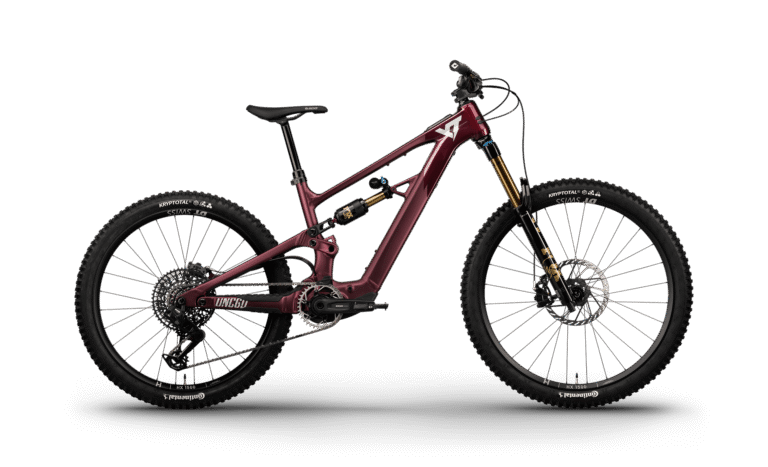
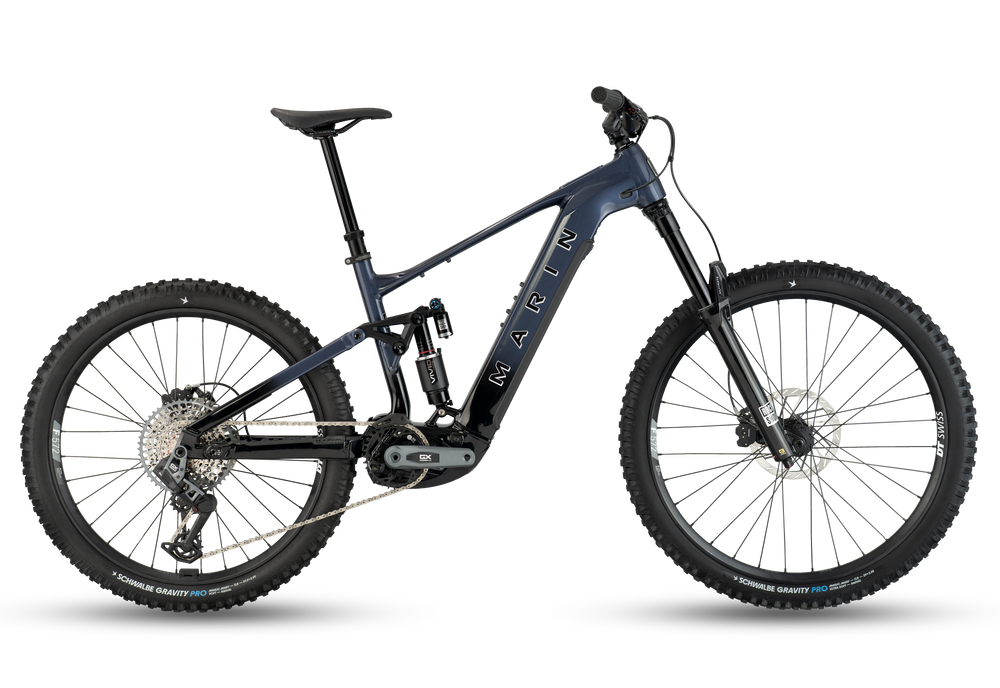
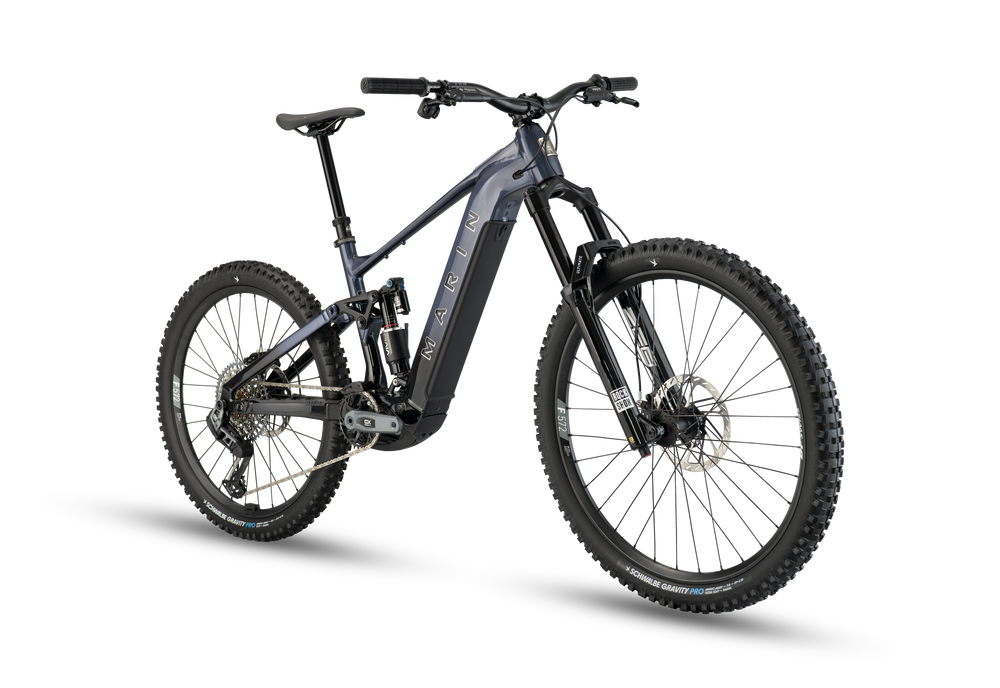
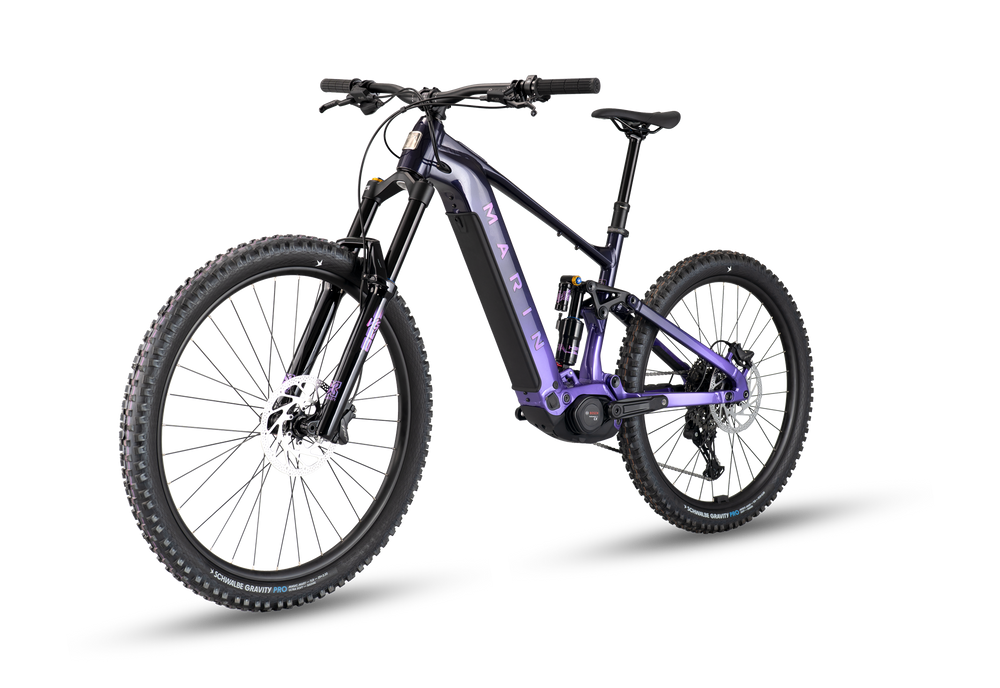
Marin identifies the current platform as a Series 4 aluminium frame, MultiTrac 2 LT suspension with 170 mm front and 160 mm rear travel, a 29-inch front wheel and 27.5-inch rear, and a fifth-generation Bosch Performance Line CX motor. These are specifications from the European EXR product page, not results of a hands-on test.
Our assessment is that it suits riders seeking a full-power enduro bike for technical trails and frequent descents. For gentle tracks, daily travel or routes prioritising low-weight pedalling, compare less descent-focused platforms too. This guide analyses the range documented in 2026; it does not announce a launch today.
Advertisement / sponsored link
Before comparing prices: ask for the bike's exact model reference. Marin's catalogue retains earlier-generation products with similar names. An offer for another Alpine Trail E may be valid, but should not be assessed as though it has this frame, battery or build.
E1, E2 and EXR: where the money goes
These are the prices on the European product pages checked on 5 October 2026. They are not verified Spanish shop offers or a promise of stock. The final quote must confirm applicable taxes, preparation, transport and possible component changes.
| Model | Reference price | Suspension | Drivetrain | Brakes |
|---|---|---|---|---|
| E1 | €4,999 | X-Fusion Vengeance / H3A Air | Shimano CUES, 10-speed, 11-48 | TRP DHR EVO Comp |
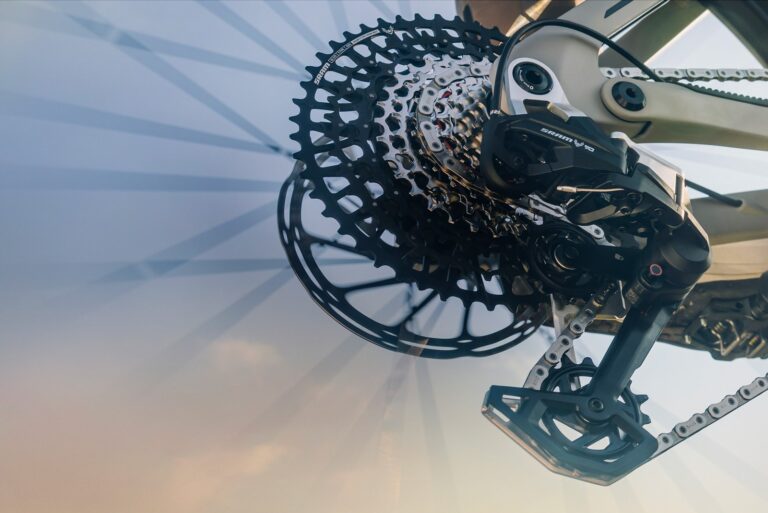
| E2 | €6,799 | RockShox ZEB Select+ / Vivid Air Select+ | Eagle 70 derailleur and Eagle 90 shifter, mechanical, 10-52 | SRAM Maven Bronze |
| EXR | €7,999 | RockShox ZEB Ultimate / Vivid Air Ultimate | SRAM GX AXS T-Type, 10-52 | SRAM Maven Silver |
Price and component sources: E1, E2 and EXR. All three product pages list 200 mm rotors front and rear. Equipment is subject to manufacturer changes.
The calculated difference is EUR 1,800 from E1 to E2 and EUR 1,200 from E2 to EXR. Decide what problem each step solves. Choosing the top trim does not automatically buy more range or torque. The extra spending goes into components, adjustment options and finish.
I would split the budget into purchase and first-year use: servicing, consumables, protective kit and transport. If the top build leaves no money to maintain it properly, a lower one may be wiser. Nor would I assume converting an E1 into an EXR later costs less: calculate parts, labour and compatibility before choosing that route.
E1: assess the package, do not dismiss ten speeds
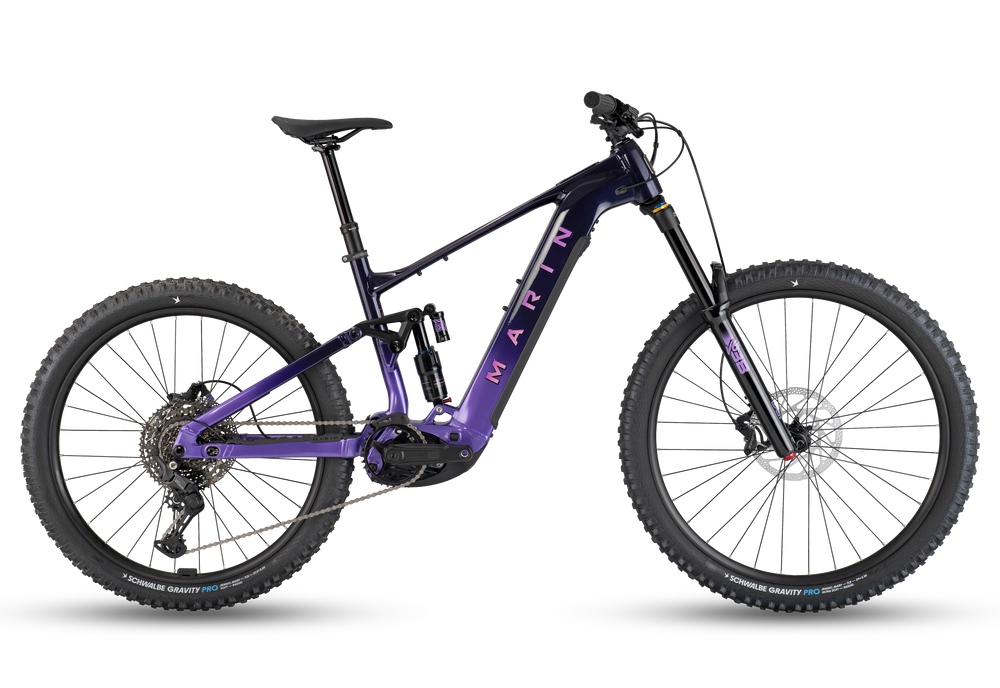
The E1 deserves attention because it opens the range without requiring electronic shifting or the most expensive suspension trim. Do not describe it as an E2 in another colour: suspension, drivetrain and brakes differ. Buyers should check how the bike fits and its controls work rather than deciding solely by the number of gears.
Ten sprockets alone do not make a drivetrain a worse choice. What matters is whether the lowest gear allows a comfortable cadence on your climbs and whether the workshop can source spares. The 11-48 cassette and the higher builds' 10-52 are not interchangeable simply because of a numerical comparison; check the whole system before budgeting for an upgrade.
I would consider the E1 first if your purchase limit is around EUR 5,000, you want an enduro platform and prefer to keep some budget for riding it. I would not recommend it blindly to someone who already needs specific suspension adjustments: replacing fork and shock immediately may cancel the saving. A short fit test and a practical workshop explanation are worth more than a list of adjectives.
E2: the jump that must be justified with your descents
Advertisement / sponsored link
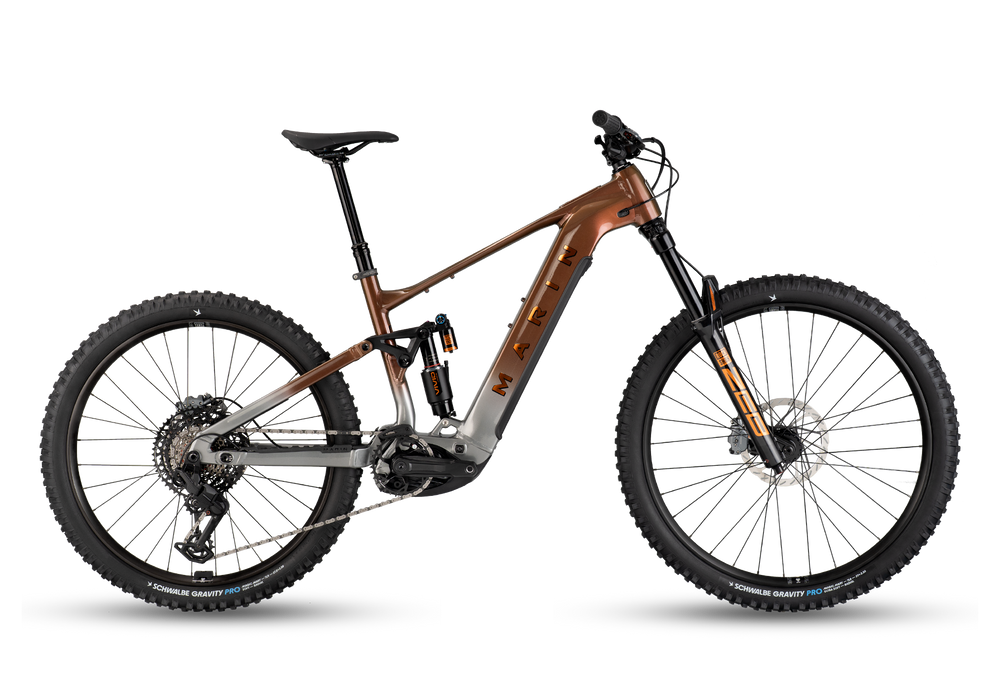
By design, the E2 is the build I would compare first for regular enduro riding. That is an editorial preference based on its component combination, not a proven trail victory. The specification distinguishes an Eagle 70 derailleur from an Eagle 90 shifter; calling the whole setup Eagle 90 would be inaccurate. It is also mechanical: it does not need an AXS derailleur battery.
The real benefit of stepping up depends on whether you use the extra suspension adjustment and want to learn to set it up. Buying the component is not enough: incorrect pressure or rebound can leave an expensive bike working poorly. Ask the workshop to record the initial setup and check one variable at a time during your first rides.
To understand the functioning of the mechanical family, consult our T-Type Mechanical Eagle Guide; that does not mean the article describes every E2 component exactly. Before paying, request the delivered bike's component list, not just a promotional photograph or a specification copied from another market.
EXR: adjustments and electronics, not an obligation
The EXR better suits riders who know what they want from components or ride very frequently. Ultimate suspension and GX AXS may appeal, but a top-of-the-range label does not replace an ergonomics test. Ask which specific adjustments the bike has and how to use them; do not assume every generation of a fork with the same name offers the same features.
Advertisement / sponsored link
Electronic shifting adds a different routine: keeping its battery ready, checking charge before riding and knowing what to do if it is flat at the start of a ride. It does not make mechanical shifting obsolete. The choice depends on how much you value shifter operation against the simplicity of a cable, and what support is nearby.
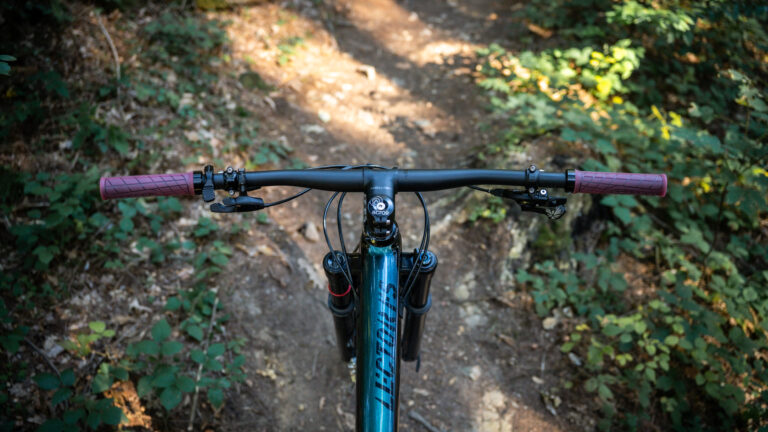
I would also check the cockpit. The EXR specification lists a PNW handlebar 800 mm wide with 38 mm rise. That is not a universal posture prescription: hands, arms, torso and preferences vary between riders. Do not cut a handlebar to imitate another bike; first check position, control space and manufacturer instructions.
Bosch CX: understand the maximum and check the unit
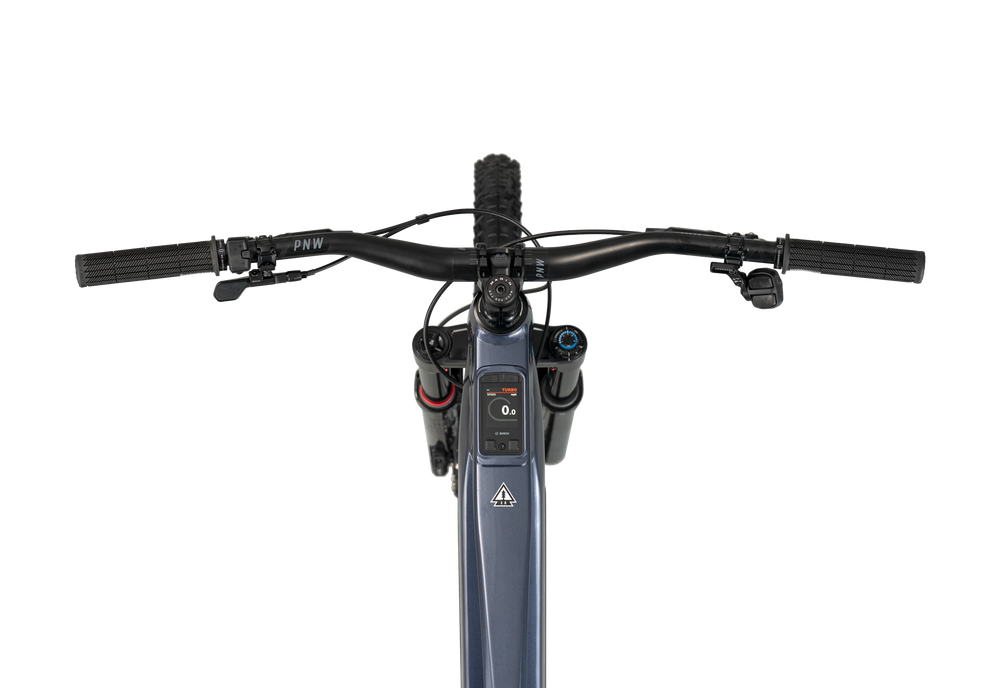
Marin announces up to 120 Nm, 750 W and 600 % support for this platform. The official explanation of Bosch about Performance Upgrade 2.0 qualifies those maxima: they depend on the drive unit, manufacturer approval and compatible configuration. The 600% assistance is described as available up to 15 km/h. It is not continuous power or a constant figure throughout a climb.
That's why I would ask the seller to display on eBike Flow the installed motor, its software and the available values. A promise to upgrade does not amount to seeing the operational function on the bike you receive. Do not extrapolate these figures to a used unit of another generation or to any bicycle carrying the letters CX.
For a first ride, I would start with a moderate configuration and observe traction, control and consumption. Maximum settings are not necessarily best for a tight corner or wet root. A serious comparison would keep rider, pressure, route and charge level constant; without those conditions, attributing the whole difference to the motor makes no sense.
800 Wh, a removable battery and expansion: what to ask
The Marin specifications and technical description specify an 800 Wh battery across the range and sizes S to XL, removal for off-bike charging, the option of a 600 Wh unit and compatibility with 250 Wh PowerMore. The extender is an accessory; do not assume it is included in the bike's price.
Adding 800 and 250 gives 1,050 Wh of nominal capacity. It does not justify promising a distance: the result depends on elevation gain, terrain, selected assistance, temperature, total load and rider effort. If someone offers a fixed range figure, ask for the conditions under which it was obtained. Our guide to range and elevation gain helps to sort that comparison.
Get a full demonstration of removal and refitting before buying. Check locking, port access, cover handling and space at your charging location. For the extender, confirm the mount, appropriate cable and clearance with the bottle in your size. Do not buy an accessory just because it bears the Bosch name: request written compatibility for the frame reference and system.
The 600 Wh alternative is worth considering for lighter packing on short rides, but means another expense and less available energy. I would compare that cost with actual use before accumulating batteries. Nor do we state a total bike weight: the documentation consulted does not provide an independent measurement by size and build to support one here.
Adjustable geometry without losing initial reference
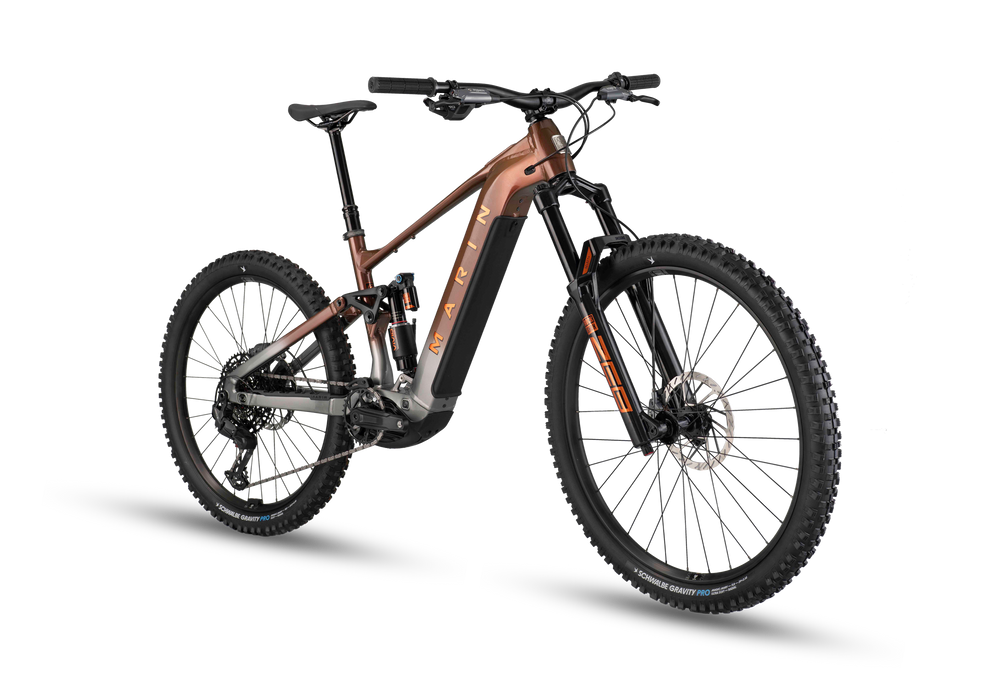
The Marin's table and geometry description show S, M, L and XL sizes, head-angle adjustment of +/-0.75 degrees and positions to vary bottom bracket height and chainstay length. Do not mix figures from different configurations when comparing sizes with another bike.
The practical benefit is adapting the setup, not changing everything on every ride. Before moving parts, save a photograph of the initial position and ask the workshop for documentation and torque settings for the exact model. A geometry change can be confused with a suspension or tire change if you alter every variable at once.
Size is not decided by height alone either. Check room while pedalling seated, control while standing, saddle height and usable dropper travel. A smaller rear wheel does not automatically guarantee better handling for every rider. Treat that impression as something to check, not a benefit proven by the diameter printed on the specification sheet.
What I would check in the shop before the first ride
A careful handover should resolve specific questions. Use our check list of a new eMTB and add these points specific to choosing between E1, E2 and EXR:
- Identification: model reference, size and final build in writing, clearly distinguished from older stock.
- Motor: demonstration of connection to Flow and values really available, without modifying anything to look like another version.
- Battery: checked removal, locking, supplied charger and charging-port operation.
- Suspension: initial setup recorded for your fully kitted weight, with an explanation of that generation's controls.
- Brakes and wheels: operation, absence of significant rubbing, tubeless setup if ordered and an explanation of bedding-in.
- Service: who handles warranty, frame spares and maintenance of each component.
I would not request indiscriminate rotor, seatpost or shock changes at collection. Any replacement must respect the system's limits and compatibility. For setup guidance, see the sag, rebound and compression guide. The initial aim is a safe, well-adjusted bike, not a first ride testing ten modifications simultaneously.
Editorial choice and frequently asked questions
E1 if budget leads; E2 if frequent enduro use justifies the upgrade; EXR if you deliberately want its suspension and electronics. This is a decision framework, not a podium of tested bikes. None is validated for you until size, local price and servicing are checked.
The Alpine Trail E offers an alternative worth considering without making the motor the only argument. The best purchase is one you can ride, maintain and transport comfortably. If those three things are unclear, a loan or fit test should precede ordering, however attractive the equipment.
Is the stock confirmed in Spain?
No. Prices come from the official European catalogue; request availability, a delivery date and a quote from a dealer.
Advertisement / sponsored link
Does the E2 carry GX AXS?
Not on the European product page checked. It lists a mechanical Eagle 70 derailleur and Eagle 90 shifter. GX AXS T-Type belongs to the EXR.
Do 800 Wh guarantee a specific route?
No. That is nominal capacity, not a guaranteed distance. Plan around elevation gain, observed consumption and a reserve for returning.
Is this guide an en-route review?
No. This is editorial analysis of official documentation. We do not attribute ride impressions, measured weights or tested range to bikes we have not tested.
Sources and documentation
Information checked on 05/10/2026. Editorial guide based on official documentation, not our own ride test. Equipment and availability may vary by market.
Have you used this bike, motor or component?
Join eRIDERSeMTB on Telegram to discuss real experiences with other riders: Bosch, Avinox, Shimano, deals, faults and buying decisions. The community currently speaks Spanish.
Join TelegramAdvertisement / sponsored link
Advertisement / sponsored link
Advertisement / sponsored link