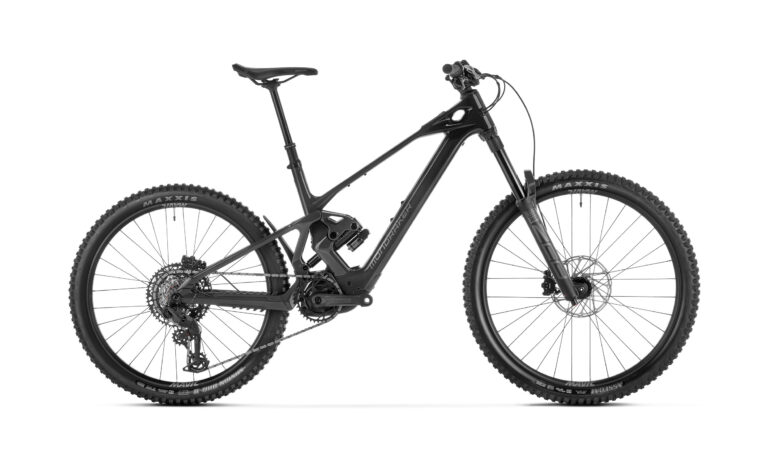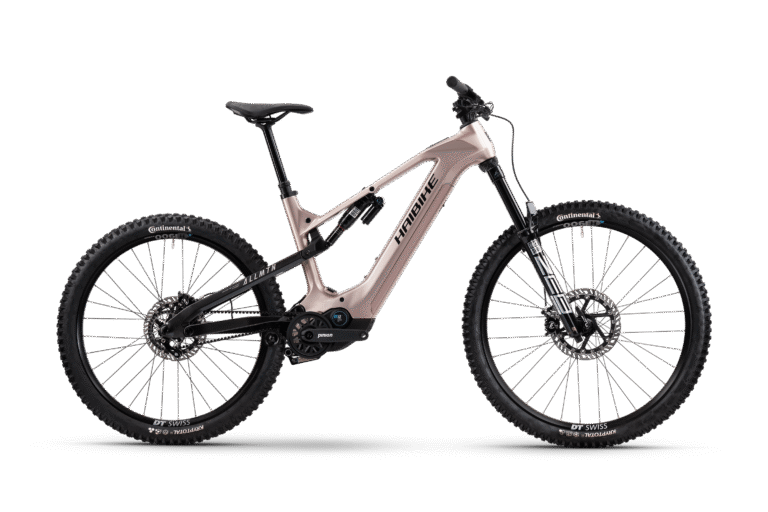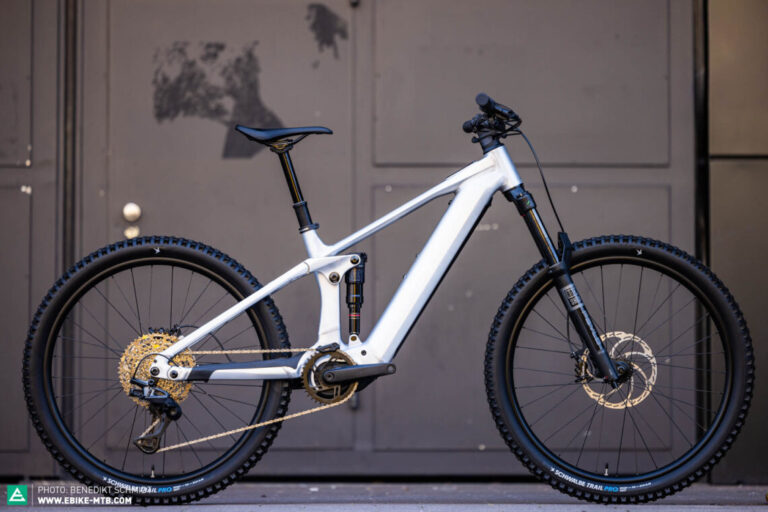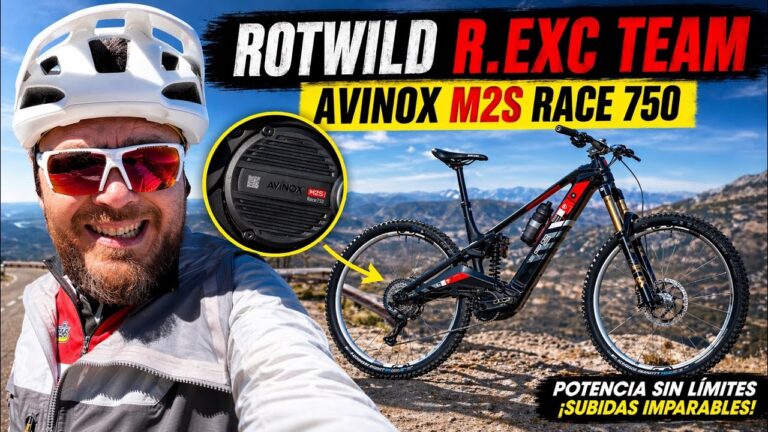
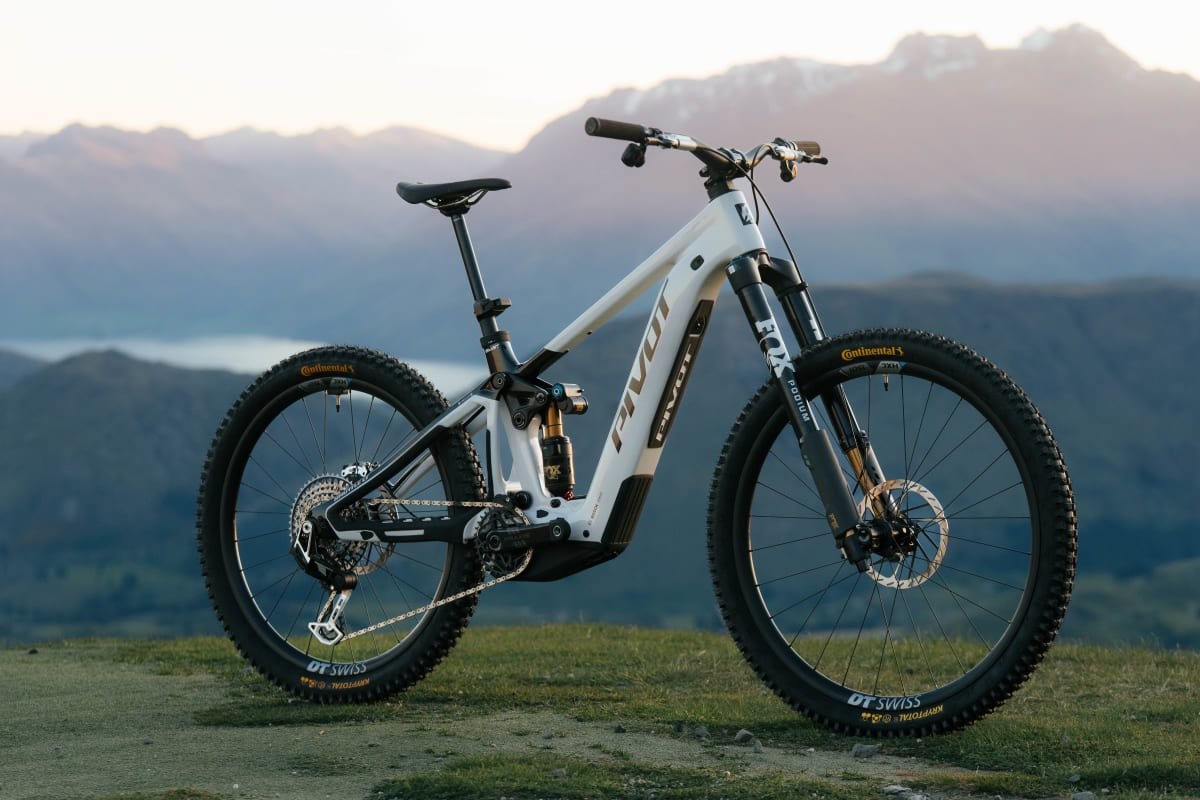
Pivot Shuttle LT: Bosch CX-R, removable battery and a configurable eMTB
Technical guide · September 2026
A closer look at the third-generation Shuttle LT: build differences, 800 Wh battery, adjustable geometry and questions to ask before buying.
Advertisement / sponsored link
The question is not how many watts it has: what do you want to do with it
You do not buy an electric enduro bike to win an argument over numbers. You buy it to repeat descents, reach a trail once too far away and return with enough reserve to enjoy the final section. The Pivot Shuttle LT fits precisely that territory: a long-travel eMTB inviting as much attention to battery, position and settings as to the motor.
This article analyses manufacturer documentation and the buying decisions the model raises. It is not an eMTB PRO ride test and claims no riding impressions we have not measured. It does offer a way to distinguish specification-sheet information from what deserves checking during a loan, shop visit or test.
The key point for Spanish buyers is simple: an expensive eMTB is not necessarily the right eMTB. Before debating the higher-spec build's premium, check that you can charge it where you live, the size fits and your routes justify its design. If those three things do not work, the motor logo will not solve the buying decision.
The specification that matters, without mixing builds
| Component | Official Data | What to check |
|---|---|---|
| Use and wheels | Electric enduro, MX | That the actual build and size match the specification sheet |
| Suspension | 170 mm front; 162 mm rear in the short position, 165 mm in the long position | Dropout position and rear shock setup |
| Motor | Bosch CX or CX-R depending on build | Do not attribute the CX-R to the whole range |
| Battery | Removable 800 Wh battery; advertised compatibility with 600 Wh and PowerMore 250 | Accessories, installation and battery included in the offer |
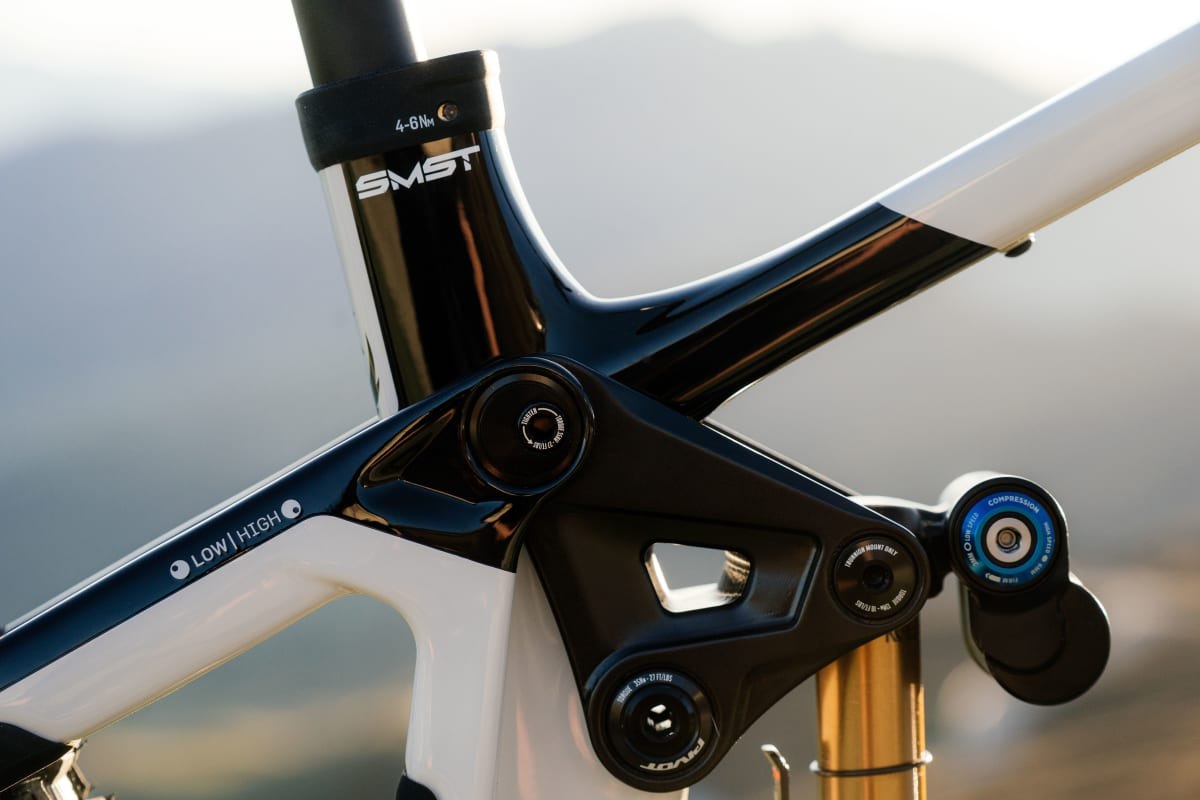
| Customization | Independent seat angle of 76.5° or 78°; chainstays with 8 mm of adjustment | Size and initial store configuration |
The above data come from the official Shuttle LT specification sheet. They are not a range promise and do not describe every component combination available in each market.
A useful offer identifies year, size, build, battery, charger and delivery terms. The same commercial name can appear on an introductory page, a demo bike and a clearance listing. These are not automatically three comparable opportunities. Request a written component list and keep it with the invoice.
Advertisement / sponsored link
Bosch CX or CX-R: the badge does not replace a check
The motor's name is only the start of the conversation. For group riders, modulating assistance and what happens when a climb forces a slow pace matter more than the advertised maximum. For riders practising technical sections, continuity of assistance and predictability also matter. These are different questions, unanswered by a photograph of the motor casing.
One discrepancy is worth noting: when official pages were checked on 8 September 2026, the Spanish version still showed 100 Nm for CX-R, while the US page stated 120 Nm. Bosch explains in its Performance Upgrade 2.0 announcement that the adjustment ceiling can reach 120 Nm, but is set by the bicycle manufacturer. We therefore do not present 120 Nm as guaranteed on every bike for sale.
Check the actual bike: motor identification, installed firmware and settings genuinely available in eBike Flow. If the seller advertises an update, have them confirm whether it is already applied or requires a later visit. A screenshot from another bike, even with the same system, does not replace this verification.
In a test, I would start with an intermediate mode, not every control at maximum. I would repeat a familiar climb in the same gear to assess how easily I can hold a line. A considered purchase seeks a response you can use, not a configuration that only impresses over the first few metres.
Removable Battery: an advantage that starts at home
Imagine two owners of the same bike. One has a garage with a nearby socket; the other lives in a flat and stores the bike without electricity. Their range discussion may be identical, but daily ownership will differ greatly. Charging off the bike changes the second owner's logistics far more than a small power difference.
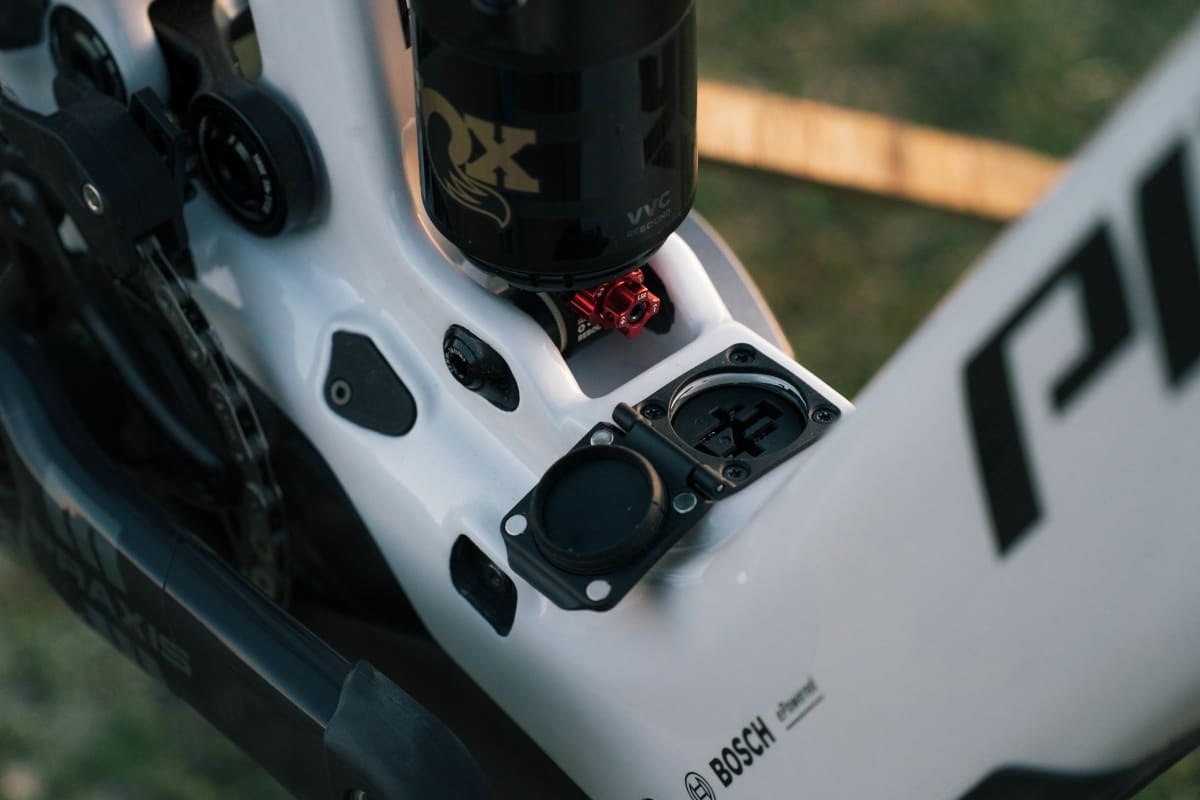
At handover, ask for a full demonstration of removal and locking. A photograph of a half-removed battery is not enough. Learn how the bike is supported, which parts are handled, how the compartment is protected and where to keep any key or tool. Practise calmly without assuming all removable systems work alike.
It is also worth simulating a real day: transport, storage, charging and riding the next day. Is there a stable surface for the battery? Is the supplied charger's cable long enough? Can you handle it without resting the bike on a vulnerable area? These unglamorous questions prevent mistakes repeated for years.
Compatibility with another capacity does not mean a second battery comes in the box. If you plan to alternate configurations, request the complete cost of the compatible setup. Buying an eMTB while counting on an accessory you have not yet located can turn a theoretical benefit into an indefinite wait.
800 Wh is not a number of kilometers
Battery capacity alone does not determine a ride's distance. Plan around energy used in your conditions: elevation gain, surface, tires, pace, assistance and total load. A firm track with a relaxed group is not comparable to repeated rough climbs and accelerations, even if the odometer ends at the same figure.
A purely arithmetic example helps explain this. Reserving 20% of a nominal 800 Wh leaves 640 Wh for planning. Dividing 640 Wh by hypothetical consumption of 12 Wh/km gives about 53 km; at 20 Wh/km, it gives 32 km. These are not measured Shuttle LT ranges: they are two assumptions showing why a distance figure without context is of little use.
The most practical improvement is to start with a route you can shorten. Record distance, elevation gain, percentage used and conditions; repeat with a similar configuration. Several rides give you a personal reference better than a universal promise. Keep an additional reserve if returning requires a long climb, the terrain is unfamiliar or conditions change.
Advertisement / sponsored link
An extender is no excuse to ignore planning either. It adds energy, but also installation, management and luggage. First establish that you need it on regular rides; then choose between it and organising rides differently. A sensible purchase starts with a real problem.
Finding your position: size and fit first, experimentation later
Independent saddle adjustment is one distinguishing feature here. However, an extra option need not be used immediately. An uncomfortable position may relate to saddle height or setback, handlebar reach or the wrong size. Moving one part to compensate for another can hide the cause without resolving it.
Start with a documented reference configuration. Record saddle height, shop-recommended settings and every subsequent change. When testing a variation, repeat the terrain and avoid changing tire pressure and several suspension controls together. Otherwise you cannot identify which change caused which effect.
Uphill, I would check whether you can maintain a comfortable cadence without constantly shifting on the saddle. On the flat, I would check whether you can breathe and pedal without feeling excessively cramped or stretched. These are personal observations no chart can replace; they should not become a universal angle recommendation for everyone.
If persistent pain occurs, the solution is not to continue to accumulate random changes. You should review the position with a professional and not interpret the ability to adjust a bicycle as a treatment of discomfort. Technology offers options; the criterion is to know when to stop experimenting.
Advertisement / sponsored link
More suspension adjustments call for a method, not more guesswork
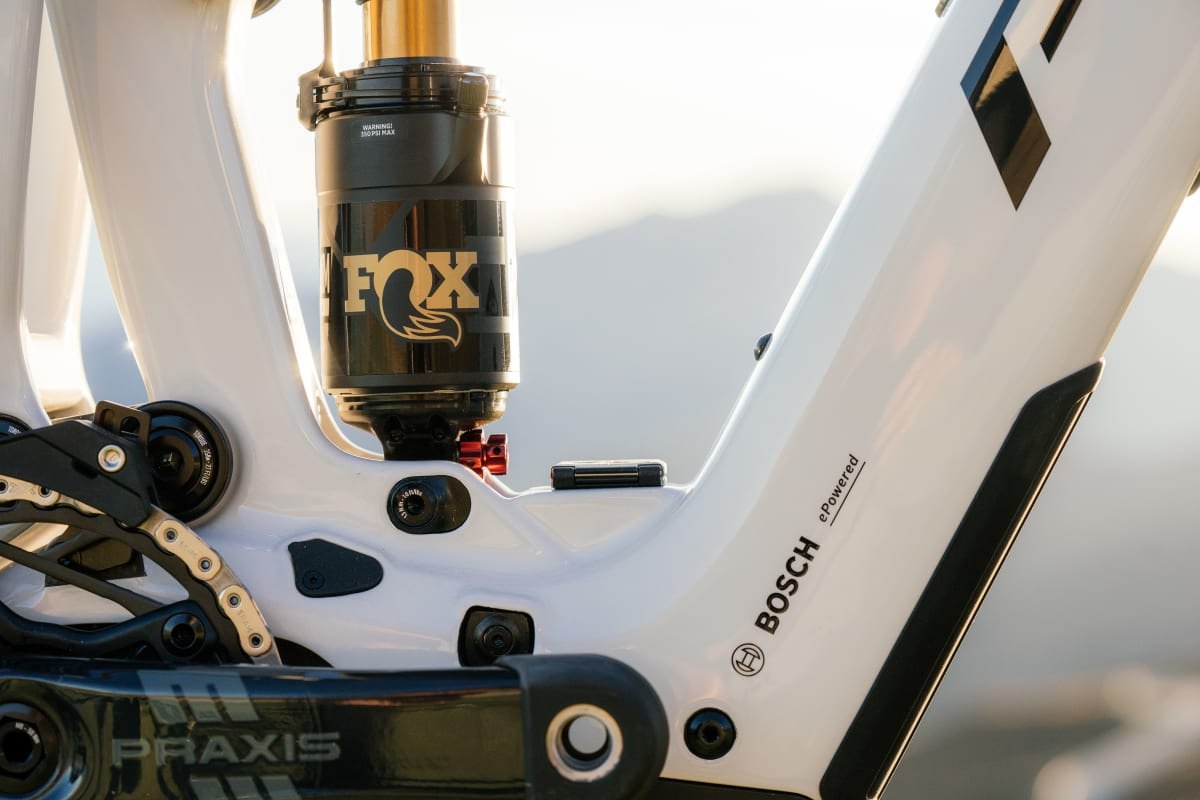
An eMTB with several adjustments can be an excellent tool for someone who records their changes. It can also frustrate if every ride starts with turning dials without a reference. The goal is not the most possible controls, but an understandable, repeatable setup.
Before comparing settings, prepare a simple sheet with your fully equipped weight, initial pressure, rebound settings and bike configuration. Take pressures and procedures from the specific component documentation, not a figure for another fork. Respect the manufacturer's adjustment order and limits.
During the test, I would choose a short, familiar section with representative braking, a corner and rough ground. I would note what happens and change one variable. I would not turn one impression into a diagnosis: fatigue, speed and line choice can greatly change the feel between runs.
Builds with electronic suspension also merit a discussion about charging, spare parts and operating modes. Do not assume every photographed build includes the same system. Ask to see the equipment on the bike you will receive and learn how to return to a known configuration if you lose track of settings.
Wheels, tires and brakes: where specifications meet riding
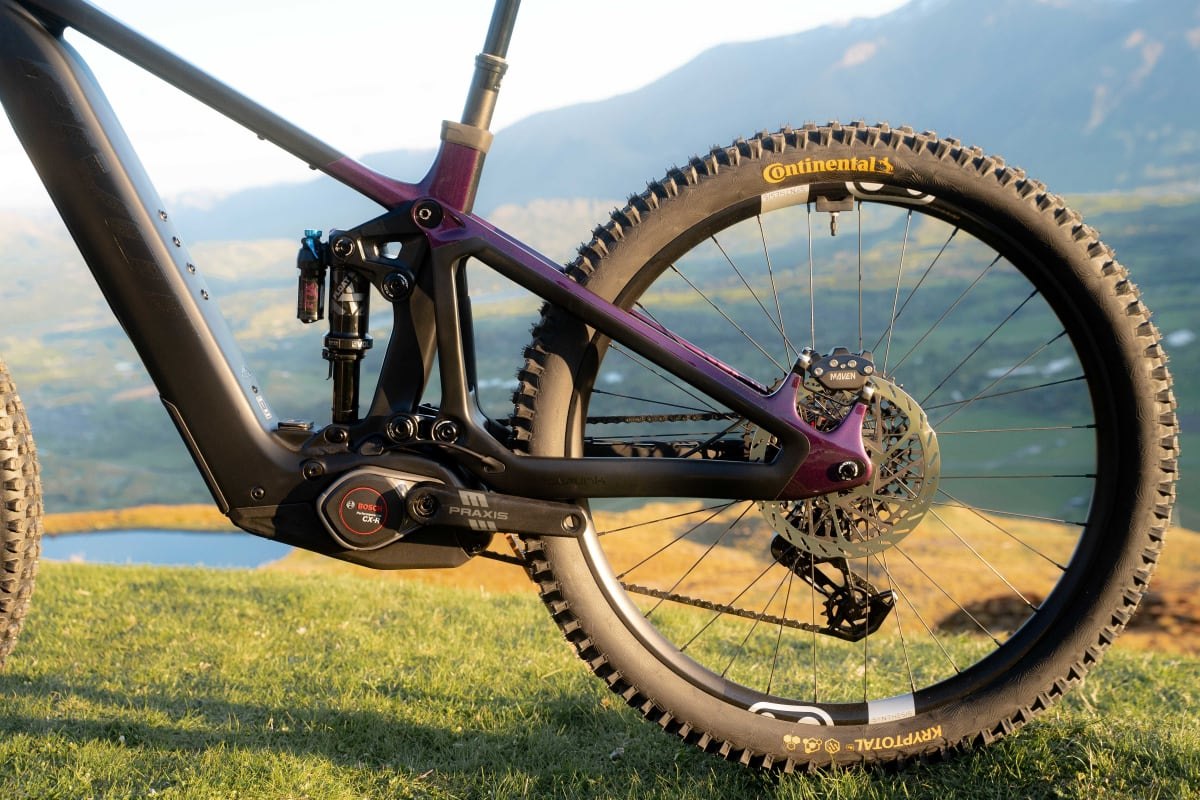
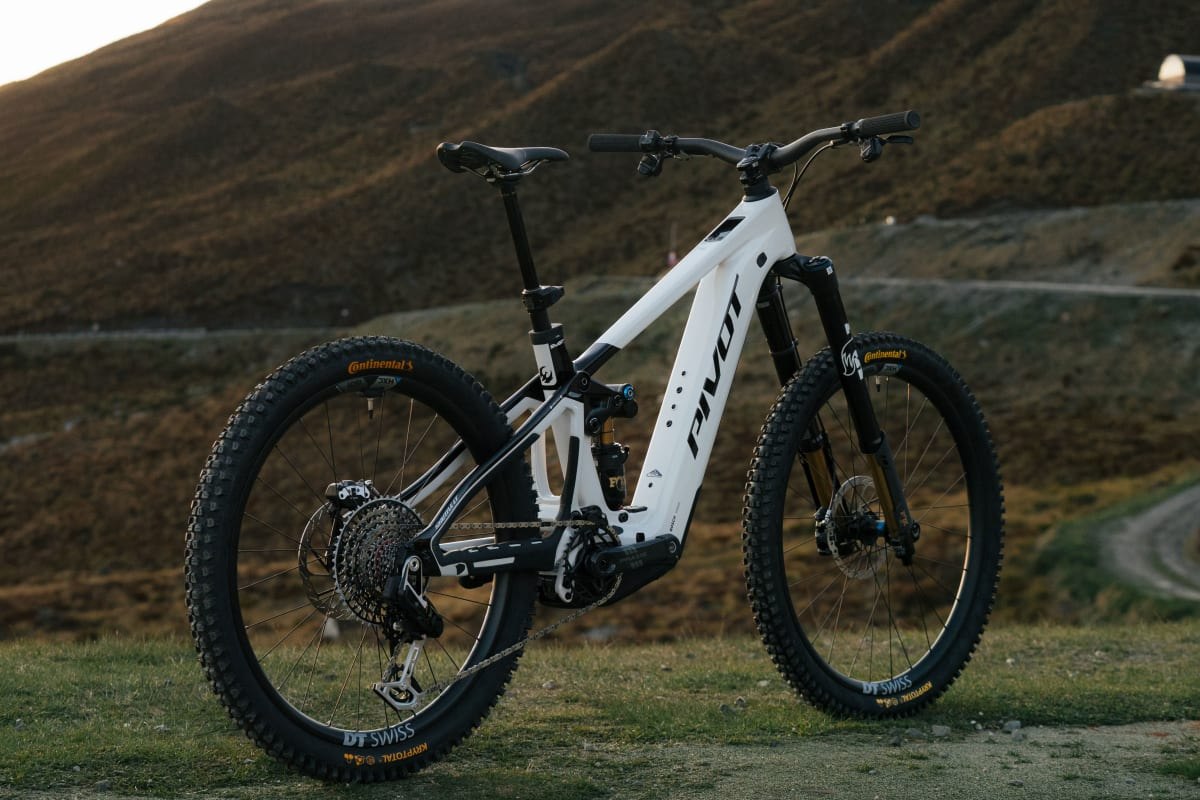
The rear-end photograph is an important reminder: all assistance ultimately passes through a chain, drivetrain, wheel and contact patch. A buyer spending an hour on the motor and five seconds on tires leaves out a substantial part of ownership costs and riding experience.
Check the exact casing and compound, not just the name printed large. Ask about local spare-part availability and the replacement cost of the rear tire you would actually use. Do the same for pads, rotors and drivetrain parts. Similarly priced builds can have different maintenance budgets.
Set tire pressure thoughtfully and within the setup's limits. Copying a rider with different weight, rims or terrain makes no sense. During a loan, I would agree an initial setup with the shop and record impressions without deliberately approaching the limit to seek a spectacular result.
For brakes, ask whether they respond consistently on your descents and whether you can maintain them properly. Check a demo bike before riding: rotor and pad condition, feel and absence of obvious problems. Have anything unconvincing inspected; a ride is no place to improvise a critical repair.
Who it suits and when I would consider another category
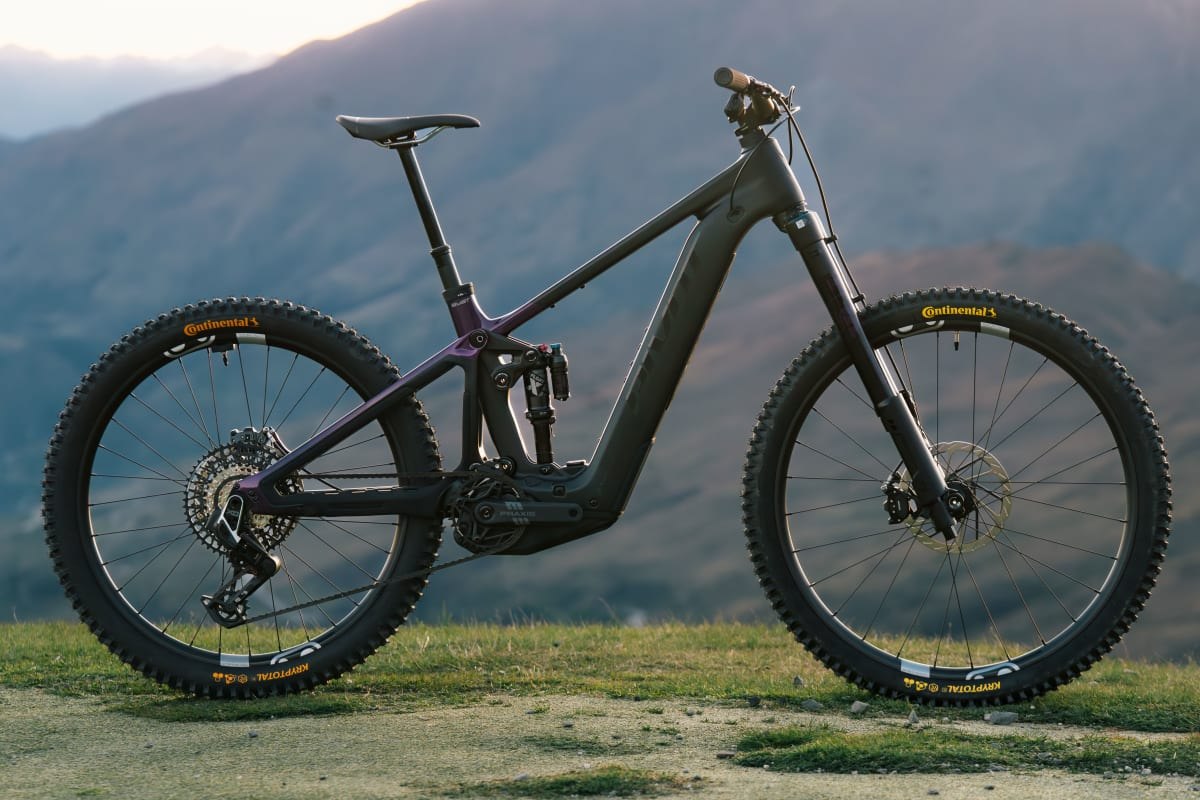
The Shuttle LT belongs on the shortlist if you want an eMTB for demanding terrain and to explore its settings methodically. Long travel and customisation make sense when meeting a specific need. You need not race to appreciate them, but should know what problem they solve compared with a less complex bike.
If most rides involve easy tracks, everyday journeys or gentle trails, I would compare a simpler trail bike before deciding. Not because an enduro cannot do those rides, but because budget, maintenance and logistics may deliver greater value elsewhere in your cycling experience.
Anyone seeking a light feel should compare complete bikes and try handling them while stationary, lifting over a kerb and moving into storage. A weight figure without size, battery and build is insufficient. Lifting the bike you would buy, with your intended accessories, is a simple, revealing test.
Advertisement / sponsored link
For anyone drawn to Avinox, keep the comparison questions the same: fit, technical support, range on your route and total cost. Changing motor brands removes none of these requirements. A considered purchase accepts that two systems can suit different users without turning the choice into opposing camps.
A pre-purchase test that provides useful information
- Before you leave: confirm size, build, battery, firmware and initial settings. Photograph the handover sheet, not other people's personal data.
- First stage: ride with moderate assistance and check position, controls and comfort. Do not try to assess everything in five minutes.
- Familiar climb: observe whether you can modulate assistance and hold your line. Repeat without changing several things together.
- Descent within your ability: assess confidence, braking and ease of steering. Do not increase risk to justify a purchase.
- At the end: review consumption and discuss any noise, questions or adjustments with the shop. A specific explanation is worth more than a slogan.
If comparing two builds, try them on the same day and similar terrain. Keep tire and suspension setup reasonable: a poorly prepared demo bike can lead to an unfair verdict on an entire model. Separate the bike's design from the borrowed bike's condition.
Finally, wait a few hours before committing. The appeal of something new can be powerful. Reread your notes and check whether the strengths you remember match your original reasons for looking. That short pause costs less than later modifications to correct a rushed purchase.
Quick questions before requesting a quote
Do all Shuttle LTs have the same Bosch?
No. Builds differ across the range, so check the exact bike's specification. Do not attribute components from a higher-spec build's photograph to the entry-level model.
Can range be promised from Wh alone?
No. Watt-hours describe energy; distance requires knowing consumption. Use your own rides as a reference and keep a reserve for the unexpected.
Are the optional accessories included?
Do not assume so. Request an itemised quote and confirm the exact battery, charger and accessories, along with availability and lead times.
Is this page a review after riding the bike?
No. It is a technical and buying guide based on official documentation. A real test would require a bike, a documented route and our own measurements.
The eMTB PRO conclusion: the Shuttle LT is interesting for the decisions it raises as a whole, not just its assistance figure. Charging, fit and servicing belong in the conversation from the start. If those aspects suit you, then explore builds and request a test. Otherwise, other eMTBs may better suit your rides.
Sources and documentation
Information checked on September 8, 2026. Photographs belong to the identified manufacturers; specifications and availability may vary by market. Editorial analysis, not our own ride test.
Have you used this bike, motor or component?
Join eRIDERSeMTB on Telegram to discuss real experiences with other riders: Bosch, Avinox, Shimano, deals, faults and buying decisions. The community currently speaks Spanish.
Join TelegramAdvertisement / sponsored link
Advertisement / sponsored link
Advertisement / sponsored link