SCOTT Voltage eRIDE in 2026: HPR60 and choosing a lightweight trail eMTB
Technical guide · September 2026
The current Voltage 910 combines HPR60, an internal battery and a range extender. Assess its assistance, integrated shock and intended use without mixing generations.
Advertisement / sponsored link
The Voltage appeals if you still want to put in effort
The SCOTT Voltage invites a different decision from an eMTB bought solely for maximum assistance. Before comparing figures, define what you expect from the motor: supporting your rides by easing climbs, matching friends' pace or reaching the top with as little effort as possible. These three aims can lead to different bikes.
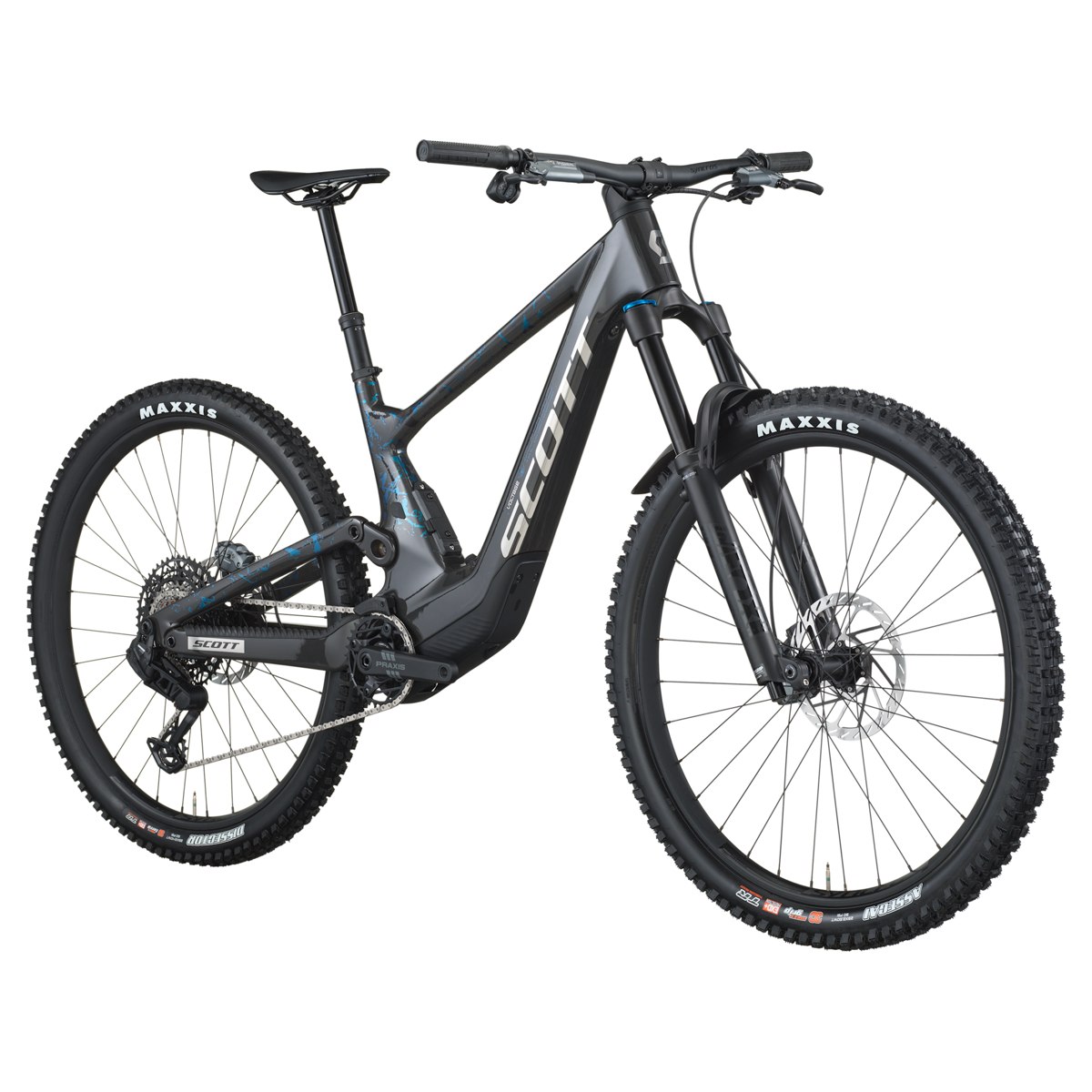
This guide focuses on the current Voltage 910, reference 425590, with TQ HPR60. SCOTT retains Voltage eRIDE in the family presentation, but newer product sheets simplify the name. Identify the product reference to avoid confusing older offers with current equipment.
Our analysis uses official sources and buying criteria; we have not conducted a ride test. Assess the bike on a familiar route and observe how much effort you want to contribute, how you move through changes of direction and what happens when you must push it. Deciding on weight or motor torque alone leaves out much of the experience you are buying.
HPR50 and HPR60: the name Voltage is not enough
The first Voltage eRIDE models used HPR50. The presentation of the SCOTT family now covers both systems, rated at 50 and 60 Nm respectively, and retains descriptions of earlier builds. A generic TwinLoc or fork description should therefore not be applied automatically to every Voltage on sale.
To identify an offer, request the full product reference and a photograph of the actual bike. Then check motor, battery, suspension remote and components against its specification. When buying used, purchase date does not necessarily identify model year: an older bike may have sold months after launch.
I would not dismiss an HPR50 just because a later version exists. A useful comparison includes condition, final price, warranty or sale terms and the assistance you need. An earlier bike suiting your rides may still appeal. What you should avoid is paying for an update implied by the advert but absent from the bike. Clarify the difference before reserving it.
Advertisement / sponsored link
How to test HPR60 assistance
TQ announces for the HPR60 up to 60 Nm and 350 W maximum power. These are system characteristics, not a measure of the effort each climb will require. Gradient, selected gearing and pedalling style matter far more to the practical decision than repeating those two figures.
The test should include a sustained climb and a slow section requiring a restart. On the first, see whether you can maintain your desired pace without turning a comfortable ride into excessive training. On the second, check whether you can anticipate the response and position the bike. You need not ride above your ability to answer these questions.
If you normally ride with users of high-assistance bikes, agree a pace beforehand. Following someone constantly accelerating does not fairly assess your needs. Decide how much effort you want to sustain for hours and check whether the complete bike supports that choice. The aim is a purchase compatible with your companions and regular rides.
360 Wh inside and 160 Wh outside: two riding configurations
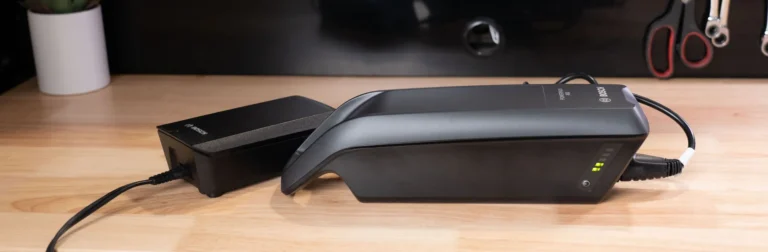
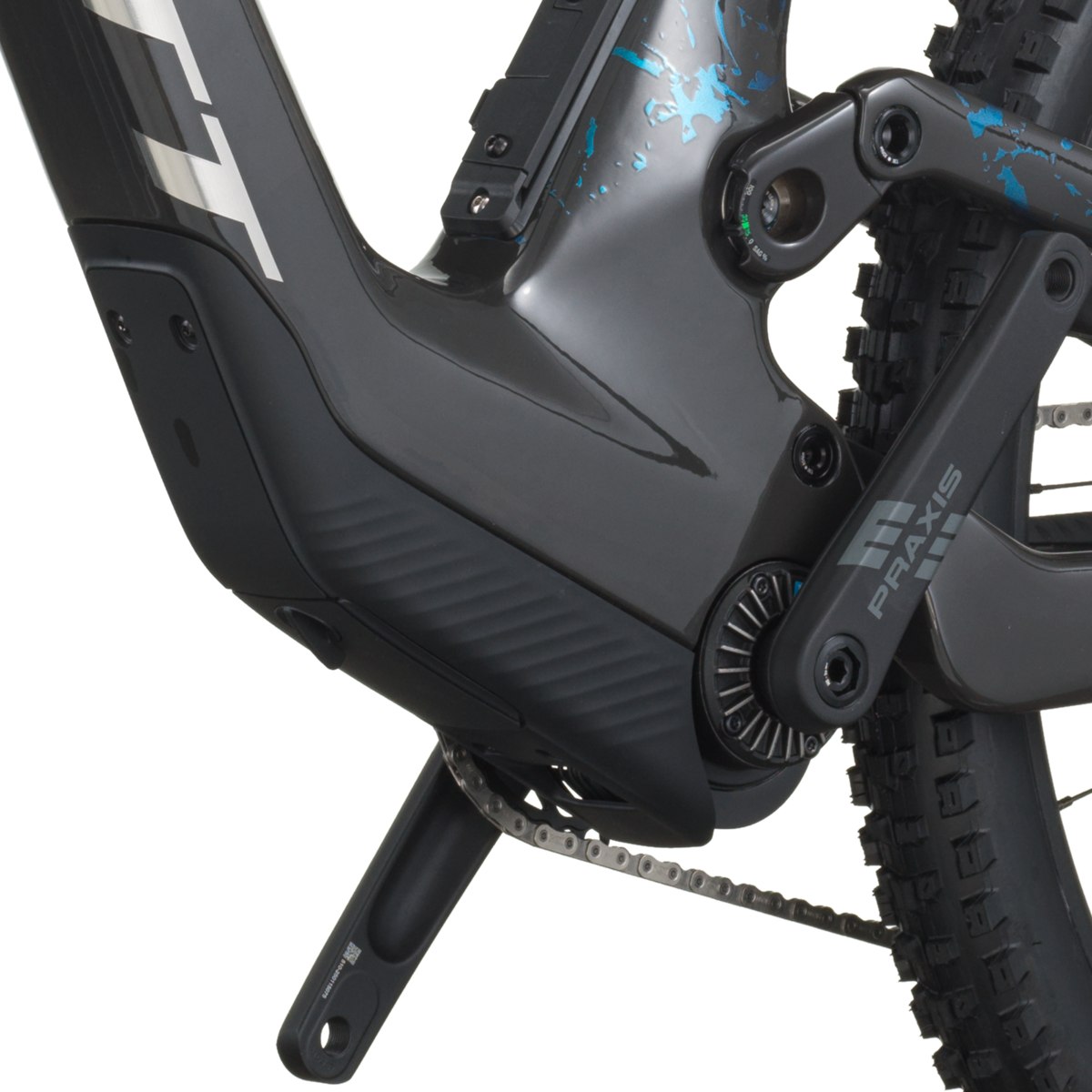
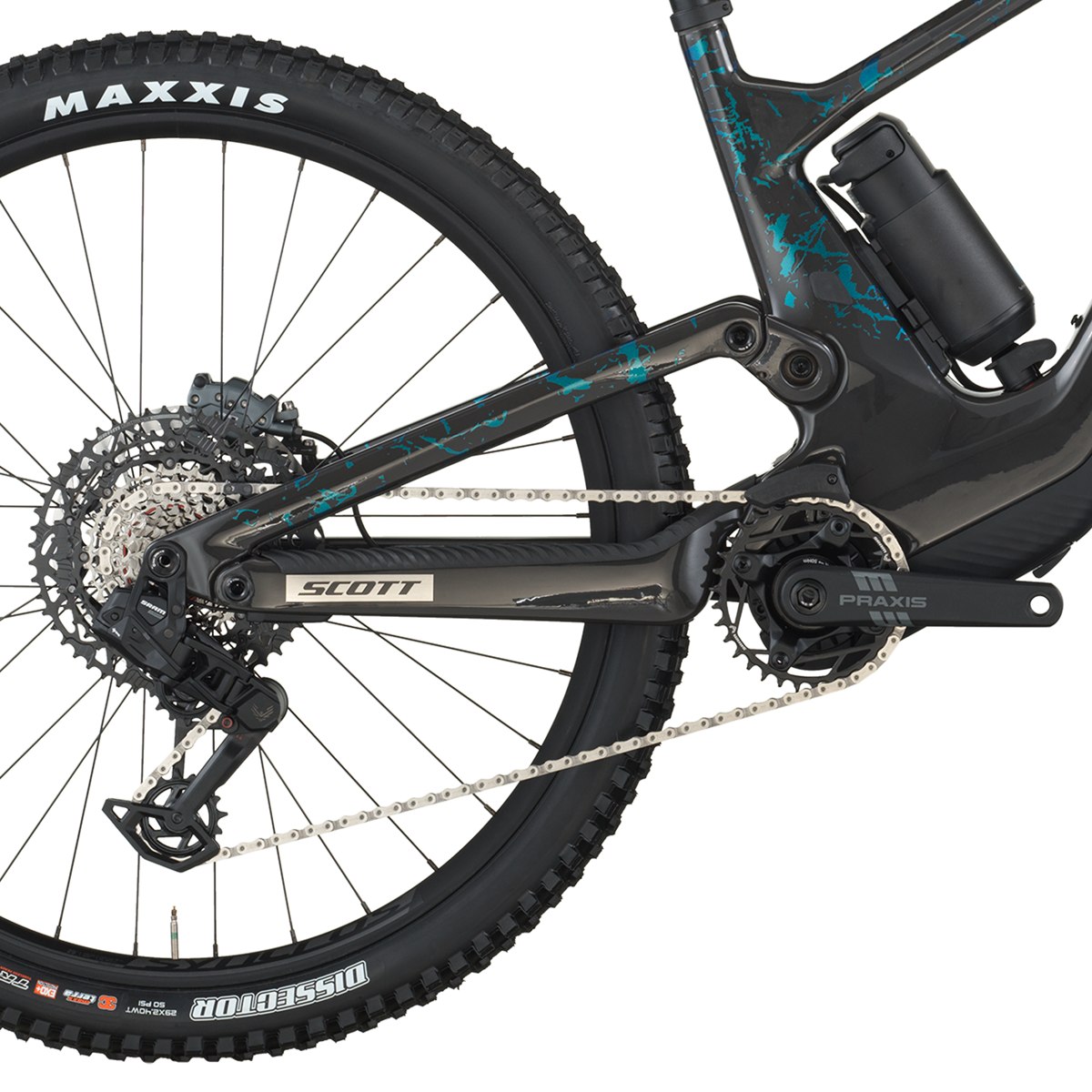
The Voltage 910 includes an internal 360 Wh battery and a 160 Wh extender: 520 Wh nominal capacity combined. The Spanish product page confirms both items. Check that the quote also includes the appropriate mount and connections; do not infer this from a catalogue photograph in a third-party advert.
Prepare two practical configurations: one for a short loop you can easily shorten and one for a long day needing more reserve. Before leaving, choose which to use and check space for your actual water and tools. Avoid trying a new accessory layout immediately before an unfamiliar ride.
As a calculation example, reserving 20% leaves 288 Wh from the internal battery or 416 Wh from the complete setup. This margin illustrates planning; it is not a universal recommendation or measured range. I would be more cautious on a route without exits than near home. Watt-hours budget energy; they do not guarantee kilometres.
Advertisement / sponsored link
Learn your consumption on a reference ride
Choose a familiar loop and a repeatable configuration. Record whether you carry the extender, the predominant mode, start and finish charge, and circumstances that changed the ride. No complex spreadsheet is needed: four accurately recorded details help more than vaguely remembering remaining bars.
On the next ride, change only what you want to assess. To compare with and without an extender, keep route and intended effort similar. To test another assistance setting, keep everything else stable. Still treat results as personal observations: wind, stops and terrain introduce differences.
After several rides, you will have your own reference for when to fit the extender and how much reserve to keep. Do not extrapolate a flowing track to a day of technical climbs simply because distances match. Explore this approach further in our guide to range, elevation gain and consumption. Useful information helps you return with peace of mind, rather than recording a maximum distance once achieved by running the battery down.
Advertisement / sponsored link
Hidden rear shock: learn access before you need it
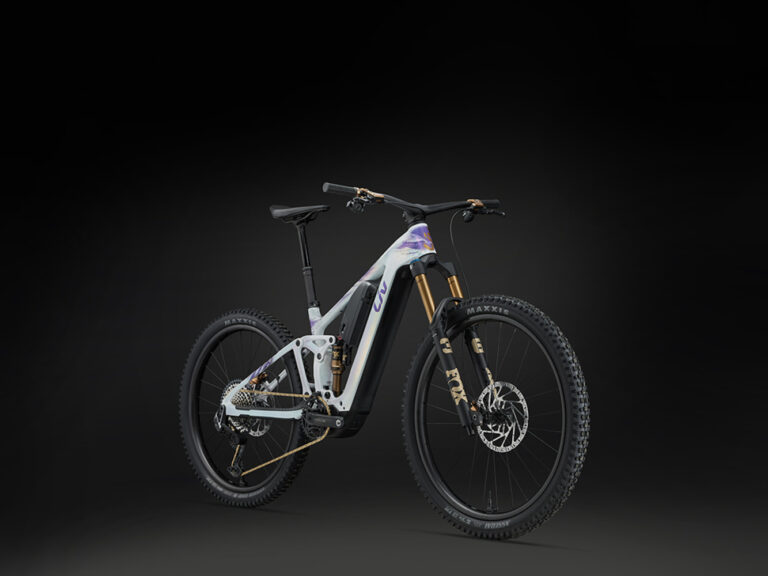
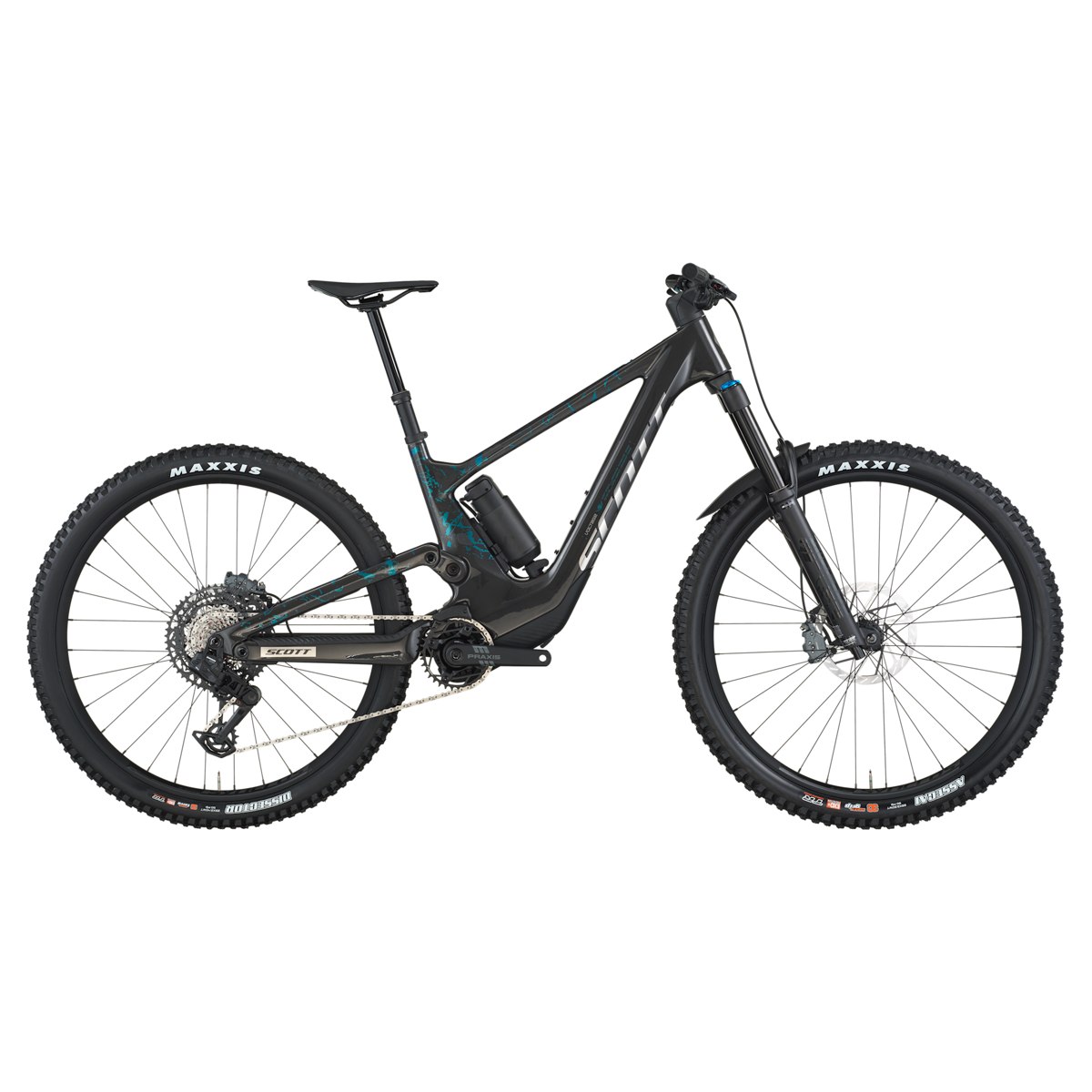
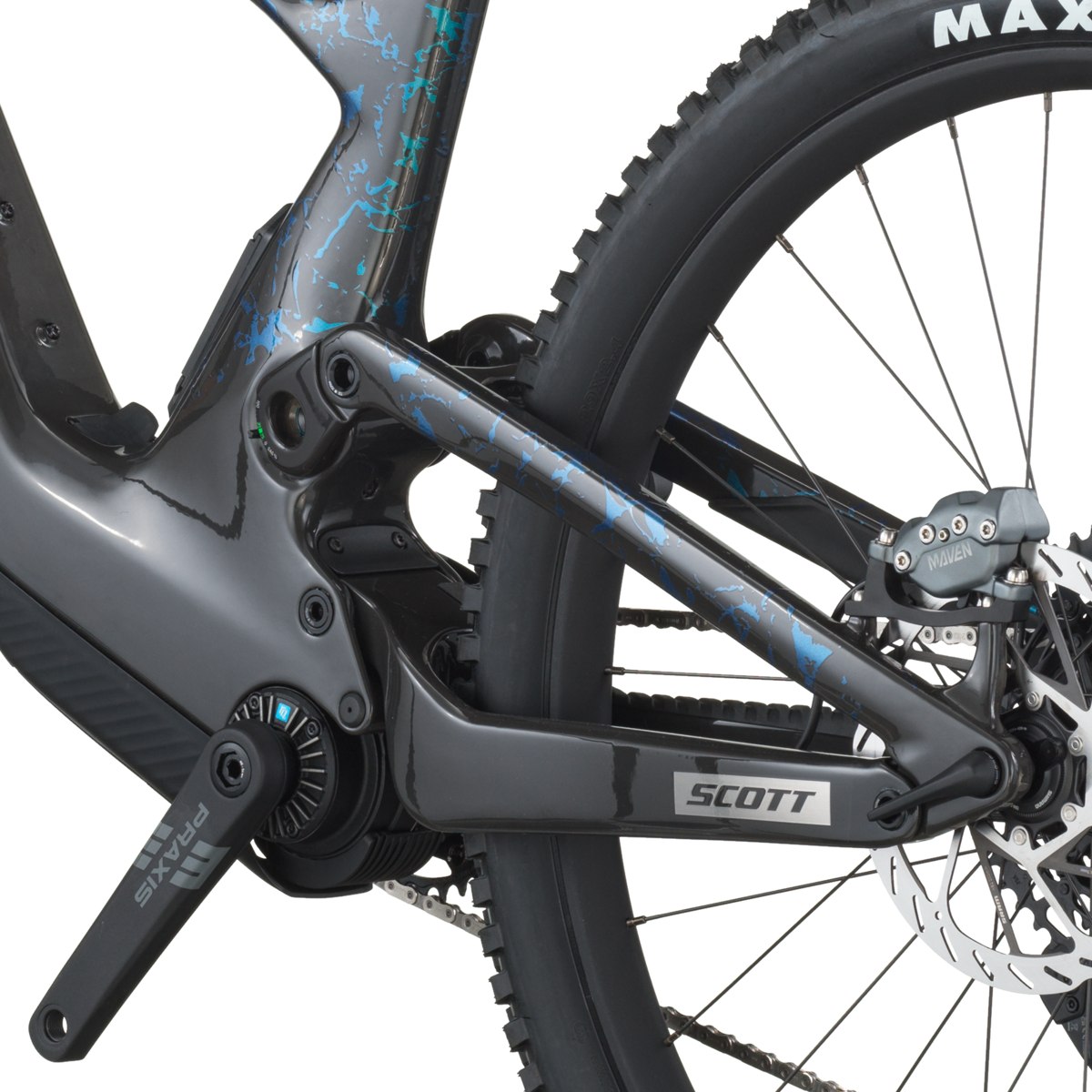
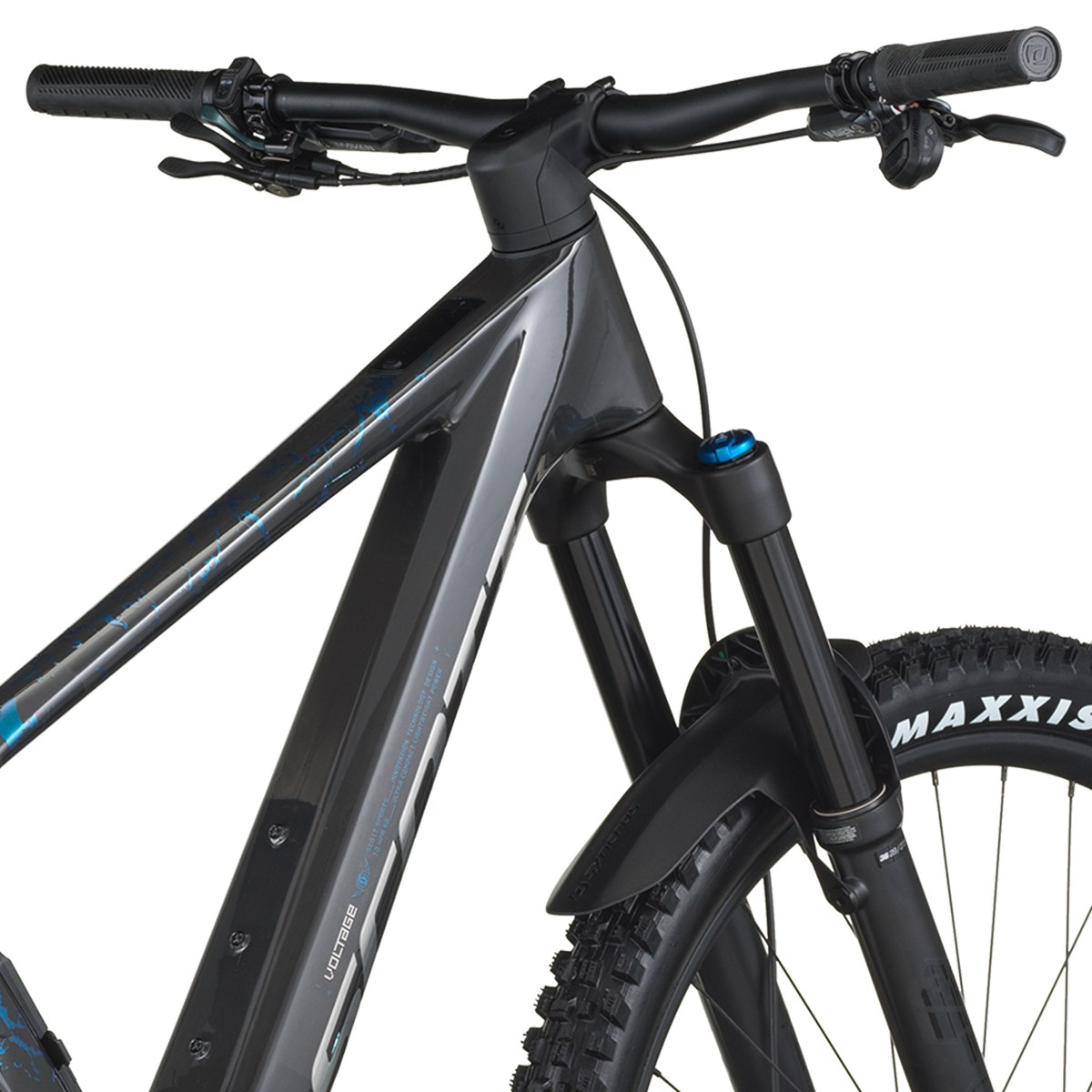
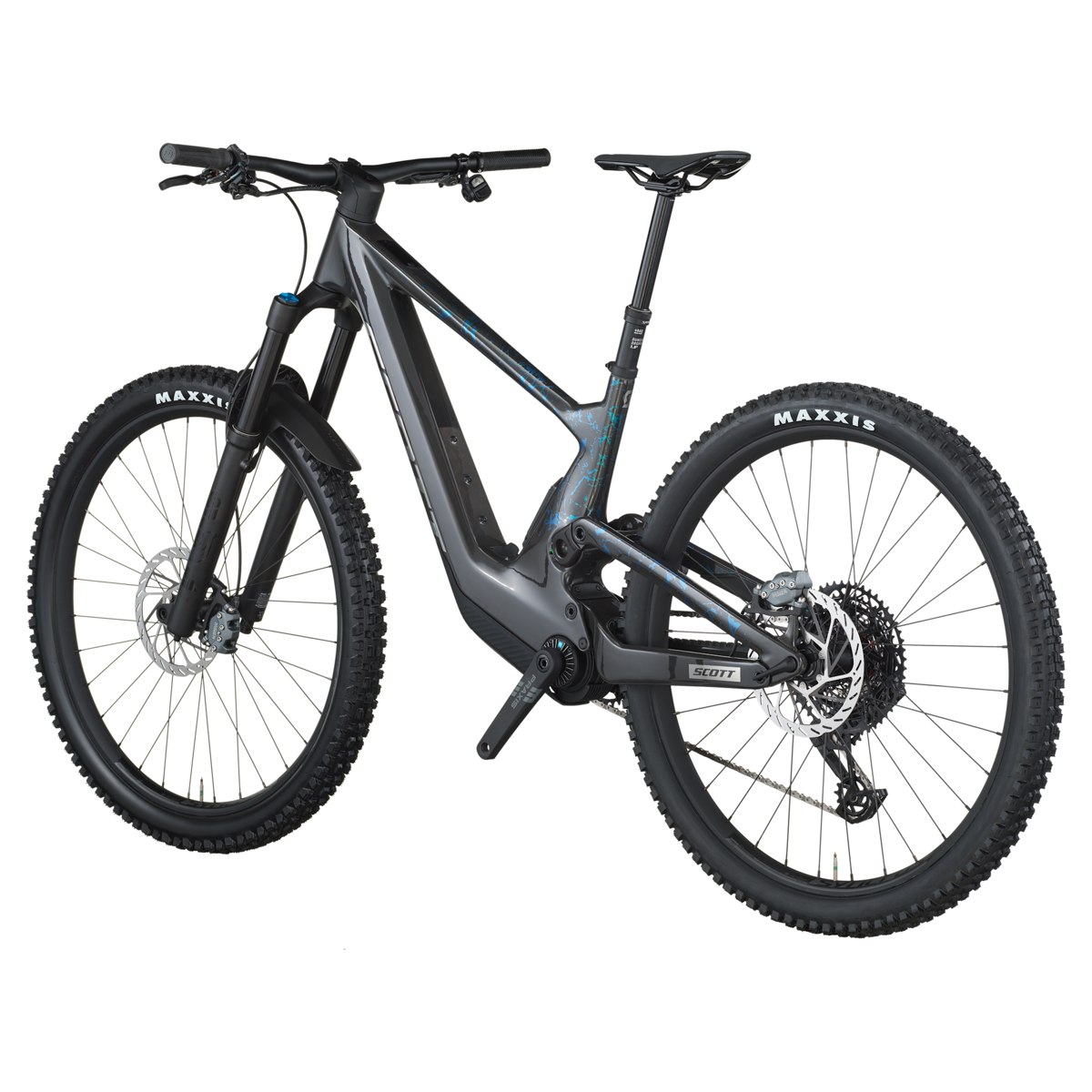
Integrated suspension is one of the defining choices in this family. SCOTT describes access through a hatch and an external sag indicator. The technical presentation of Voltage shows the concept. Do not assume clean looks remove the need for maintenance checks.
Request a demonstration on the actual bike: open the access hatch, locate adjustments, connect the pump and close it correctly. Learn approved user operations, rather than dismantling the system out of curiosity. Also identify workshop-only tasks and keep the instructions for your product reference.
If you frequently adjust suspension between rides, how easily these operations can be repeated may greatly affect satisfaction. If you rarely touch the controls, good initial setup and a workshop familiar with the system matter more. Neither preference is wrong. What matters is that the frame's appearance does not conceal a routine you later find inconvenient.
TracLoc on the 910: learn what each remote operates
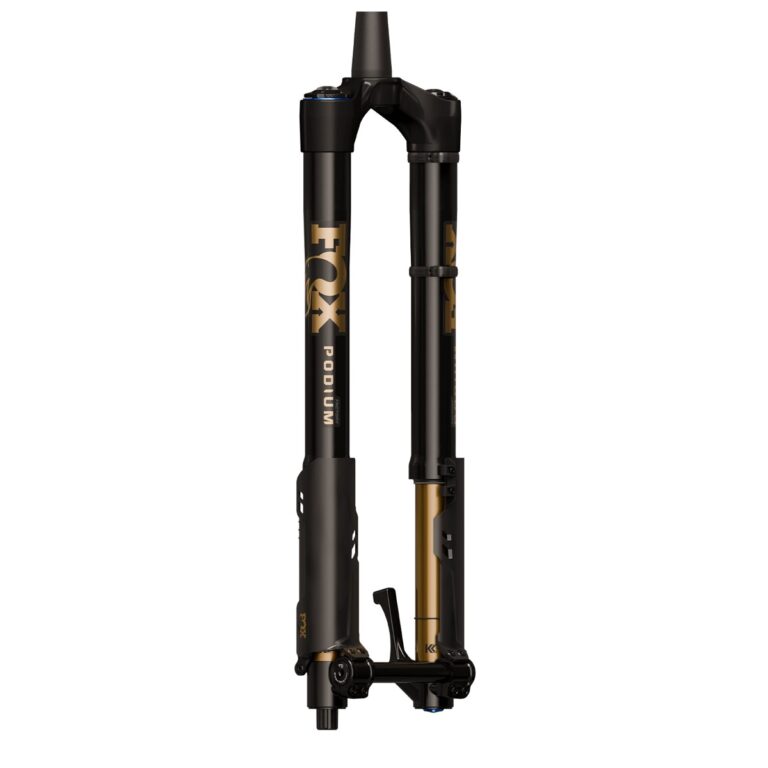
The Voltage 910 examined uses a FOX 36 Rhythm fork and FOX Float X NUDE rear shock, with 160 and 155 mm of travel respectively. Its specification lists TracLoc for the rear suspension and dropper post. It is incorrect to describe this reference as necessarily using the TwinLoc found on other Voltages.
At handover, locate each control without looking down and check operation with your normal gloves. Ask for an explanation of suspension positions and when to restore the appropriate descending setting. Then practise somewhere easy before adding the action to a difficult section.
If the handlebar seems crowded, review clamp positions with the shop. Comfort depends on using brake, dropper and assistance without unnecessary hand movement. Do not copy a photograph's angles: your fingers and posture may need another position. Familiarity with multiple controls is as much part of setup as saddle height.
The weight that matters is your ready-to-ride bike's
SCOTT states approximately 19.9 kg for the 910 set up tubeless without the extender, which it lists at 1.1 kg. Do not apply the family page's 17.9 kg SL figure to this version. Adding the extender to the 910's figure gives approximately 21 kg before differences and accessories on the actual bike.
To compare offers, ask for weights measured on the same basis. A bike without pedals or extender cannot be compared without explanation to one ready to ride. Include water, tools and the items you always carry in your assessment. This is not about chasing a minimum figure: it is about knowing what you must move.
Test stationary handling in a controlled way. If stored behind another bike or moved over a small step, that repeated action may matter more than a subtle difference while pedalling. Get help when needed. A bike manageable in everyday life prevents an anticipated ride becoming a task you keep postponing.
Position, dropper post and room to move
Size selection should include checking the dropper post at your required height. Have it adjusted before testing and check saddle position when lowered. On a trail bike, room to change position matters as much as seated pedalling comfort.
Also check handlebar reach as gradients change. Describe difficulty bending your arms, excessive weight on your hands or constantly seeking another grip position. These observations help assess size and settings; they do not alone establish an injury or frame defect.
When comparing two bikes, avoid one having a clearly higher saddle or different lever position. A handover detail can bias the whole test. If the cockpit needs changes, get a quote before buying. The true cost includes a suitable riding position, which does not always require the range's most expensive build.
Can an HPR50 be converted to HPR60?
TQ explains in its compatibility document that the HPR60 shares architecture with HPR50, but integration and software need attention. With HPR50 software the power is limited to 300 W. Such documentation does not constitute universal approval for the transformation of any bicycle.
If you already have a previous Voltage, start with a query to the distributor with its reference and serial number. Ask for a response on mechanical compatibility, wiring, software, necessary parts and service conditions. Do not buy a motor separately assuming that the entire intervention consists of replacing an externally similar piece.
Then compare the full cost with the specific improvement sought. If your main difficulty is range planning, replacing the motor may not solve it. If you need different assistance delivery, first ask about options in your current system. Base an upgrade on an identified need, not the expectation that a higher figure automatically changes every sensation.
What a compelling offer should include
We do not set a universal Voltage price: offers depend on product reference, season, size and retailer. Compare dated quotes describing everything included. For the current 910, specifically document the extender, mounting hardware and suspension preparation.
Before collection, request a demonstration of switching on, controls, charging and checking system status. Ask how faults are handled and where the integrated suspension is serviced. An identified point of contact is more useful than accumulating specification screenshots.
Advertisement / sponsored link
For a used bike, also check available history and general condition. A battery powering on does not itself show remaining capacity, just as a clean frame does not document maintenance. Request an inspection proportionate to the purchase value and avoid treating one symptom as a definitive diagnosis. Clarity about the actual bike matters more than a long description repeating the catalogue.
Voltage FAQs
Is it suitable for riding with higher-assistance bikes?
That depends on the agreed pace and effort you want to contribute. I would test it on a representative climb with your companions. Different motors need not separate a group, but nobody should promise everyone the same effort at any pace.
Would you always carry the extender?
I would decide by route and return reserve. A simple setup for short rides and another for long days makes use of the system's flexibility. Always check attachment and connection according to SCOTT and TQ instructions.
Would you choose a previous Voltage with a discount?
I would consider it if condition, assistance and total cost suit me. First identify the exact motor and build. A discount can only be assessed after establishing which bike is sold and what setup costs may follow.
The Voltage 910 is a sensible candidate for riders wanting to contribute actively to pedalling and prioritising a manageable trail bike. Base the decision on an assistance test, an integrated-shock demonstration and energy planning repeatable on your own routes.
Sources and documentation
Information checked on September 8, 2026. Photographs belong to the identified manufacturers; specifications and availability may vary by market. Editorial analysis, not our own ride test.
Have you used this bike, motor or component?
Join eRIDERSeMTB on Telegram to discuss real experiences with other riders: Bosch, Avinox, Shimano, deals, faults and buying decisions. The community currently speaks Spanish.
Join TelegramAdvertisement / sponsored link
Advertisement / sponsored link
Advertisement / sponsored link