Shimano EP810: 100 Nm, less weight and next-generation automatic shifting
New release · eMTB PRO
The EP801's successor drops to 2.3 kg and raises peak output to 750 W. True Auto is its big pitch, but the new Orbea Rise shows why not every EP810 bike will deliver that power.
Advertisement / sponsored link
Shimano is back in the fight, with more than just watts
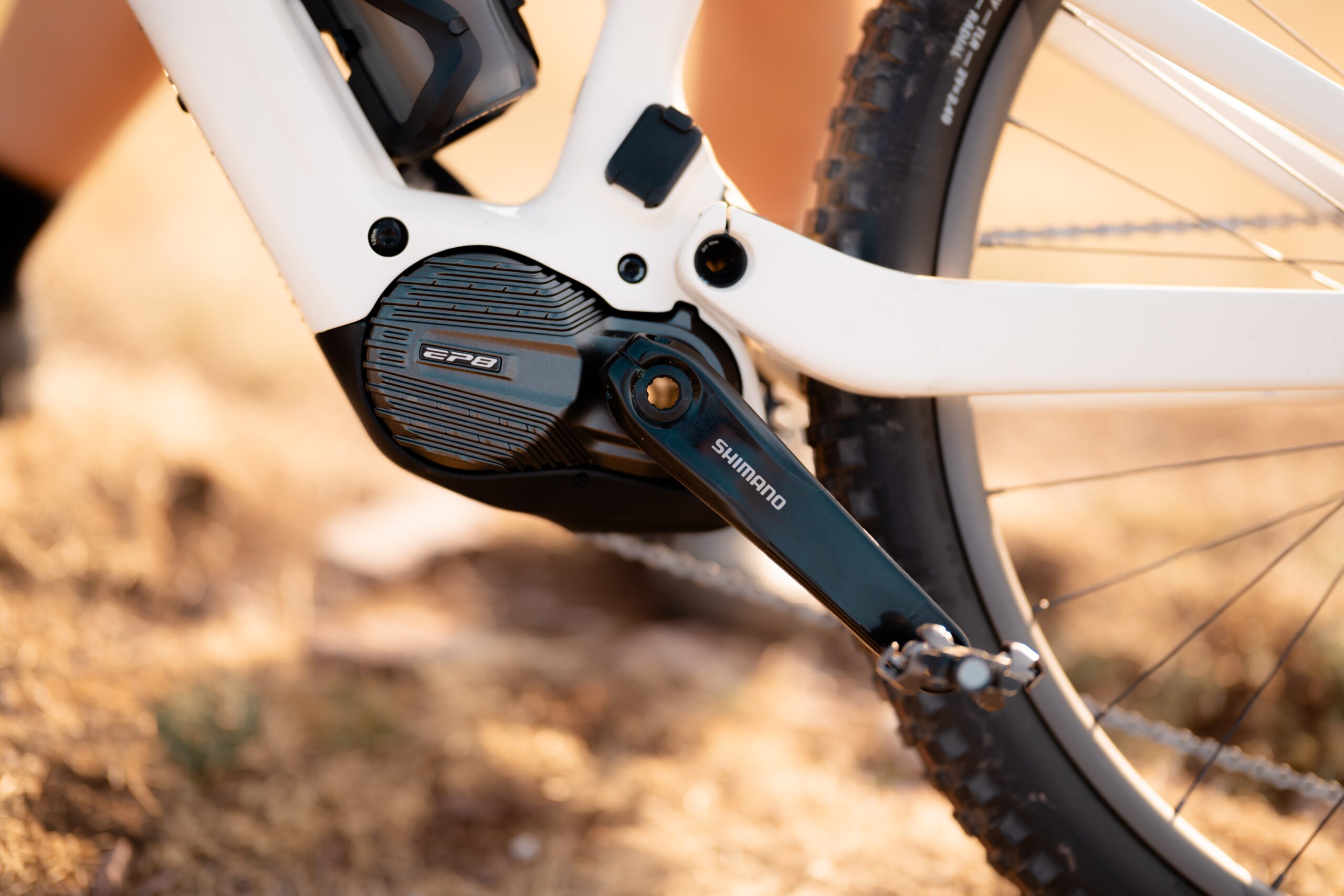
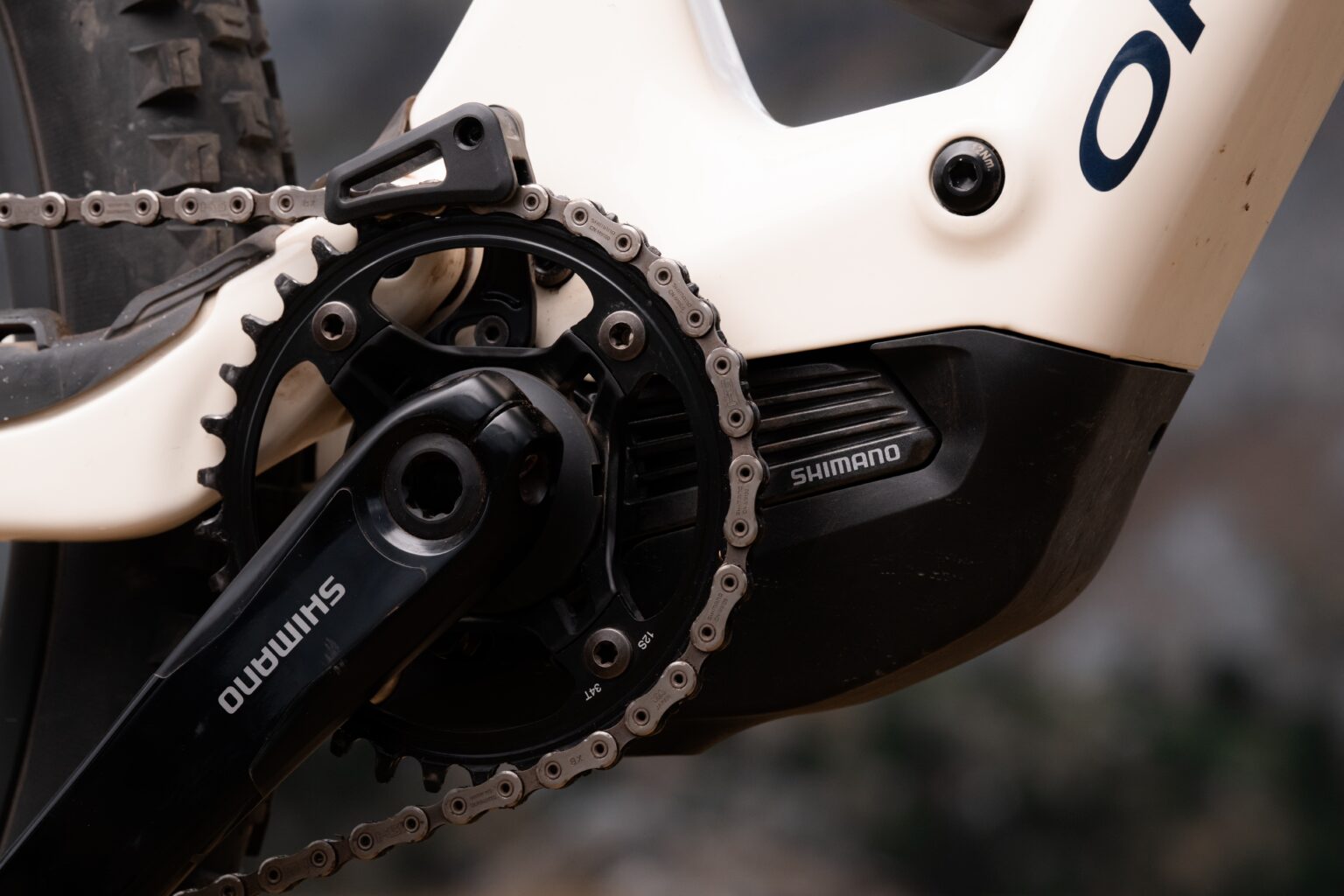
Shimano has introduced the EP810: up to 100 Nm, 750 W peak power and a 2.3 kg drive unit. It replaces the EP801 and is an important launch for anyone considering a new eMTB. But the changes go beyond extra power: Shimano brings adaptive assistance and automatic shifting together under the name True Auto. The aim is to coordinate your pedaling, the drivetrain and the terrain more effectively.
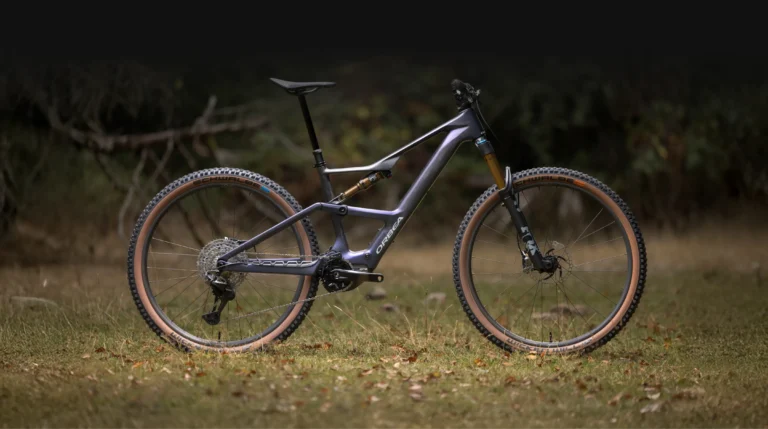
There is an important detail to understand from the outset. The new Orbea Rise uses EP810 RS and is rated at 600 W, not 750 W. That is not a typo: Shimano's system maximum is one thing, and each bike manufacturer's configuration is another. The distinction sums up how to read this launch: motor, battery, software and build form one package.
The official EP810 announcement takes us beyond the early references that appeared around the Honda RN0. Here we focus on the complete system and what changes for buyers. Our take: Shimano has compelling new arguments on weight and integration, without trying to top every power ranking.
Against the EP801: 400 grams lighter and 25% more peak power
The starting point is straightforward. The official DU-EP801 specification lists 85 Nm, 600 W maximum output and 2.7 kg. Against those figures, the EP810 adds 15 Nm, raises the power ceiling by 150 W and cuts claimed motor weight by 400 grams. The 25% in this section's heading compares 750 with 600 W; it does not mean climbing 25% faster.
| Fact | EP801 | EP810 |
|---|---|---|
| Maximum torque | 85 Nm | 100 Nm |
| Maximum power | 600 W | 750 W |
| Drive-unit weight | 2.7 kg | 2.3 kg |
The 400-gram saving is a reduction of almost 15% in drive-unit weight. That margin can make a bike lighter or allow a tougher build elsewhere, but it does not mean that every new model will weigh 400 grams less: the battery, wheels and tires still count. This is a design improvement, not a measurement of a complete bike's weight.
If you already own an EP801 that works well, this announcement does not suddenly make your bike a bad product. The question is whether you lack assistance in specific situations, or actually need more range, different geometry or better suspension. The EP810 is a new drive unit; we are not presenting it as a software update that transforms your existing EP801.
Advertisement / sponsored link
True Auto: assistance and shifting are not the same thing
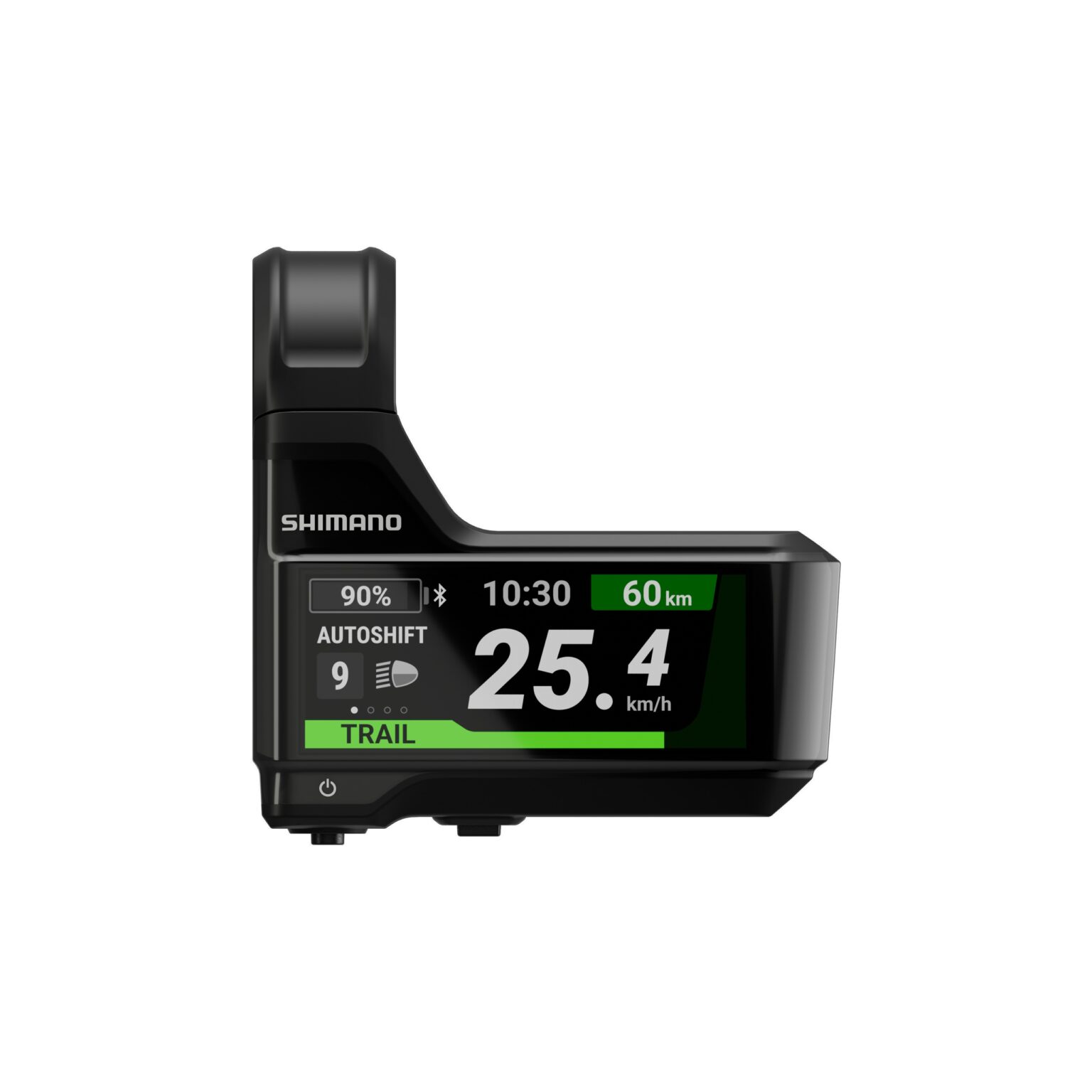
True Auto combines two different decisions. AUTO ASSIST adjusts motor assistance in TRAIL+ mode, while AUTO SHIFT Gen 3 selects the gear. Coordinating the two is interesting, but a shared marketing name does not mean every bike includes both functions.
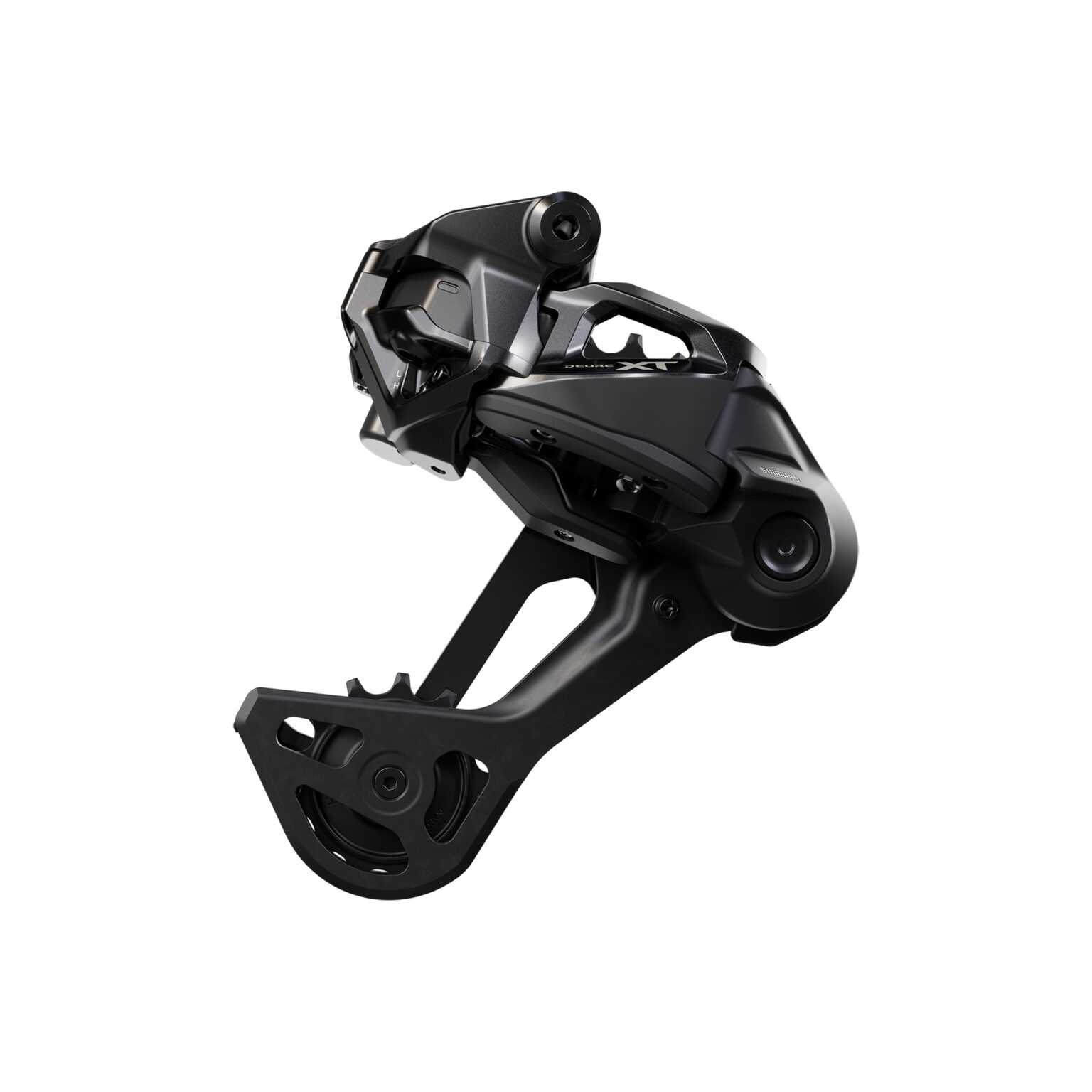
Shimano says the latest AUTO SHIFT generation adds motion and gradient information to its pedaling inputs. The essential requirement is a compatible Di2 derailleur. An EP810 bike with mechanical shifting does not gain automatic shifting simply by using the same motor. That distinction belongs in the comparison between builds, rather than becoming a surprise after purchase.
| Function | What matters |
|---|---|
| AUTO ASSIST | Adjusts assistance in TRAIL+ to match rider effort and terrain. |
| AUTO SHIFT Gen 3 | Selects gears; requires a compatible Di2 derailleur. |
| FREE SHIFT | Allows shifting without pedaling with the appropriate Di2 system; it is not automatic assistance. |
| Hill Hold | Helps hold the bike in position when you stop on a slope with walk assist active. |
Automation also helps when a climb comes to a halt. Hill Hold helps hold the bike in position with Walk Assist active. Lift & Shift prepares a lower gear for restarting: Shimano describes holding the assist-down button to enter walk mode, lifting the rear wheel and double-pressing the button. This is a function of the system with compatible shifting, not a standalone parking brake for leaving the bike unattended on a slope.
Two other assistance features target technical sections. Assist Remain smooths the continuity of assistance when pedaling becomes uneven or briefly drops; Assist Carry Over briefly continues support after you stop pedaling. Shimano allows its duration to be adjusted. The first feature aims for consistent assistance when your effort becomes uneven; the second maintains momentum over an obstacle. Both should be distinguished from the algorithm that selects gears.
Shimano already offered AUTO SHIFT in its previous ecosystem. The EP810 news is the third generation, with an updated algorithm using cadence, torque, speed and gradient information, and its coordination with AUTO ASSIST. The release also describes adjusting cadence preference on the bike itself, without opening the app every time.
Orbea Rise: why the biggest number does not settle the purchase
The Orbea Rise MY27 is a particularly revealing application. Its EP810 RS retains up to 100 Nm but is rated at 600 W. Orbea uses its own tuning to balance assistance with a lightweight character. Seeing a Rise in Shimano's launch photos therefore does not justify assigning it the generic motor's 750 W output.
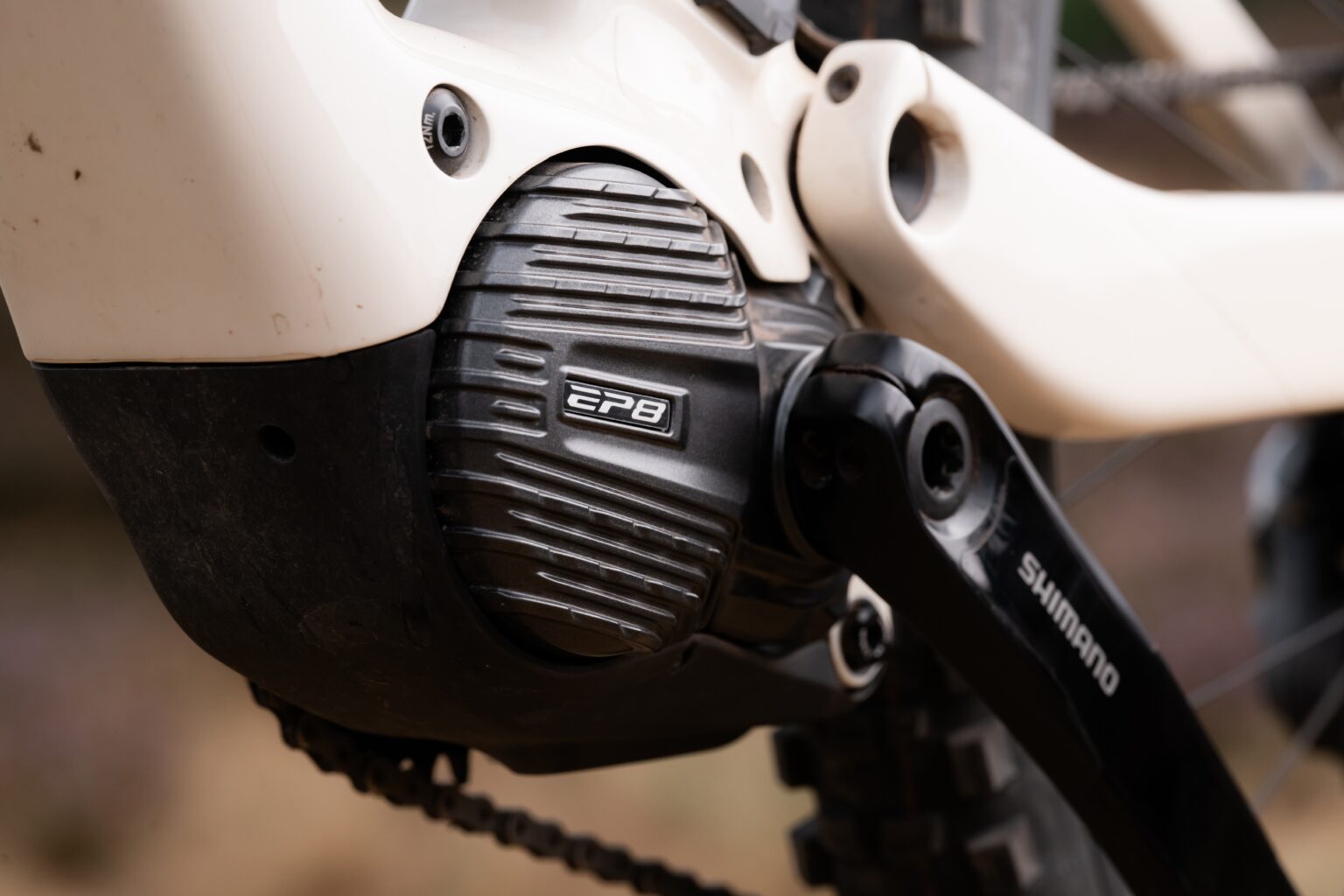
100 Nm and 600 W are not contradictory. Torque describes rotational force, while power also depends on rotational speed. Retaining the same maximum torque while limiting power allows a different assistance tune; the two figures do not mean that both maxima are delivered simultaneously at every cadence. The RS approach focuses on supporting the rider's effort rather than pursuing the generic 750 W peak.
Orbea lists the Rise SL from around 17 kg, depending on configuration. That is a complete-bike weight, whereas Shimano's 2.3 kg refers exclusively to the drive unit. This application is interesting because it takes a different path from larger-battery eMTBs with heavier equipment: retaining a lightweight trail package while using a motor capable of up to 100 Nm.
The difference between SL and LT helps put the motor's role in context. The SL is a trail bike with 140 mm of travel front and rear; the LT moves to 160 mm at the front and 150 mm at the rear. The same EP810 RS can therefore form part of two bikes with different priorities. A 600 W tune does not, by itself, dictate an eMTB's travel or intended use.
Battery, display and remote: a key part of the buying decision
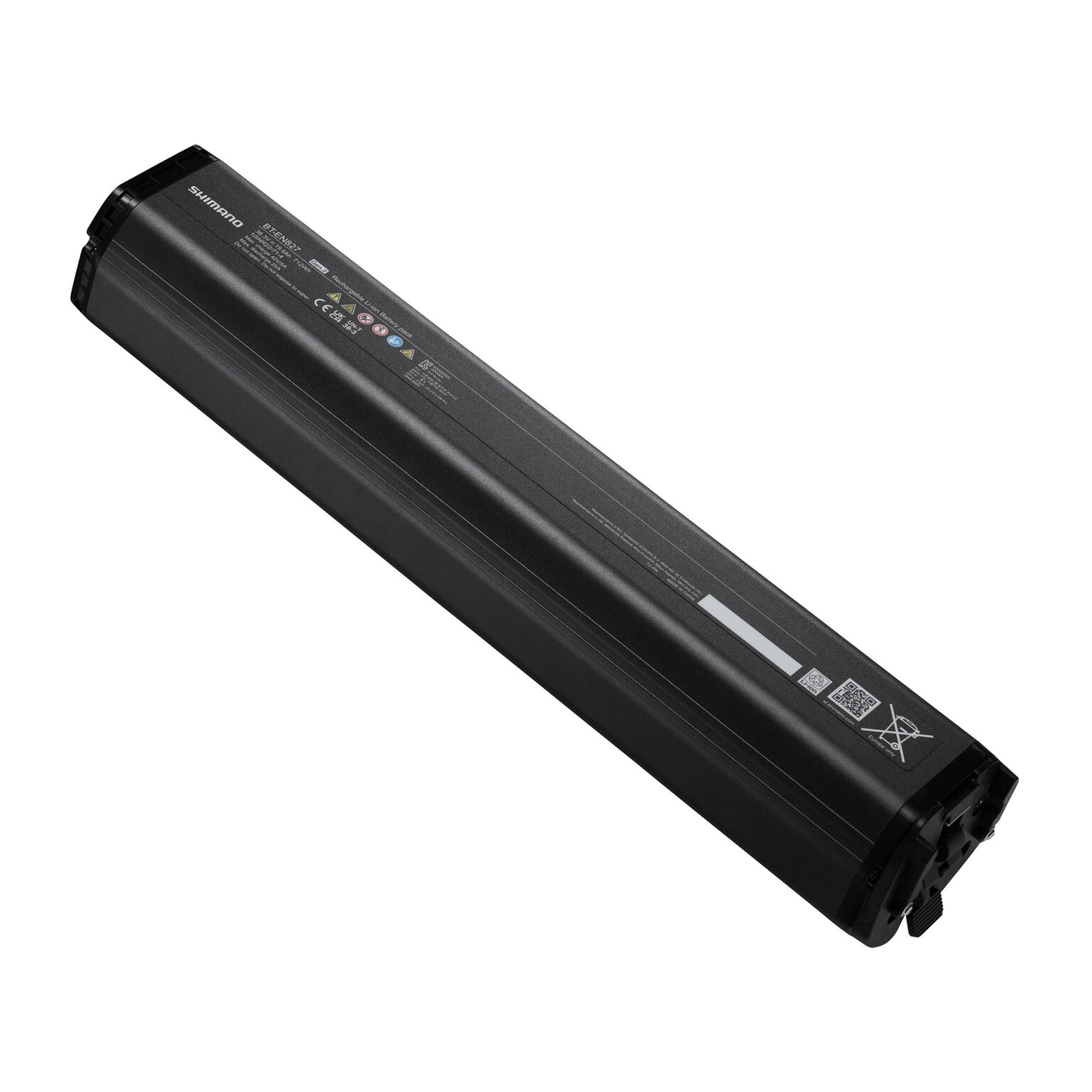
Shimano's system includes a 720 Wh BT-EN827 battery, the SC-EN700 top-tube display and the 2.2-inch SC-EM810 handlebar display. These are options within the announced ecosystem, not a mandatory equipment list for every bike. A bike manufacturer may choose a different approach to integration, as Orbea does.
Advertisement / sponsored link
Advertisement / sponsored link
The Rise, for example, offers 420 or 630 Wh internal batteries and a 210 Wh range extender. The 840 Wh total comes from adding 630 and 210, not from a third, 840 Wh internal battery. It is a small distinction on a spec sheet, but an important one when deciding how to charge the bike, how much weight to carry every day and when to use the extender.
Shimano's new BT-EN827 has a claimed weight of approximately 4.1 kg and a voltage of 43.2 V. Its 720 Wh is not a mileage promise: it describes the pack's energy capacity. It does, however, frame a practical build choice: a large integrated battery carried on every ride, or a smaller-capacity solution with an extender for longer days. The Rise uses its own setup; this Shimano battery is not mandatory.
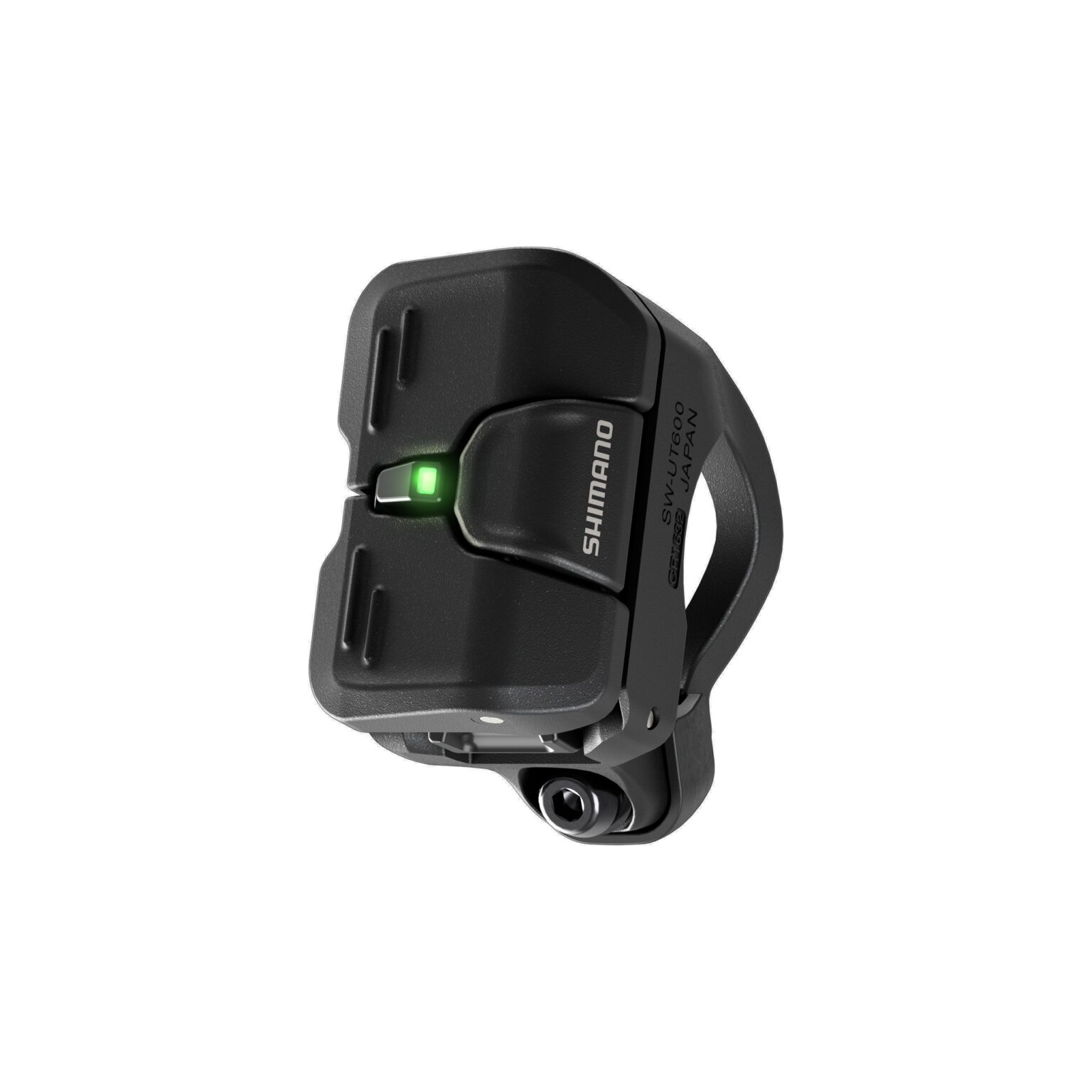
Shimano's control options include the wireless SW-UT600-LR, with three buttons and left- or right-side mounting. The SW-EN601-L is the wired alternative. That choice lets a manufacturer arrange the cockpit with or without a control cable. Orbea takes a different approach: on RS builds, its RS HMI brings assistance control and smart dropper functions together in one interface.
One compatibility change deserves particular attention. Shimano introduces D-FLY+ and states that it is not compatible with previous D-FLY systems; Shimano supports it on the EP810 Series and later platforms. That does not prove that no older component can be reused, but it rules out treating the new connectivity as a universal upgrade for the previous system. The official release links to compatibility documentation for checking individual components.
SHIMANO CONNECT brings together customization, ride tracking and updates for compatible components. The renewal also extends to charging: the BT-EN827 is supported by the announced 2 A EC-EN832 and 4 A EC-EN834 chargers. The latter is the faster of the two options; its current rating is neither a measured recharge time nor proof that any previous charger works with the new battery.
Against Bosch and Avinox: competitive does not mean best at everything
If the question is who claims the most force, the EP810 does not lead the table. The Bosch Performance Line CX BDU384Y can reach up to 120 Nm and 750 W under its supported update and configuration conditions. Avinox places the M2S higher on maximum figures, with important differences between regular modes, Boost and the battery used.
| System | Figures and the key condition |
|---|---|
| Shimano EP810 | Up to 100 Nm and 750 W. The bike's configuration may be lower. |
| Orbea EP810 RS | Up to 100 Nm and 600 W in the new Rise. |
| Bosch CX BDU384Y | Up to 120 Nm and 750 W, depending on the supported update and configuration. |
| Avinox M2S | 130 Nm in regular modes and up to 150 Nm in Boost. Peak output of 1500 W with FP700 or RS800; 1300 W with FS600 or FS800. |
The M2S conditions come from Avinox's official technical FAQ. Leaving out the battery would make for a dramatic but unhelpful comparison: assigning 1500 W to every M2S-equipped bike would be wrong. Nor are these figures power curves measured under one common protocol, and they do not tell us how long each output can be sustained.
The comparison is straightforward: Avinox M2S retains the highest claimed assistance figures, while the EP810 offers a 2.3 kg drive unit and an explicit focus on coordinating motor and shifting. Specifications do not establish which system consumes less energy or sustains power better on a long climb. That requires equivalent test routes and conditions, not another rearrangement of brands in a table.
That distinction also helps when reading our CUBE, Amflow and Propain comparison: two bikes sharing a motor family can differ decisively in suspension, drivetrain, battery and price. The EP810 adds another option to that decision; it does not replace comparing the bikes you can actually buy.
Who should wait for the EP810?
The EP810 gives upcoming Shimano-powered eMTBs genuine new appeal. Compared with the EP801, the claimed gains in weight and power are clear. Against the wider market, its most interesting pitch is a lightweight unit with adaptive assistance and, where the build supports it, automatic shifting. It does not need the highest wattage to make sense.
- Your current EP801 does the job: this announcement does not force you to replace your bike. The tangible improvement is a drive unit with lower claimed weight and higher claimed output. True Auto only justifies waiting if you also want a compatible build that makes use of it.
- You want a lightweight trail bike: look at the Rise's EP810 RS application. Its 600 W tune and battery options show that you can prioritize agility and onboard energy without choosing Shimano's highest peak-output figure.
- You want fewer shifting decisions: prioritize an EP810 build with compatible Di2. AUTO ASSIST with mechanical shifting is not AUTO SHIFT; the component that separates those purchases is the drivetrain, not the motor sticker.
- Maximum assistance is your overriding priority: compare Bosch and Avinox with their configuration and battery conditions in mind. The EP810 does not lead the table's maximum figures, and we do not need to pretend otherwise to make it an interesting alternative.
The release does not give one universal system price: it says OEM and aftermarket prices vary by market and specification, as do timing and model availability. The next decisive information will therefore be each equipped bike's price, not an improvised conversion of a European price into dollars.
Today's conclusion: Shimano is back with something more substantial than a software promise. There is a new drive unit and a clear product direction. Now we need to see which brands build the best bikes around it. That is the comparison that matters: not just 100 Nm against another number, but which bike you want to ride every weekend.
Sources and documentation
Information checked on November 6, 2026. Editorial analysis based on official documentation, not our own trail test. Equipment and availability may vary by market.
Advertisement / sponsored link
- Shimano: launch release, system details and D-FLY+ compatibility
- Shimano: official EP810 system announcement
- Shimano: DU-EP801, 85 Nm, 600 W and 2.7 kg
- Shimano: current technical documentation and specifications
- Shimano: AUTO SHIFT technology
- Orbea: the new Rise and EP810 RS system
- Bosch: Performance Line CX BDU384Y
- Avinox: official M2S figures and conditions
Have you used this bike, motor or component?
Join eRIDERSeMTB on Telegram to discuss real experiences with other riders: Bosch, Avinox, Shimano, deals, faults and buying decisions. The community currently speaks Spanish.
Join TelegramAdvertisement / sponsored link
Advertisement / sponsored link
Advertisement / sponsored link