Orbea Rise 2026: SL or LT, battery options and RS Control explained
Technical guide · eMTB PRO
Two approaches to eMTB riding, several battery options and electronics worth understanding. Which carbon Rise suits your rides, and what should you check before buying?
Advertisement / sponsored link
First the route; then the acronyms
Buying a Rise for its colour, discount or LT label can leave you with a great bike that is wrong for you. The useful question is different: what do you want to improve over your current bike? If you want to finish a long ride less tired, your priorities differ from those of someone linking demanding descents with assisted climbs.
This guide focuses on the Carbon Rise SL and LT from the 2026 catalogue. We do not extrapolate their data to every aluminium Rise or other generations. Nor are we announcing a debut today: RS Control was introduced in September 2025. Here we organise current information to help you buy better, without claiming test kilometres we have not ridden.
Our starting rule: choose the platform for your terrain, the battery for logistics and components for your needs. Reversing that order often means paying for a flashy drivetrain while lacking useful range, the right size or suitable tires. The best version need not be the most expensive or have the largest figure.
SL versus LT: the difference that does change the choice
Orbea positions the SL for trail riding and pedalling efficiency; the LT places more emphasis on descending. That does not mean one only climbs and the other only descends. They are two priorities within one family, affecting suspension, build and feel, which you should check on a bike in your size.
| Component | Rise SL | Rise LT |
|---|---|---|
| Front / rear travel | 140 / 140 mm | 160 / 150 mm |
| Wheels | 29 / 29 inches | 29 / 29 inches |
| Frame | OMR carbon | OMR carbon |
| Geometry adjustment | No flip chip | High/low positions |
Source: Official Bluepaper, specification sections. The documentation does not provide for a mullet conversion: do not confuse a wheel that physically fits with an approved configuration.
We'd choose SL when flowing trails, pedalling and routes that need less impact-handling reserve predominate. We would look at LT first when technical descending genuinely weighs in the decision. But more travel does not replace good setup: poorly adjusted suspension can waste the frame's advantage.
Advertisement / sponsored link
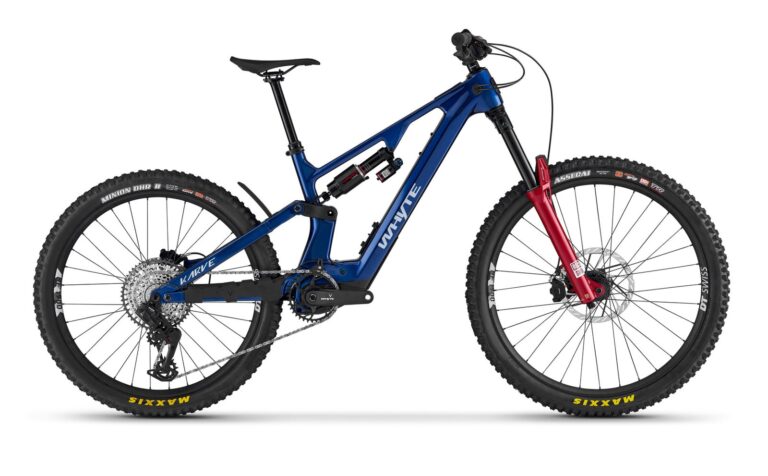
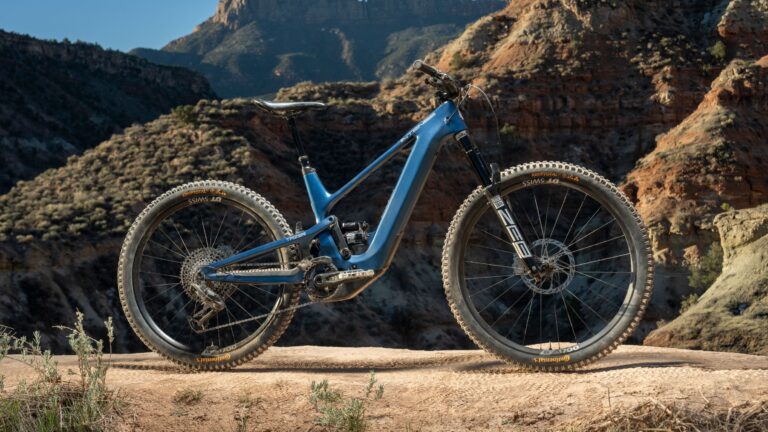
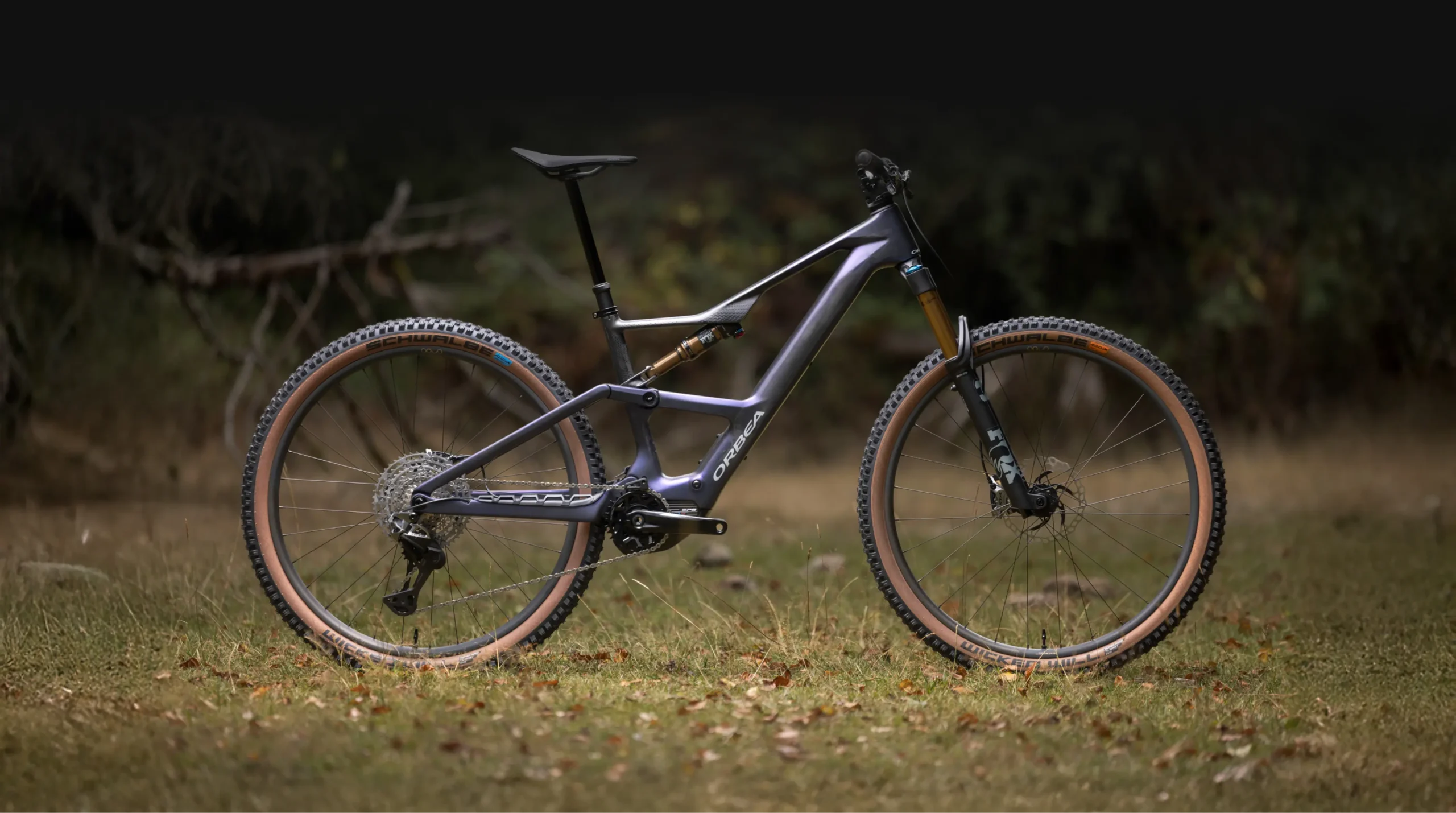
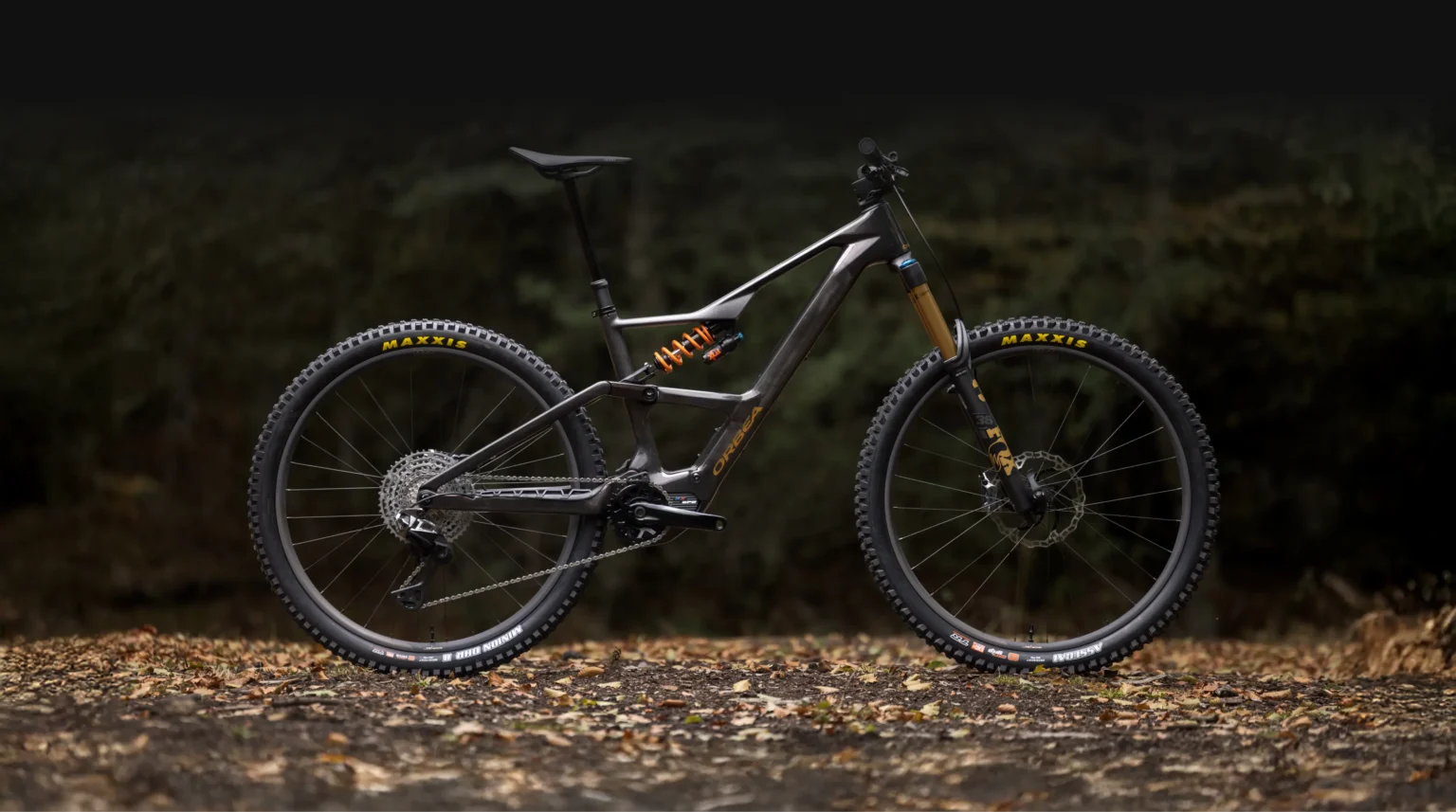
The photo shows an LT with a coil shock. The Spanish LT M10 specification checked uses a FOX Float X air shock. This is an important difference: family photographs are not the component list for every trim.
RS motor: do not buy on maximum torque alone
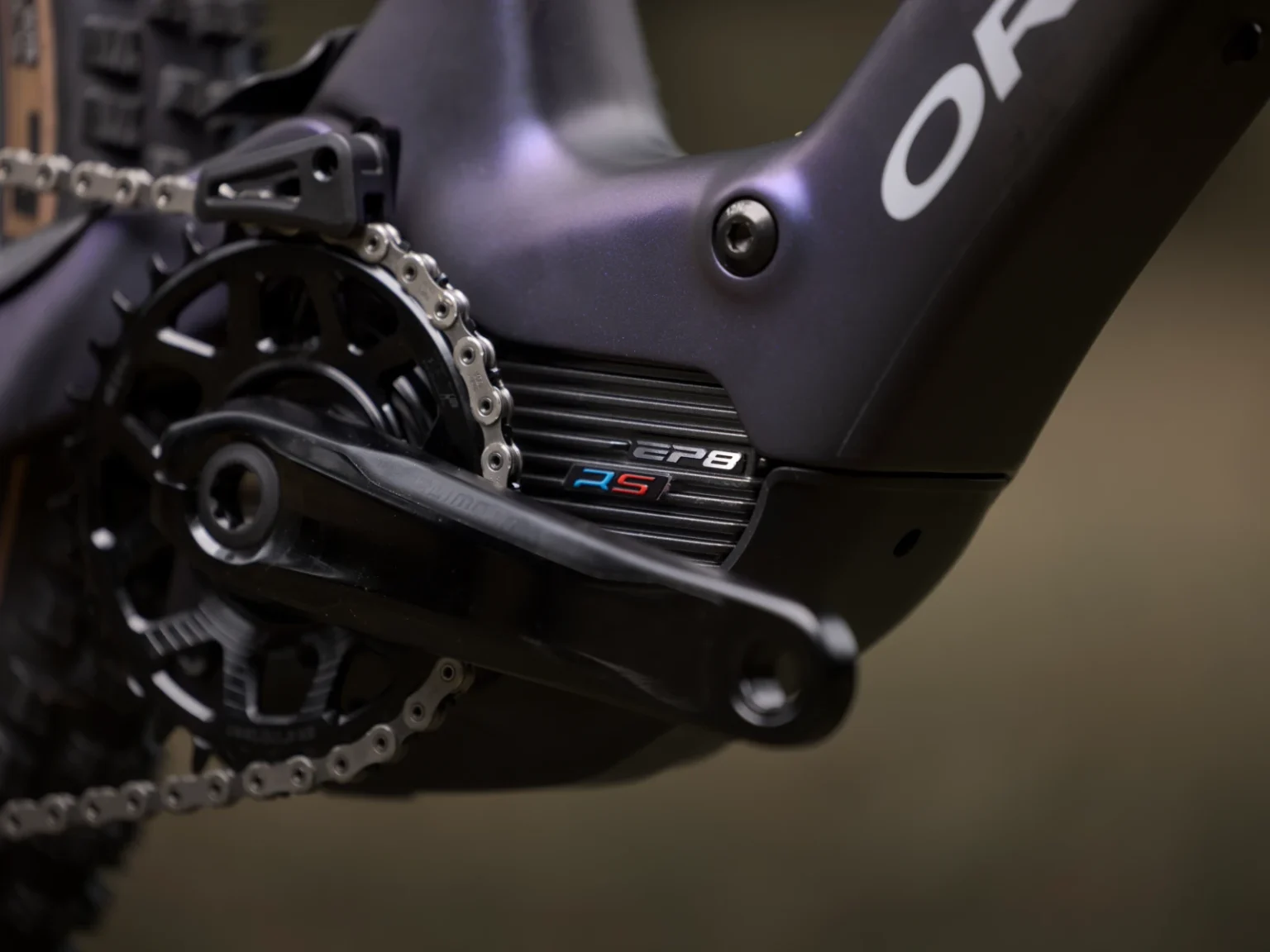
The Spanish SL M-LTD and LT M10 files consulted identify a Shimano EP801 RS Gen2 MC. The manual also covers EP600 RS: verify the exact build rather than assuming every Rise has the same motor. RS describes Orbea's integration and assistance approach, not a bike independent of its battery and configuration.
RS and RS+ offer different assistance approaches; RS+ reaches up to 85 Nm according to the documentation. That does not mean maximum output at every moment or reveal range by itself. Pedalling style, settings and riding situation change what you feel at the wheel.
For a shop test, we suggest something more useful than comparing figures: repeat a familiar climb with two settings, observe whether you maintain a comfortable cadence and check how much assistance you need to keep up with your group. Every ride need not become an efficiency contest.
If your aim is always to climb with plenty of assistance, recognise that before choosing a battery. Buying a low-capacity configuration on the assumption that 'I will use less assistance' may be a poor bet if you have never enjoyed riding that way.
420, 630 or an extender: energy and convenience are not the same
The system documents internal batteries of 420 and 630 Wh and a Gen2 range extender of 210 Wh. These are capacities, not guaranteed kilometres. Also, the internal batteries are not designed for routine daily removal by the rider. This may outweigh every other consideration if you live in a flat with no socket in the storage room.
According to manufacturer figures, the 420 Wh battery weighs about 1.96 kg and the 630 Wh about 2.88 kg. The approximate 920-gram difference refers to the battery, not any two complete bikes. Wheels, tires, size and components can change the final comparison.
The right question for each option
- 420 Wh: does it cover your regular rides with a reasonable reserve, without constant monitoring of the indicator?
- 630 Wh: do you want more permanently integrated energy and accept that choice every day?
- 420 + 210 Wh: do you prefer to keep the extra module for selected routes and arrange its transport and installation?
Adding capacities is straightforward: 420 + 210 equals 630 Wh; 630 + 210 equals 840 Wh. That does not make two configurations identical bikes. With the external module, consider space, mount, cable and bottle-cage availability, not just the total figure.
Do not automatically translate a percentage increase in energy into kilometres. In our guide to range, Wh and elevation gain we explain how to plan for real conditions. For buying, note three representative routes and discuss them with the shop: distance, elevation gain, usual assistance and the reserve you want to keep.
Compare specific bikes, not catalogue photographs
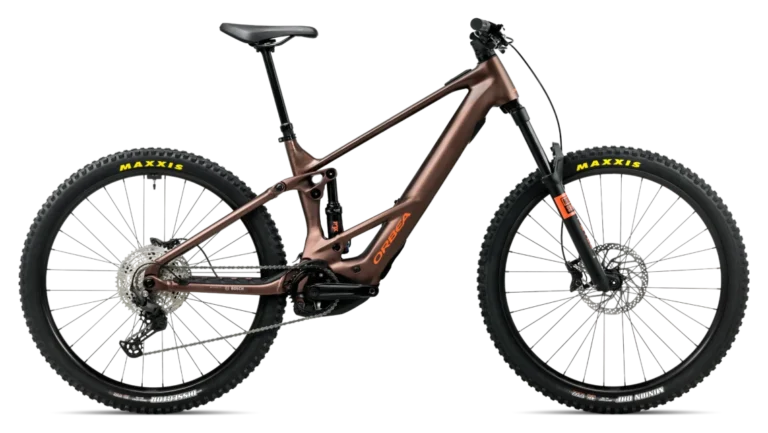
An example helps avoid mistakes. The Spanish SL M-LTD specification checked combines an XTR drivetrain, Oquo MC32 LTD wheels and 180 mm rotors front and rear. The LT M10 specification checked has XT drivetrain components with an SLX cassette, MC32 TEAM wheels, a 203 mm front rotor and 180 mm rear. Both product pages start with 420 Wh in their standard configuration.
Advertisement / sponsored link
This is not intended to pit two equally priced trims against one another. It shows that 'SL versus LT' mixes distinct decisions unless you separate platform, battery and build. Reading 'XT' is not enough either: identify the included parts, because a bike can mix drivetrain levels without anything being wrong.
Advertisement / sponsored link
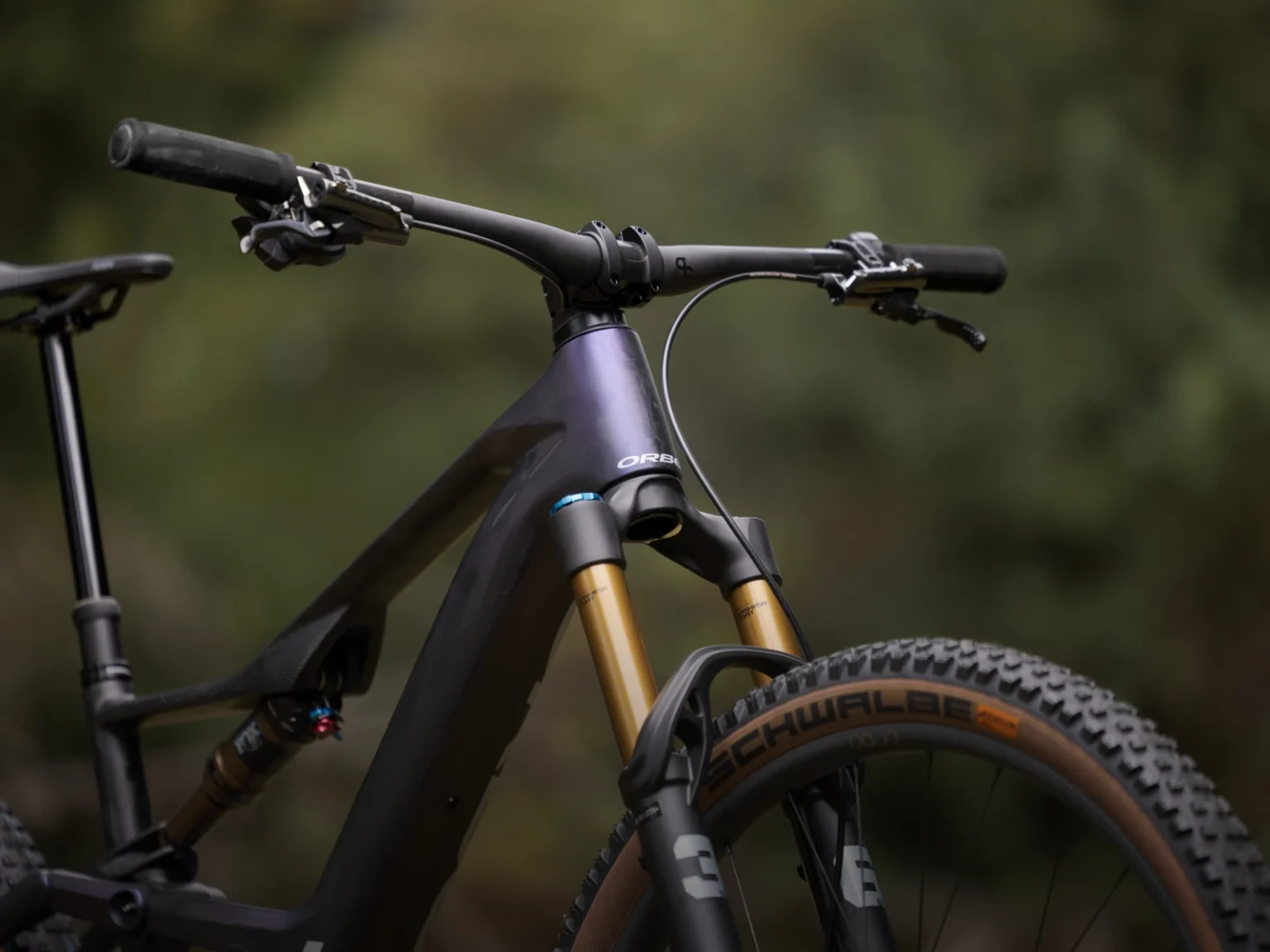
Before paying, request a quote with the final configuration in writing. Check battery, fork, shock, wheels, tires, brakes, seatpost and accessories. If a shop offers a bike differing from the website specification, those changes must be clear, especially when a generic photo is used.
The editorial criterion here is practical: prioritize what changes your routes and your adjustment. A high-end component does not correct the wrong size, and a more refined drivetrain does not solve a tire that is unsuitable for your terrain.
RS Control: what it brings and what you must confirm
RS Control connects the RS HMI remote and MC10 RS seatpost to the bike's system via CAN Bus, powered by the main battery. It is available on selected builds; do not assume every 2026 Rise includes it.
Orbea describes profile selection, temporary SuperBoost and battery-level indicators. The potential advantage is bringing frequent operations into one coherent interface. In return, buyers need to understand exactly which components their bike has and how its settings are managed.
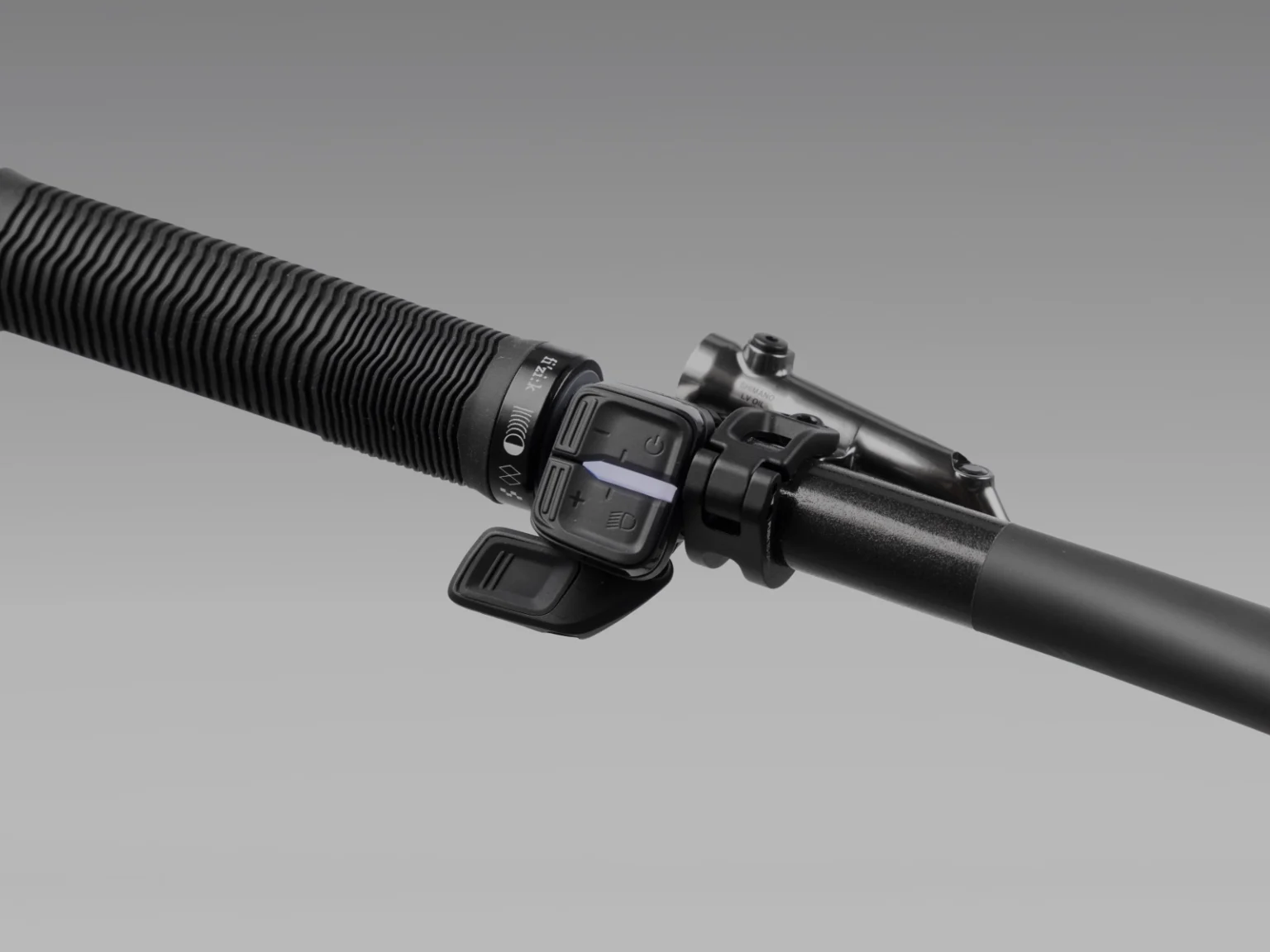
At handover, do not settle for seeing it switch on. Try the controls while stationary, identify every button action and ask about relevant warnings. Then do an easy ride before exploring all functions on a difficult trail. Technology that requires constantly looking at the remote is not yet integrated into your riding, even if it is integrated into the frame.
We would not decide on electronics alone. The bike must fit first; then assess whether the system provides real convenience over a simpler setup.
Choose a dropper post by its measurements
The MC10 RS includes functions such as partial lowering and configurable operating modes. These may be interesting, but no function replaces a dropper's two basic checks: reaching your pedalling saddle height and providing enough clearance when lowered.
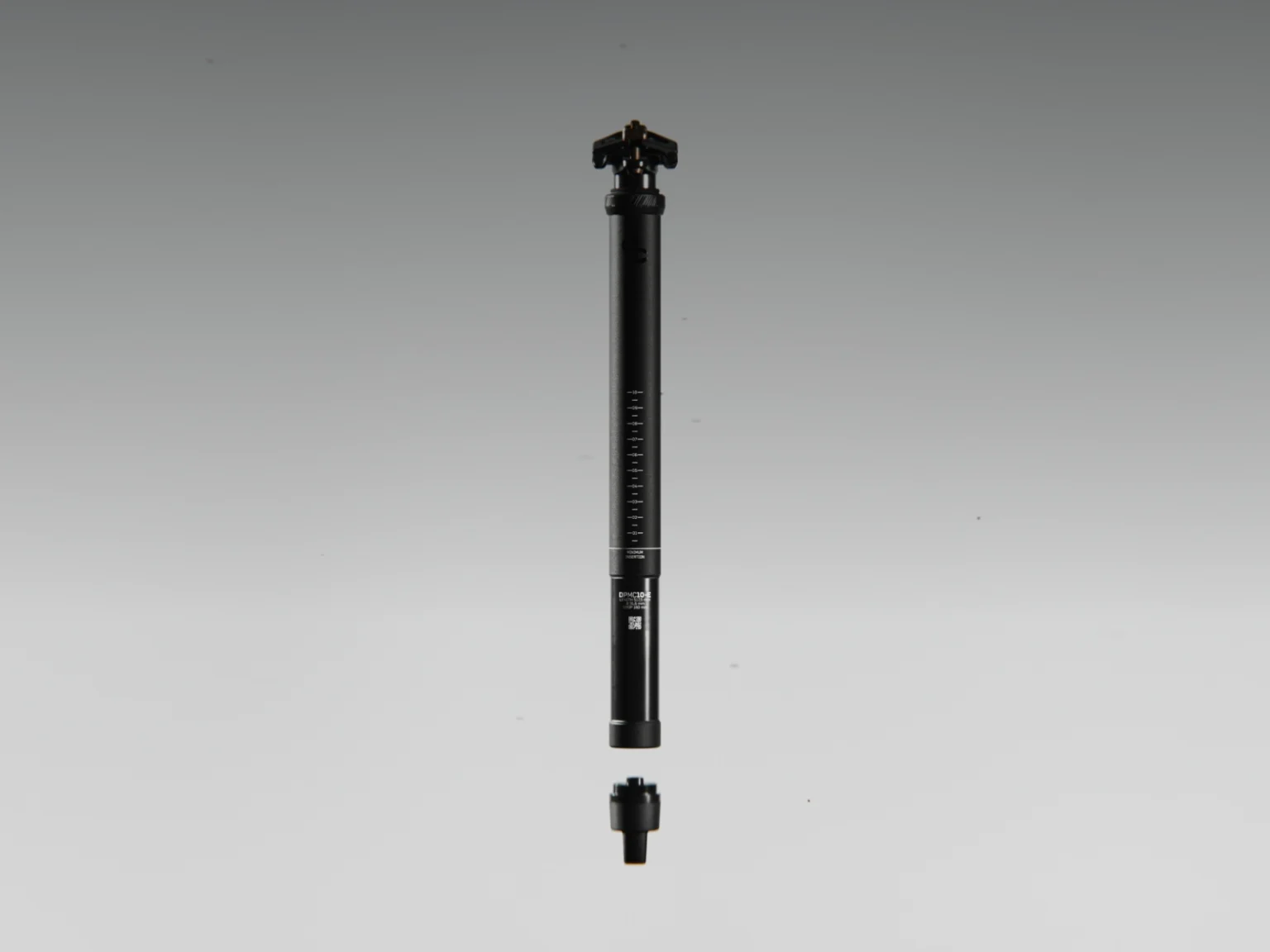
Go to the shop with your usual saddle height, not just your body height. Ask how far the post inserts in your frame size, how much protrudes and what travel remains with the saddle at the right height. A recommendation based solely on 'you are this tall, so you need this' can overlook inseam, preference and position differences.
Also test with your usual gloves. Thumb reach and how the remote fits alongside brake and shifter may be small details on a specification sheet, but matter constantly on the bike. Do not adjust everything at once: a documented starting position makes it easier to return if a change does not work.
The same logic applies to suspension. Our sag, rebound and compression guide helps you understand what you're modifying, without converting a generic setting into a universal recipe.
Compatibility and workshop: what needs to be resolved first
The Rise name covers different generations and configurations. The manual warns of incompatibilities between RS-system components from different generations; the range extender must match the platform. Do not buy a used accessory for its appearance or shared product name alone. Check the part number and year against your bike's documentation.
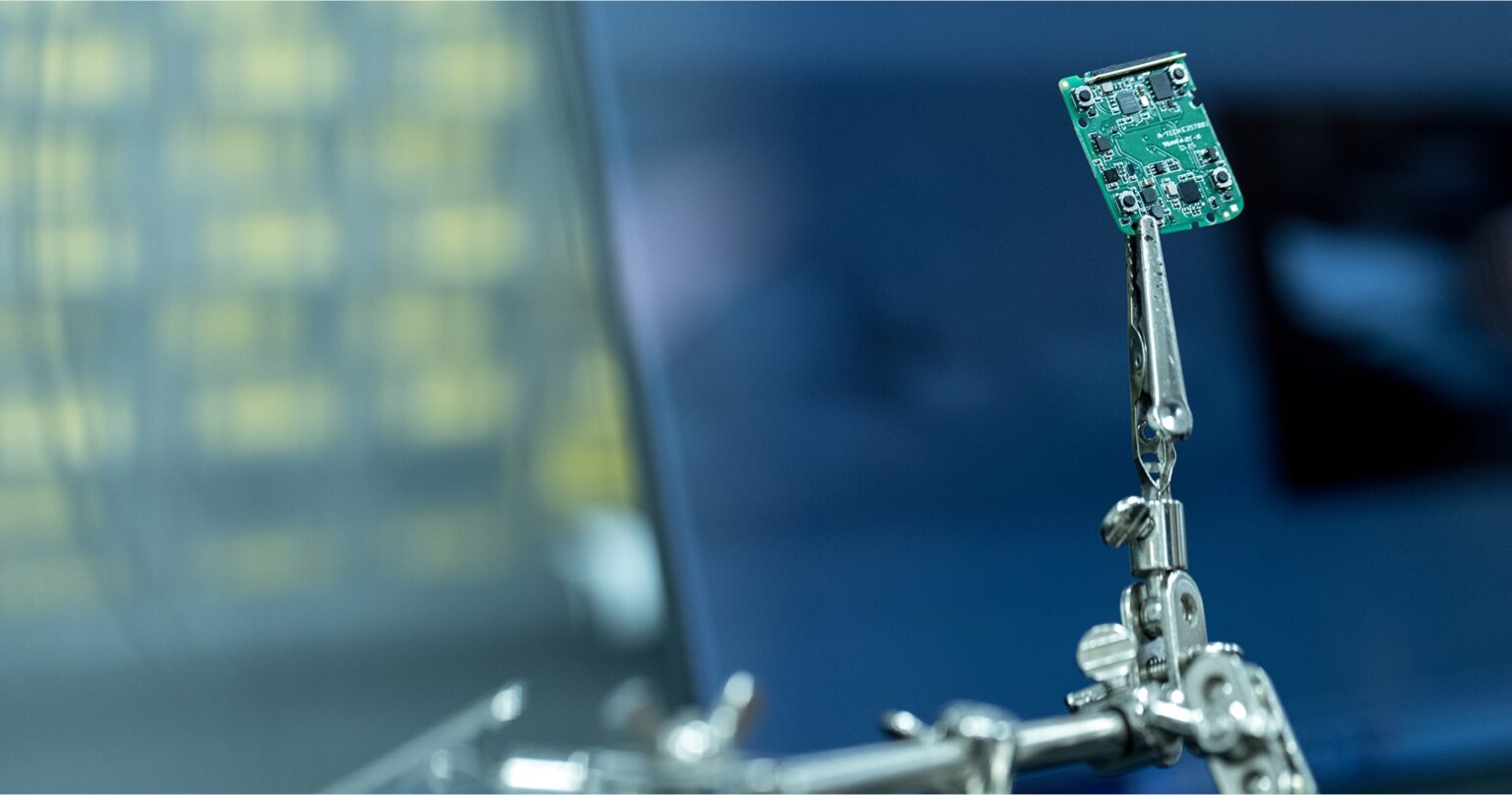
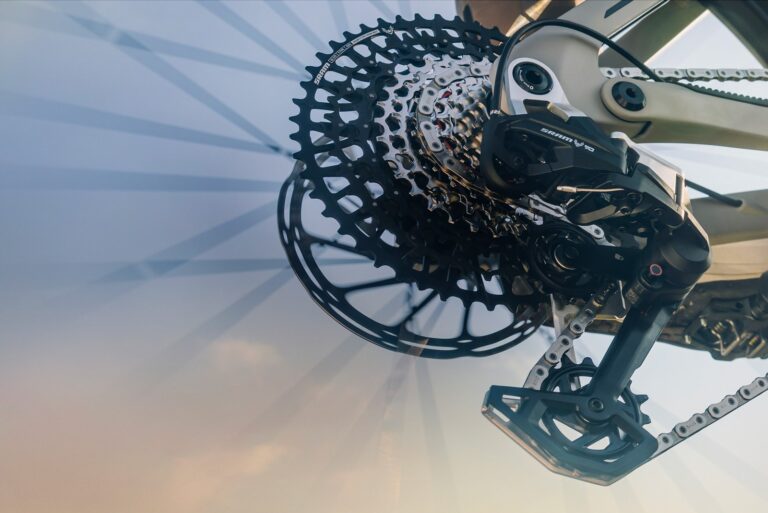
The electronics photo illustrates RS Control development, not an invitation to open the system. Owners need to know who performs diagnostics, updates and maintenance, and what information is needed: serial number, build and symptom description. A video of the behaviour may help the workshop more than an imprecise explanation.
Also ask about indicative lead times and availability of specific parts, without treating a verbal answer as a guarantee of future supply. Find out whether the shop regularly works with this integration or must refer certain tasks elsewhere.
The internal battery makes planning charging and servicing especially important. If your use depends on removing the battery every night, clarify that before falling for the build: it is not a detail to discover after the first ride.
Three purchase profiles and a final list
Long routes with a lot of pedaling
We would start by trying an SL and choose the battery after reviewing routes and logistics. A lightweight option on paper loses its point if it continually makes you forgo the assistance you need. Keep budget for setup and suitable equipment, not just a higher trim.
Advertisement / sponsored link
Technical trails as a priority
The LT deserves to be the first candidate. Check suspension, tires and ergonomics as a set. Do not assume that the photo of a special version represents the available unit. Ask to test the size and understand the geometry settings before looking for additional changes.
Mixed use and uncertainty between the two
We would not decide based on your most extreme ride of the year. Describe a normal month's terrain and the kind of group you ride with. If one bike suits most of your rides better, that matters more than a marketing label.
- Confirm generation, size and build in writing.
- Establish where you will charge the bike.
- Check the battery and compatibility of any range extender.
- Check controls and seatpost actually included.
- Request initial adjustment and maintenance explanation.
- Keep the quote and handover documentation.
To complete that review you have our delivery checklist of a new eMTB. Buying well also consists of leaving the store knowing how to use what you have bought.
Frequently asked questions and eMTB PRO verdict
Is the LT always better than the SL?
No. It has a different focus. If you will not use that approach, you may be choosing according to a supposed hierarchy that does not reflect your needs. Terrain and a fit test should lead.
Does a Rise announced as 2026 include RS Control?
Do not assume so. Check the remote and seatpost sections of that bike's quote. The model year does not replace the component list.
Can you guarantee a specific range?
Not reliably without knowing conditions and configuration. We have not measured these bikes on rides for this guide. Capacity compares available energy; it does not promise a distance.
Verdict: the Rise appeals to riders seeking an eMTB suited to their pedalling style and willing to choose more carefully than 'whichever has the most motor'. SL or LT is the first decision; battery, fit and build complete the purchase. If one of those four elements does not fit, resolve it before signing, however attractive the offer.
Sources and documentation
Information checked on 03/10/2026. Editorial guide based on official documentation, not our own ride test. Equipment and availability may vary by market.
Have you used this bike, motor or component?
Join eRIDERSeMTB on Telegram to discuss real experiences with other riders: Bosch, Avinox, Shimano, deals, faults and buying decisions. The community currently speaks Spanish.
Join TelegramAdvertisement / sponsored link
Advertisement / sponsored link
Advertisement / sponsored link