Honda RN0 2027: carbon, Rotwild and the new 100 Nm Shimano system
Technical guide · eMTB PRO
The RN0 combines a distinctive frame, a removable 720 Wh battery and FOX and XT components. We assess the complete bike and what still needs to be established before buying one in Spain.
The Honda to assess as a complete bike
The Honda RN0 2027 is about more than its new Shimano assistance system. What matters is the bike Honda has built around it: a distinctive structure, joint development with ROTWILD and components that need to work as a system. The badge may spark curiosity; riding position, control and servicing will decide whether it deserves a place in your garage.
Honda gives the date of its EICMA debut as November 3, 2026 in its global announcement. This is a 2027 model, not a bike we have tested. This document-based analysis distinguishes between stated specifications, other reviewers' early impressions and questions to ask before buying. It provides no measurements of our own for range, noise or durability.
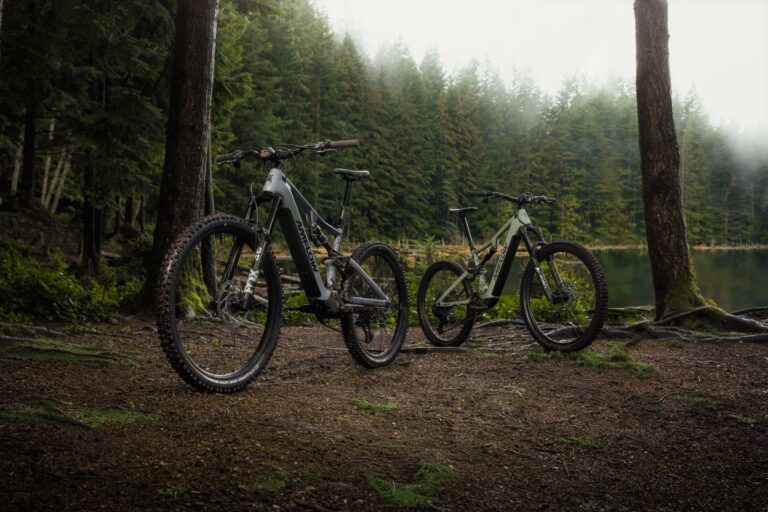
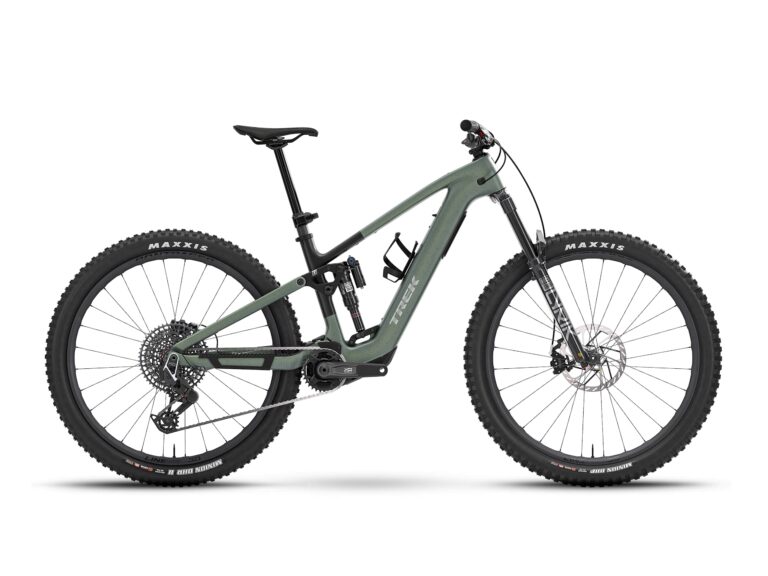
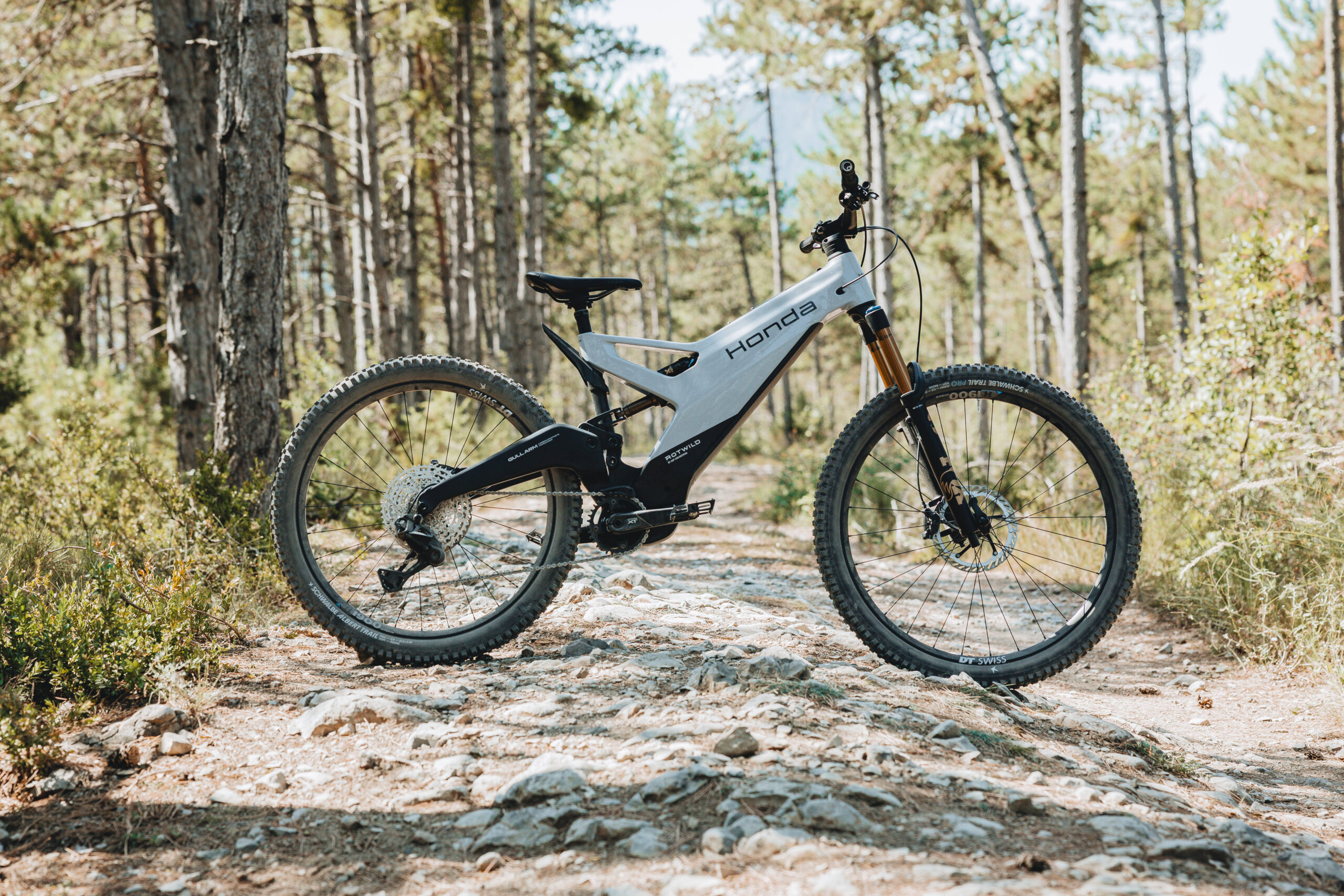
Photos: Honda Motor Europe, RN0 27YM press material, package 592887, 2 November 2026. Credit links lead to the official Spanish model page, not to the photographs' original source pages. Provisional specification; these are not photos from our own test.
Key specifications: what matters to your decision
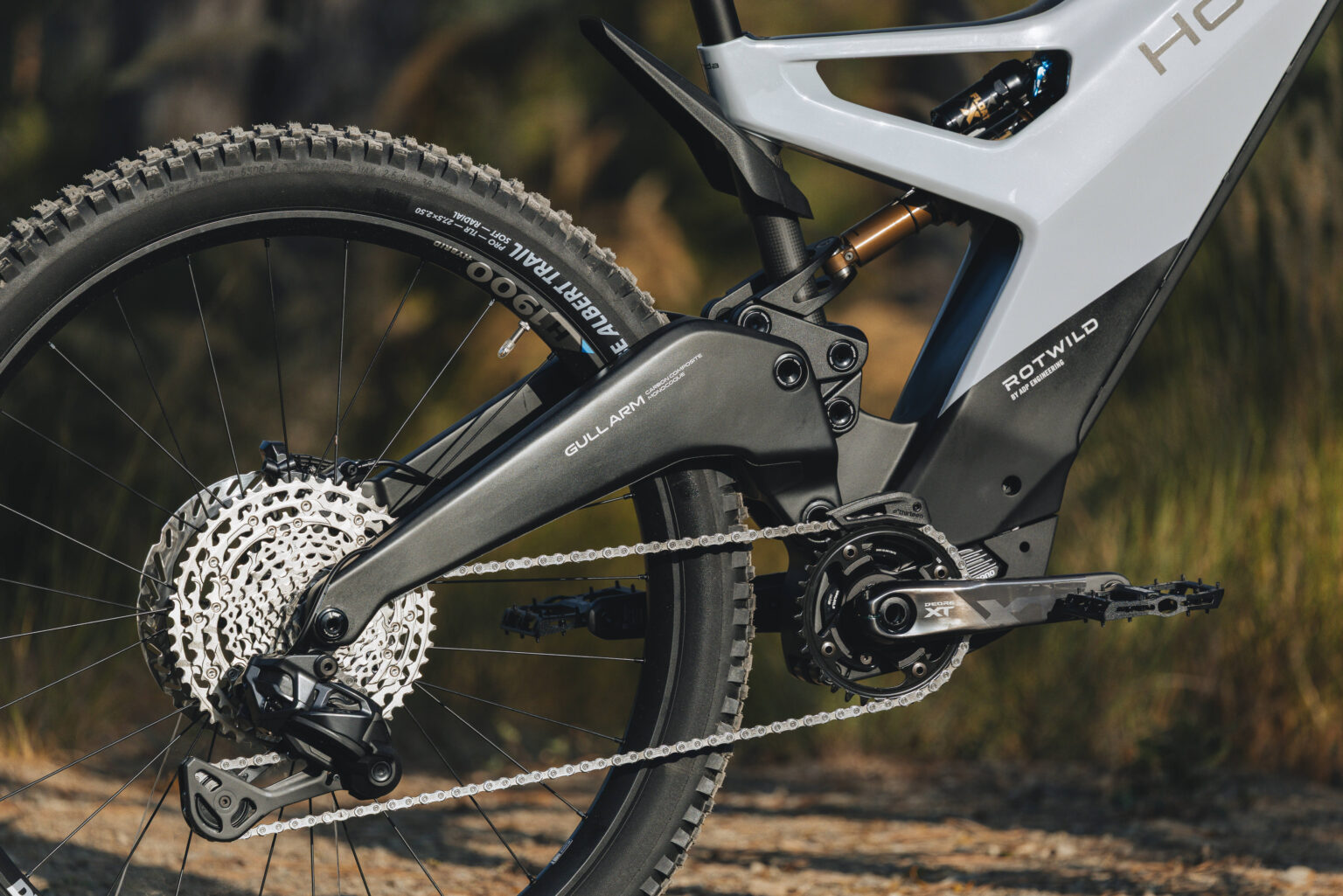
- Frame: carbon monocoque, gull-arm swingarm and linkage-driven single-pivot suspension.
- Suspension: FOX 36 Factory, 160 mm front travel; Float X Factory, 145 mm rear travel.
- Assistance: new Shimano system; claimed maximum torque of 100 Nm and peak power of 750 W, with a 2.3 kg drive unit.
- Energy: removable 720 Wh battery.
- Components: 12-speed XT Di2, four-piston XT brakes, DT Swiss H1900 wheels and Schwalbe Albert tyres; 29/27.5-inch wheels.
Honda Global quotes approximately 24 kg; Honda Europe quotes 23.5 kg. The weighing conditions have not been harmonised: we do not select the lower figure as the actual weight or present the difference as a proven error.
If you need to lift the bike to store or transport it, try doing so safely before deciding. A catalogue weight does not tell you where you can grip it or how much room you have on the stairs. Ask to have the bike you would buy weighed with its specification recorded, and check your carrier's load capacity. Sorting out that routine may matter more than a small difference between spec sheets.
What Honda brings beyond the badge
According to Honda, the identifiable contributions are the joint development with ROTWILD and the frame architecture. That gives us grounds to discuss a distinctive design, not proof that it outperforms a conventional bike. Nor does it automatically make every design choice exclusive technology or an advantage on the trail.
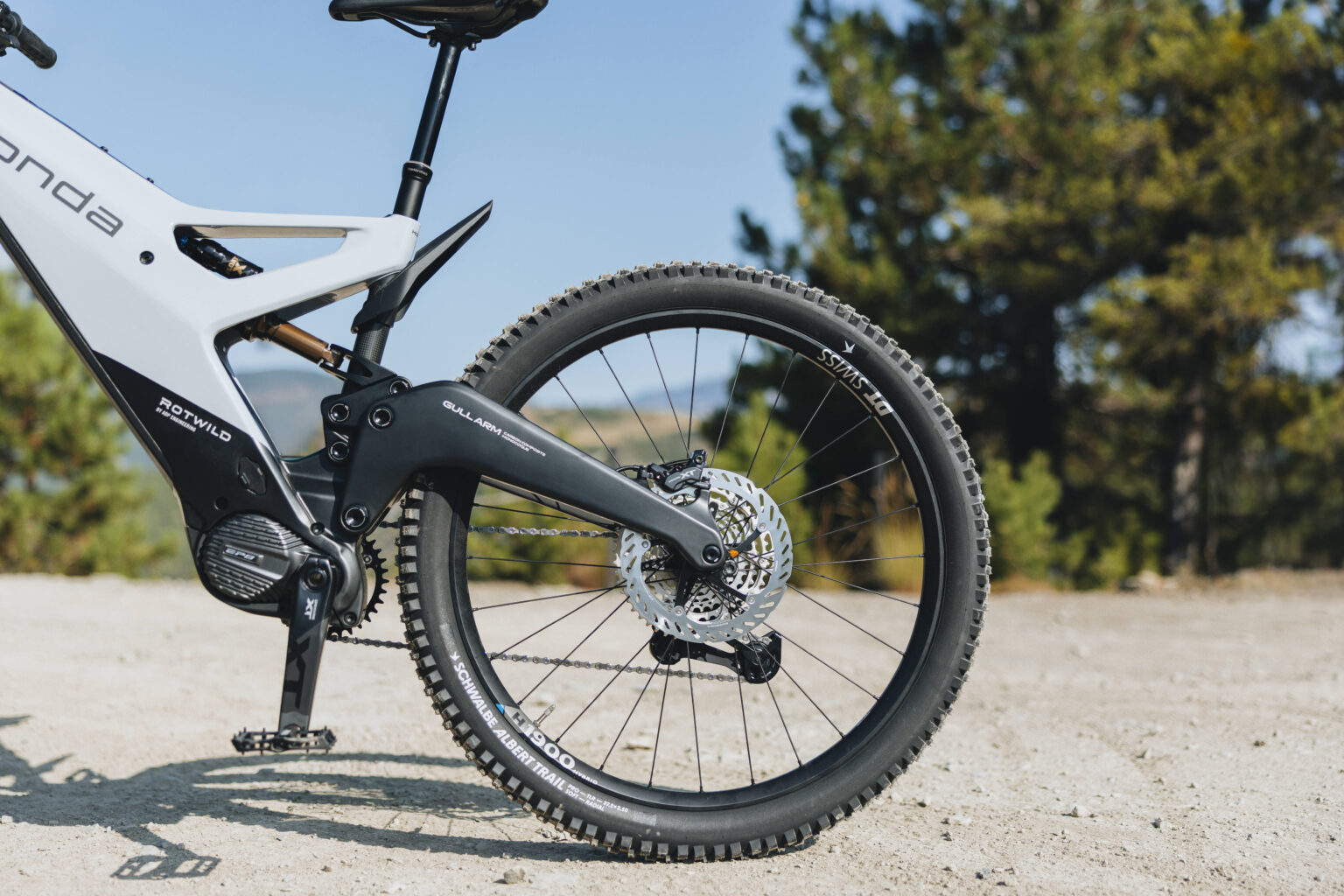
An eye-catching monocoque may tempt you to infer stiffness, comfort or precision from a photo. These are separate conclusions: material distribution, loads, how the rider supports their weight and setup all matter. Wheel travel alone does not reveal how the force needed to compress the suspension changes through its stroke either.
The useful questions are whether that structure provides support through corners without feeling uncomfortable, and whether it maintains contact with the ground under braking. Answering them would require comparing properly set-up bikes with known tyres and pressures. Until then, carbon describes a construction method, not a guaranteed ride feel.
I would also look at the less eye-catching details: access to bolts, protection for exposed areas, cleaning and replacement of model-specific parts. These are not observed faults on the RN0. They are sensible checks when an unusual shape may affect workshop access and ownership costs.
Integrated display: try it on the bike, not in a catalogue
Honda Europe lists an integrated 2.2-inch display with USB-C, AUTO ASSIST, AUTO SHIFT and a brief continuation of assistance after you stop pedalling. These are announced features; physical integration does not prove that the automatic functions will always anticipate what you want to do.
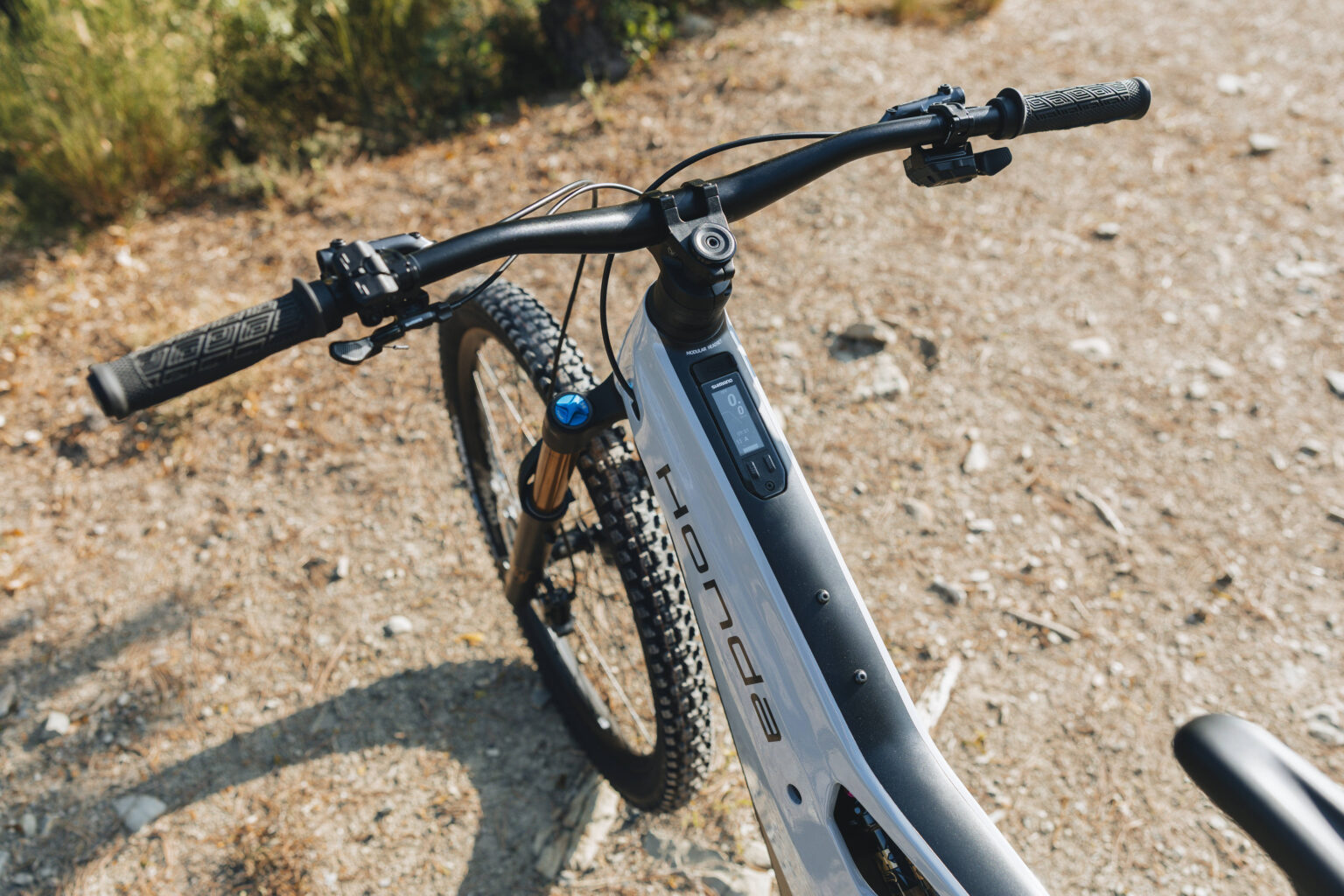
During a demonstration, I would start with everyday tasks: reading the battery percentage outdoors, identifying the mode without stopping and using the controls with gloves. A discreet display may look appealing, but it matters how far you have to look down to read it. We have not tested its readability.
Next, I would try changes of pace, braking and starts, first with manual control and then with the automatic functions. This lets you identify what genuinely improves your riding and which settings you prefer to control yourself. I would also ask which operations require a phone and how to use the bike if its battery goes flat. An electronic lock should not be confused with physical theft protection.
The new Shimano: clear figures and careful attribution of the name
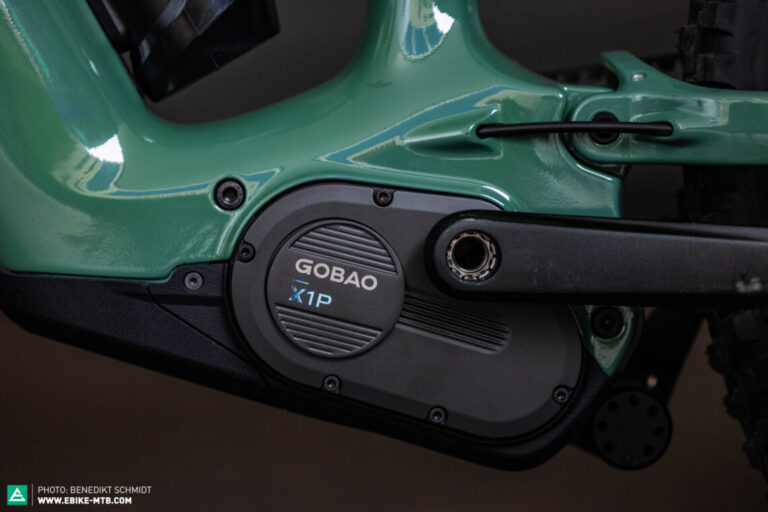
The 100 Nm, 750 W peak power and 2.3 kg figures come from Honda. 750 W is not a continuous rated power figure. Maximum torque, peak power and weight are different measures; they do not tell you how long a given level of assistance can be sustained or let you rank motors by their actual climbing performance.
New documentation has emerged: distributor Madison identifies the platform as EP810 and the drive unit as DU-EP810, quoting the same figures. Its page displayed a relative date in the future, with no confirmed calendar date. We attribute that name to Madison; we do not treat it as a global Shimano launch taking place today. The Honda releases we reviewed do not give a model code.
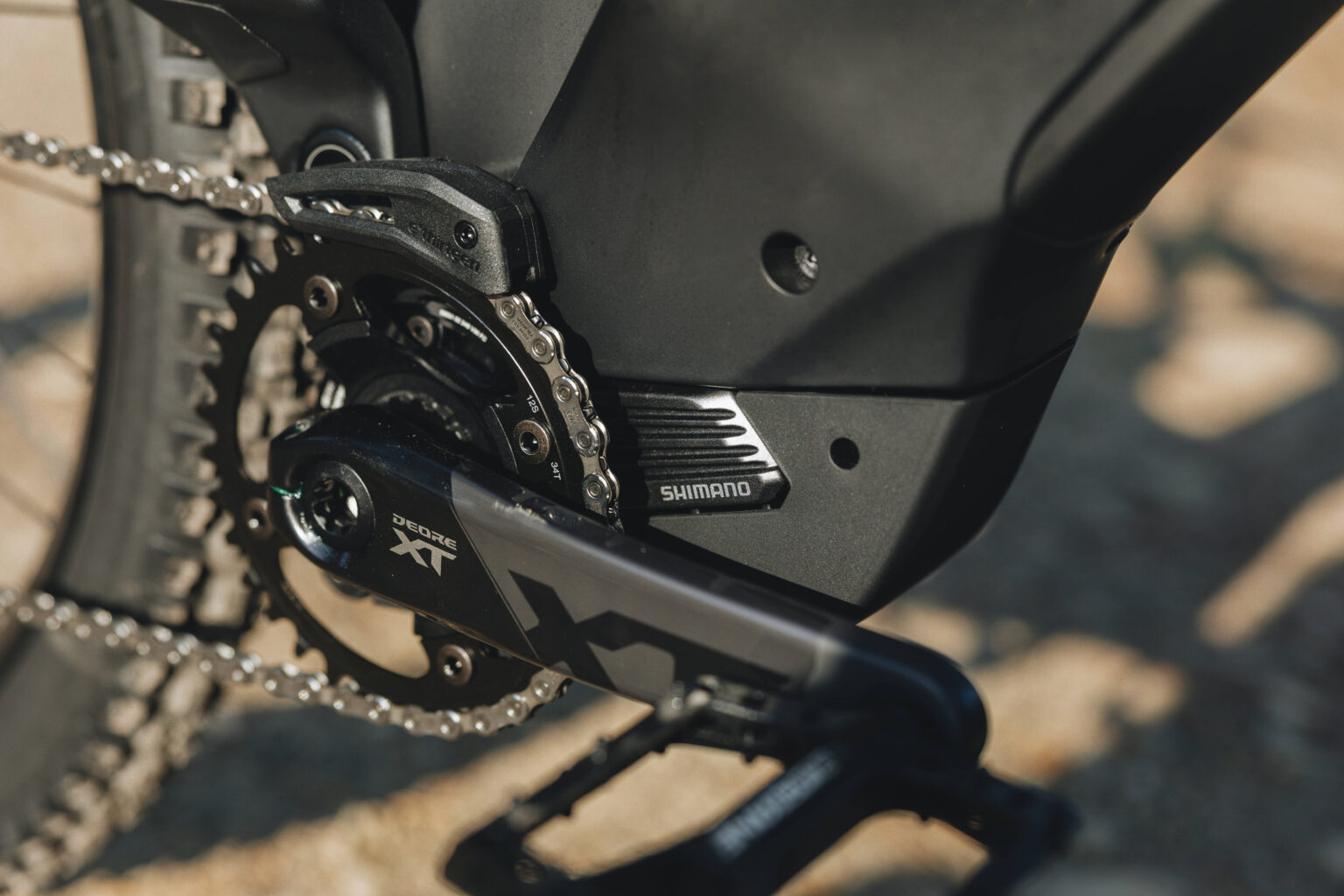
Calling this RN0's motor an EP801 would therefore confuse it with the earlier model Honda uses as a comparison. Recognising a casing is not enough to establish the production product's identity either.
For anyone who already owns a Shimano-powered eMTB, the practical conclusion is different: do not budget for a drop-in replacement. Mounts, battery, voltage, connectors, communications and firmware must be compatible as a complete system. An announced performance improvement does not guarantee that you can buy just the motor and keep everything else.
Removable 720 Wh battery: easier charging at home, range still to be tested
A removable battery changes the buying considerations compared with a bike that must be brought to a socket in one piece. Before deciding, I would ask for a demonstration of removal and refitting: the space required, any tool or key, how the latch works and how to check that the battery is securely seated. We do not take for granted a procedure we have not carried out ourselves.
I would also confirm which charger is included, the claimed charging times with that charger and the cost of a replacement battery. The fact that an ecosystem offers different chargers does not identify which one you will receive with the RN0. Nor does a USB-C port for devices mean that the main battery can be recharged with any phone charger.
The 720 Wh figure measures energy, not kilometres. A route with little climbing and moderate assistance is not comparable with demanding climbs, soft terrain or high assistance levels. Base your decision on your usual rides and leave a reserve for the return journey; do not commit money to the purchase on the strength of a promised distance without context.
If you rely on charging away from home, check the power supply and the time available before planning the ride. Our guide to batteries and real-world range helps you ask those questions. More capacity may appeal, but only if the complete bike still suits your storage, transport and everyday handling needs.
160/145 mm: look beyond the enduro label
The front and rear travel figures suggest an all-round mountain bike. They do not prove that it will be easy for everyone to ride or make it an enduro machine just because it has a well-known fork. If you mainly ride easy tracks, consider which capabilities you will actually use before paying for potential you will rarely tap into.
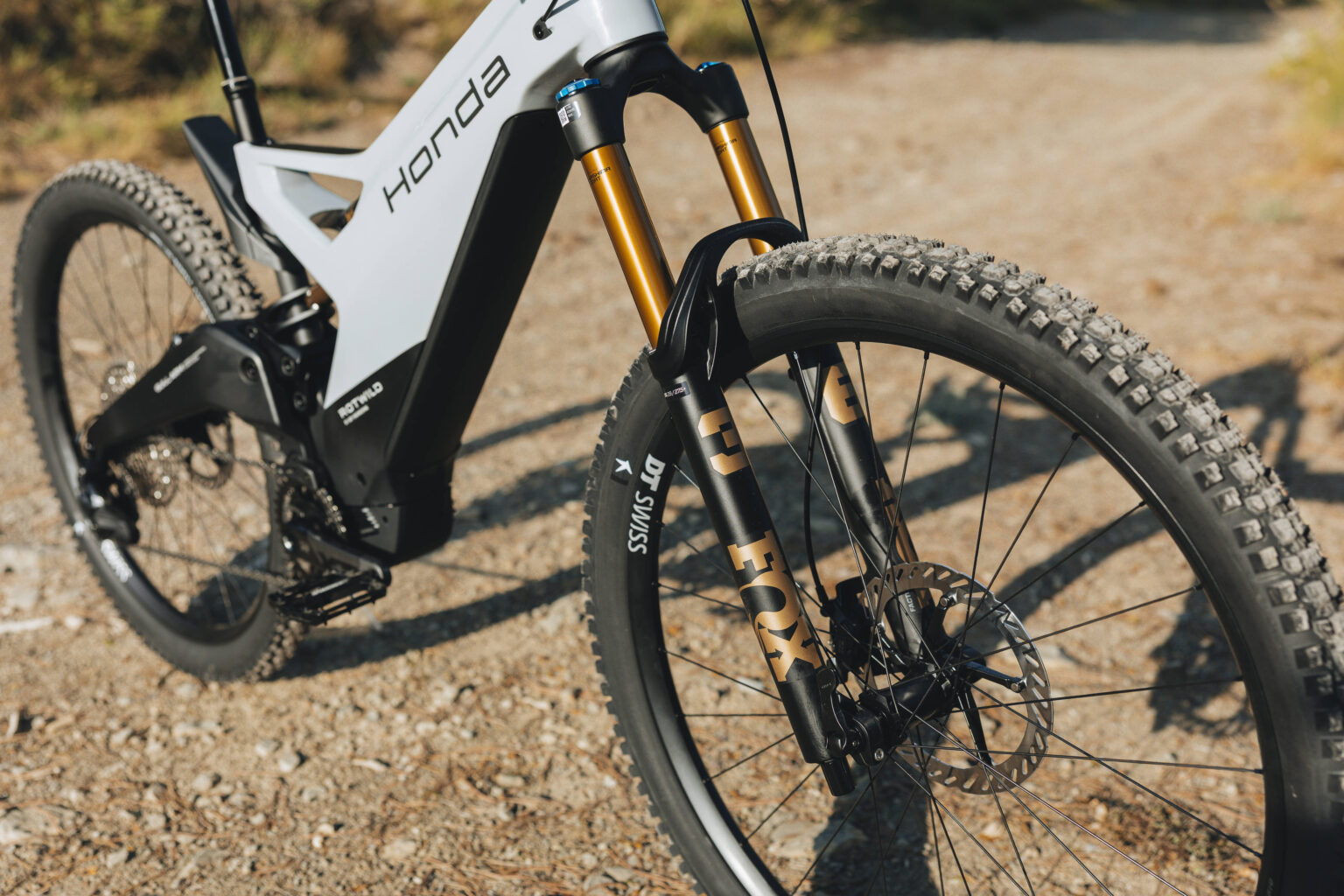
For varied trails, I would look for a balance between support and bump absorption. For long, fast descents, I would want to check riding position, control, usable travel and adjustment range. Those priorities depend on the rider and terrain; adding together the front and rear travel figures does not settle them.
Geometry needs to be considered in the context of frame size. Before debating individual angles, check your room to move, saddle height and whether the dropper post can be lowered to your required position. An eye-catching bike makes little sense if you have to compensate for the wrong size with an uncomfortable riding position, however good the components look on paper.
I would begin a test by recording the settings, then repeat a familiar section while changing one thing at a time. If you are unsure what to adjust, I would ask the shop to explain and record the setup. The Factory name does not replace that work, and copying another rider's pressures does not guarantee a suitable starting point for you.
Wheels and brakes: factor in consumables too
A mullet setup does not guarantee agility on its own. When assessing the H1900 wheels, spare parts, servicing and suitability for your riding matter more than assuming that any higher-end wheel would transform the bike. Our DT Swiss Hybrid comparison helps put those differences in context without treating the product hierarchy as an automatic ranking of reliability.
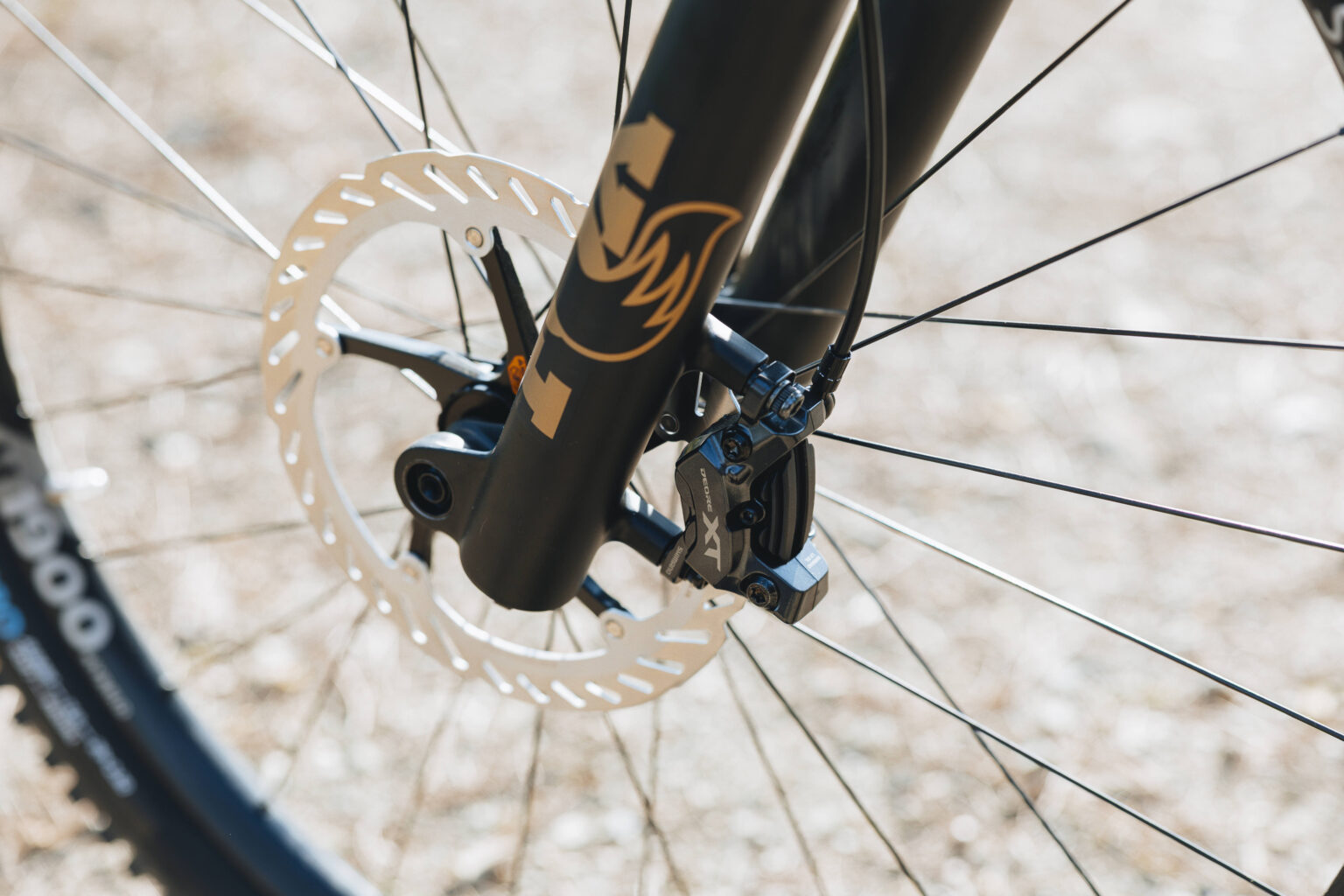
I would take an equally practical approach to the brakes: lever reach, feel, modulation and maintenance costs. Four pistons do not establish a measured stopping distance or resistance to overheating on this bike. Rider weight and the descents you plan to tackle should be part of the conversation with the workshop.
Before replacing the tyres, I would try the stock setup at an appropriate pressure and note what you want to improve: support, protection or rolling resistance. The guide to tyre casings, compounds and pressures helps you avoid buying blindly. A tougher casing may make sense for a particular use, but it does not replace choosing the right bike or represent a universal upgrade.
Early impressions are not the final verdict
Nick Clark, writing for BikeRadar, reports noise and room for improvement in motor response during his first ride; he notes that the motor was a pre-production unit. Paul Humbert, writing for Vojo, raises concerns about resonance and how natural the assistance feels on a system that was not yet finalised. These are observations from their test bikes, not our own measurements or diagnoses that apply to every bike.
The early reports we reviewed do not give a consistent assessment of the noise. Without standardised conditions, bikes and software, I would claim neither a widespread defect nor that the issue has been resolved. The useful next step is to repeat those checks on a production bike, rather than select whichever impression best fits an existing opinion.
Spain: what to ask before ordering
The official Spanish RN0 model page is live. The primary sources reviewed as of 3 November provide no verified Spanish price or specific delivery date. An expression-of-interest form does not confirm stock or that orders are being accepted. We do not extend European announcements to the United States either: availability there remains unknown.
Before paying anything, I would ask for a quote specifying the size, final components, charger, shipping and delivery timeframe. Then I would establish who hands over and sets up the bike, who diagnoses electronic faults, and where the suspension, wheels and drivetrain are serviced. I would not assume that any motorcycle dealer can handle all these jobs, or that it necessarily should.
I would also ask for part numbers and lead times for model-specific items: the battery latch, guards, fasteners and suspension parts. Not because we know they are unavailable, but because ownership is easier when the servicing arrangements are clear. It is worth distinguishing sales support from actual repair capability.
To compare quotes, I would use the same delivery destination and equivalent accessories, adding the scheduled servicing costs. I would note separately what each shop includes and what another workshop would charge for. A small initial difference may grow if frequent trips are needed; that is no reason to invent costs, but it is a reason to ask about them before deciding where to buy.
My view: it is worth a test ride if you want a complete eMTB with its own identity, a removable battery and integrated electronics. I would not choose it for the 100 Nm alone. To weigh it against alternatives, you need a price, the right fit and a test of a production bike; without those three elements, you are still comparing a proposition, not making a fully informed purchase decision.
Frequently Asked Questions
Is this the RN01 or the 2023 concept?
No. The RN0 2027 is the new carbon eMTB unveiled by Honda. It should not be confused with the RN01 downhill bike, and images of the earlier concept should not be presented as showing this model.
Should I wait until the motor's name is confirmed?
What matters is identifying the system being supplied and its documentation, not just a model code. Madison already names the EP810; Honda still describes a new Shimano system. Ask for confirmation of the final specification when a firm offer is available.
Are there reliable range or charging-time figures for my riding?
We provide no measurements of our own. Ask for details of the included charger and assess range under conditions comparable to your riding. Do not extrapolate from a figure without knowing the elevation gain, assistance mode and conditions.
Would we buy it without a test ride?
Not on the strength of this launch alone. A test should establish the riding position, handling, automatic functions and noise in production specification. Committing to a purchase also requires a final price and a clear servicing arrangement; neither the photos nor Honda's reputation replaces those answers.
Sources and documentation
Information checked on November 3, 2026. An editorial guide based on official documentation, not our own ride test. Specifications and availability may vary by market.
- Honda Global: RN0 unveiling, 3 November 2026
- Honda Spain: official RN0 2027 page; not confirmation of stock or a delivery date
- Madison, distributor: public EP810 announcement; calendar date unconfirmed
- BikeRadar, Nick Clark: first ride on a pre-production bike
- Vojo, Paul Humbert: first ride with a system that was not yet finalised
Have you used this bike, motor or component?
Join eRIDERSeMTB on Telegram to discuss real experiences with other riders: Bosch, Avinox, Shimano, deals, faults and buying decisions. The community currently speaks Spanish.
Join Telegram