eMTB cadence: why grinding a big gear can increase wear
eMTB cadence: why grinding a big gear can increase wear
On an eMTB, cadence is more than a matter of technique. It directly affects energy consumption, motor heat, drivetrain wear and real-world range.
Bosch's recommended cadence range for maximum range.
Cadence used by Bosch to state maximum power for Performance Line CX.
Maximum power claimed by Bosch for the current Performance Line CX.
Peak torque declared by Shimano for EP8.
What cadence is and why it matters
Cadence is the number of crank revolutions per minute. It already matters on an unassisted bike, but even more on an eMTB because the mid-drive motor works through the same drivetrain as you: chainring, chain, cassette and derailleur.
Advertisement / sponsored link
Bosch puts typical cadence between 60 rpm for relaxed pedalling and 90 rpm for sporty riding. To maximise range, Bosch recommends 60 to 90 rpm.
Chart 1: cadence zones in eMTB
The green zone is Bosch's recommended cadence range for maximum range. The red and yellow zones indicate less suitable ranges for sustained use.
Mechanical risk by cadence
Grinding a high gear: what really happens
Grinding means using too high a gear for the gradient. The result is low cadence, more force per pedal stroke and more load on the motor and drivetrain.
- More torque on the crank: at low cadence, you usually apply more force per pedal stroke.
- More chain tension: the load passes through the chainring, chain and cassette.
- More motor load: the motor must assist at low speed against high resistance.
- Higher instantaneous energy consumption: The battery has to deliver more current at peak demand.
- More heat: some of that energy becomes heat.
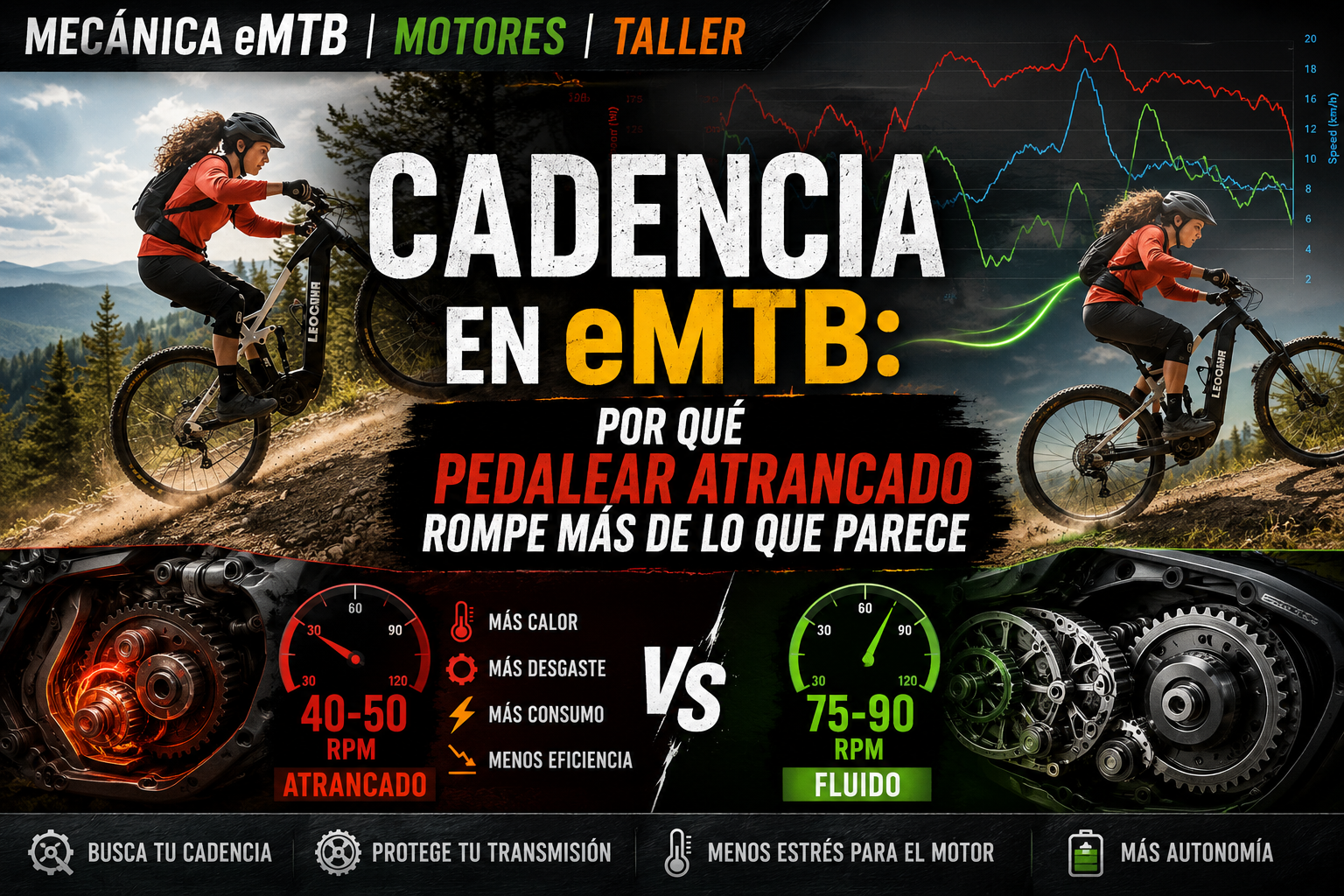
Chart 2: visual comparison of grinding and smooth pedalling
Grinding a high gear, 45 rpm
Smooth pedalling, 75-85 rpm
Advertisement / sponsored link
Motor, battery and drivetrain: three parts under strain
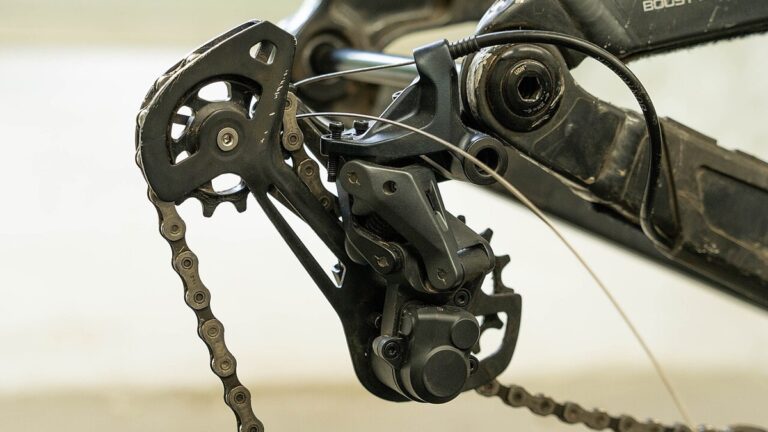
On a mid-drive eMTB, the motor does not drive the wheel directly like a hub motor. Torque passes through the drivetrain. Poor cadence therefore affects not just the motor, but also the chain, cassette and derailleur.
| Component | What happens when you grind a high gear | Practical impact |
|---|---|---|
| Motor | High load at low speed. | Higher temperature and possible reduction in assistance. |
| Battery | More current spikes. | More energy use and less range. |
| Chain | More tension per pedal stroke. | Accelerated chain elongation and wear. |
| Cassette | Greater load on specific teeth. | Chain skipping and premature wear. |
| Drivetrain | Shifting under heavy load. | Knocks, creaks and loss of adjustment. |
Chart 3: power, torque and cadence in eMTB motors
Bosch states maximum power of 750 W and 730 W at 70 rpm for Performance Line CX. This shows that cadence is part of how motor performance is measured and delivered.
Bosch Performance Line CX example
Shimano EP8: another example of a powerful motor
Shimano claims peak torque of 85 Nm for EP8. Motors like this can drive an eMTB with considerable force, but that force passes through the chain and cassette. Shifting technique and cadence are therefore crucial.
Claimed peak torque of common eMTB motors
What cadence to use in each situation
| Status | Recommended cadence | Advice |
|---|---|---|
| Gentle flat terrain | 70-90 rpm | Eco or Tour mode, smooth pedalling. |
| Long climb | 70-85 rpm | Shift to a larger rear sprocket before you stall. |
| Slow, technical climb | 60-80 rpm | Avoid continuous Turbo if the motor starts getting hot. |
| Uphill start | Low gear | Do not start in a high gear on a small rear sprocket. |
| Fast section | 80-95 rpm | High cadence, less torque per pedal stroke. |
Signs that you are grinding too high a gear
Bad sign.
- The chain creaks when shifting.
- You feel jolts through the drivetrain.
- The motor sounds strained.
- The bike loses responsiveness uphill.
- You struggle to maintain a steady rhythm.
Good sign.
- Pedalling feels smooth.
- The bike climbs without chain jolts.
- You can shift without creaking.
- The motor responds smoothly.
- You maintain a steady cadence.
Chart 4: likely wear by pedalling style
Visual comparison of wear
Practical rules to protect the motor and drivetrain
- Shift before the climb gets steep.
- Always start in a low gear.
- Avoid climbing in Turbo at 40-50 rpm except for brief obstacles.
- Usually aim for 70-90 rpm if terrain allows.
- Do not shift under maximum load.
- Loud creaking during shifts means you are applying too much load.
- On long climbs, drop an assistance mode before the motor builds up too much heat.
- If the motor reduces assistance, do not force it: it is probably protecting itself.
Conclusion
Grinding a high gear on an eMTB has a cost. It may feel as though the motor is pushing harder, but mechanically it usually means more load, more energy use, higher temperature and greater wear.
The simple rule is this: maintaining a cadence of 60 to 90 rpm keeps the system in a much healthier operating zone. On steep climbs, shift early, use larger rear sprockets and let the motor spin smoothly rather than forcing it to labour at low cadence.
Have you used this bike, motor or component?
Join eRIDERSeMTB on Telegram to discuss real experiences with other riders: Bosch, Avinox, Shimano, deals, faults and buying decisions. The community currently speaks Spanish.
Join TelegramAdvertisement / sponsored link
Advertisement / sponsored link
Advertisement / sponsored link
Advertisement / sponsored link