CrossWorx PACE290: choosing battery, wheels and size for this aluminium Bosch eMTB
Buying guide · eMTB PRO
A configurable European eMTB that rewards careful choices. We analyse 600 or 800 Wh batteries, a mullet setup, sizes and order checks for Spain.
Advertisement / sponsored link
PACE290: an alternative to the carbon catalogue
Choosing a powerful eMTB does not require buying carbon or choosing between five fixed builds. The CrossWorx PACE290 offers another combination: an aluminium frame, Bosch motor and custom configuration. Its appeal is how far you can tailor it to your riding, not adding another name to the race for the biggest power figure.
CrossWorx states that it develops, manufactures and assembles its bicycles in Thuringia, Germany. The official brand introduction positions the PACE290 as its full-power electric enduro offering. European manufacturing may appeal to buyers in Spain, but it does not replace checks on sizing, service and delivery terms.
The key decision is whether you want a bike for enjoying descents and accept spending time on the order. If you want a bike at your regular shop with an already tested build, customisation may complicate a purchase you hoped to resolve quickly.
The technical foundation and what it means on the trail
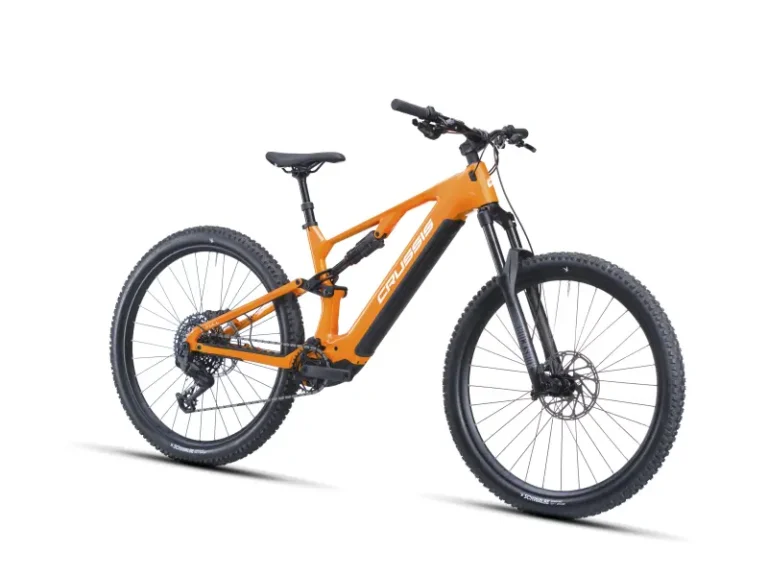
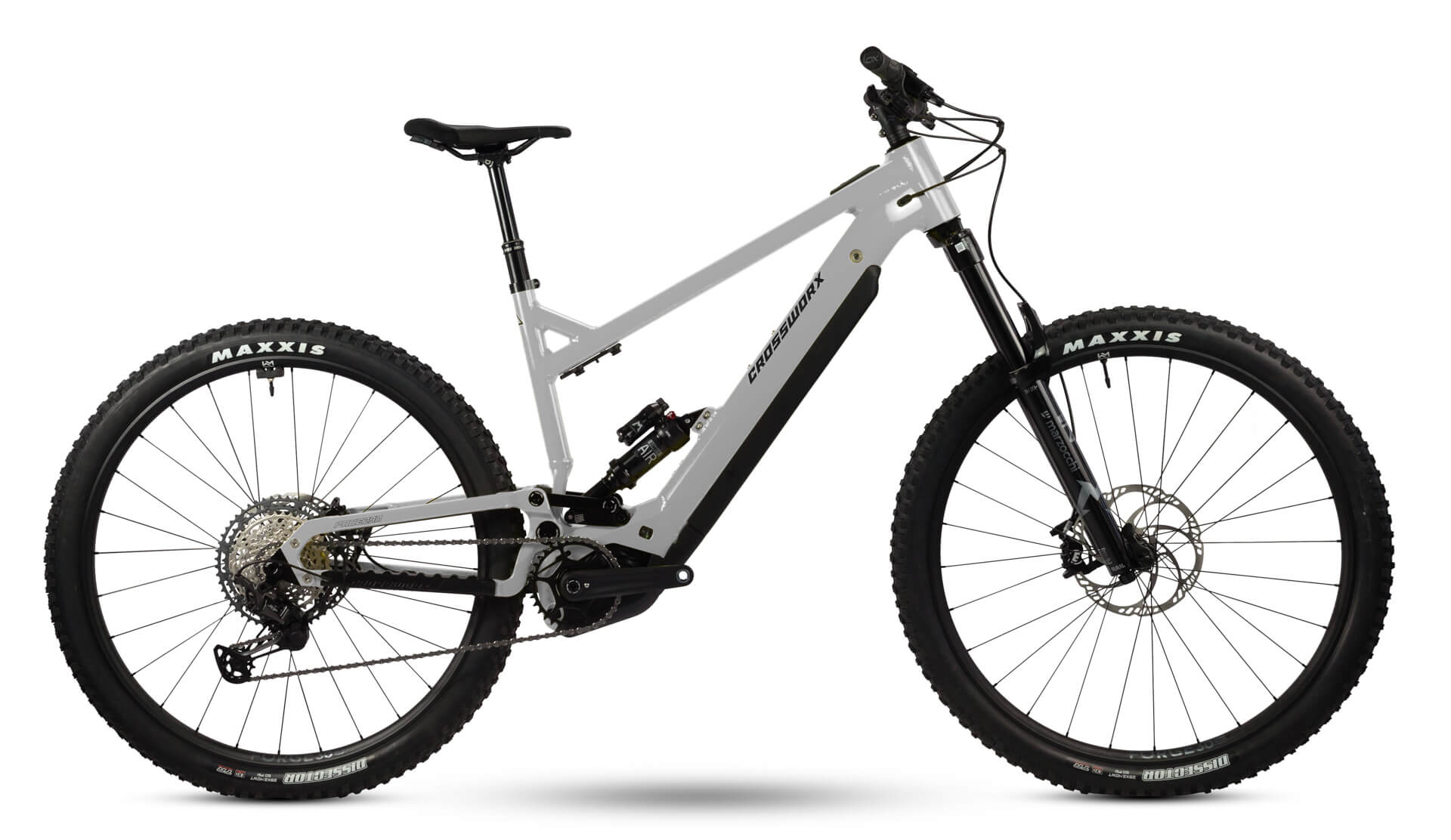
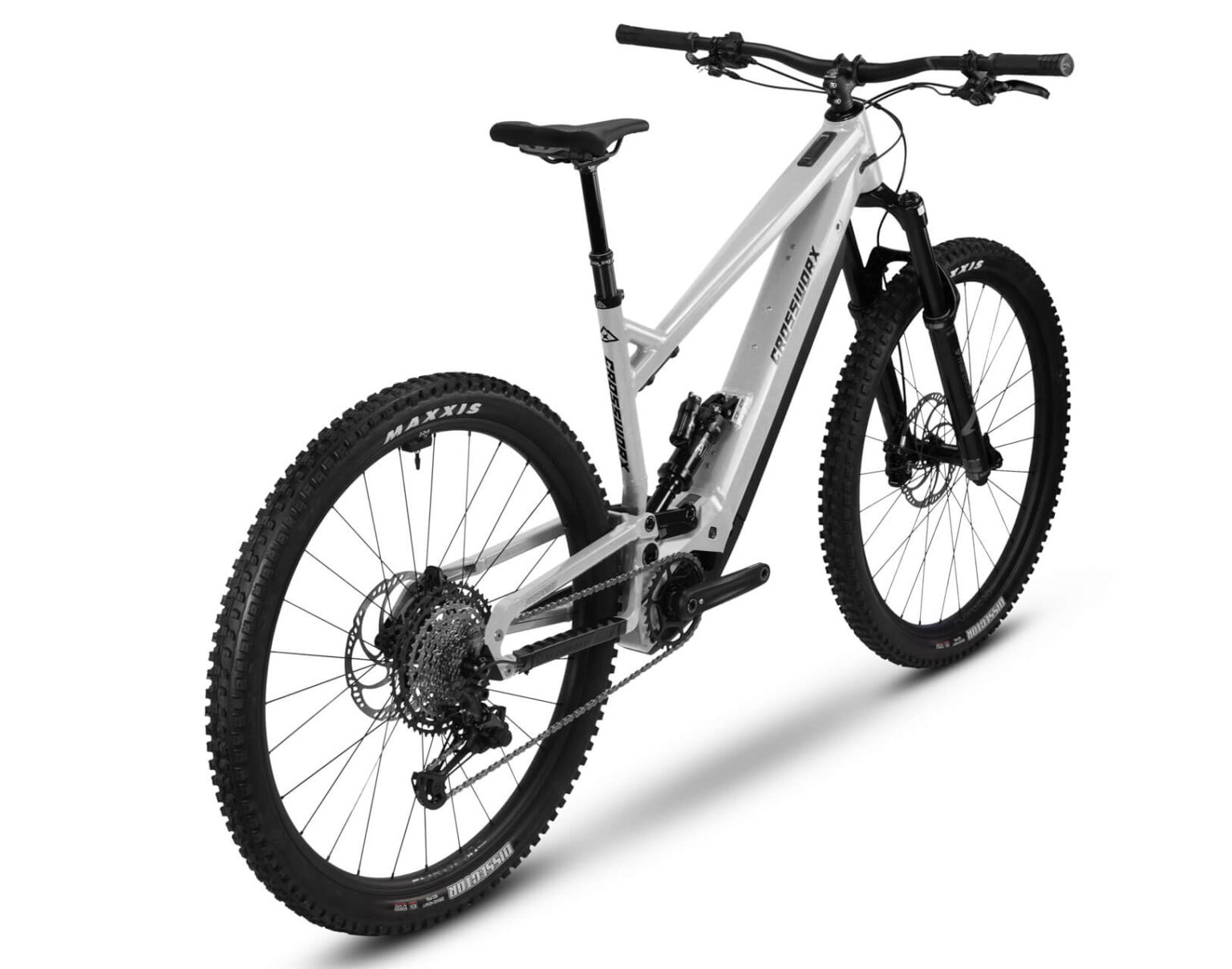
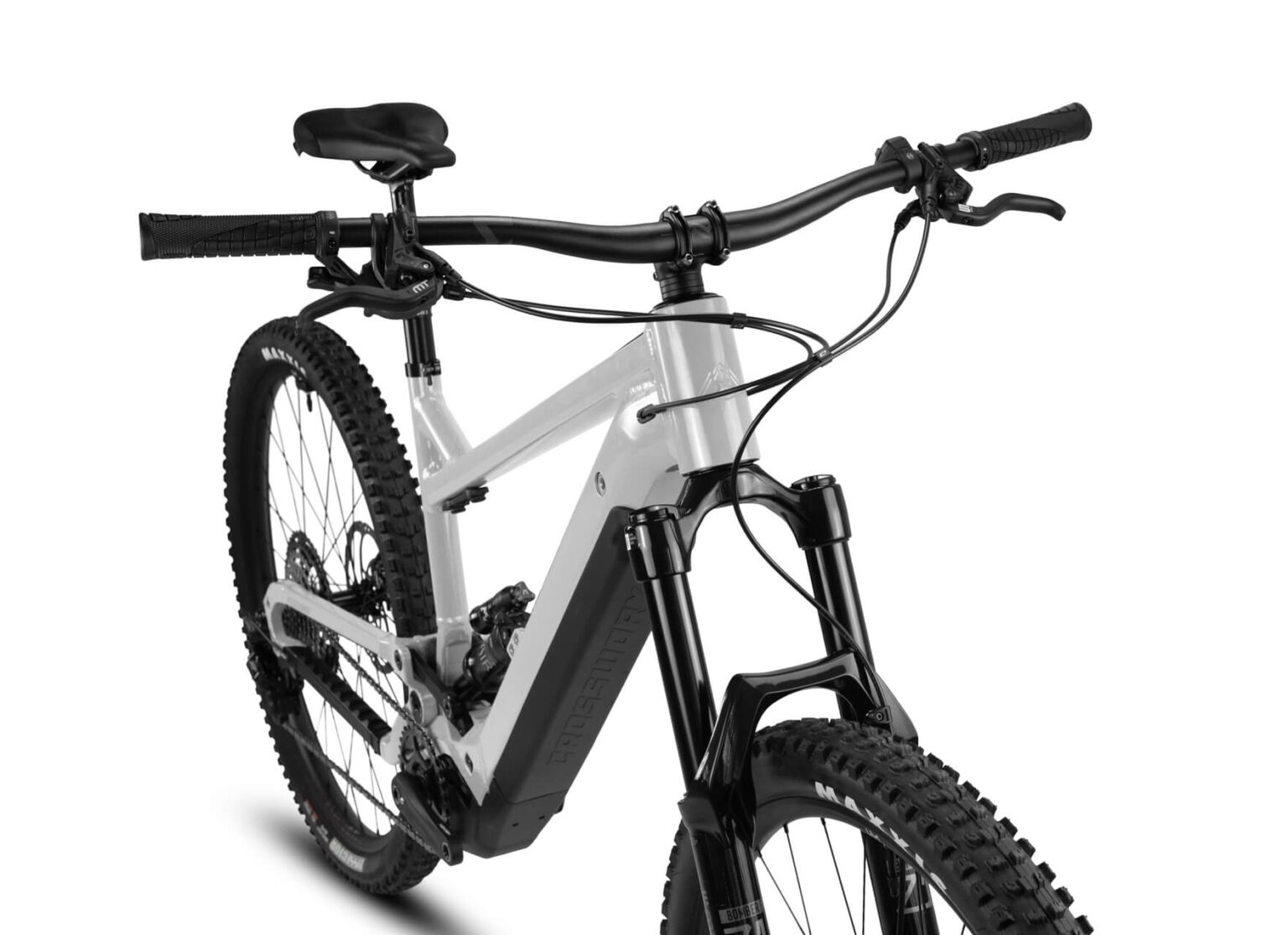
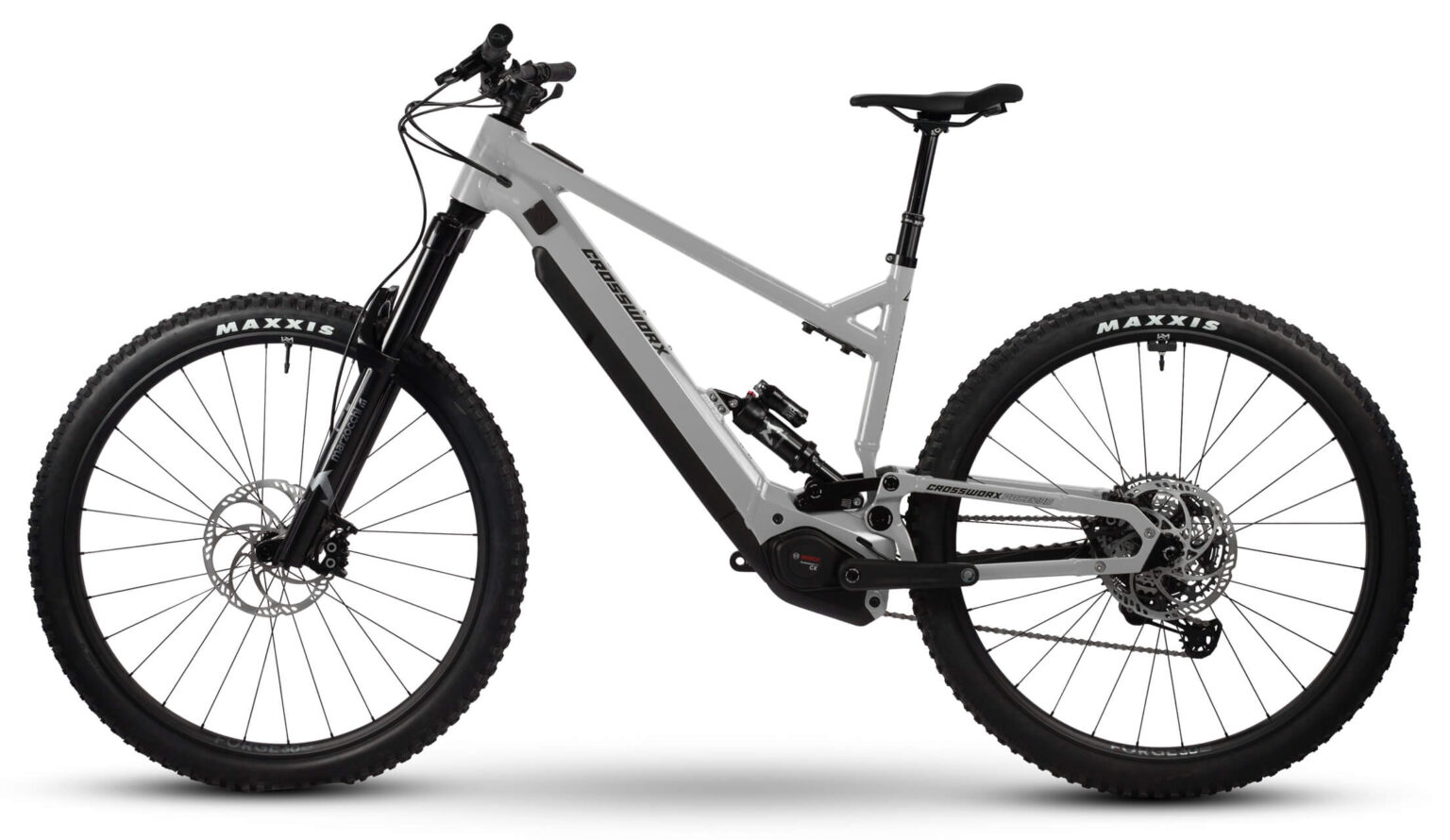
The manufacturer's German product page describes a 7020 aluminium frame with 160 mm of rear travel, a 160 or 170 mm-travel fork and Bosch Performance Line CX. These are configuration details; they do not alone establish impact absorption or the effort needed to change direction.
| Component | Official reference | Practical decision |
|---|---|---|
| Concept | Full-power electric enduro | Prioritise terrain and handling, not just the motor |
| Frame | Aluminium 7020 | Compare the whole set, not the isolated material |
| Suspension | 160 mm rear; 160 or 170 mm front | Confirm the fork and geometry of your order |
| Assistance | Bosch Performance Line CX | Identify the drive unit and software on the actual bike |
| Wheels | 29/29 or 29/27.5 | Order the correct configuration from the beginning |
On paper, that travel suits demanding use, but describing it as permission for any jump would be a mistake. Approved use and limits must come from the manual and exact build specification. An enduro bike does not remove the need to inspect components, settings and condition after a hard ride.
Advertisement / sponsored link
First confirm the exact frame revision
Before getting excited about a deal, request the specifications for the bike you will receive. We found official information that is not fully synchronised across languages and documents. We therefore state no universal weight or specific head angle for every PACE290.
For example, the English page and the German page list different reference weights for the complete bike. The website table and the linked geometry drawing also disagree on head angle. This does not establish which describes your future order: request written confirmation of the revision, fork and size without mixing figures from two documents.
My advice is to request a final sheet identifying the revision, approved headset, battery, rear shock, fork and component list. If you want to alter head angle or reach with a special headset, ask explicitly about compatibility. A headset cup that appears to fit is not sufficient evidence.
This care is not unique to small brands. Frame updates, remaining stock and build changes can share a trade name. The benefit of dealing directly with the manufacturer should be precisely the ability to resolve these questions before paying.
600 or 800 Wh: buy energy for the rides you actually do
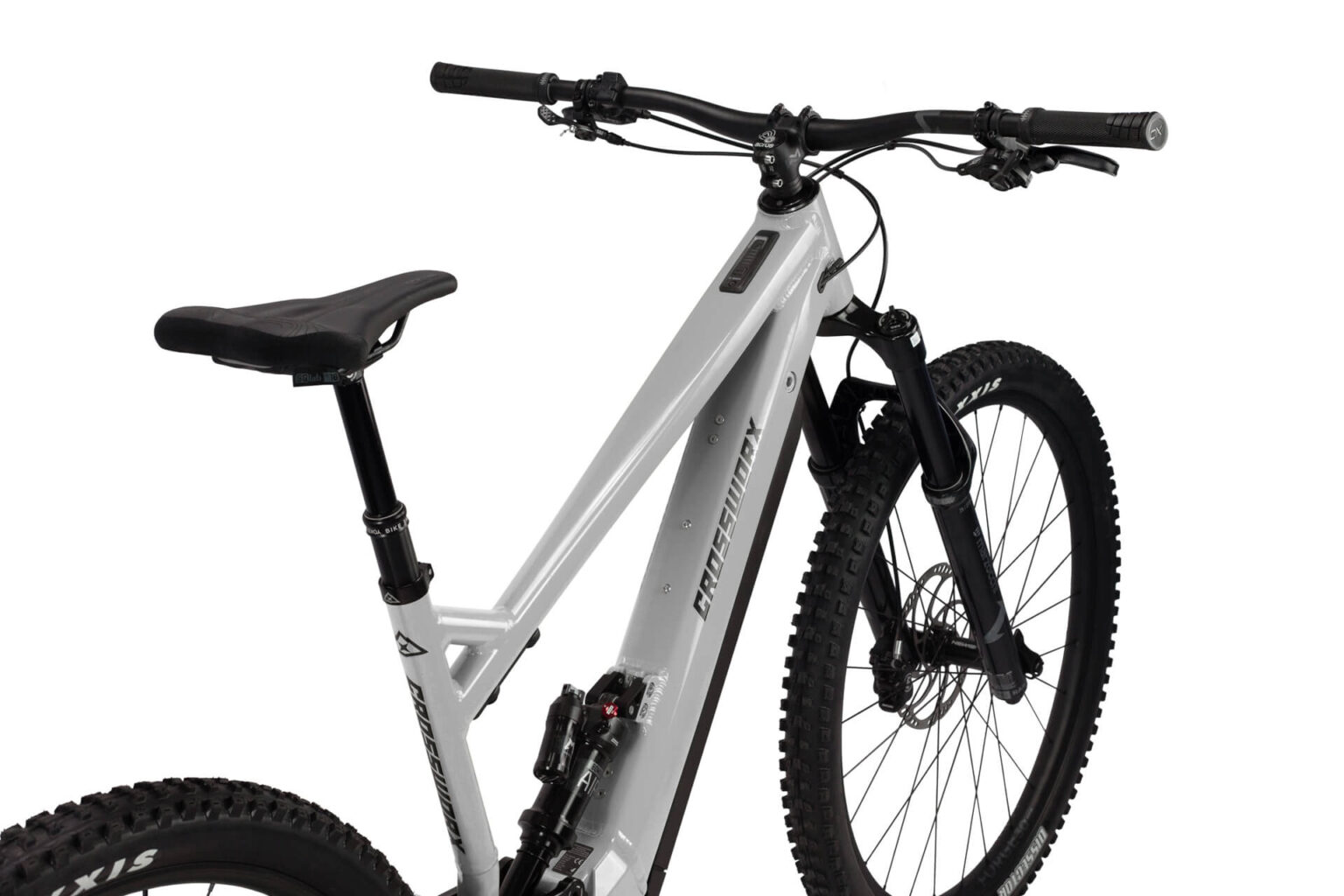
The German configurator offers a 600 Wh PowerTube and an 800 Wh option. The latter stores 33% more nominal energy: this is the mathematical capacity ratio, not a promise of 33% more kilometres on every route. Converting energy to distance requires knowledge of consumption and conditions.
Start with your usual rides. Record duration, elevation gain and remaining reserve on a familiar bike. Include difficult days: mud, cold, slow terrain or a route that adds more climbing than planned. Buying for an extreme case you ride once a year can overspecify every other outing; buying without a margin because one ideal ride went well can also prove costly.
Larger capacity makes sense if you regularly need a reserve. The smaller option may suit shorter rides and a configuration tailored to that use. We assign no weight saving here: any complete-system difference must be confirmed for the specific batteries and mounts, not inferred from Wh alone.
Our guide on range, consumption and elevation gain helps interpret your data. For the PACE290, the question is not which battery wins a table, but which lets you finish your ride with a reasonable reserve.
PowerMore: special attention if you need size M
The brand offers a 250 Wh PowerMore, but its FAQ says it does not fit size M. Do not assume an accessory offered in the configurator suits every combination. If the extender is essential, resolve size and mount compatibility before choosing the bike.
Do not buy a larger size just to accommodate it. Body fit and trail control must take priority. Asking about a suitable main battery is preferable to spending years riding a bike that is too long because an accessory dictated the entire order.
On compatible sizes, adding external energy means another part to secure, charge and protect. Check the remaining space for water and tools and how you access both during a ride. Total capacity on paper does not describe the setup's convenience or ease of arranging it on a particular frame.
Advertisement / sponsored link
If travelling, consider where you will charge and how you will transport batteries according to the applicable instructions. A useful reserve is one you can actually carry and prepare; a theoretically excellent solution that always stays at home adds no range in the mountains.
29-inch or mullet: it is more than removing a wheel
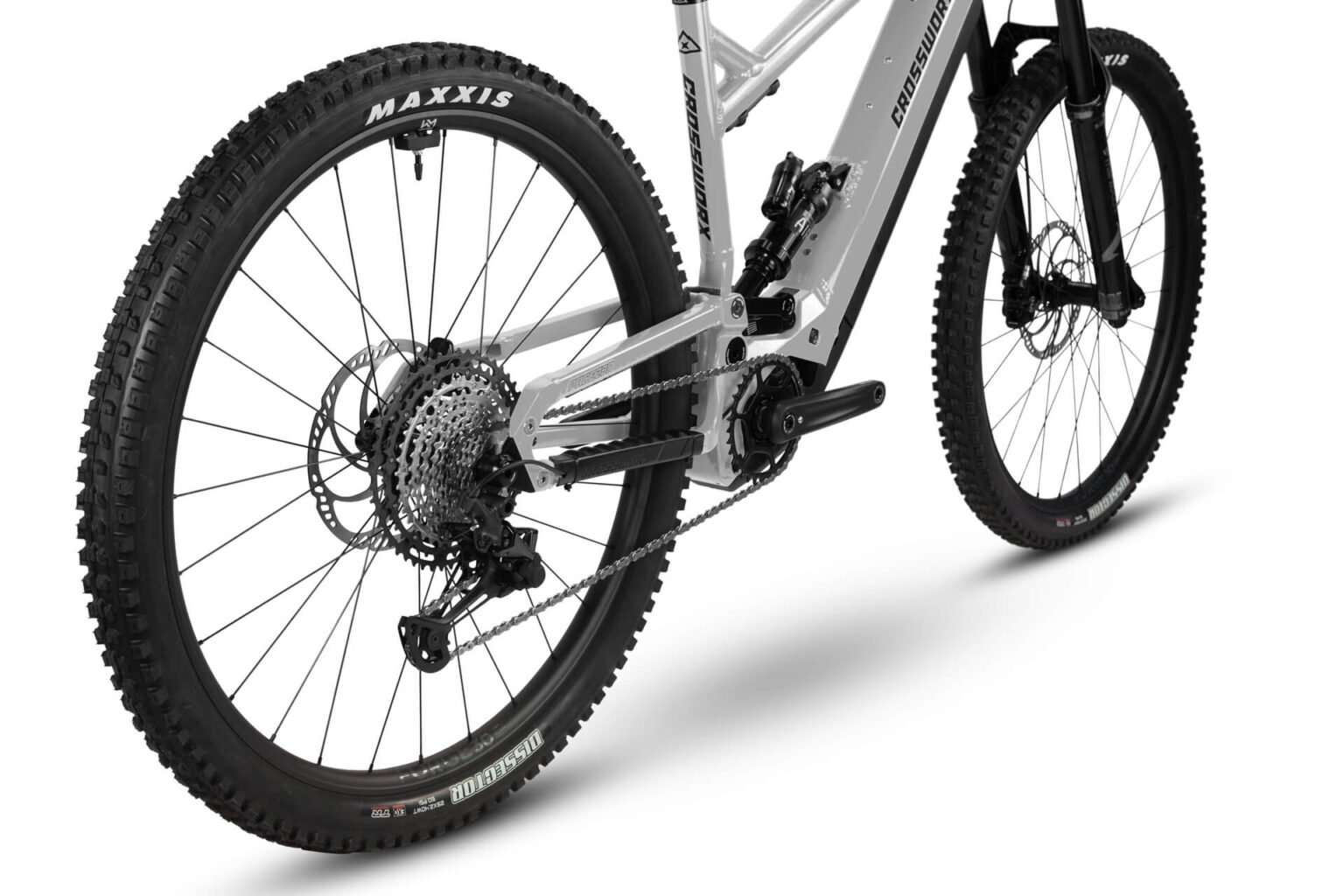
CrossWorx offers dual 29-inch wheels and a mixed setup with a 27.5-inch rear. It lists 455 mm chainstays for the former and 435 mm for the mixed setup. This difference calls for treating the choice as a complete configuration: we do not assume changing only the wheel preserves the bike as intended by the brand.
In general, a larger wheel makes some obstacles easier to roll over, while a smaller rear wheel can give more room for body movement. These are design tendencies, not measured results for this PACE290. Tires, overall length, suspension setup and technique can greatly change the final feel.
If you ride dual 29-inch wheels and like their handling, there is no need to change for fashion. If you regularly lack body clearance on steep slopes, the mixed-wheel setup is worth exploring. Where possible, test comparable bikes and explain your current limitations to the manufacturer instead of simply requesting the most aggressive option.
For a future conversion, request the required parts, compatibility and resulting geometry in writing. Then compare ordering the right setup initially with changing it later. Advertised possibilities should not be interpreted as a universal conversion needing no additional parts.
Advertisement / sponsored link
Choosing M, L or XL using more than your height
The official drawing lists reach figures of 450, 480 and 510 mm for M, L and XL. These are significant steps worth comparing with a familiar bike. Use the manufacturer's table as a starting point and confirm that it applies to the revision and fork you are ordering.
Reach describes part of your standing riding space, not the whole picture of where your hands sit when seated. Front-end height, handlebar, stem and saddle position matter too. If your current bike feels long when manoeuvring, adding reach for fear the smaller size looks too small may make matters worse.
Then check the dropper post: usable travel, available insertion depth and actual saddle height. A long-travel post does not guarantee it can be lowered as far as you need. Send the manufacturer your current saddle height and the relevant measurements of a bike that fits you well.
Look for a configuration with normal adjustment room. Do not compensate for the wrong size by taking each component to an extreme. Between sizes, a precise conversation about riding position, terrain and preferences is worth more than an automatic height-only recommendation.
Where to invest when customising the build
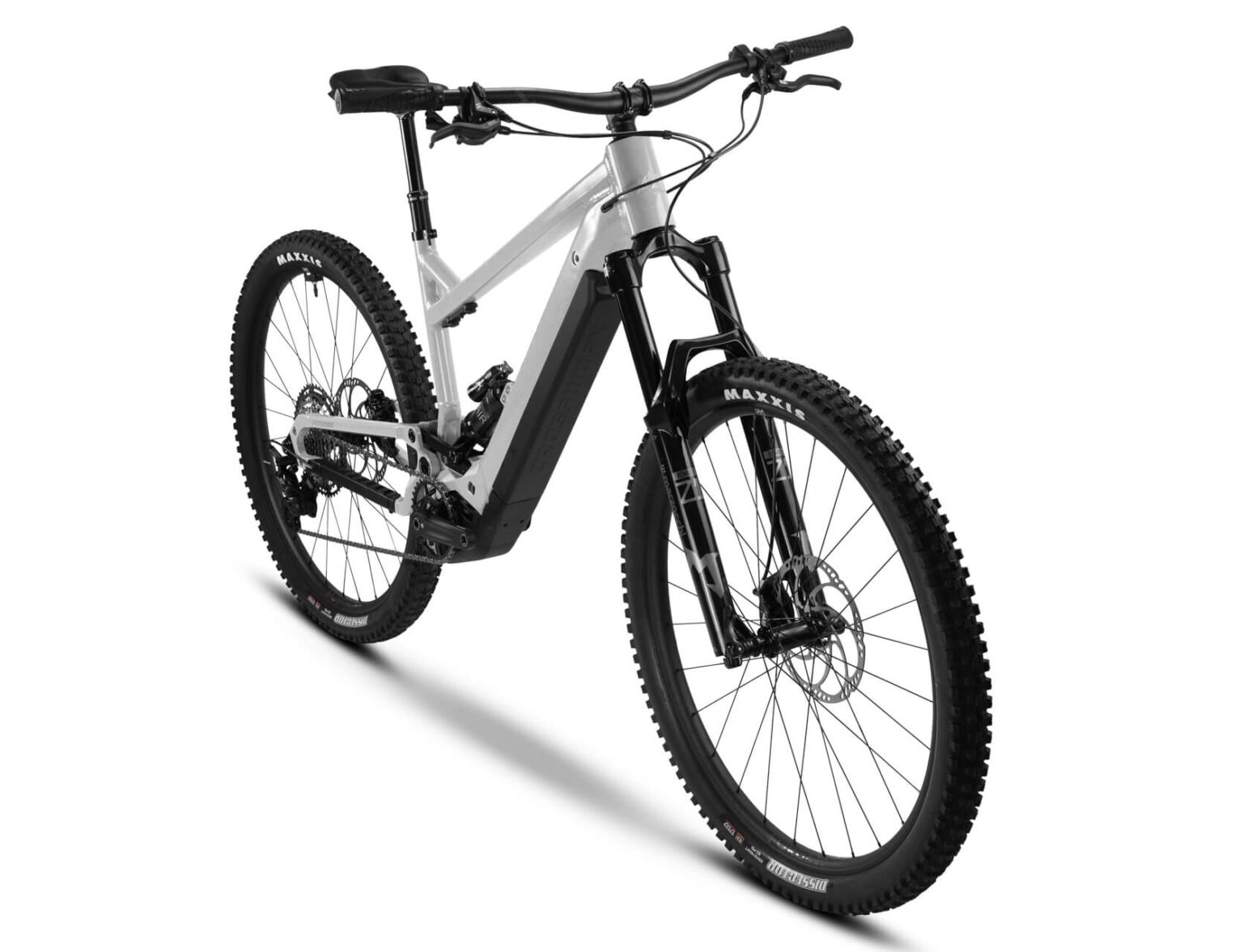
An open configuration is useful when each change addresses a real problem. I would prioritise budget by size and contact with the terrain: suspension suited to the use, tires, brakes and wheels. Then I would consider controls, dropper and drivetrain. This is an editorial priority, not a list of faults in the photographed build.
Do not choose a longer-travel fork simply because it looks like a free upgrade. Ask about approved options and their effect on geometry. Setup quality may matter more than adding travel, especially if you end up with suspension you cannot tune for your weight and terrain.
For brakes, confirm the model, rotors and complete installation. Photographs show one bike; they do not guarantee what every quote includes. The same applies to wheels: request hub, rim and tire models rather than a description that merely says high-end or enduro.
Reserve some budget for setting up and maintaining the bike. An expensive build with unsuitable tires and untuned suspension may inspire less confidence than a simpler, well-set-up selection. Our sag, rebound and compression guide explains the overall process without replacing the manuals of each component.
Buying in Spain: final quote and after-sales support
We do not publish a fixed Spanish price because we have not verified a final offer for a Spanish delivery address. A price in another language, a demonstration bike and a new custom order are not necessarily equivalent purchases. Compare like-for-like quotes and ask for taxes, shipping and components to be itemised.
Ask who handles frame faults and who services the electrical system. Do not assume every nearby workshop will handle everything simply because it uses Bosch. Establish which jobs it accepts, what documentation it needs and what happens if the bike or a part must be shipped.
For long-term maintenance, request availability and part numbers for bearings, the derailleur hanger, protectors and dedicated parts. Also ask how to obtain the manual for the revision purchased. One standard part does not make everything around it standard or every substitute suitable.
Advertisement / sponsored link
Before finalising, record the estimated lead time, configuration and procedure for supply changes in writing. If a component is substituted, agree how you will be notified. Customisation adds value when you know what you will receive, not when you must reconstruct the order from photographs after delivery.
Who it suits and what I would settle before paying
The PACE290 deserves a place on your list if you want a configurable aluminium Bosch eMTB and are drawn to small-scale European manufacturing. Its case is not that every carbon frame is worse, but that it offers an alternative with build and wheel choices you can explore before ordering.
I would be more cautious if you need to test the exact final build near home, do not want to manage a direct order or prioritise an already verified low weight. We have not checked those conditions or measured the bike here. Nor do we validate a figure simply by choosing whichever best favours a comparison.
- Unit: frame revision and matching documentation.
- Fit: size, fork and seatpost compatible with your position.
- Energy: main battery and actual feasibility of the range extender.
- Configuration: wheels and exact list of components.
- Purchase: final price, delivery and handling of faults.
Resolving those five questions turns an interesting bike into a purchase you can assess. Until then, any firm recommendation would be premature. The sensible next step would be to test the exact configuration for handling, noise and consumption in familiar conditions.
Is this an eMTB PRO trail test?
No. It is an original guide based on official documentation and manufacturer photographs, without our own measurements.
Can I mount PowerMore in size M?
The official FAQ says it does not fit size M. Confirm the configuration before buying; do not choose the wrong size to accommodate it.
Does 800 Wh guarantee 33% more kilometres?
No. It provides 33% more nominal energy than 600 Wh, but distance depends on consumption and conditions of use.
Do the photographs guarantee the build I will receive?
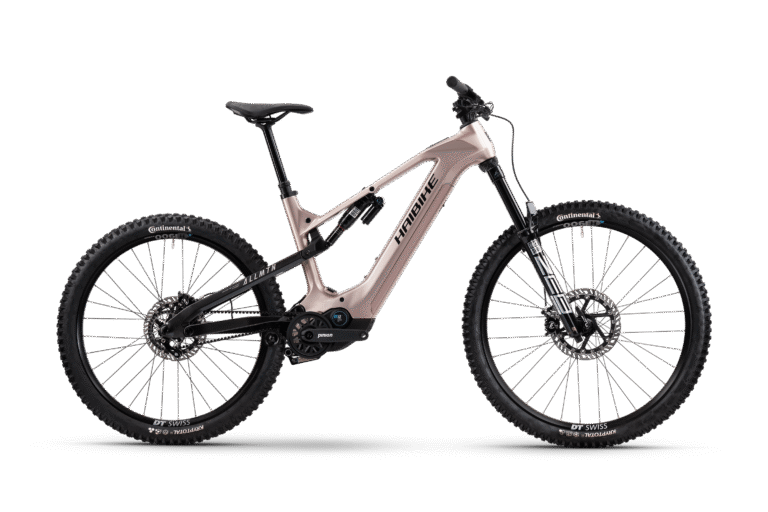
No. They illustrate one official configuration. The final quoted component list and frame revision must be identified in writing.
Sources and documentation
Information checked on 17/10/2026. Original article based on official documentation, not our own trail test. Equipment and availability may vary by market.
Have you used this bike, motor or component?
Join eRIDERSeMTB on Telegram to discuss real experiences with other riders: Bosch, Avinox, Shimano, deals, faults and buying decisions. The community currently speaks Spanish.
Join TelegramAdvertisement / sponsored link
Advertisement / sponsored link
Advertisement / sponsored link