Moustache CLUTCH 160.8 vs 160.9: Pinion, belt drive and what an extra €1,000 buys
Buying guide · eMTB PRO
Two eMTBs with Pinion and belt drive, but different specifications. We compare Spanish prices, suspension, brakes, automatic functions and maintenance while putting the 160 Nm figure in context.
Advertisement / sponsored link
CLUTCH: changing architecture, not just the motor
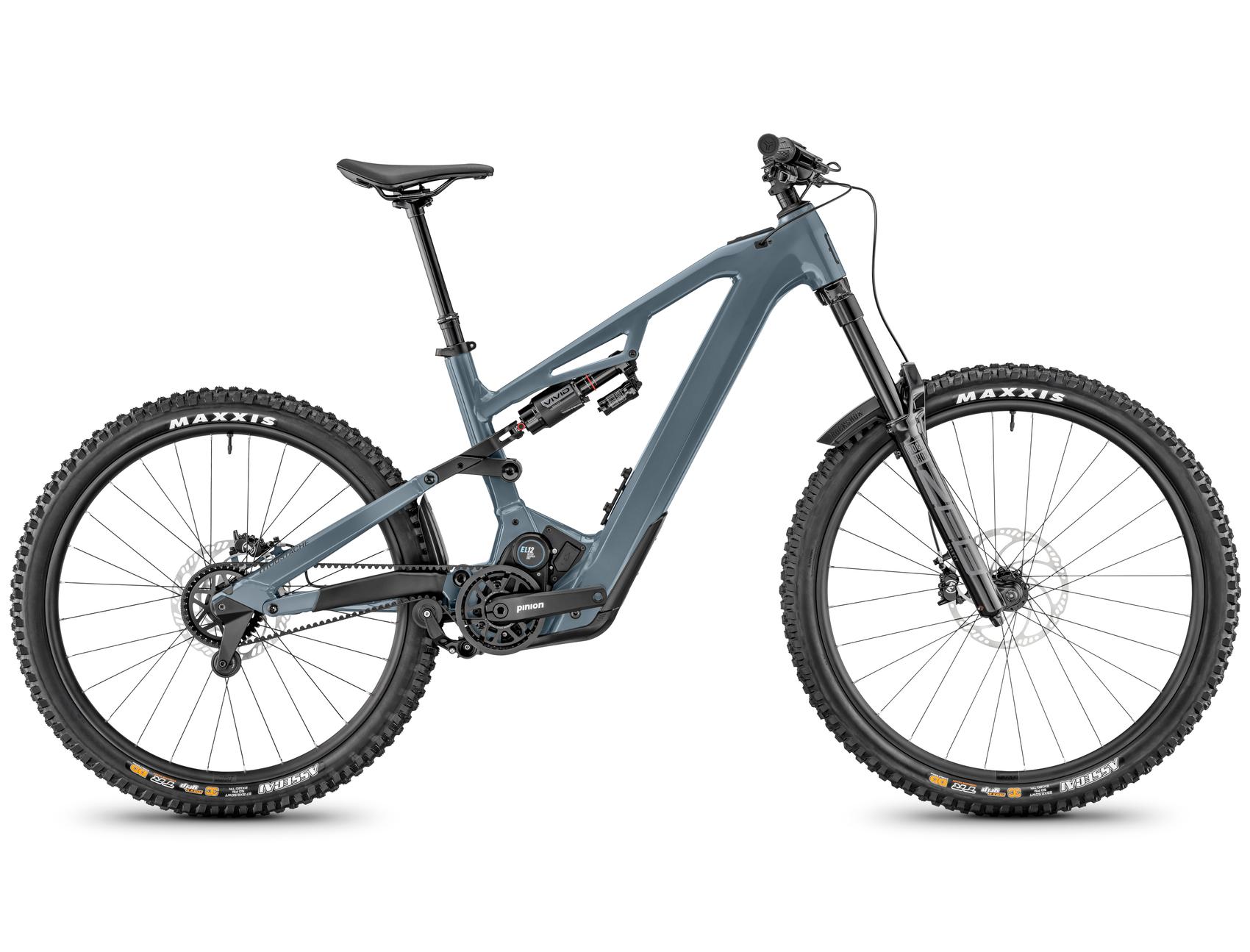
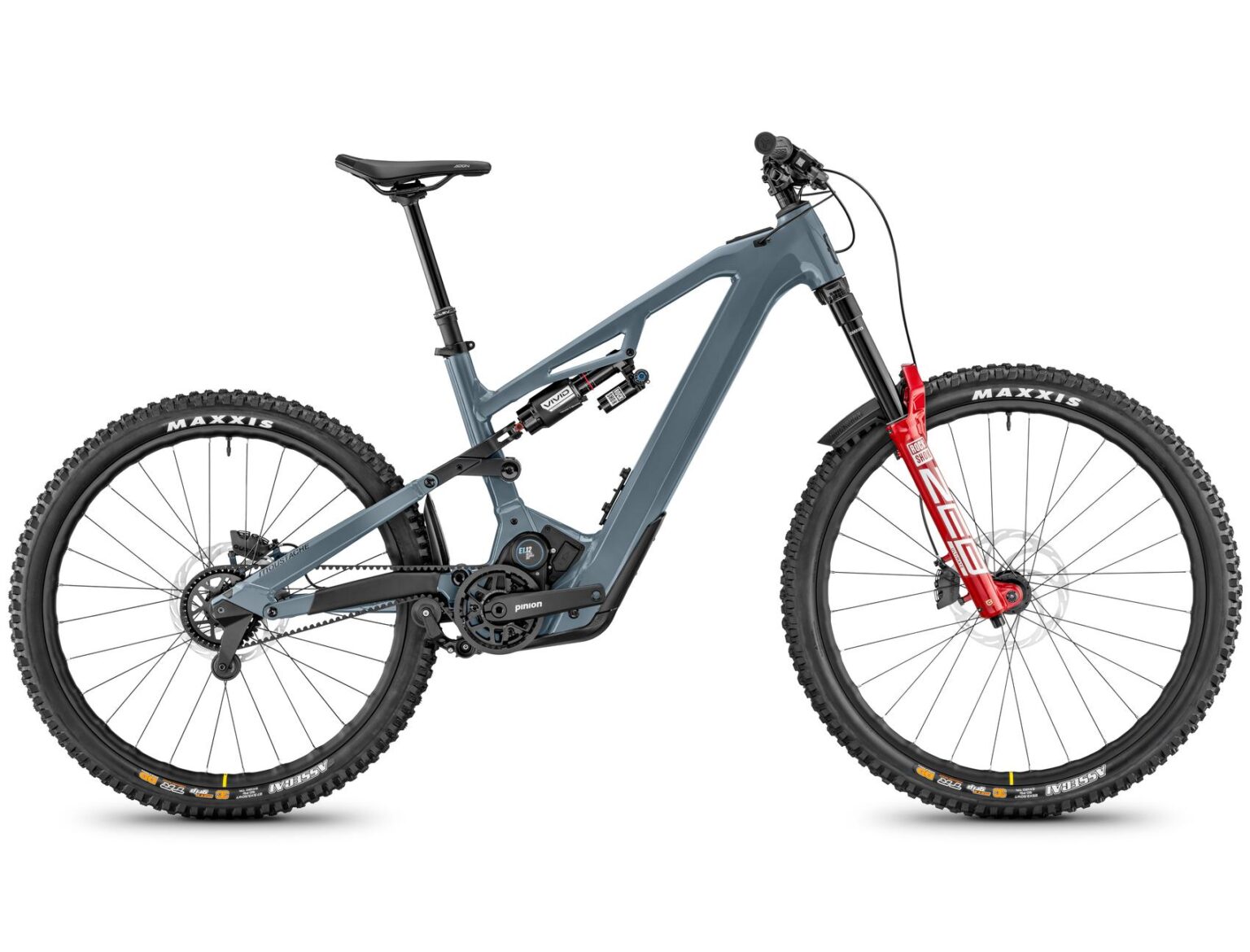
The Moustache CLUTCH raises a question beyond Bosch versus Avinox: would you rather retain a rear derailleur or put the gears inside the drive unit? Its 160.8 and 160.9 versions combine Pinion MGU with a Gates belt. The appeal is not merely a different drivetrain, but changing some routine tasks and removing the derailleur normally exposed beside the wheel.
This is a buying guide to the range available on the Moustache's Spanish website, checked on 18 October 2026. We do not present the CLUTCH as today's launch or as our own test. We have not measured noise, consumption, shift times or suspension effectiveness; we distinguish official specifications from our practical interpretation.
Assess this approach by starting with what bothers you about your current bike. If cleaning, drivetrain exposure or managing gears is the main issue, it deserves attention. If your priority is reducing eMTB weight or increasing peak power, this architecture does not meet that need on its own.
160.8 versus 160.9: where the extra 1,000 euros go
The Spanish product pages show prices from €6,499 for the CLUTCH 160.8 and from €7,499 for the 160.9. These are catalogue prices checked today, not an individual offer or confirmation of shop stock. The published difference is €1,000.
| Component | CLUTCH 160.8 | CLUTCH 160.9 |
|---|---|---|
| Motor and gears | Pinion MGU, 12 speeds | Pinion MGU, 12 speeds |
| Battery | 780 Wh | 780 Wh |
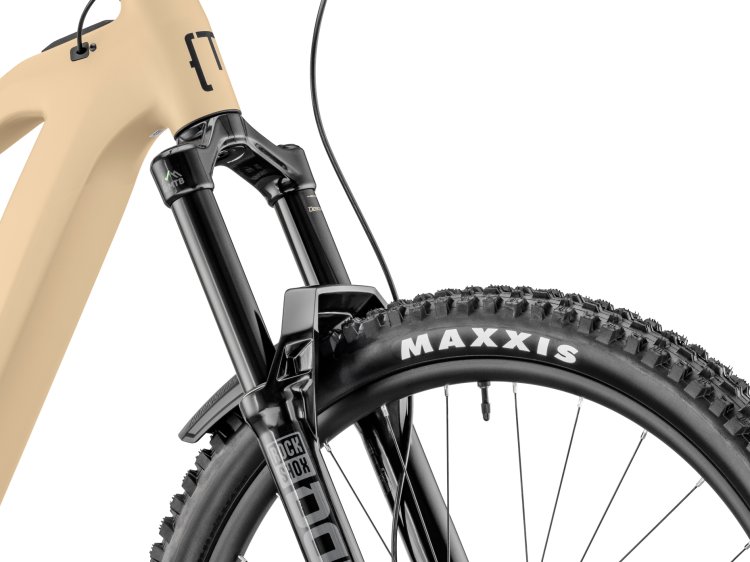
| Fork | ZEB Select, 170 mm | ZEB Ultimate, 170 mm |
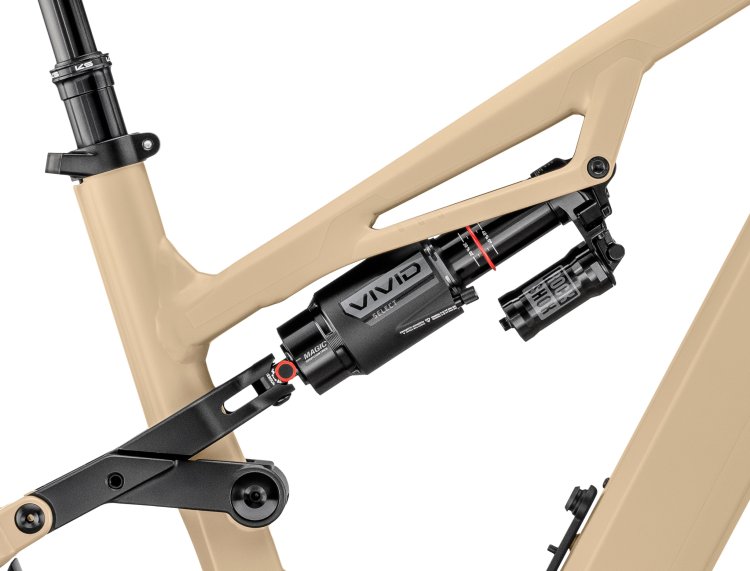
| Shock | Vivid Select | Vivid Ultimate |
| Brakes | Magura MT5 | Magura Gustav Pro |
| External drivetrain | Gates CDX belt | Gates CDX belt |
The upgrade makes more sense if you know you will use the extra adjustments and different braking system. Do not reduce it to one bike being basic and the other being capable of descending. Nor can you recreate the difference later with a single part: assess complete systems, compatibility and the real cost of the work.
I would start by comparing both in the same size with firm, complete quotes. If the 160.8 suits your riding, retaining money for setup, protective gear and maintenance may offer more than buying the higher model without a specific need.
Advertisement / sponsored link
Pinion's 160 Nm needs context
Moustache's specifications use the expression 85–160 Nm. Do not treat it as a direct scale against every mid-drive motor. Pinion explains in its technical note on torque and gears that a drive unit with an integrated gearbox cannot be compared directly with a conventional system's output.
The manufacturer uses approximately 85 Nm as a comparable reference and explains that low gears can deliver up to 160 Nm when the integrated reduction is taken into account. These are two ways of putting the system in context, not two modes to rank directly alongside another brand's catalogue figure. Neither is a measurement by eMTB PRO.
Request a test on a familiar climb before deciding. Observe how assistance starts, what happens when shifting under load and whether you find a comfortable cadence. Feel depends on more than torque: gearing, tires, grip, mass and your pedalling style also matter.
A useful comparison needs equivalent conditions. Change the route, tire, pressure and assistance level at the same time and it becomes difficult to attribute what you feel to the motor. The maximum figure may attract attention; understanding the behaviour you need on your terrain helps much more when buying.
Manual, semi-automatic or automatic: they are different uses
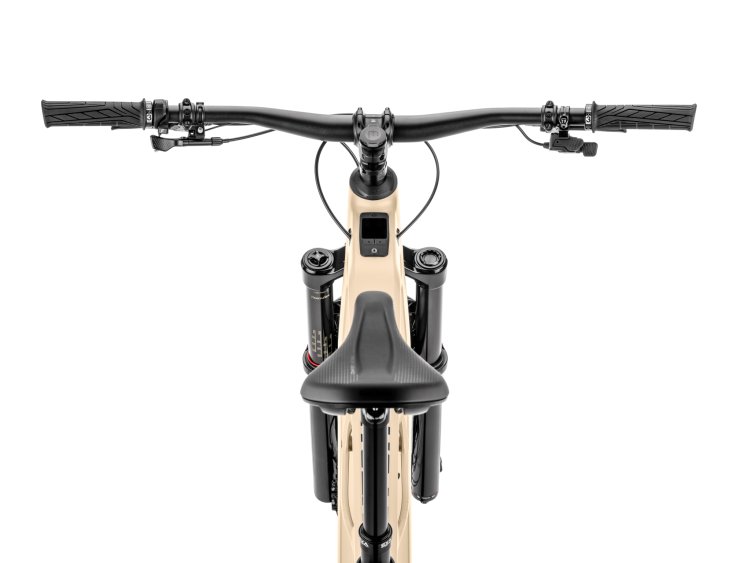
The CLUTCH range is presented with integrated gears and manual, semi-automatic and automatic options. The Smart.Shift documentation from Pinion distinguishes functions that you should try separately: not everything that changes a gear for you works the same way.
Start.Select selects a starting gear when you stop. Pre.Select adjusts gear selection while you coast. Auto.Shift manages shifts to target your chosen cadence, and Auto.Shift.Pro allows manual intervention during automatic operation. Confirm the software and active functions on both the demonstration bike and the one you buy.
On a technical section, you may prefer to decide when the gear ratio changes. On a long track, you may want to delegate more. You do not have to use automatic shifting in every situation to benefit from an integrated gearbox. The best setup is one you understand and can operate without distraction from your line.
Before trying it on difficult terrain, practise somewhere straightforward: identify the assistance, shifting and dropper controls. Ask the dealer to demonstrate how to enter and exit each function. A stationary button demonstration does not replace checking that you recognise the response while pedalling.
Belt drive does not mean a maintenance-free bike
The Gates CDX removes the routine of lubricating a chain. The official European distributor of Gates highlights precisely that lack of lubrication as a system feature. But removing one task does not mean forgetting the belt, pulleys, tension, alignment or moving frame parts.
Pinion specifies in its MGU service section an oil change every 10,000 km. That interval applies to the drive unit; it does not mean riding that distance without checking brakes, suspension, bearings or fasteners. Also follow your bike's current manual and technical support instructions.
Advertisement / sponsored link
Do not apply chain products to the belt or improvise tension settings. If damage, a new noise or irregular behaviour appears, identify the cause before continuing to use it. For any work, ask the workshop to follow the documentation for the specific build, especially since the drivetrain operates alongside rear suspension here.
The time saving may appeal if you ride frequently and struggle to keep a conventional drivetrain clean. Without usage and cost data, however, we cannot say you will always recover the purchase-price difference. Account for servicing, spares, labour and the problems you actually experienced with your previous bike.
The same travel, but different adjustment options
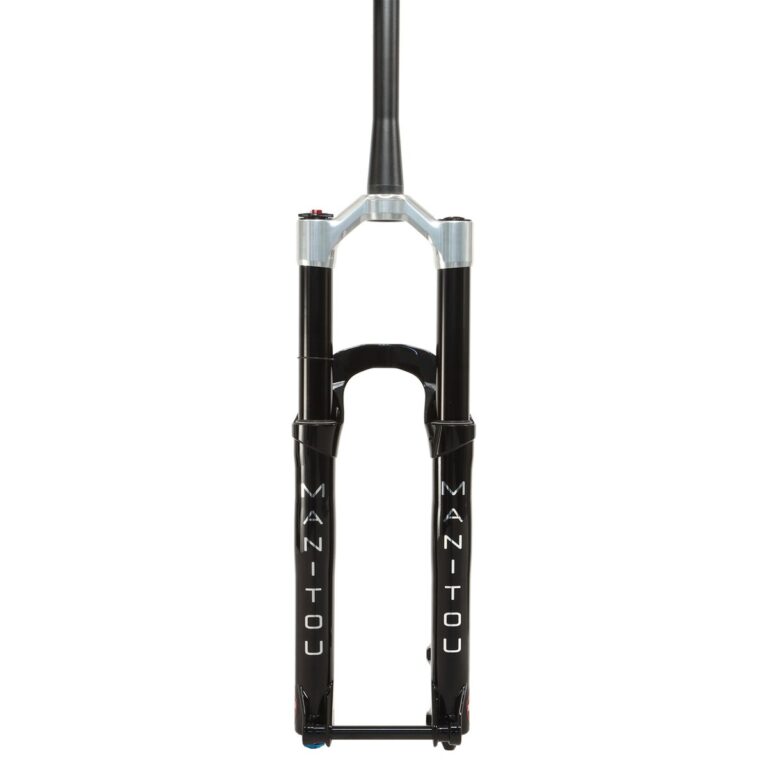
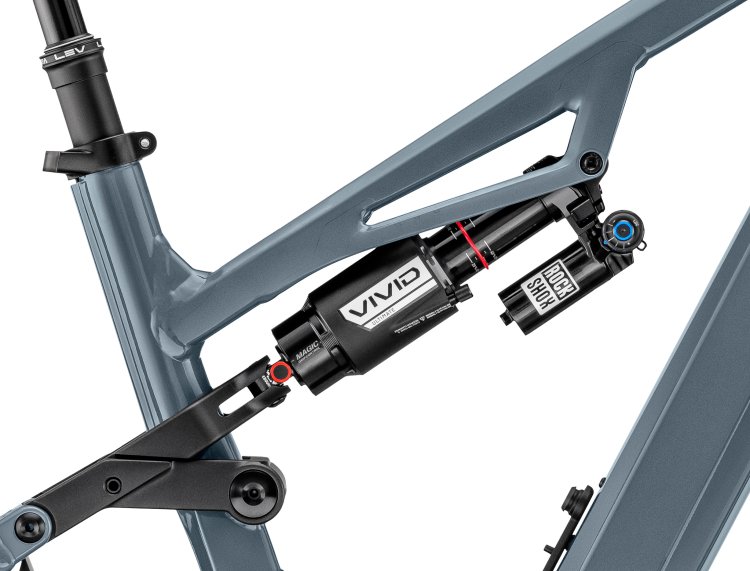
Both product pages specify 160 mm of rear travel and 170 mm at the front. The 160.8 uses ZEB Select and Vivid Select; the 160.9 moves to Ultimate versions. Do not confuse a shock's model name with a measurement of the complete system's performance: kinematics, internal tune and setup matter too.
If you rarely adjust suspension, the first improvement should be learning to establish a suitable baseline. Start with the manufacturer's recommendations for your fully equipped weight and change one variable at a time. More controls do not help if several are changed without recording the problem they were meant to solve.
If you already recognise specific limitations on descents, explain them to the dealer: lack of support, recovery between impacts or difficulty using the available travel. Testing on a familiar section can help determine whether the 160.9's adjustments offer something you need. We do not claim either absorbs impacts better: we have not compared them on the trail.
Our guide to sag, rebound and compression sets out the general process. Specific pressures and settings must suit the component on your bike, not one in a photograph or on a similar bike.
Advertisement / sponsored link
780 Wh: an energy reserve, not guaranteed kilometres
Both versions have the same claimed capacity. Paying the difference between 160.8 and 160.9 therefore buys no extra Wh according to the product pages checked. Nor does this establish that they will cover exactly the same distance: consumption and conditions can vary even with the same battery.
Assess whether that energy meets your needs using your normal routes with a margin added. Duration, elevation gain, temperature, terrain and pace define your requirements better than an isolated maximum-range claim. A slow technical route does not necessarily consume as much energy as the same distance on an easy track.
Check in the shop how the specific bike's battery is charged and handled, which charger is included and whether your storage location suits that routine. We do not confirm an alternative capacity or compatible range extender here: any extra option must be approved for that frame and system.
During a test, also distinguish electric assistance from automatic shifting settings. Changing everything at once may lead you to attribute a consumption difference to the wrong component. The guide to Wh, elevation gain and real-world range explains how to organize a comparison without promising universal distances.
Mullet wheels and sizing: consider handling the bike when stationary too
The stated setup combines a 29-inch front wheel with a 27.5-inch rear. This does not automatically make the CLUTCH easy for everyone to handle. Size, cockpit position and handling without assistance deserve as much attention as the motor specifications.
Include slow manoeuvres, starts, turns and getting on and off during a test. Also check that you can store it in your usual place and handle it safely. It is easy to judge an eMTB only while pedalling, then discover that getting it into your home affects every ride.
Recommended rider heights by size are only a guide. Bring your saddle height and measurements from a bike you find comfortable, and check the seatpost, standover clearance and handlebar reach. Do not compensate for the wrong size by taking every adjustment to an extreme.
If you're worried about weight, ask them to weigh the unit as you will receive it, with its accessories. Compare equivalent configurations and not just a published figure of another size. We have not verified the actual weight of either version here.
MT5 or Gustav Pro: compare the entire system
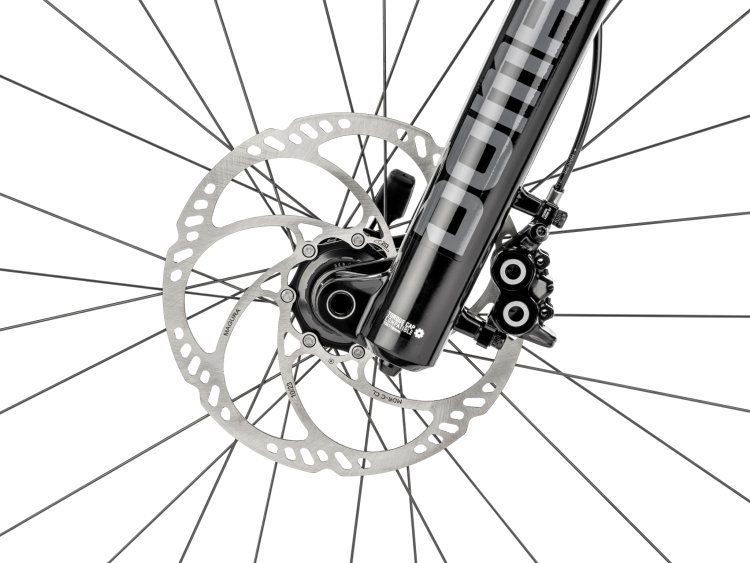
The 160.8's MT5 and the 160.9's Gustav Pro brakes are a significant specification difference. The 160.9 page specifies 203 mm MDR-S rotors, 2.5 mm thick. Do not interpret that dimension as a recommendation to fit any rotor to any caliper.
If considering a future upgrade, check the brake, rotor, adapters, mounts and installation procedure. A change may require more parts than expected. Compare the cost of receiving the complete system with modifying it later, without inferring compatibility from diameter alone.
Advertisement / sponsored link
The decision also depends on your riding. Long descents, load, terrain and braking technique cannot be reduced to a model name. Before blaming a limitation on the brake, check its condition, bedding-in and setup. When testing a different bike, familiarise yourself with brake lever feel somewhere safe.
For more technical context, see our guide to Gustav Pro and 2.5 mm rotors. It is not a comparative test of these two CLUTCH models or a substitute for inspecting the actual setup.
What to ask the distributor before closing the purchase
Request a quote that identifies version, size, color, year or revision and components. The fact sheets themselves warn of possible specification changes. In a stock offer, a generic photo is not enough to show which suspension, drivetrain or brakes you will receive.
Ask who services the MGU, battery and electronics, how updates are handled and what scheduled maintenance costs. Also ask what happens if a fault requires a part to be shipped. Low maintenance is much more convincing when you know where the servicing takes place.
Check availability of belts and dedicated parts, tensioner documentation and the conditions applying to your purchase. We do not extend warranties between markets or promise repair turnaround times here. A dealer familiar with the system can clarify these points before a fault leaves you without a bike.
Finally, request a handover with control explanations and an initial setup. A bike switching on does not establish that its size, suspension and controls suit you. The purchase is complete when you understand the equipment and know what to check, not when you leave with an invoice.
My choice: first the concept, then the build
I would start with the 160.8 if you want to experience an eMTB with an integrated gearbox and belt without paying for every higher-end component from the outset. I would consider the 160.9 if you know you will use its suspension and brake differences and the budget leaves room for maintenance and other essentials.
I would choose neither simply for the 160 Nm figure or the belief that servicing is no longer needed. The value lies in whether the architecture suits you. Removing the derailleur and changing drivetrain routines will be a major improvement for some; others will prefer a familiar system and very local servicing.
The final recommendation depends on a test and the actual bike available. Compare these bikes as complete builds, not two prices around the same motor. Confirming real needs and costs is the best way to decide whether the extra €1,000 makes sense for you.
Does the CLUTCH 160.9 have a larger battery than the 160.8?
Not according to the Spanish product pages checked: both state 780 Wh.
Can the 160 Nm figure be compared directly with any motor?
No. Pinion explains that the integrated gearbox changes how output torque is interpreted; catalogue figures are not directly comparable.
Do a belt and Pinion mean zero maintenance?
No. The drive unit, external drivetrain and rest of the bike still require servicing. Pinion specifies an MGU oil change every 10,000 km.
Does this article report our own hands-on test?
No. It is an original comparison based on documentation and official photographs; we have not measured performance or range.
Sources and documentation
Information checked on 18/10/2026. Original article based on official documentation, not our own trail test. Equipment and availability may vary by market.
- Moustache Spain: CLUTCH 160.8, price and specifications
- Moustache Spain: CLUTCH 160.9, price and specifications
- Moustache Spain: CLUTCH concept and range
- Pinion: how an MGU changes the interpretation of torque
- Pinion: MGU maintenance
- Pinion: Smart.Shift, Auto.Shift and Auto.Shift.Pro functions
- Gates Carbon Drive: CDX, official European distributor
Have you used this bike, motor or component?
Join eRIDERSeMTB on Telegram to discuss real experiences with other riders: Bosch, Avinox, Shimano, deals, faults and buying decisions. The community currently speaks Spanish.
Join TelegramAdvertisement / sponsored link
Advertisement / sponsored link
Advertisement / sponsored link