Orbea Rise SL M10 RS vs. LT M10 RS: what does the extra €500 buy?
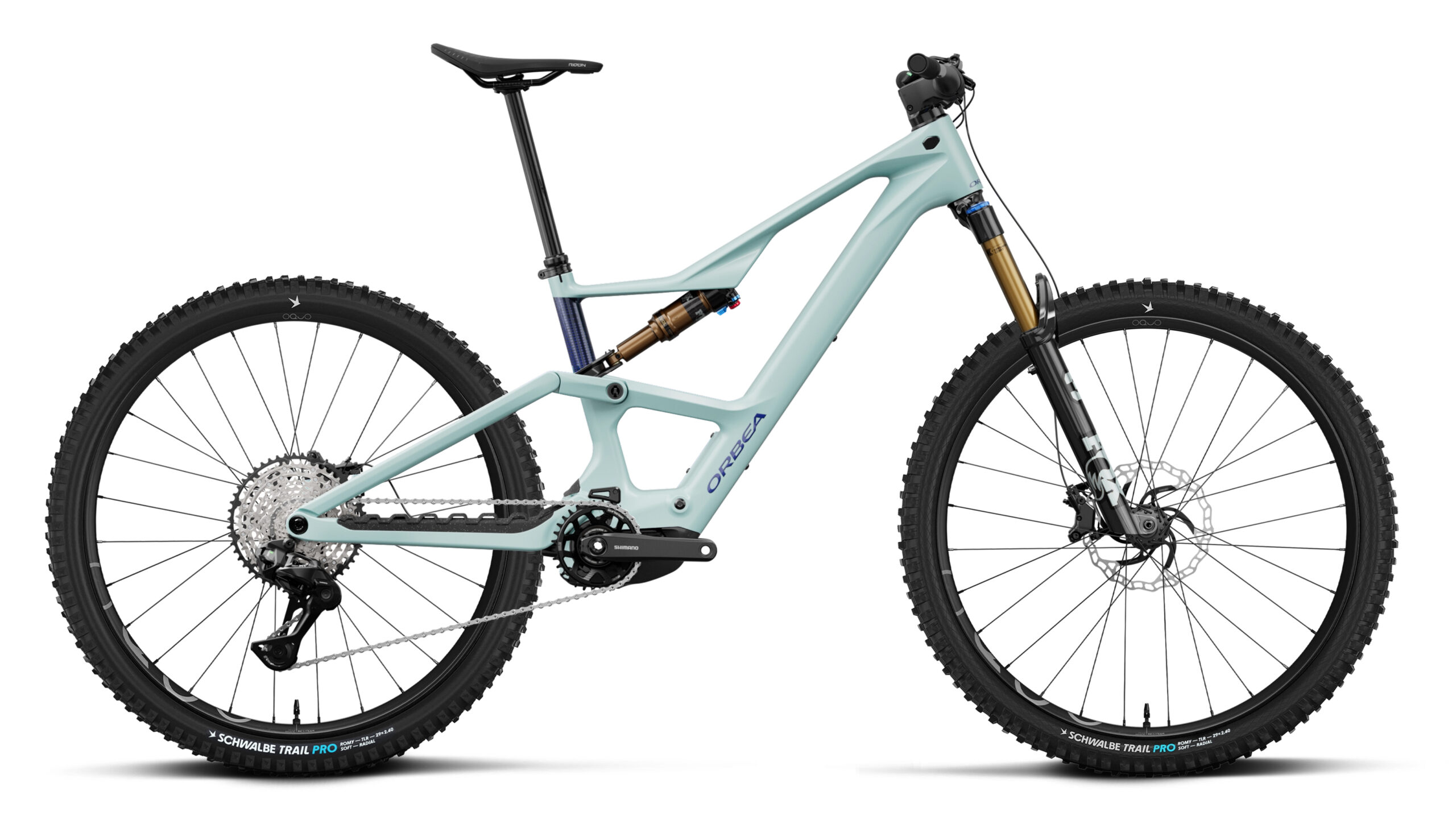
The Rise SL M10 RS was listed at €7,999 and the LT M10 RS at €8,499 in Spain on November 13, both with the base 420 Wh battery. Both run the same Shimano EP810 RS. The LT's €500 buys more travel, a different fork and a different brake setup. I'd start with the SL for mixed routes that involve a lot of pedalling. If long or technical descents are part of most rides, the LT makes more sense, provided the build and size suit you.
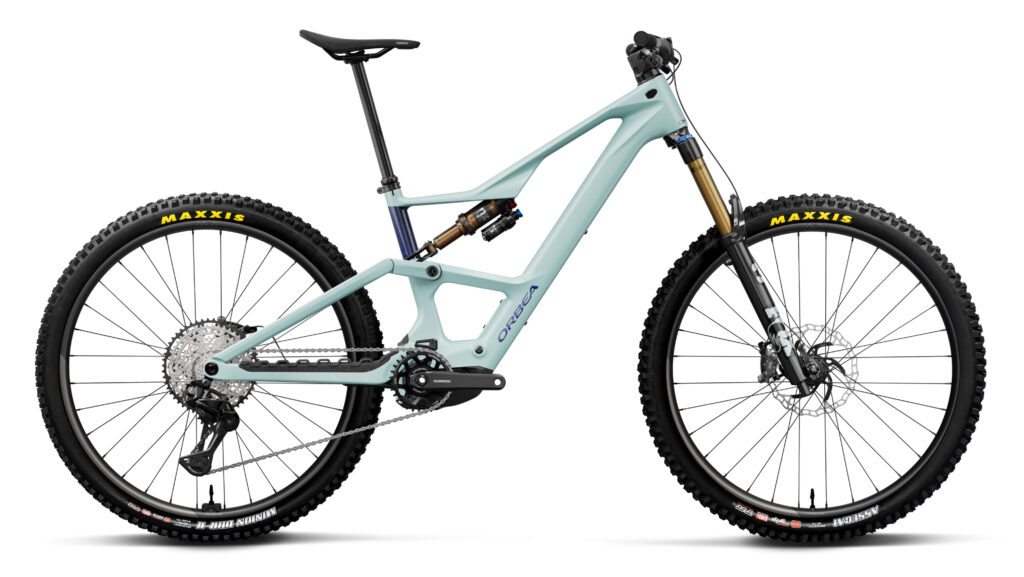
Lead photo: Orbea, via ENDURO.
Advertisement / sponsored link
Advertisement / sponsored link
The 2027 Rise was introduced in early November. This comparison puts two specific M10 RS builds on equal battery terms. The lightest weights Orbea lists for each family are not the weights of these two builds.
| Component | SL M10 RS | LT M10 RS |
|---|---|---|
| Observed Spanish base price | €7,999 | €8,499 |
| Motor | Shimano EP810 RS | Shimano EP810 RS |
| Base battery compared here | 420 Wh | 420 Wh |
| Front/rear travel | 140/140 mm | 160/150 mm |
| Fork | Fox 36 SL Factory GRIP SL | Fox 36 Factory GRIP X |
| Shock | Fox Float Factory, 210 × 50 mm | Fox Float X Factory, 210 × 55 mm |
| Stock brakes and rotors | Shimano MT620, 180/180 mm | Shimano XT M8220, 203/180 mm |
| Wheel format | 29/29 | 29-inch front and rear in the reference build; 27.5-inch rear option |
What changes when the motor and battery stay the same?
Orbea tunes the EP810 RS and claims up to 100 Nm and 600 W for this application. Orbea lists up to 85 Nm and 400 W in normal RS modes. Superboost temporarily raises that to 100 Nm and 600 W, the maxima also available in RS+. Shimano's headline 750 W figure for the generic EP810 does not describe these Rise builds. If you demo both, set the same profile before comparing the assistance on a climb.
The LT earns its case on the descent. Its 160 mm fork and 150 mm of rear travel come with a different Fox 36, a Float X shock and a front rotor that goes from 180 to 203 mm in the base configuration. Judge the package together. Rotor diameter alone cannot tell you how the lever feels. If your local trails mean repeated braking and rough steps, try the LT on that kind of terrain before deciding.
The SL is the easier case for a rider who wants 140 mm at both ends and spends most of the year on mixed trails. Saving €500 leaves room for the battery you actually need or the fit adjustments you would make on either bike. Extra travel is worth paying for when you use it often.
Choose your battery before paying for more travel
Orbea offers 420 and 630 Wh options on both models. It also lists a 210 Wh range extender at €449. Use a representative ride to decide. If long days are occasional, compare the cost of the smaller battery plus the extender and check what happens to your bottle space. If you accumulate a lot of climbing most weeks, compare two 630 Wh builds and ask for the weight of the bike you would actually receive.
Get a configuration summary with the total price, battery, wheels, tyres, rotors and delivery estimate. If one demo bike has a faster-rolling tyre and the other a tougher casing, part of the difference in feel and consumption will come from the tyres. Keeping both on 29-inch wheels also removes one variable when you compare geometry and suspension.
My pick
I'd buy the SL for my usual mixed ride. I'd pay for the LT if I could explain why I want the Fox 36, the Float X and the 203 mm front rotor on trails I ride regularly. If range is the deciding factor, configure both with the same battery first. The €500 is worth paying when the extra hardware solves a problem you actually have.
Sources
- Orbea Rise SL M10 RS
- Orbea Rise LT M10 RS
- Orbea Rise and the RS profiles
- eMTB PRO, comparison of the 2026 generation
Have you used this bike, motor or component?
Join eRIDERSeMTB on Telegram to discuss real experiences with other riders: Bosch, Avinox, Shimano, deals, faults and buying decisions. The community currently speaks Spanish.
Join TelegramAdvertisement / sponsored link
Advertisement / sponsored link
Advertisement / sponsored link
Advertisement / sponsored link