Kellys THEOS AX 2027: M2 vs M2S, removable 800 Wh and which build to choose
Technical guide · eMTB PRO
The AX40, AX70 and AX90 do not share the same motor or equipment. A guide to choosing a THEOS AX 2027, understanding its removable 800 Wh battery and requesting the right quote.
Advertisement / sponsored link
THEOS AX 2027: the model suffix matters more than the color
An eMTB with Avinox and a removable battery can solve two real problems: assistance for demanding climbs and charging at home without carrying the whole bike upstairs. The Kellys THEOS AX 2027 adds a third question: how to choose a build without paying for components you do not need. The mistake would be assuming they all have the M2S motor because the launch material highlights the top model.
Kellys announced the AX platform on June 24, 2026 and expanded the information about its 2027 collection in September. This is an editorial buying guide, not a launch that has just happened in October or our own ride test. The Avinox-powered AX range sits alongside the Panasonic AMXXPRO-powered THEOS RS models; they are not two names for the same motor.
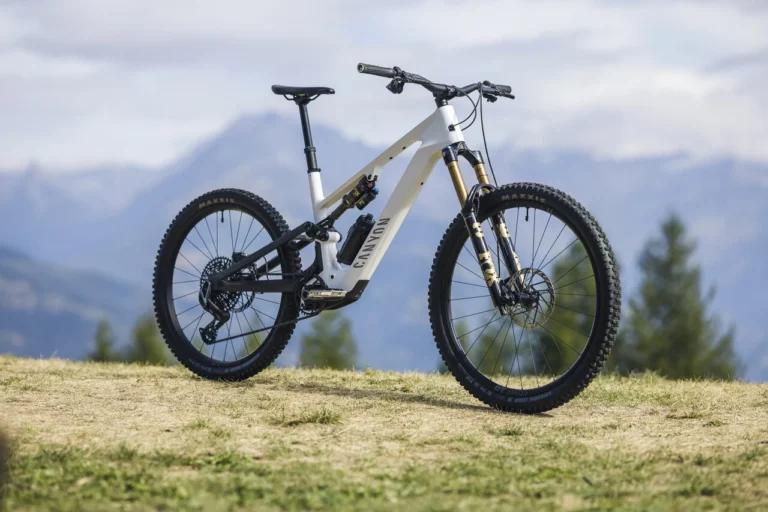
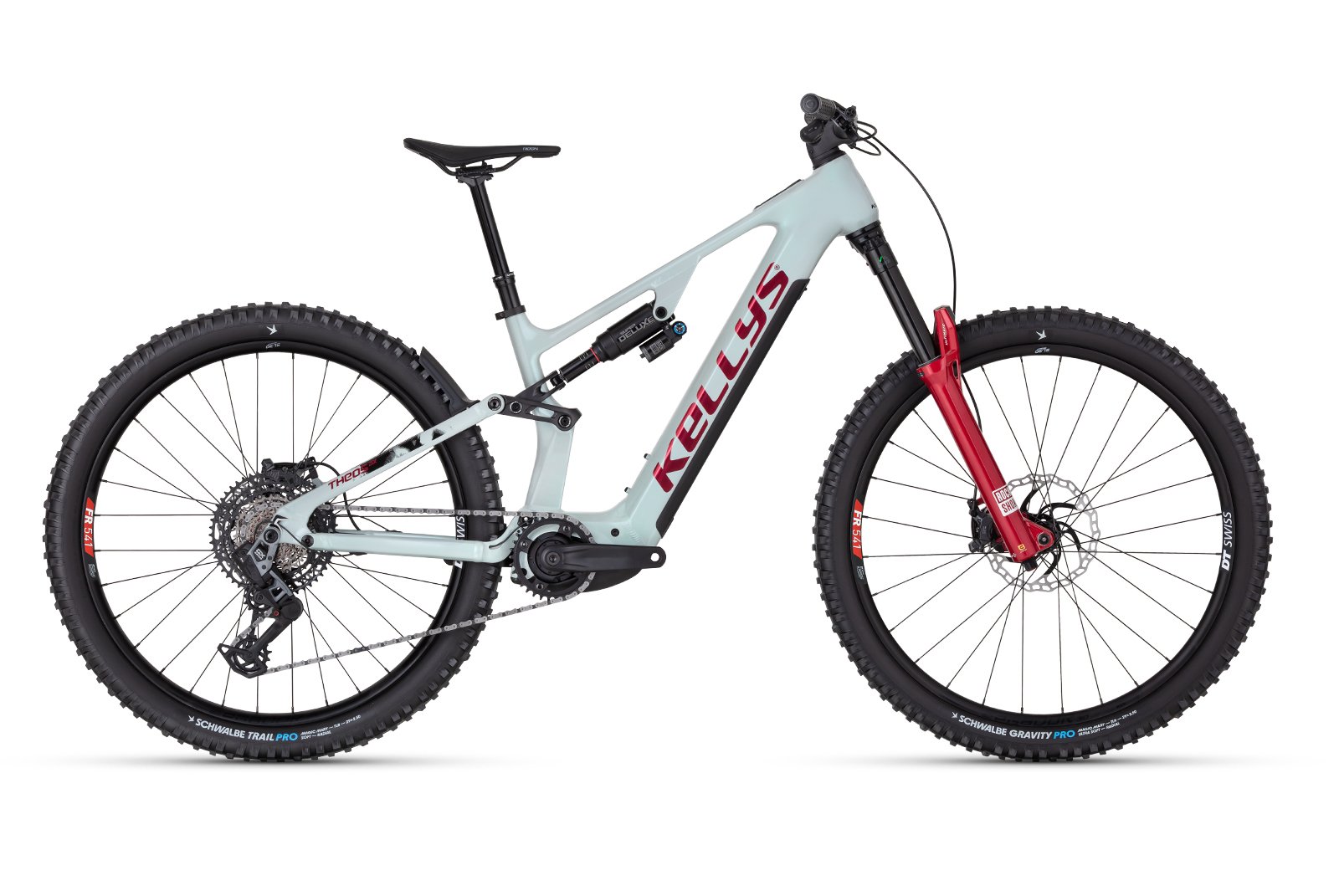
For context, the AX40, AX70 and AX90 sheets checked describe aluminum frames, 29-inch wheels and 170 mm front/160 mm rear travel. That points to an enduro-oriented eMTB, not a lightweight short-travel bike. Complete-bike weights for each size have not been verified here: do not confuse motor weight with bicycle weight.
The central recommendation is simple: start with fit, charging arrangements and dealer support, then decide how much equipment you need. A powerful system cannot fix the wrong size or make an expensive drivetrain the best investment for every route.
M2 vs M2S: do not buy an AX70 expecting 150 Nm
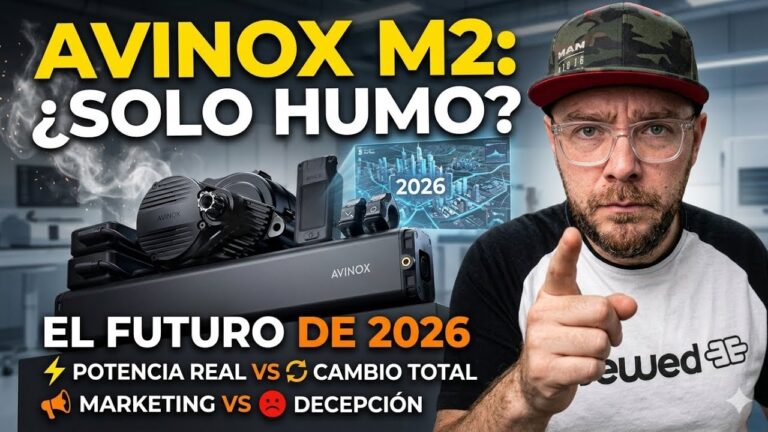
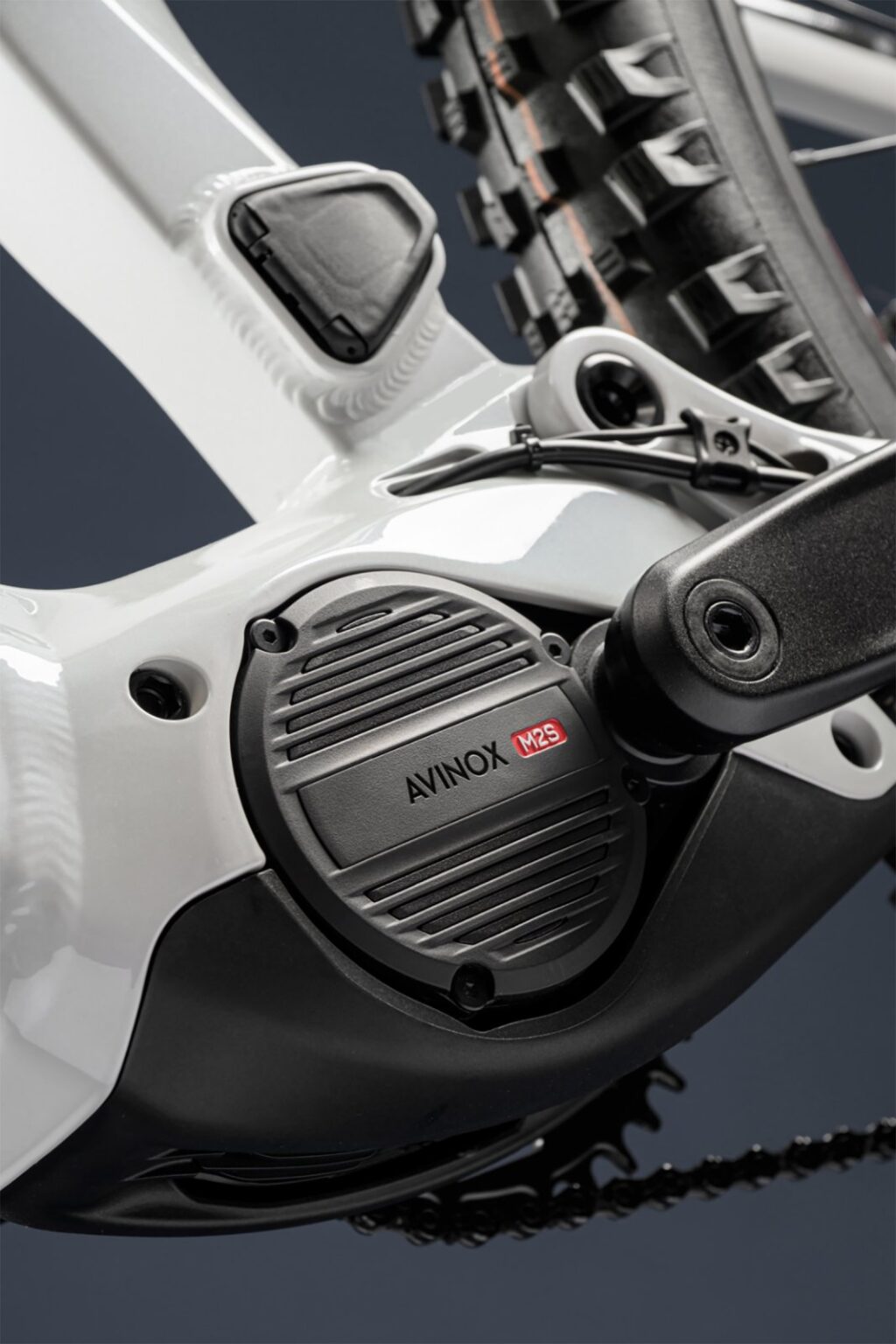
According to their individual specification sheets, the AX40 and AX70 use Avinox M2: up to 110 Nm and 125 Nm in Boost. The AX90 uses M2S: up to 130 Nm and 150 Nm in Boost. These are declared maximum figures, not results from our test bench or torque available continuously.
Advertisement / sponsored link
I would not translate that difference directly into climbing times or range. Assistance delivery, traction and gearing can change a technical climb more than the peak figure. On a dealer demo, I would look for a low-speed start, a tight uphill turn and a section where I can maintain my normal cadence, recording controllability rather than just thrust.
If your current assistance already gets you up every climb, the question is not how much extra torque you can buy but whether the rest of the build benefits you. If you specifically want the M2S, that identification should appear on the AX90 quote. We do not assume a software update can turn an M2 into an M2S.
To understand these figures without confusing power, speed and assistance, see our guide to torque and peak watts. This comparison covers only the models and figures Kellys publishes for these builds.
The build ladder: what actually changes your purchase
This table summarizes the key differences, not every component. It draws on the official specification sheets for the AX20, AX40, AX70 and AX90. The AX20 is also part of the range; leaving it out of the showroom should not force you to start with a more expensive build.
| Version | Motor | Fork | Drivetrain |
|---|---|---|---|
| AX20 | M2 | Domain Gold R, 170 mm | Cues U6000, 11-speed |
| AX40 | M2 | ZEB Select, 170 mm | Deore M7230, 11-speed |
| AX70 | M2 | ZEB Select, 170 mm | S1000 AXS T-Type, 12-speed |
| AX90 | M2S | ZEB Ultimate, 170 mm | GX AXS T-Type, 12-speed |
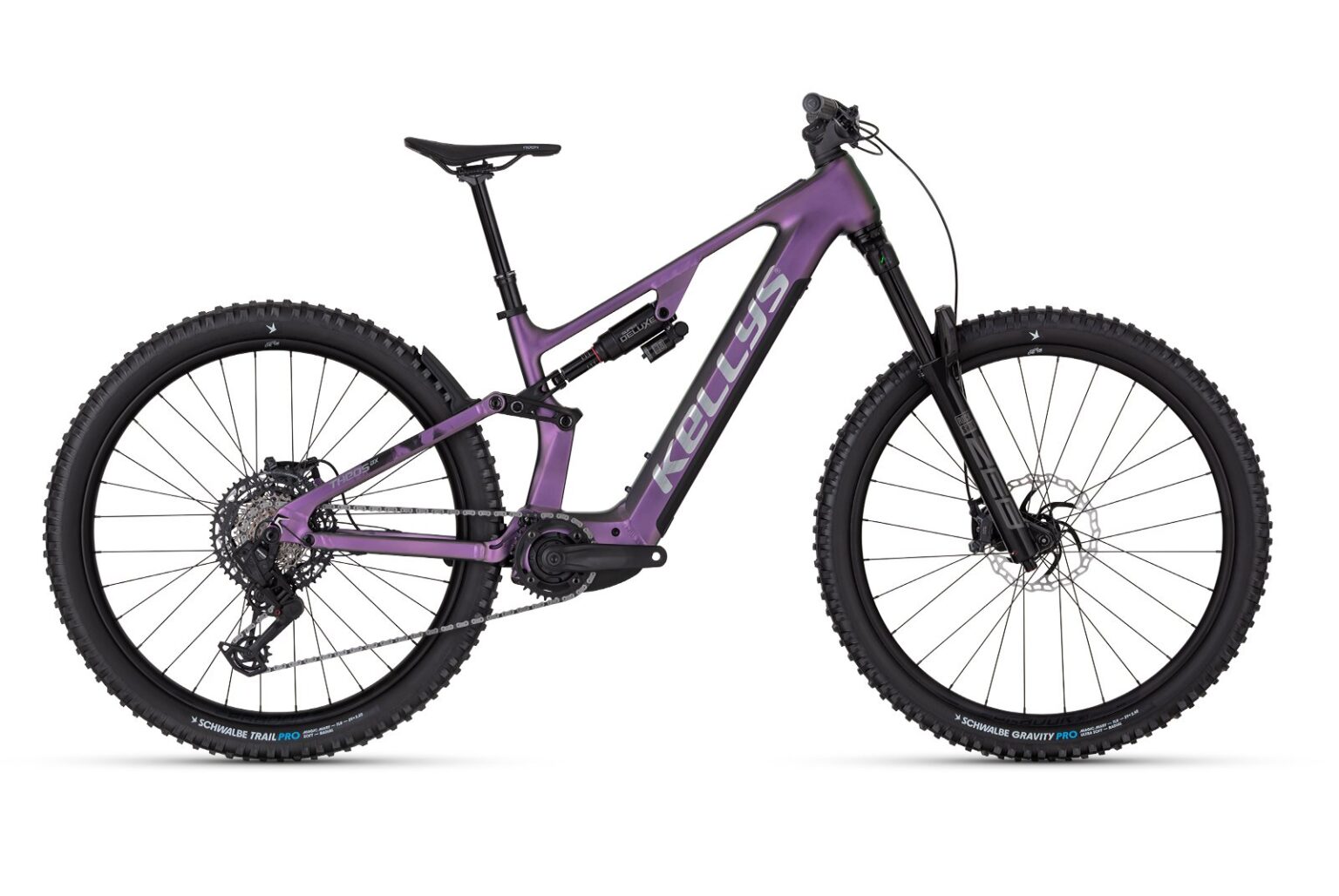
I would start the comparison with the AX40 if you want mechanical shifting and to keep spending down. I would consider the AX70 for electronic shifting, but not as a motor upgrade: it still uses M2. The AX90 would interest me for its combination of motor and suspension, not for the word Ultimate alone.
The AX20 deserves a separate quote if cost is the main constraint, but I would not treat it as equivalent to the AX40: its sheet lists MT410 brakes and a Domain fork, versus four-piston Deore brakes and a ZEB on the AX40. If you plan to replace the brakes immediately, include parts and labor before deciding which bike is truly cheaper.
Removable 800 Wh: what matters when you get home
All four specification sheets describe an internal, removable 800 Wh battery. Internal means integrated into the frame, not necessarily permanently sealed in. Removable does not prove that taking it out will be convenient in your garage: the latch, access, clearance and correct procedure still need checking on your bike.
The live specification sheets checked today list a 4 kg battery, about 8.8 lb, for these builds. Some older search results retain a different figure, but we would not use it to claim a weight advantage between versions. Ask for the exact battery and included charger references. The 800 Wh figure is nominal energy, not a mileage promise.
Use recent rides for planning. As a mathematical example, not measured range for this Kellys: an 800 Wh battery with a 15% reserve and an assumed consumption of 18 Wh/km gives around 38 km, or 24 miles. At an assumed 24 Wh/km, that falls to around 28 km, or 17 miles. Same battery, very different result; elevation gain, ground conditions, assistance and rider input all matter.
I would take two scenarios to the dealer: my usual route and the longer ride I do most often. I would add where the bike is stored and where the outlet is. That small exercise helps establish whether 800 Wh solves a real need or sacrifices stationary handling for capacity you rarely use.
ZEB Select vs Ultimate: pay for adjustment you will use
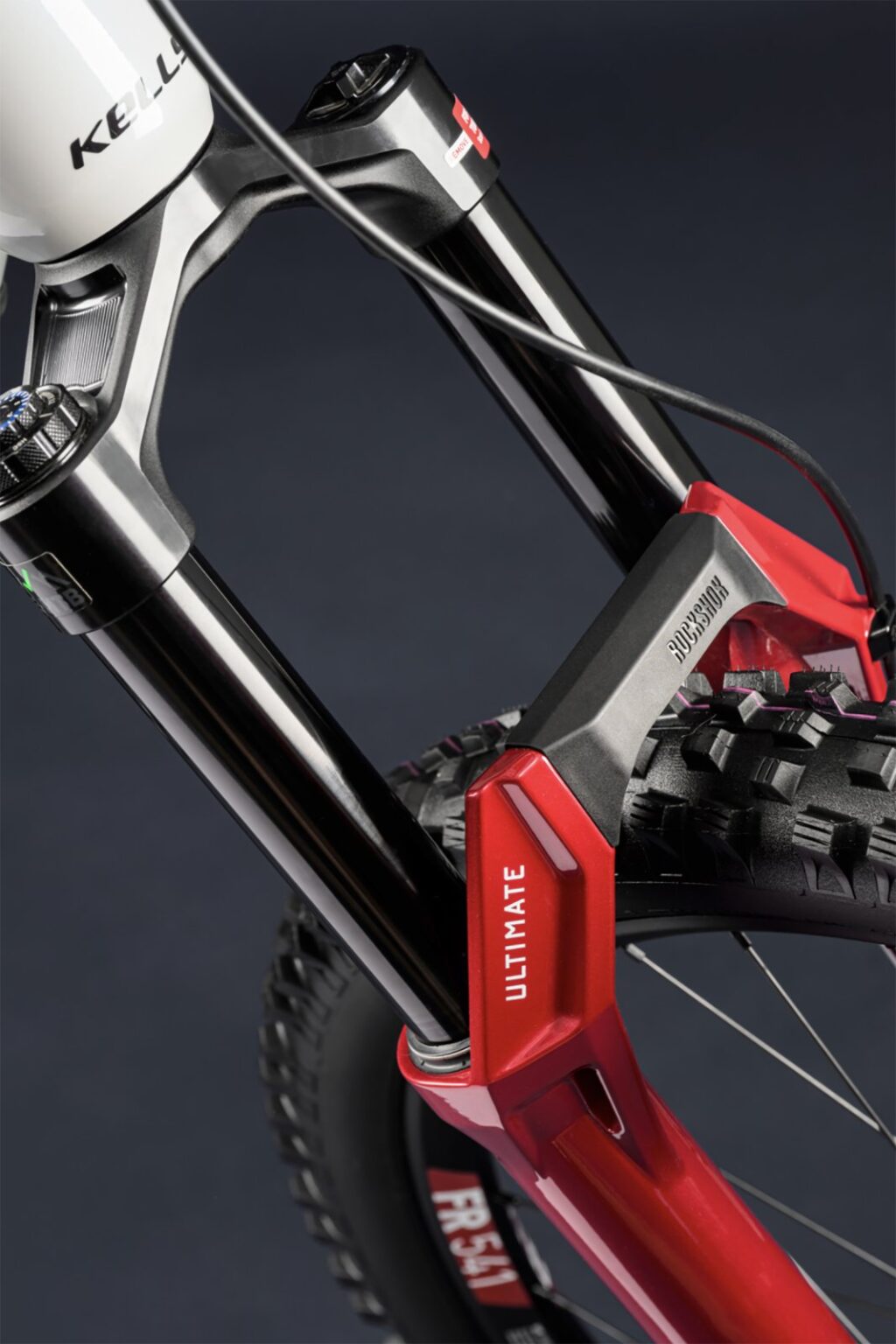
The specification sheet for the AX90 specifies a ZEB Ultimate with the Charger 3.1 RC2 damper; the AX70 and AX40 list ZEB Select with Charger RC. Rear shocks are Super Deluxe Select+ on the AX90, Select on the AX70 and Super Deluxe with R adjustment on the AX40. Similar names do not mean identical shocks.
Advertisement / sponsored link
Advertisement / sponsored link
Extra adjustment is only valuable if you know how to use it. Before paying for an upgrade, I would ask for a setup based on my fully equipped riding weight, with starting pressure and rebound settings recorded. Then I would compare on a repeatable route. Without that baseline, it is easy to blame the suspension tier for a setup problem.
We are not concluding that the AX90 handles every impact better: we have not compared these bikes on the trail. We can identify a specific equipment difference for a demanding buyer to assess. If you never adjust settings and ride moderate terrain, allocating some budget to maintenance and tires may be more useful than chasing every available adjuster.
Eleven mechanical gears or twelve electronic gears
The AX40 lists an eleven-speed Shimano Linkglide drivetrain, an 11-50 cassette and a 34-tooth chainring. The AX70 and AX90 move to twelve-speed T-Type, a 10-52 cassette and a 36-tooth chainring. That also changes the gear ratios: it is not simply one extra gear or one less cable.
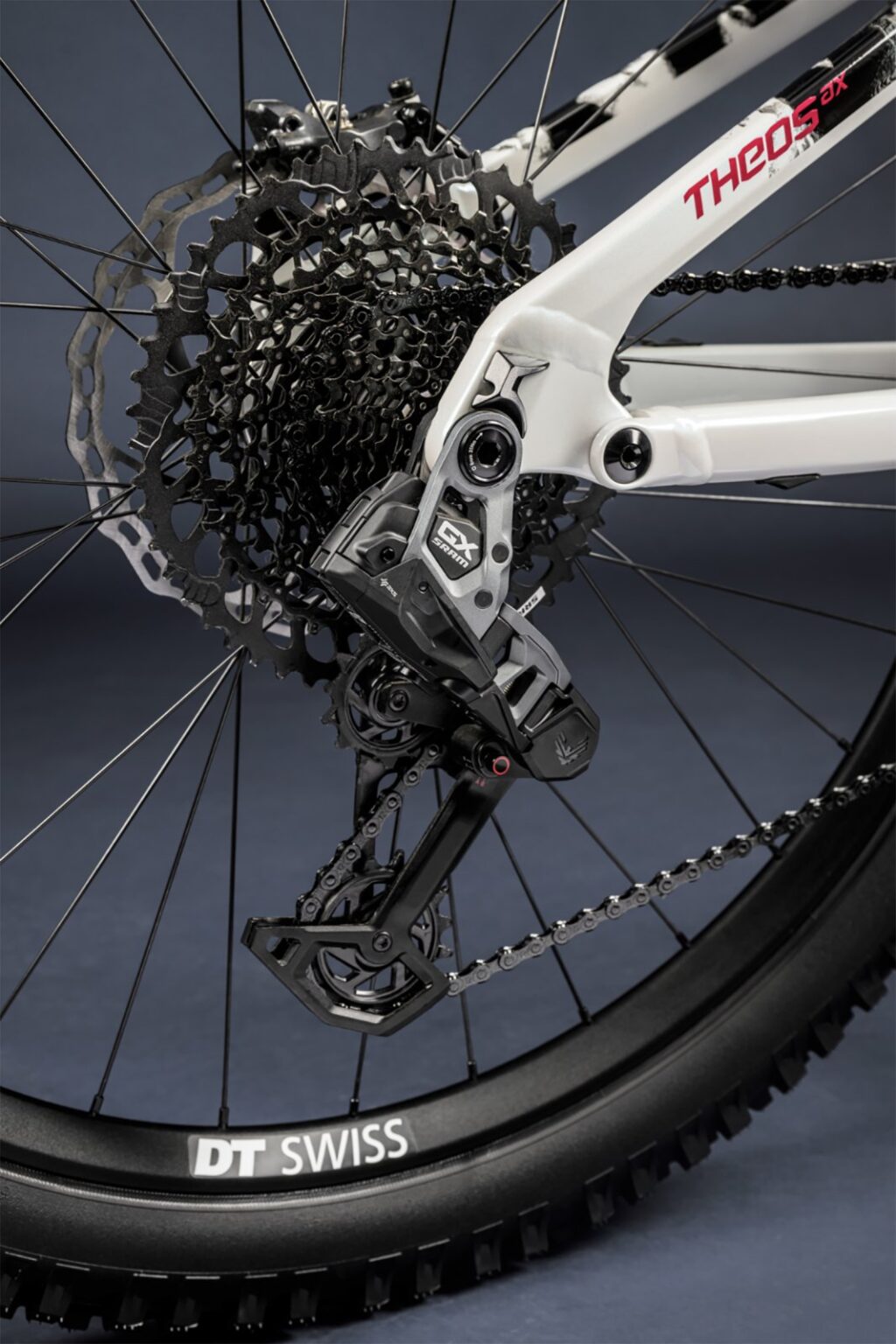
To compare the lowest gearing without involving the motor, divide the chainring by the largest sprocket: 34/50 = 0.68 and 36/52 = approximately 0.69. Those ratios are close. That does not prove identical climbing behavior, but it avoids buying AXS on the assumption that it necessarily delivers a dramatically lower gear.
At the tall end, 34/11 is around 3.09 and 36/10 reaches 3.60. Consider whether you actually run out of gearing on connecting roads. For many buyers, local chain and cassette prices or replacement-part availability matter more than that difference. Do not interchange Linkglide and T-Type consumables simply because they look similar or have the same number of chain links.
Riders who prefer simplicity can choose mechanical shifting without feeling that they are buying an incomplete bike. Those already using electronic shifting have a different checklist: derailleur battery, charging and spares. I would choose based on operation and maintenance I can manage, not the prestige of the label.
Brakes, wheels and tires: the less glamorous spending decisions
The AX70 and AX90 specify four-piston Deore XT M8220 brakes; the AX40 has four-piston Deore M6220 brakes. All three specification sheets list 200 mm Galfer rotors front and rear. The AX90 lists DT Swiss FR 541 rims; the AX40 and AX70 use KLS Segador 30 SL. These are equipment specifications, not a tested performance ranking.
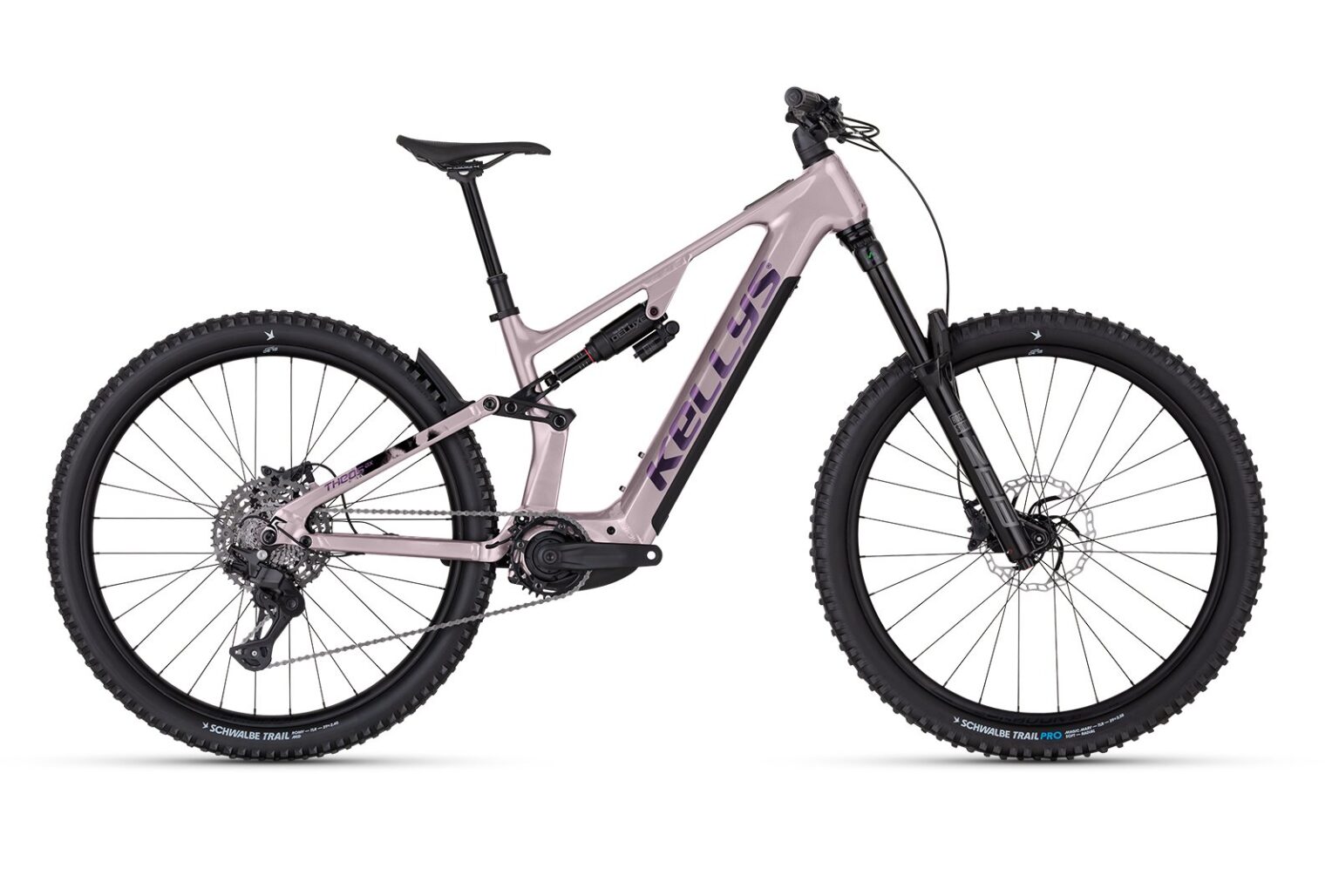
The tires also change. The AX70 and AX90 list 2.50-inch Magic Mary tires with different casings front and rear; the AX40 combines 2.40-inch Magic Mary and Romy tires. Do not assume every Magic Mary has the same casing, compound or impact resistance.
Before replacing wheels, I would try the stock setup adjusted for my weight and terrain. I would ask for starting pressures, a tubeless setup and the limits of the components supplied. More expensive wheels do not fix an unsuitable tire casing or prove that lower pressures are safe. Our tire-casing guide helps put those priorities in order.
Dropper, sizing and display: details you use all ride long
The AX70 and AX90 list S, M, L and XL sizes; the live AX40 and AX20 pages checked list S, M and L. Confirm the range offered in your market rather than assuming every build comes in every size. A catalog listing does not prove a bike is available for delivery.
On the AX70 and AX90, the listed dropper travel is 150 mm in S/M and 180 mm in L/XL. The AX40 lists 150 mm in S/M and 170 mm in L. Extra travel only helps if your leg length and available insertion allow you to use it; ask to check saddle position with the post both extended and lowered before ordering.
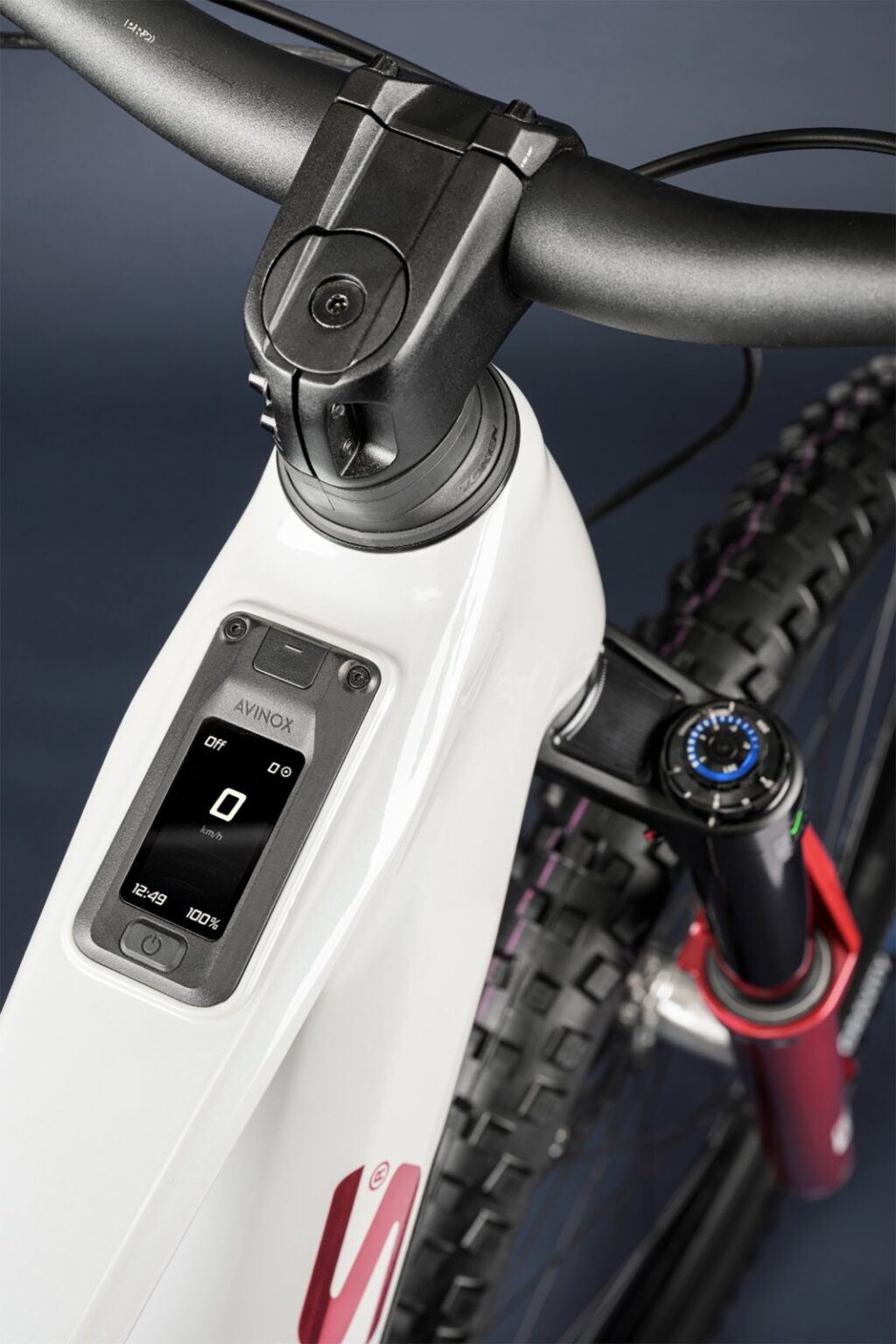
The AX90 lists the DP100 Flat display; the AX40 and AX70 list the DPC100. Do not assume they share every feature because both have an OLED screen. At handover, I would check readability while wearing gloves, assistance controls and basic settings. If you need a specific connectivity feature, ask the dealer to demonstrate it on the installed model rather than assuming it is included from a photograph.
Reference prices and the reality of buying in Spain
The official Slovak catalog lists reference prices of EUR 3,799 for the AX20, EUR 4,299 for the AX40, EUR 4,999 for the AX70 and EUR 5,999 for the AX90. These are prices for that market checked today, not confirmed Spanish retail prices or an offer including delivery to Spain. The catalog labels the range Q1 2027: a first-quarter estimate is not proof of available stock.
Using those references, the step from AX40 to AX70 is EUR 700 and from AX70 to AX90 is EUR 1,000. Use them to understand the price ladder, not to expect every dealer to match it. Request a final quote including applicable taxes, the exact build, size, charger, setup and a written delivery estimate. For US readers, these euro figures are not US MSRP and do not establish US compliance or local service support.
The official dealer locator is a starting point for an inquiry; it does not prove every location has trained staff, spare parts or a demo AX. I would ask who handles Avinox diagnostics, how a fault is dealt with and what happens if delivery is delayed. You do not have to buy the most expensive build to ask those questions.
A reasoned purchase can fit on one page: the size you have tried, where you will charge, the identified motor, the equipment you need and who will service it. If your riding does not require a particular upgrade, keep some budget for maintenance and riding. Good value is not the same as collecting brand logos.
Advertisement / sponsored link
Questions Before You Decide
Do all THEOS AX models have Avinox M2S?
No. The AX20, AX40 and AX70 sheets list M2. The AX90 is the M2S build discussed here. The AX name alone does not identify the higher-spec motor.
Does 800 Wh guarantee a long ride?
There is no guaranteed distance. The examples in this guide are calculations using assumed consumption, not measured range. Compare capacity, terrain and assistance with real rides.
Which build would I look at first?
AX40 for a mechanical drivetrain and a tighter budget; AX70 if you value AXS without needing the M2S; AX90 if you specifically want that motor and the higher-spec suspension. Consider the AX20 if your spending limit is firm, including the cost of any upgrades you would genuinely need.
Should I reserve one before I can try it?
Only after understanding the terms, timing and exact configuration. A 2027 specification sheet does not replace a fit check, an explanation of battery removal or a delivery commitment from your dealer.
Editorial verdict: the THEOS AX is interesting for combining Avinox with a removable battery and several equipment levels. The right purchase separates motor, suspension and maintenance rather than treating the whole range as an AX90. Without our own ride test, we will not declare winners for range, temperature or handling.
Sources and documentation
Sources checked October 30, 2026. Editorial guide based on official documentation, not our own ride test. Equipment and availability may vary by market.
- Kellys: initial THEOS AX introduction, June 24, 2026
- Kellys: 2027 collection, September announcement
- THEOS AX90 White Fury: official specification sheet
- THEOS AX70 Aurora Borealis: official specification sheet
- THEOS AX40 Stardust: official specification sheet
- THEOS AX20 Magic Hydra: official Polish specification sheet
- Kellys E-Fullsuspension: Slovak catalog prices and Q1 2027 listing
- Kellys: dealer locator
Have you used this bike, motor or component?
Join eRIDERSeMTB on Telegram to discuss real experiences with other riders: Bosch, Avinox, Shimano, deals, faults and buying decisions. The community currently speaks Spanish.
Join TelegramAdvertisement / sponsored link
Advertisement / sponsored link
Advertisement / sponsored link