Ibis Oso S, TR or HD: 600Wh, Wheel Sizes and What to Buy in 2026
Technical guide · eMTB PRO
Three travel options, a battery that does not slide out with a key, and wheel sizes that vary by frame size: what to check before buying an Ibis Oso V2.
Advertisement / sponsored link
First identify the Oso: V2 is not the 2023 bike
The useful question about the Ibis Oso is not how much power its motor advertises, but which bike suits your terrain and where you will charge it. The current family offers three configurations on a modular platform. That gives you a choice of travel, but it does not make every modification simple or inexpensive.
Ibis introduced this generation on April 14, 2026. This is an updated buying guide, not an October launch or our own on-trail test. The documentation reviewed describes the S, TR and HD with a fifth-generation Bosch Performance Line CX motor and an internal 600Wh battery.
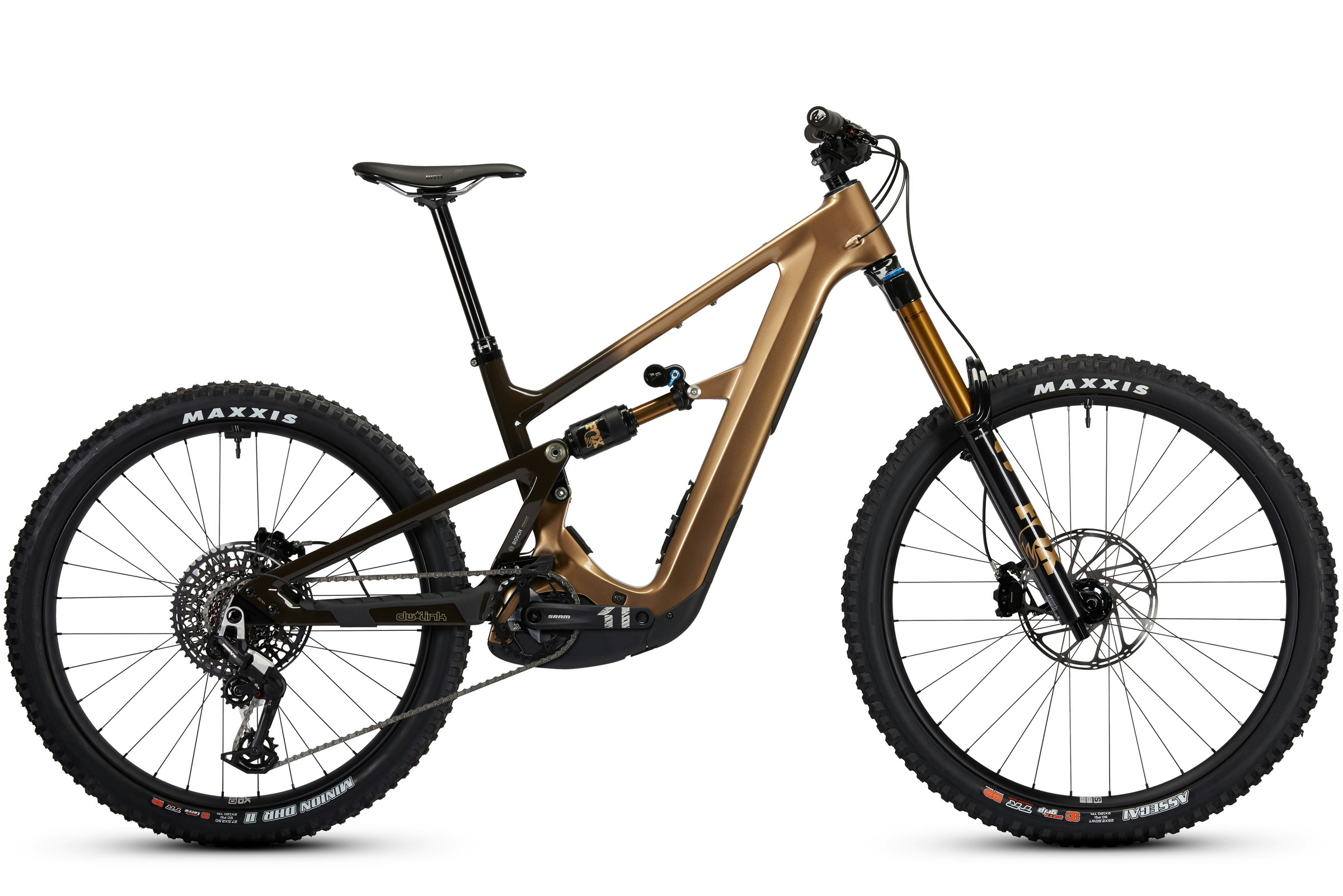
Be careful with discounted stock: the 2023-2024 Oso V1 used a different platform, 170/155mm travel, a 625Wh or 750Wh battery depending on frame size, and a Kiox 300. A discount may be attractive, but it does not mean you get the current architecture. Get the year, version, frame size and build in writing; a gold photo or the Oso name alone does not identify the bike.
Our editorial approach is deliberately practical: choose the configuration you will use most weekends, rather than buying the longest-travel bike assuming it must be better. The recommendations below are based on the specifications, not measured riding impressions.
S, TR or HD: choose the terrain before the badge
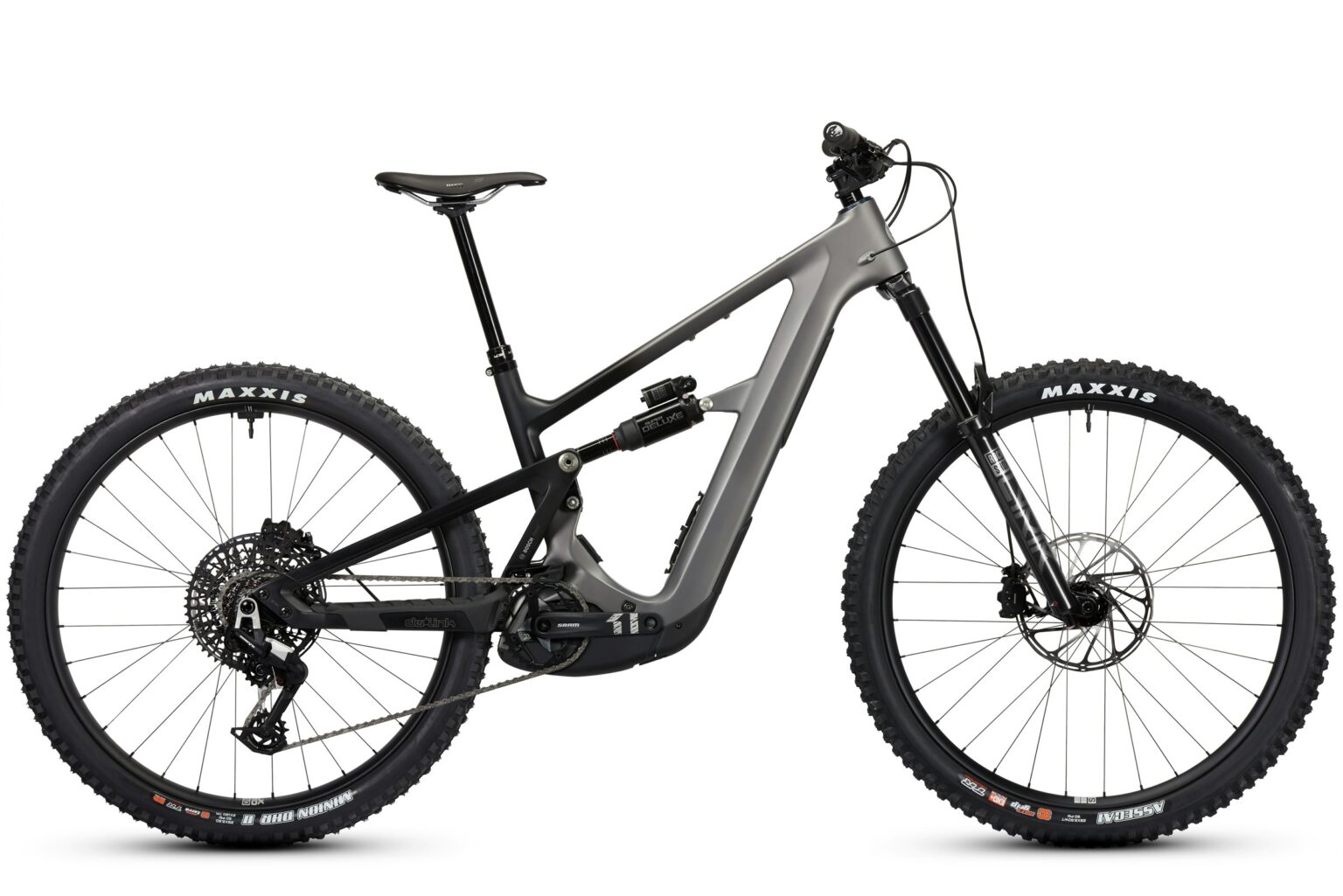
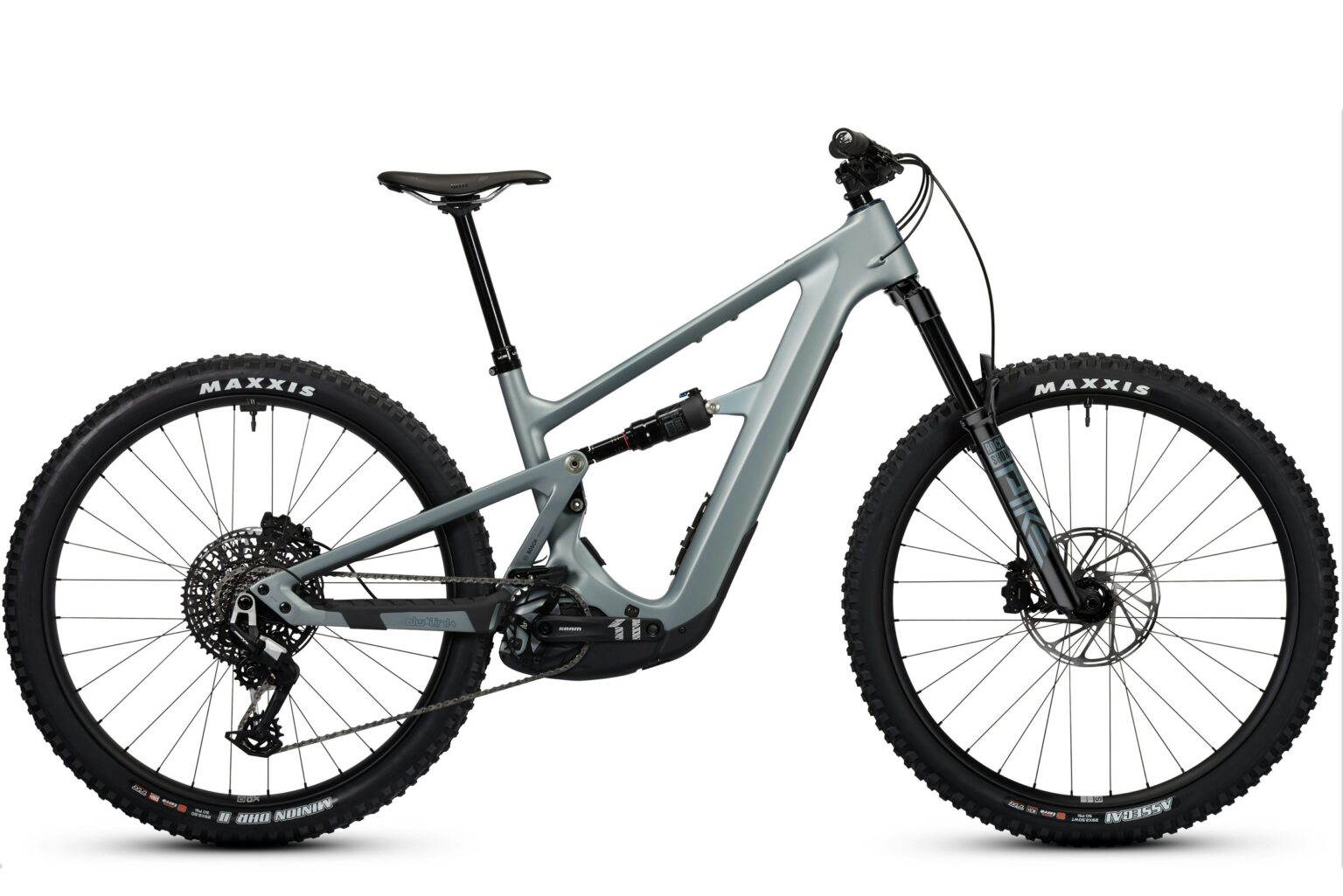
Travel is shown front/rear. The sources are the specifications for the Oso S, Oso TR and Oso HD. The stock rear wheel varies by version and frame size; do not assume every bike is a mullet.
| Version | Travel | Stock wheels | Suggested use |
|---|---|---|---|
| S | 140 / 130 mm | 29 / 29 in every frame size | Trail rides without seeking out big impacts |
| TR | 160 / 150 mm | 29 / 27.5 on SM-MD; 29 / 29 on XM-LG-XL | Mixed trail riding and technical descents |
| HD | 180 / 165 mm | 29 / 27.5 on SM-MD-XM; 29 / 29 on LG-XL | Demanding descents and gravity-focused riding |
Advertisement / sponsored link
I would start the comparison with the TR if your rides combine linking tracks, singletrack and rough descents. It is a starting point for a test ride, not a verdict that it pedals better. I would move to the HD if you can identify descents where you need more suspension margin, or to the S if you rarely use an enduro bike's travel.
Before deciding, write down three rides you actually did last month. If you choose the bike for an annual bike park trip rather than those rides, you may be solving the wrong problem. Also consider the weight you can lift onto your car or carry upstairs: full power and short travel do not automatically mean a lightweight eMTB.
600Wh: configurable capacity, not guaranteed range
The stated internal capacity is 600Wh. Ibis lists compatibility with the separately sold PowerMore 250, for a nominal total of 850Wh. It lets you adapt capacity to each ride, but the extra setup takes up space and adds weight. The European Bosch specification specifies approximately 1.5kg (3.3lb) without the mount for that extender; confirm the compatible part number and cable with your shop.
Adding 600 + 250 does not promise 42% more real-world distance. Elevation, assistance, terrain and your pedaling effort affect consumption. As a purely mathematical example, assuming 15Wh/km consumption and keeping a 15% energy reserve, 600Wh would give a planning figure of about 34km (21 miles); 850Wh, about 48km (30 miles). These are not measured range figures for this Ibis, nor a prediction for your route.
A sensible decision starts with your own ride history: distance, elevation gain and remaining charge on similar outings. If you change motors or tires, that history is no longer directly comparable. For more detail, read our range planning guide before choosing a battery based on one number alone.
Advertisement / sponsored link
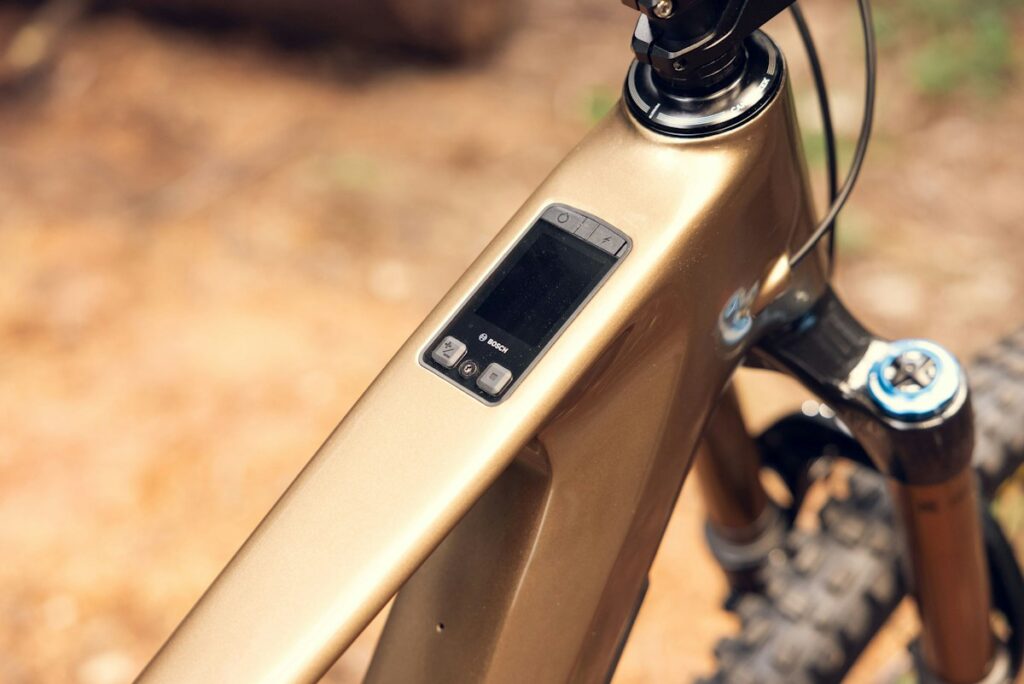
The integrated Kiox 400c makes ride information accessible, but a percentage on a screen will not get you home on its own. Plan a short ride with an alternative return route to learn your bike's consumption before committing to a long adventure. The motor is still a CX: do not mistake it for a CX-R because some advertised figures overlap.
The deciding detail: this is not a quick-release battery
The official FAQ for the Oso TR explains that the battery can be removed, but estimates 15-20 minutes and requires removing the motor and battery guards. It is intended to be charged in the bike. That is very different from sliding out a battery with a key when you get home.
If your garage has no outlet, put this question ahead of color or drivetrain. Do not assume daily removal will be convenient just because the battery is technically removable. Ask for a demonstration of port access and check the outlet and maneuvering space you have available. If you cannot charge the bike where you store it, find an alternative before paying a deposit.
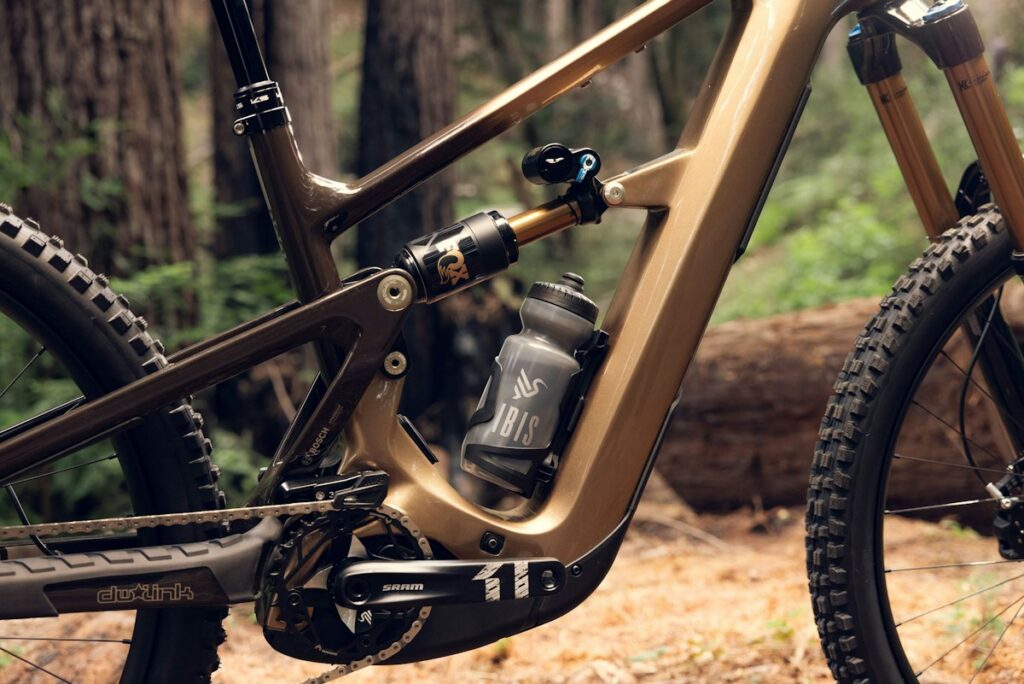
For the range extender, Ibis says to connect and disconnect it with the eBike switched off, remove it before washing and close the charge port. Keep the connection area clean and dry as instructed in the manual; this is not permission to pressure-wash connectors. Also work out how you will carry water when the mount is occupied: an extra battery can change your ride setup.
We are not recommending that you always carry 850Wh. Buy the extender only if your rides justify it and you have confirmed the mount, cable, availability and complete cost. An accessory that has not arrived should not be part of the plan for a long ride next week.
Advertisement / sponsored link
XM changes more than the frame length
The V2 comes in five sizes: SM, MD, XM, LG and XL. XM is an intermediate size, not a renamed medium. One particularly important detail: in XM, the TR ships with a 29-inch rear wheel and the HD with a 27.5-inch rear wheel. If you test one version and buy the other, you have not tested the exact configuration you will receive.
Do not choose your frame size to get your preferred wheel size. First check riding position, reach to the handlebar, saddle height and room to drop the seatpost. Then compare rear-wheel configurations. Getting the fit right matters more than chasing agility you have not experienced on the trail.
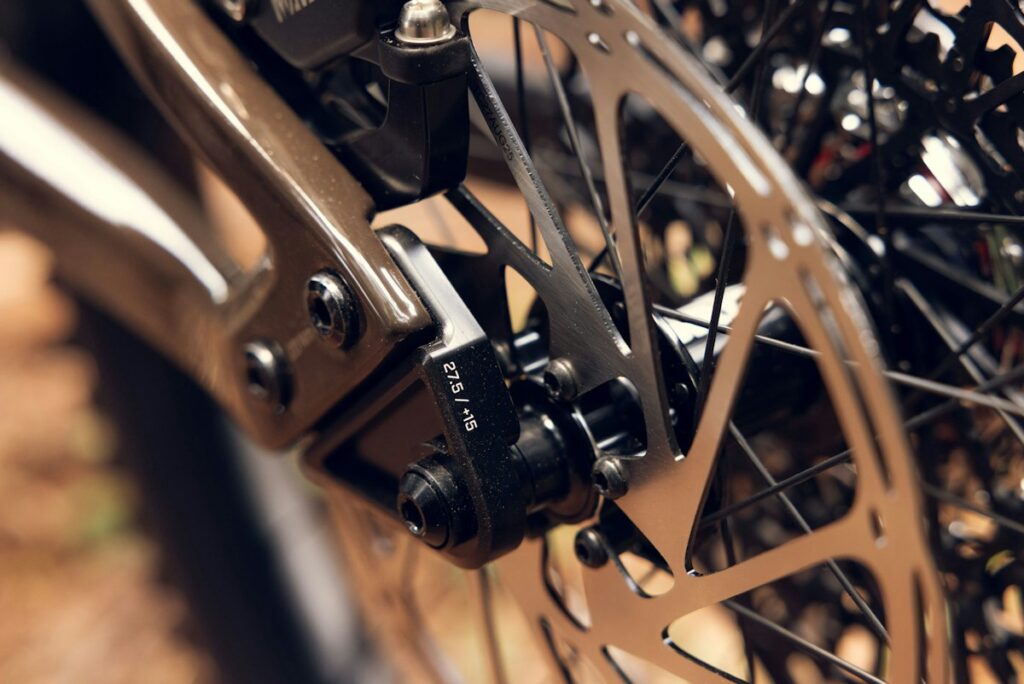
The system supports interchangeable dropouts, but the FAQ for the Oso HD warns that changing between 27.5- and 29-inch rear wheels requires configuration at a Bosch-certified shop, not just the Flow app. Chain length, brake position and the brake adapter may also need to change.
Before requesting a conversion, get a complete parts and labor list. A wheel that physically fits does not prove that geometry, braking and electronic configuration are correct. Compare two completed, checked bicycles, not the prices of two loose rims.
Modular does not mean a simple adjustment converts it
Ibis explains that the platform can accommodate all three travel configurations by changing the fork, shock and the shock-to-frame connector, called a clevis. That opens up future options, but it is not a lever that turns an S into an HD before you leave home.
The shock dimensions for the S 90 build are 210 × 52.5mm; the TR 90 uses 230 × 60mm, and the HD 90, 230 × 65 mm. Do not swap these sizes simply because the shocks look similar. The complete setup must be checked against current documentation and confirmed by your workshop.
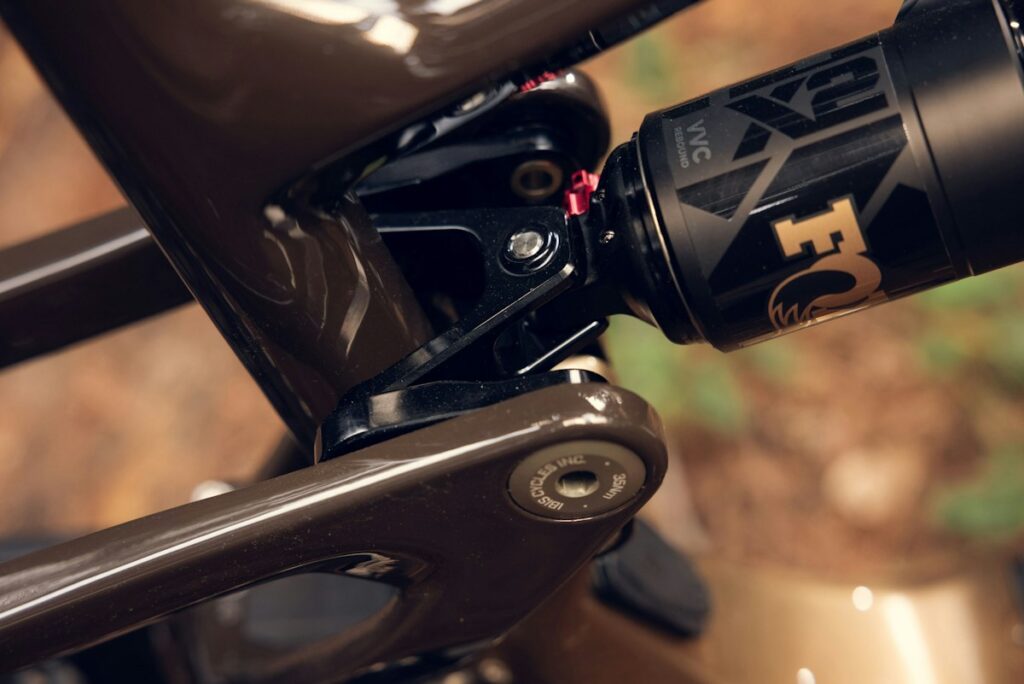
To evaluate modularity, request two quotes: the version you need today, and that same configuration converted from a cheaper bike. Include suspension, clevis, hardware, setup, any wheel changes and final checks. If the difference shrinks significantly, buying the right configuration outright avoids spare parts and duplicated work.
The detail photographs show the gold HD from the official material, not every build in the range. They identify features rather than promise the same shock, brakes or finish on an S or TR. Your written order specification should take precedence over any catalog image.
The 90 builds: check suspension, tires and brakes
In the specifications reviewed, all three 90 builds share a mechanical SRAM Eagle 90 drivetrain. The S 90 lists a Pike Base and Deluxe Select+; the TR 90, a Lyrik Base and Super Deluxe Select+; the HD 90, a FOX Factory 38 GRIP X2 and Float X2. These are specific equipment differences, not just extra millimeters of travel.
The S 90 lists an Assegai EXO front and DHR2 EXO+ rear. The TR 90 moves to EXO+ at the front and DoubleDown at the rear, while the HD 90 uses DoubleDown front and rear. That choice deserves as much attention as the fork logo when the terrain is hard on tires.
The S and TR 90 specify Maven Base; the HD 90 lists Maven without identifying a higher-tier variant here. Do not infer Ultimate from a photo. These builds list 220mm rotors front and rear. Check the equipment actually supplied and its documentation, particularly when buying stock from another country.
For a balanced purchase, I would prioritize fit, suitable tires and setup over a drivetrain upgrade for prestige. This is an editorial spending priority, not a tested performance comparison. Ask about the cost and lead times of the consumables you will need, too: a well-equipped bike becomes less useful if you cannot maintain it locally.
Buying in Spain: get a local quote, not a dollar conversion
The Ibis configurator lists US starting prices of $7,999 for the S, $8,499 for the TR and $8,999 for the HD. The brand states that its US prices exclude sales tax or VAT and that pricing and specifications may change. These are not confirmed retail prices for Spain or Europe.
The official dealer locator is the starting point for distribution inquiries; a published listing does not confirm Spanish stock or a delivery date. Ask for a final local price, exact build, assistance configuration for your market, service provider and warranty procedure. Do not treat the US listing's Class 1 description as approval for a European unit.
If an imported offer looks much cheaper, compare the complete delivered cost, not the advertised amount alone. It also matters who will handle diagnostics, a connector or a frame-specific part. We are not claiming immediate Spanish availability or savings over another brand without two equivalent quotes.
A useful purchase checklist should fit in five lines: version and size; battery and a workable charging arrangement; wheels and tires; final price; the shop that will service the bike. If any line is unanswered, you still lack information for a decision.
Before placing an order: questions that change the decision
Can my current 600Wh battery help estimate range?
Only as an initial reference. Compare routes and conditions rather than another bike's mileage. This guide contains no consumption or motor-temperature measurements of our own.
Advertisement / sponsored link
Is the Oso S a light eMTB?
I would not call it a light eMTB just because it has 130mm of rear travel. It uses the full-power CX system; check the weight of your complete build and frame size with the accessories you will carry.
Can I buy the cheaper version and convert it later?
The platform is modular, but buy only after receiving a compatible, fully priced proposal. Suspension, clevis, wheels, brake hardware and Bosch configuration can turn an apparent bargain into an expensive project.
What would I ask for in a shop test ride?
A bike in the version and frame size you intend to buy. Check port access, handling while stationary, the fully lowered dropper post, pedaling position and controlled braking. A lap of the parking lot does not demonstrate performance on a demanding descent.
Conclusion: the TR is a starting point for comparison if you want mixed use; the S and HD address more specific needs. But the first filter is at home: being able to charge it. Then come fit, wheels and terrain. Getting those four things right matters more than winning an argument about peak motor torque.
Sources and documentation
Information checked on October 29, 2026. Editorial guide based on official documentation, not our own on-trail test. Equipment and availability may vary by market.
- Ibis: Oso platform announcement, April 14, 2026
- Ibis Oso S: specifications, sizes and FAQs
- Ibis Oso TR: specifications, battery and FAQs
- Ibis Oso HD: specifications, dropouts and FAQs
- Ibis Oso S 90: listed components
- Ibis Oso TR 90: listed components
- Ibis Oso HD 90: listed components
- Bosch: PowerMore 250 capacity, weight and compatibility
- Ibis: 2023-2024 Oso V1, to distinguish the generations
- Ibis: distributor and dealer locator
Have you used this bike, motor or component?
Join eRIDERSeMTB on Telegram to discuss real experiences with other riders: Bosch, Avinox, Shimano, deals, faults and buying decisions. The community currently speaks Spanish.
Join TelegramAdvertisement / sponsored link
Advertisement / sponsored link
Advertisement / sponsored link